In today’s fast-paced world, many of us eat just to fill our stomachs without thinking about what our body truly needs. You may be eating three meals a day, yet still feel tired, weak, or mentally drained.
Have you ever wondered why?
The answer often lies in one missing nutrient – Protein.
Protein is not just a part of your diet, it is the foundation of your body’s strength, energy, and recovery. When your body gets enough protein, you feel stronger, more focused, and more in control of your health.
What Is Protein and Why Is It So Important?
Protein is a macronutrient made up of amino acids, which are known as the building blocks of life. Every cell in your body depends on protein to function properly.
According to the National Institutes of Health (NIH, 2020), protein is essential for:
- Tissue repair and growth
- Enzyme and hormone production
- Muscle development
- Immune system support
Without enough protein, your body struggles to repair itself, leading to weakness and fatigue over time.
How Protein Affects Your Mind
Food is not just physical, it deeply affects your emotions and mental health.
Research published in Nutrients Journal (2016) shows that low protein intake can impact neurotransmitters like dopamine and serotonin. These chemicals control your mood, focus, and stress levels.
This means:
- Low protein = low energy, mood swings, poor focus
- Adequate protein = stable mood, better concentration, improved confidence
So when you improve your protein intake, you’re not just fixing your diet, you’re improving your daily life experience.
Science Backed Benefits of High-Protein Foods
1. Builds Muscle and Strength
A study in the American Journal of Clinical Nutrition (2015) found that higher protein intake significantly increases muscle mass and strength, especially when combined with exercise.
Even if you’re not going to the gym, your body needs protein daily to maintain muscle and stay active.
2. Helps in Weight Loss and Appetite Control
Struggling with hunger and cravings?
A study by Leidy et al. (2015, Obesity Journal) found that high-protein diets:
- Reduce hunger hormones
- Increase fullness
- Decrease late-night snacking
Additionally, research from Harvard T.H. Chan School of Public Health confirms that protein helps manage appetite and supports sustainable weight loss.
Protein helps you feel satisfied, not restricted.
3. Boosts Metabolism Naturally
Protein has a higher thermic effect compared to carbs and fats.
According to the Journal of the American College of Nutrition (2004):
- 20-30% of protein calories are burned during digestion
- Compared to 5-10% for carbs and 0-3% for fats
This means your body burns more calories just by eating protein.
4. Strengthens Immunity
Your immune system relies on protein to produce antibodies.
The World Health Organization (WHO) states that protein deficiency weakens immune response, increasing the risk of infections.
In simple terms:
Strong body = strong immunity = better life.
5. Improves Recovery and Reduces Fatigue
Your body repairs itself every day, from physical work, stress, and environmental exposure.
A study in the Journal of the International Society of Sports Nutrition (2017) shows that protein:
- Speeds up muscle recovery
- Reduces fatigue
- Improves overall physical performance
This is especially important for working professionals and physically active individuals.
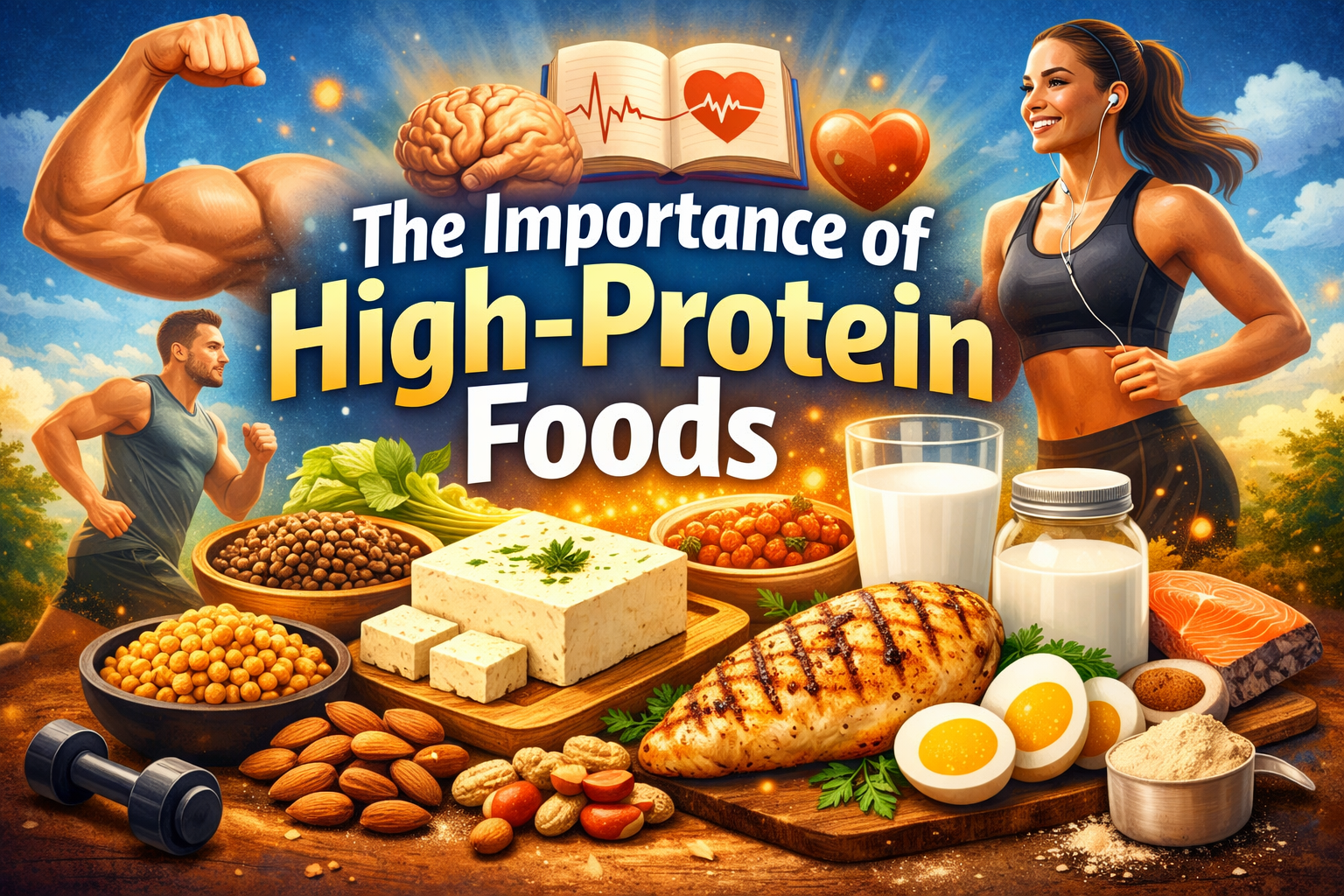
Best High-Protein Foods for Daily Diet
You don’t need expensive supplements. Many affordable and easily available foods are rich in protein.
Vegetarian Sources:
- Lentils (dal)
- Chickpeas (chana)
- Paneer
- Soybeans
- Peanuts and almonds
Non-Vegetarian Sources:
- Eggs
- Chicken breast
- Fish
Dairy Sources:
- Milk
- Yogurt (curd)
Combining different sources ensures better nutrition and balanced amino acids.
How Much Protein Do You Need?
Protein needs depend on your body and lifestyle.
According to the Recommended Dietary Allowance (RDA):
- Sedentary adults: 0.8 grams per kg body weight
- Active individuals: 1.2-2.0 grams per kg
For example, if your weight is 70 kg:
- Minimum: 56 grams/day
- Active: up to 140 grams/day
A review in Nutrients Journal (2020) suggests that slightly higher protein intake supports better metabolism and muscle preservation.
Signs You May Be Lacking Protein
Many people ignore these warning signs:
- Constant tiredness
- Hair fall
- Weak muscles
- Frequent illness
- Slow recovery from injuries
These are your body’s signals asking for better nutrition.
Simple Ways to Increase Protein Intake
You don’t need a drastic change, just small smart steps:
- Start your day with eggs, paneer, or sprouts
- Add dal or legumes to every meal
- Replace junk snacks with roasted chana or peanuts
- Include curd daily
- Combine foods like rice + dal for better protein quality
Consistency matters more than perfection.
A Real-Life Perspective: Why This Truly Matters
Your body works for you every single day, through stress, work, and responsibilities.
When you eat better:
- You feel more energetic
- You think clearly
- You handle challenges with confidence
Protein helps build not just your body, but your strength, discipline, and self-respect.
Conclusion
Science clearly proves that protein is essential for:
- Muscle health
- Weight control
- Immunity
- Energy and recovery
But beyond science, it’s about how you feel every day.
You don’t need a perfect diet.
You just need a better one.
So next time you eat, ask yourself:
“Is this meal making me stronger?”
Because your future health is built on today’s choices.
Research References
- National Institutes of Health (NIH), 2020
- American Journal of Clinical Nutrition, 2015
- Leidy et al., Obesity Journal, 2015
- Harvard T.H. Chan School of Public Health
- Journal of the American College of Nutrition, 2004
- World Health Organization (WHO)
- Journal of the International Society of Sports Nutrition, 2017
- Nutrients Journal, 2020