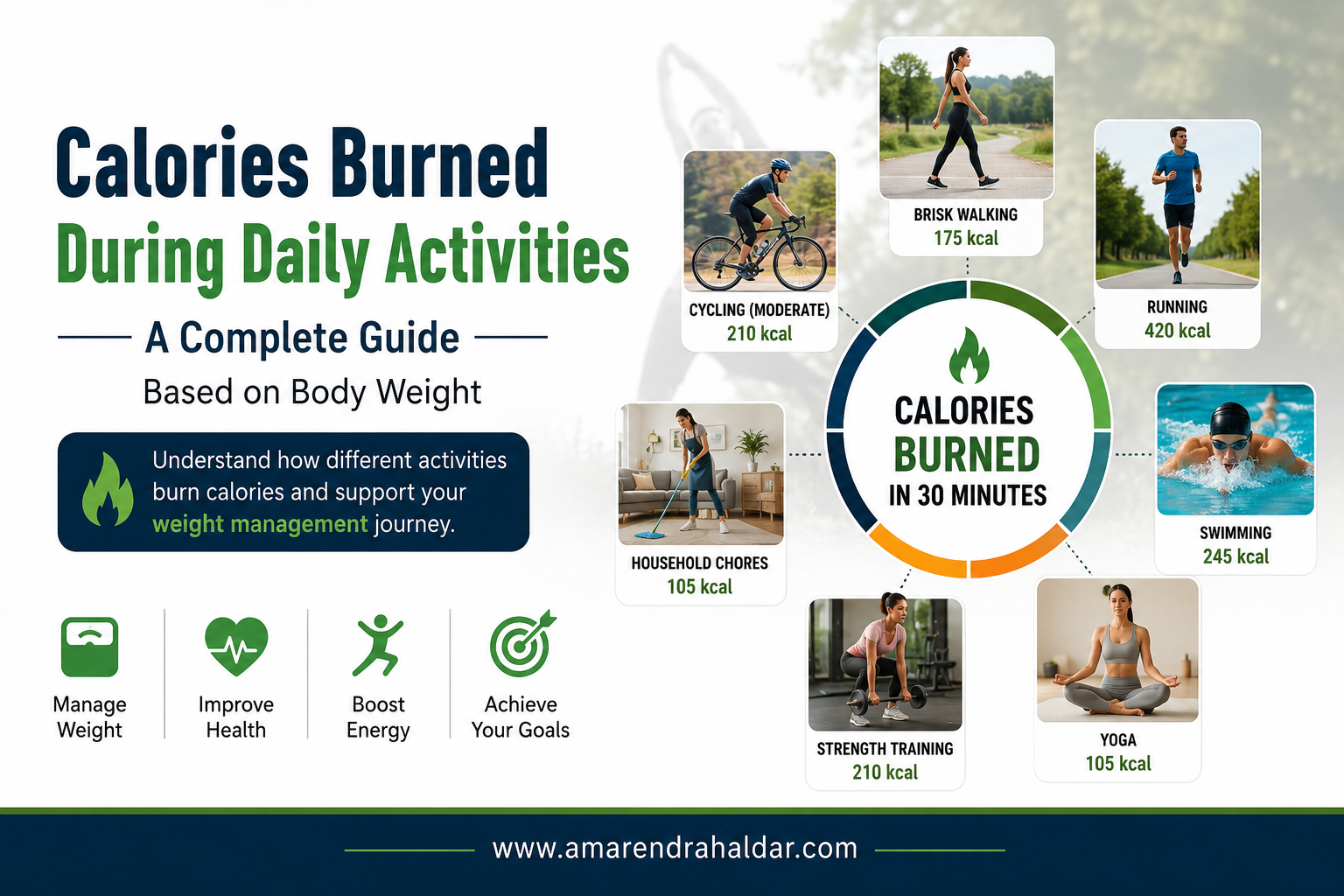
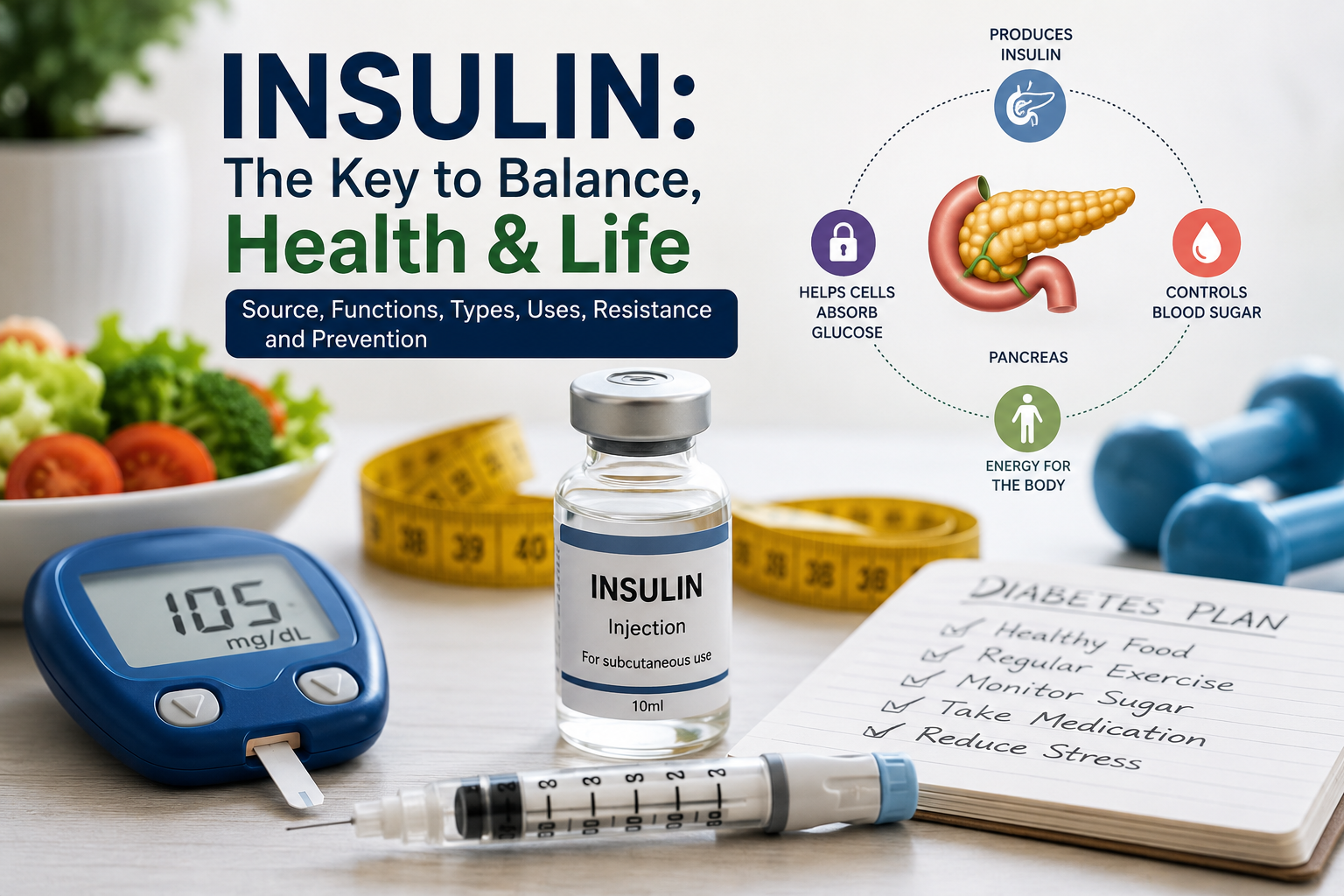
Insulin is one of those things our body depends on every single second, yet most people only hear about it when something goes wrong.
In simple terms, insulin is a hormone produced by the pancreas that controls how your body uses sugar (glucose) from the food you eat. Think of it as a key that unlocks your cells so glucose can enter and give you energy.
Without insulin, glucose stays in your blood, slowly damaging organs, nerves, and blood vessels. With too little or ineffective insulin, life itself becomes difficult to sustain.
In medical terms, insulin is also classified as a medication used in treating diabetes. Insulin plays a central role in managing blood sugar levels, especially in people whose bodies cannot produce enough of it naturally.
Where Does Insulin Come From?
Natural Source: The Pancreas
The pancreas is a small but powerful organ located behind the stomach. Inside it are special cells called beta cells, which produce insulin.
Here’s what happens in a healthy body:
- You eat food (especially carbohydrates)
- Food breaks down into glucose
- Blood sugar rises
- Pancreas releases insulin
- Cells absorb glucose for energy
- Blood sugar returns to normal
It is a beautifully balanced system, until it isn’t.
What is Synthetic Insulin? Why Do Diabetic Patients Need It?
In people with diabetes, this system breaks down.
There are two main problems:
- The pancreas produces very little insulin (or none at all).
- OR the body cannot use insulin properly.
To save lives, scientists created synthetic insulin, which mimics natural insulin.
Synthetic insulin is manufactured using biotechnology (often recombinant DNA technology), where bacteria or yeast are programmed to produce human insulin.
Why is it needed?
For people with:
- Type 1 Diabetes (no insulin production)
- Advanced Type 2 Diabetes (insulin deficiency or resistance)
Synthetic insulin becomes essential for survival.
Without it, blood sugar rises dangerously high, leading to complications like coma or organ failure.
Types of Insulin Used in Treatment
Insulin is not one-size-fits-all. It comes in different types based on how fast it works and how long it lasts.
1. Rapid-Acting Insulin
- Starts working in 10–20 minutes
- Used before meals
- Controls sugar spikes after eating
2. Short-Acting Insulin
- Starts in 30–60 minutes
- Used before meals
3. Intermediate-Acting Insulin
- Covers blood sugar for half a day or more
- Often used twice daily
4. Long-Acting Insulin
- Works for 24 hours or more
- Provides steady baseline insulin
5. Premixed Insulin
- Combination of short + intermediate
- Used for convenience in some patients
Each type is selected based on lifestyle, diet, and severity of diabetes.
How to Use Insulin (Basic Understanding)
Insulin is not taken like normal medicineit, requires proper technique and discipline.
Common Methods of Administration
- Insulin injections (most common)
- Subcutaneous (under the skin)
- Abdomen, thigh, or arm
- Insulin pens
- Easy, pre-filled devices
- More accurate dosing
- Insulin pumps
- Small electronic devices
- Deliver continuous insulin
Important Usage Principles
- Always follow doctor’s dosage
- Rotate injection sites to avoid lumps
- Store insulin properly (usually refrigerated)
- Monitor blood sugar regularly
Incorrect usage can lead to hypoglycemia (low sugar) or hyperglycemia (high sugar) both dangerous conditions.
What is Insulin Resistance?
Insulin resistance is one of the most critical modern health issues.
In this condition, the body still produces insulin, but cells stop responding properly to it.
Imagine insulin knocking on the cell door—but the door refuses to open.
So glucose stays in the blood, forcing the pancreas to produce even more insulin.
Over time:
- Pancreas becomes exhausted
- Blood sugar rises
- Type 2 diabetes develops
This condition is known as Insulin resistance.
Causes of Insulin Resistance
1. Excess body fat (especially abdominal fat)
Fat cells release hormones that interfere with insulin action.
2. Sedentary lifestyle
Lack of physical activity reduces glucose usage.
3. High sugar & processed food intake
Constant sugar spikes stress insulin response.
4. Chronic stress
Stress hormones like cortisol raise blood sugar.
5. Poor sleep
Sleep deprivation disrupts metabolic balance.
6. Genetics
Family history can increase risk.
Symptoms of Insulin Resistance
It develops slowly, often unnoticed:
- Fatigue after meals
- Weight gain (especially belly fat)
- Craving sugar frequently
- Difficulty losing weight
- High fasting blood sugar
- Dark patches on skin (neck, armpits)
Many people ignore these signs until diabetes develops.
How to Prevent Insulin Resistance
The good news: insulin resistance can often be prevented or reversed in early stages.
1. Eat Real, Whole Foods
- Vegetables
- Whole grains
- Lean proteins
- Healthy fats
Avoid:
- Sugary drinks
- Processed snacks
- Refined carbs
2. Move Your Body Daily
Even 30 minutes of walking improves insulin sensitivity.
3. Maintain Healthy Weight
Even a 5–10% weight loss significantly improves insulin response.
4. Manage Stress
- Meditation
- Deep breathing
- Yoga
Stress is a hidden driver of blood sugar imbalance.
5. Sleep Well
Aim for 7–8 hours of quality sleep.
6. Avoid Frequent Snacking
Give your body time to reset insulin levels.
Living with Diabetes: A New Normal, Not an End
For people using insulin therapy, life is not over, it is simply different.
Modern medicine has made it possible to:
- Live long lives
- Work normally
- Travel
- Exercise
- Even compete in sports
The key is discipline and awareness.
Conclusion
Insulin is one of the most powerful biological systems in the human body. Whether naturally produced or synthetically administered, it is essential for life.
Understanding insulin, insulin resistance, and prevention strategies is not just medical knowledge, it is survival knowledge in today’s world.
Small lifestyle changes today can prevent lifelong dependency tomorrow.
Sources
- World Health Organization (WHO) – Diabetes and metabolic disorders guidelines
- American Diabetes Association (ADA) – Standards of Medical Care in Diabetes
- National Institute of Diabetes and Digestive and Kidney Diseases (NIDDK)
- Mayo Clinic – Insulin therapy and diabetes management
- International Diabetes Federation (IDF) reports