

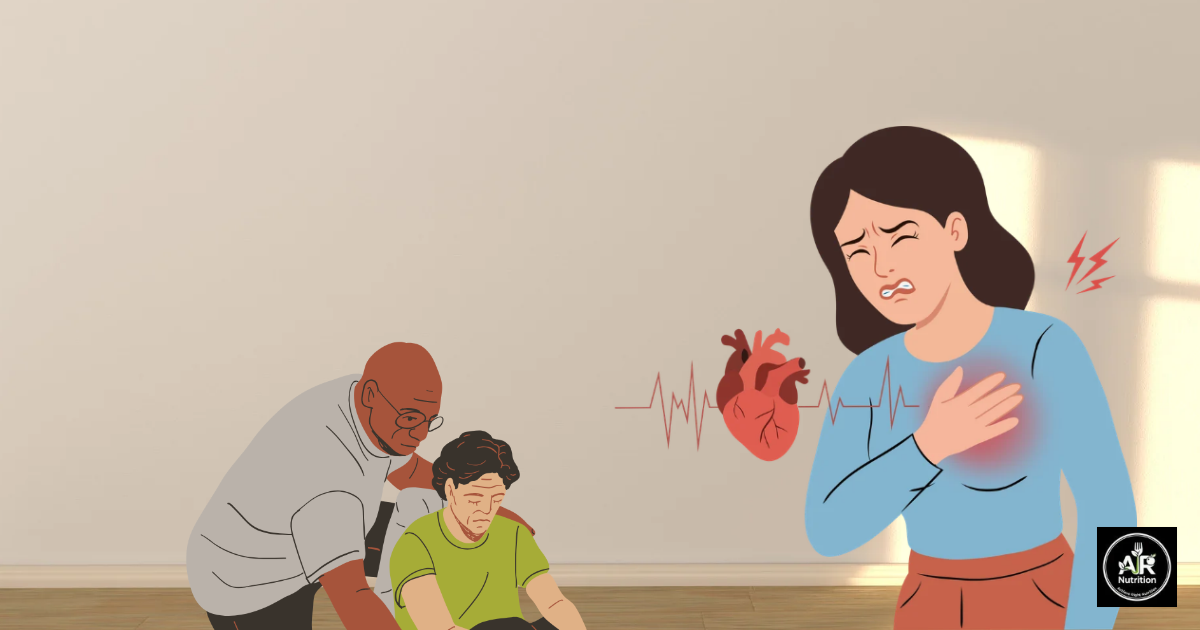
The rate of deaths due to heart disease is increasing day by day in India. A complete cure for every type of heart disease is not yet known, and treatment depends on the specific type and severity of the condition. Nowadays, heart disease can occur at almost any age.
Let us learn more about heart disease in today's discussion.
Different Types of Heart Diseases
Based on their causes and characteristics, heart diseases can be divided into different types.
Arrhythmia: Arrhythmia is an abnormal heart rhythm. Its symptoms depend on the type of arrhythmia and may include a very fast, very slow, or irregular heartbeat.
Atherosclerosis: Atherosclerosis can reduce blood supply to different parts of the body. Symptoms may include chest pain, shortness of breath, fatigue, and weakness or pain in the muscles of the legs.
Congenital Heart Defects: These are heart problems that develop while the fetus is developing in the womb. Some congenital heart defects may have no noticeable symptoms and may remain undetected, while others can be identified because of their symptoms.
Coronary Artery Disease (CAD): Coronary artery disease occurs when plaque builds up in the coronary arteries and reduces or blocks the flow of oxygen-rich blood to the heart muscle.
Cardiomyopathy: Cardiomyopathy is a condition in which the heart muscle becomes enlarged, thick, thickened, stiff, or weak, which can affect the heart's ability to pump blood effectively.
Heart Infections: Heart infections include conditions such as endocarditis and myocarditis.
Different Symptoms of Heart Disease
The number of people affected by heart disease continues to increase. In severe cases, heart disease can become life-threatening.
Know the Different Symptoms of Heart Disease
Chest pain, pressure or heaviness: When the heart does not receive enough blood, chest pain, pressure, or heaviness may occur. This can be associated with coronary artery disease, often due to plaque buildup in the arteries. Such symptoms should never be ignored.
High blood pressure or hypertension: High blood pressure increases the pressure against the walls of the arteries and can contribute to cardiovascular problems.
Persistent cough: A persistent cough may occur for several reasons. In some cases, heart-related problems can cause fluid to accumulate in the lungs, resulting in coughing. A persistent or unexplained cough should be evaluated by a healthcare professional.
Shortness of breath: Reduced cardiac function can cause breathing difficulties or a feeling of congestion in the chest, particularly when the heart cannot pump blood effectively.
Neck pain: Neck pain is commonly caused by posture, prolonged sitting, or muscle strain. However, unexplained or persistent pain accompanied by chest discomfort or other symptoms should be medically evaluated.
Bloating, nausea and chest discomfort: Particularly in women, heart-related problems may sometimes present with symptoms such as nausea, indigestion, bloating, or chest discomfort. Seek medical advice promptly when these occur with other warning signs.
Numbness, swelling or pain in the legs: These symptoms can occur with peripheral vascular disease and other circulatory problems. Reduced blood flow or fluid accumulation can cause swelling and discomfort in the legs.
Causes of Heart Disease
Heart disease can develop when the heart or blood vessels do not function properly or when blood flow to the heart is reduced. Unhealthy eating habits, physical inactivity, smoking, excess weight, stress, and certain medical conditions can increase the risk. Genetic and family factors can also play an important role.
Heart disease is not limited to older people. It can affect people at different ages depending on their risk factors and underlying conditions.
Different Causes of Different Types of Heart Disease
Arrhythmia: Possible causes include congenital heart defects, diabetes, high blood pressure, certain medications, smoking, and psychological or physical stress.
Atherosclerosis: An inactive lifestyle, unhealthy eating habits, weight gain, smoking, and other risk factors can contribute to the buildup of fatty deposits in blood vessel walls.
Congenital Heart Defects: Certain maternal health conditions, medications or exposures during pregnancy, and genetic factors may affect the development of the fetal heart.
Heart Infections: Heart infections may be caused by microorganisms such as bacteria, viruses, or parasites that reach the heart.
Cardiomyopathy: The exact cause is not always known. Possible causes may include genetic factors, certain medications, infections, metabolic conditions, or other underlying diseases.
Methods of Diagnosing Heart Disease
Heart disease can be identified through different medical examinations and tests. Sometimes people may have heart disease without obvious symptoms, and medical testing can help identify underlying problems.
Before undergoing a physical examination, tell your doctor about any symptoms you have experienced. Your doctor may ask about your personal and family medical history. Genetic factors can play an important role in some heart conditions. If someone in your close family has a history of heart disease, discuss it openly with your doctor.
Depending on the symptoms and suspected condition, doctors may recommend tests such as:
Electrocardiogram (ECG/EKG)
Echocardiogram (2D Echo)
Stress Test
Carotid Ultrasound
Holter Monitor
Tilt-Table Test
CT Scan
Heart MRI
Cardiac Catheterization
Coronary Angiography
Electrophysiology Study
Treatment of Heart Disease
Treatment generally depends on the type of heart disease and how advanced the condition is.
Three Main Approaches to Heart Disease Treatment
Healthy lifestyle: Replace unhealthy, high-fat eating habits with a balanced diet that includes vegetables, fruits, whole grains, legumes and other nutritious foods. Exercise regularly according to your doctor's advice, stop smoking, and avoid or limit alcohol. Make healthy habits part of your daily routine.
Medications: Depending on the condition, doctors may prescribe specific medicines. Medications can play an important role in controlling heart disease. The choice of medicine depends on the type of heart problem and the patient's overall health. Common categories include beta-blockers, blood thinners, calcium channel blockers, and ACE inhibitors.
Surgery or procedures: In some cases, surgery or other medical procedures may be necessary to improve blood flow or treat structural problems. When an artery is severely narrowed or blocked by plaque, procedures may be used to restore blood flow.
How to Reduce the Risk of Heart Disease
Some risk factors, such as family history, cannot be changed. However, many lifestyle-related risk factors can be controlled.
Ways to Help Prevent Heart Disease
Maintain healthy cholesterol and blood pressure levels. Diabetes, high blood pressure, and high cholesterol are important cardiovascular risk factors, so they should be properly managed. Maintaining a healthy body weight is also important.
Choose a healthy lifestyle. Eat a balanced diet, exercise regularly, avoid smoking and alcohol, and limit fast food and foods high in added sugar.
Manage stress. Try to maintain a balanced lifestyle and regularly practice relaxation techniques that help you manage stress.
Important: If you experience severe or sudden chest pain, difficulty breathing, fainting, or other symptoms of a possible heart attack, seek emergency medical care immediately. This article is for general information and does not replace medical diagnosis or treatment.











💬 Comments (0)
Be respectful. Website links and phone numbers are not allowed.