
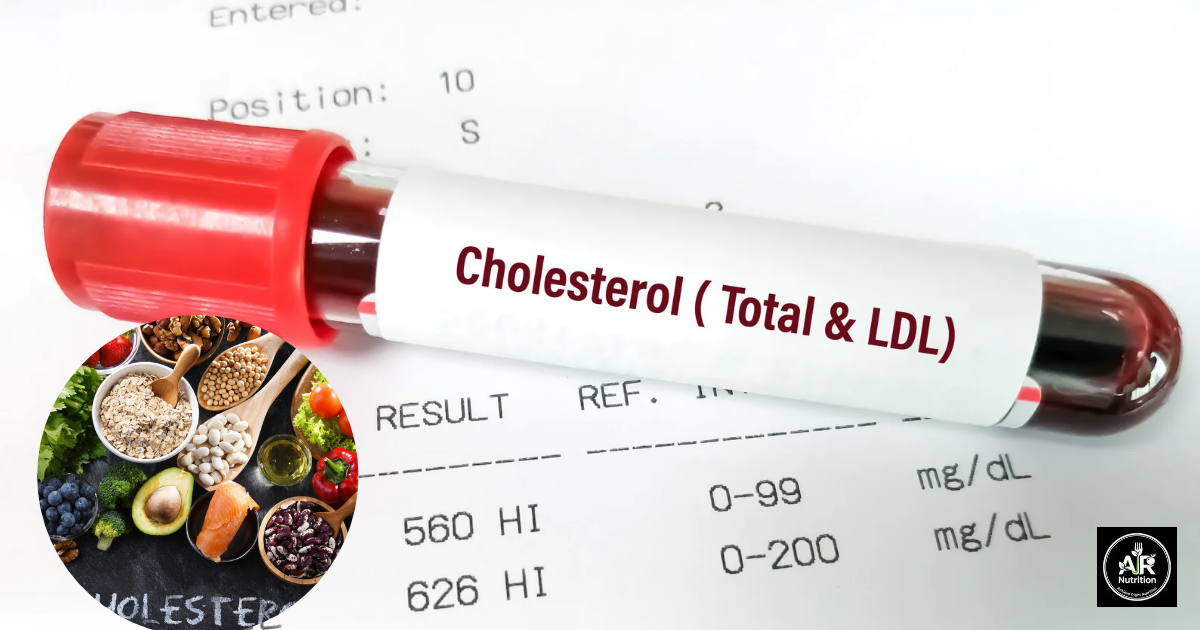
Cholesterol is a type of fat-like, waxy substance that is naturally present in our body. It is an important component of cell membranes and plays a role in the production of hormones and other essential substances.
Our liver naturally produces cholesterol, and cholesterol is transported through the bloodstream with the help of lipoproteins. Eating a diet high in saturated and trans fats can contribute to increased levels of LDL cholesterol in the blood. Excess LDL can contribute to plaque buildup in the walls of arteries, which may reduce blood flow and increase the risk of cardiovascular diseases, heart attack and stroke.
Types of Cholesterol
There are different types of lipoproteins that transport cholesterol in the blood. The two commonly discussed types are:
LDL - Low-Density Lipoprotein
LDL is commonly called “bad cholesterol.” When LDL levels are too high, cholesterol can contribute to plaque buildup inside the arteries. Over time, this may increase the risk of heart disease and stroke.
HDL - High-Density Lipoprotein
HDL is commonly known as “good cholesterol.” HDL helps transport cholesterol away from the bloodstream and tissues toward the liver, where it can be processed and removed from the body.
Cholesterol itself is not completely harmful. The body needs cholesterol for cell membranes and for producing steroid hormones. The concern is mainly when cholesterol levels, particularly LDL, become too high or when a person has other cardiovascular risk factors.
What Should Normal Cholesterol Levels Be?
Cholesterol targets can vary depending on age, health condition and overall cardiovascular risk. General adult reference values commonly used in lipid testing include:
HDL: 50 mg/dL or higher is generally considered desirable, although the optimal level can vary.
LDL: Lower levels are generally better, particularly for people at higher cardiovascular risk.
VLDL: Usually below 30 mg/dL.
Triglycerides (TG): Below 150 mg/dL is generally considered desirable.
For LDL cholesterol, commonly used categories are:
Below 100 mg/dL: Optimal
100-129 mg/dL: Near optimal
130-159 mg/dL: Borderline high
160-189 mg/dL: High
190 mg/dL or above: Very high
However, these numbers should not be interpreted in isolation. A doctor may recommend a lower LDL target for people with diabetes, existing heart disease, previous stroke or other cardiovascular risk factors.
High LDL cholesterol can contribute to the development of atherosclerosis, in which plaque builds up inside the arteries. Family history can also play an important role, so high cholesterol is not always caused by an unhealthy lifestyle alone.
Why Does Cholesterol Increase?
There are several possible reasons for high cholesterol.
1. Diet
Some foods naturally contain dietary cholesterol, such as eggs and seafood. However, dietary cholesterol does not affect blood cholesterol in everyone in the same way.
Foods high in saturated fat and trans fat are more important dietary contributors to increased LDL cholesterol. Examples include fatty cuts of meat, processed foods, some hard cheeses, pastries, cakes, cookies and other bakery products.
2. Smoking and Alcohol
Smoking can damage blood vessels and increase cardiovascular risk. Excessive alcohol consumption can also contribute to abnormal triglyceride levels and other health problems.
Therefore, avoiding smoking and limiting alcohol consumption can be an important part of maintaining cardiovascular health.
3. Family History
Genetics can also influence cholesterol levels. Some people have inherited conditions that cause very high LDL cholesterol even when they follow a healthy lifestyle.
Symptoms of High Cholesterol
One important fact about high cholesterol is that it usually does not cause obvious symptoms. Many people only discover that they have high cholesterol after having a blood test.
Chest pain, leg pain while walking, stroke symptoms or other problems are not usually direct symptoms of high cholesterol itself. They may occur because of cardiovascular disease or reduced blood flow that has developed over time.
Some people with very high cholesterol, particularly those with inherited conditions, may develop cholesterol deposits such as xanthomas or yellowish deposits around the eyes.
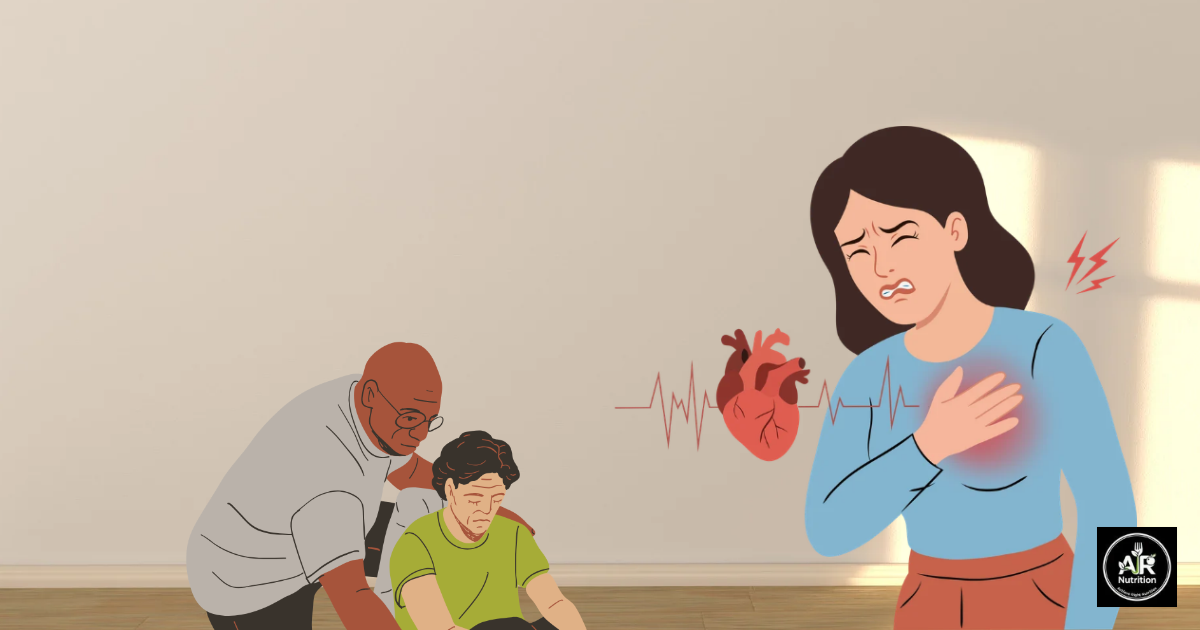
If you experience chest pain, sudden weakness or numbness, difficulty speaking, facial drooping or other symptoms of a possible heart attack or stroke, seek emergency medical attention immediately.
Easy Ways to Help Control LDL Cholesterol
Eat More Fiber-Rich Foods
Foods rich in soluble fiber can help improve cholesterol levels. Include foods such as:
Oats
Barley
Beans and lentils
Fruits
Vegetables
Whole grains
Nuts and seeds
Choose Healthy Fats
Replace foods high in saturated fat with sources of unsaturated fats where possible.
Good choices include:
Almonds
Peanuts
Walnuts
Seeds
Avocado
Vegetable oils rich in unsaturated fats
Eat More Fruits and Vegetables
Fruits and vegetables provide fiber and various beneficial nutrients. Grapes and other fruits can be part of a balanced diet, but no single fruit should be considered a treatment for high cholesterol.
Garlic and Onion
Garlic and onion can be included as part of a healthy diet. However, there is not enough evidence to recommend eating a specific number of garlic cloves every day as a treatment for high LDL cholesterol.
Oats
Oats contain beta-glucan, a type of soluble fiber that can help lower LDL cholesterol when consumed regularly as part of a healthy diet.
Green Tea
Green tea contains antioxidants and can be included as a healthy beverage. However, it should not be considered a replacement for prescribed cholesterol treatment or a balanced diet.
Exercise Regularly
Regular physical activity can improve cardiovascular health and may help improve cholesterol and triglyceride levels.
Walking, jogging, cycling, swimming or other moderate physical activities can be incorporated into your daily routine according to your fitness level.
Avoid Excessive Fried and Processed Foods
Reduce foods high in saturated fat, trans fat, excess salt and calories. Limit fast food, deep-fried foods, processed snacks, cookies, crackers, pastries and other highly processed foods.
Eat a Fiber Rich Breakfast
Instead of regularly skipping breakfast, choose a nutritious meal containing fiber and protein. Options such as oats, whole grains, fruits, nuts and seeds can help make breakfast more balanced.
However, simply eating breakfast does not automatically lower cholesterol. The overall quality of the diet is more important.
Stay Active Throughout the Day
Try to avoid sitting continuously for long periods. Take short movement breaks during the day and include regular walking or other physical activity.
Does the Body Need LDL Cholesterol?
LDL cholesterol is often described simply as “bad cholesterol,” but cholesterol itself is essential for normal body functions.
The body needs cholesterol for cell membranes and the production of steroid hormones. The liver produces cholesterol, and lipoproteins transport it throughout the body.
Therefore, the goal is not to eliminate cholesterol completely. The goal is to maintain healthy lipid levels, particularly keeping LDL at an appropriate level for your individual cardiovascular risk.
How Often Should You Check Your Cholesterol?
A lipid profile can measure total cholesterol, LDL cholesterol, HDL cholesterol and triglycerides.
How often you need testing depends on your age, health status, medications and cardiovascular risk. Some people may need more frequent monitoring, while others may not need testing every three months.
Follow the testing schedule recommended by your doctor or healthcare professional.
Final Words
High cholesterol is not caused only by an unhealthy lifestyle. Genetics, age, certain medical conditions, medications and dietary habits can all influence cholesterol levels.
A balanced diet rich in fiber, regular physical activity, maintaining a healthy weight, avoiding smoking and limiting excessive alcohol consumption can support healthy cholesterol levels.
If your LDL cholesterol is high, do not rely only on home remedies or individual foods. Get a lipid profile and discuss your results with a qualified healthcare professional. Depending on your cardiovascular risk, lifestyle changes and, when necessary, medication may be recommended.








💬 Comments (0)
Be respectful. Website links and phone numbers are not allowed.