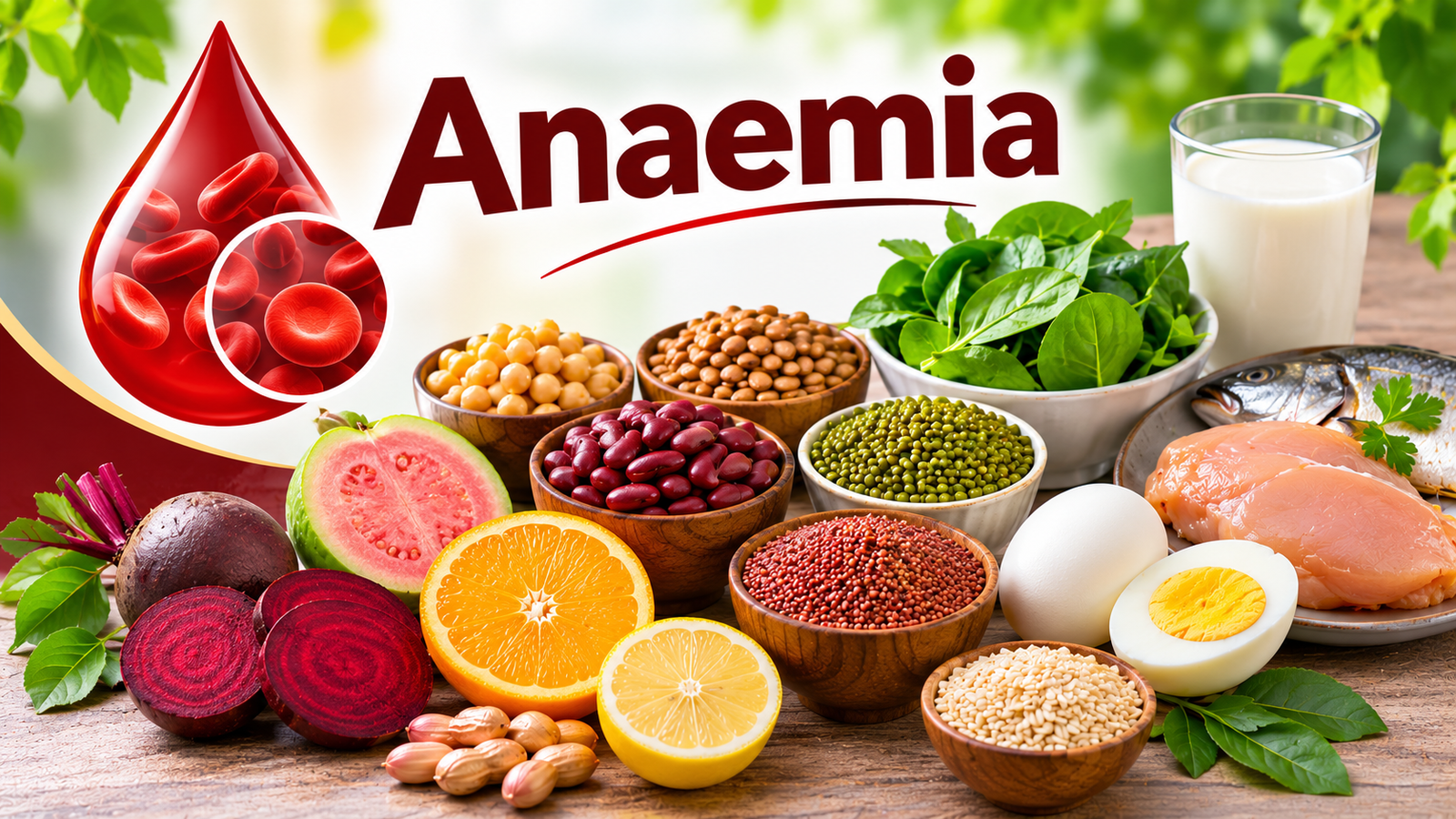
Anemia is a common health condition in which the body has fewer healthy red blood cells or a lower-than-normal hemoglobin level. Hemoglobin is a protein in red blood cells that carries oxygen from the lungs to different parts of the body. When hemoglobin is low, the body's tissues may not receive enough oxygen, leading to tiredness, weakness, dizziness and reduced physical performance.
Iron deficiency is one of the most common nutritional causes of anemia. However, a lack of vitamin B12, folate and other nutrients, blood loss, infections, chronic diseases and inherited blood disorders can also cause it.
A balanced diet, timely diagnosis and appropriate treatment can help prevent and manage many forms of anemia.
What Is Anemia?
Anemia is a condition in which the hemoglobin concentration or number of healthy red blood cells is below the normal range for a person's age, sex and physiological condition.
Red blood cells contain hemoglobin, which binds to oxygen in the lungs and transports it throughout the body. If hemoglobin levels become too low, oxygen delivery to body tissues can decrease.
Anemia is not a disease with only one cause. It is often a sign of an underlying nutritional deficiency, blood loss, infection or medical condition. Therefore, identifying the cause is essential before starting treatment.
Anemia in India: Why Is It a Concern?
Anemia remains an important public health concern in India, particularly among children, adolescent girls, women of reproductive age and pregnant women.
According to Indias National Family Health Survey-5 (2019-21), anemia was reported in:
67.1% of children aged 6-59 months.
59.1% of adolescent girls.
57.0% of women aged 15-49 years.
52.2% of pregnant women aged 15-49 years.
25.0% of men aged 15-49 years.
These figures show why awareness, screening, nutrition education and appropriate medical care are important. They are NFHS-5 estimates, not a measurement of the current prevalence in 2026.
Types of Anemia
Anemia can be classified according to its underlying cause.
1. Iron Deficiency Anemia
Iron deficiency anemia occurs when the body does not have enough iron to produce adequate hemoglobin.
Common causes include:
Inadequate intake of iron-rich foods.
Heavy menstrual bleeding.
Blood loss due to gastrointestinal conditions.
Increased iron requirements during pregnancy and growth.
Poor absorption of iron.
Certain parasitic infections.
It is one of the most common nutritional forms of anemia.
2. Vitamin B12 Deficiency Anemia
Vitamin B12 is required for normal red blood cell production and healthy nervous system function.
A deficiency can cause the production of unusually large red blood cells, resulting in megaloblastic anemia.
Possible causes include:
Low intake of vitamin B12.
Strict vegetarian or vegan diets without reliable B12 sources or supplementation.
Poor absorption due to certain stomach or intestinal conditions.
Certain medications or medical conditions.
Vitamin B12 deficiency may also cause tingling, numbness, balance difficulties and other neurological symptoms.
3. Folate Deficiency Anemia
Folate, also known as vitamin B9, is important for DNA synthesis and red blood cell formation.
A deficiency may occur due to:
Low intake of green leafy vegetables and legumes.
Increased requirements during pregnancy.
Poor absorption.
Certain medical conditions or medications.
Excessive alcohol consumption.
Folate deficiency can cause megaloblastic anemia.
4. Anemia of Chronic Disease
Certain long-term health conditions can affect the body's ability to produce red blood cells or use stored iron.
Examples include:
Chronic kidney disease.
Long-term infections.
Autoimmune and inflammatory diseases.
Some cancers.
This type of anemia requires management of the underlying condition.
5. Aplastic Anemia
Aplastic anemia is a rare but serious condition in which the bone marrow does not produce enough blood cells. It can affect red blood cells, white blood cells and platelets.
It requires specialist medical assessment and treatment.
6. Hemolytic Anemia
Hemolytic anemia occurs when red blood cells are destroyed faster than the body can replace them.
It may be associated with inherited conditions, autoimmune disorders, infections or certain medications.
7. Inherited Anemia
Some inherited blood disorders affect hemoglobin production or red blood cell structure.
Examples include:
Thalassemia.
Sickle cell disease.
Other hemoglobin disorders.
People with these conditions may need specialist care. Iron supplements should not be taken unless iron deficiency has been confirmed.
Common Causes of Anemia
The causes of anemia vary from person to person. Some of the major causes include:
1. Poor Dietary Intake
A diet that regularly lacks iron, vitamin B12, folate and other essential nutrients may increase the risk of nutritional anemia.
2. Heavy Menstrual Bleeding
Women who experience heavy or prolonged menstrual bleeding may lose significant amounts of blood and iron.
3. Pregnancy
During pregnancy, the body's blood volume increases and iron requirements rise to support the mother and developing baby.
4. Gastrointestinal Blood Loss
Bleeding from the stomach or intestines may cause iron deficiency. Possible causes include ulcers, certain intestinal conditions and other gastrointestinal disorders.
5. Poor Nutrient Absorption
Some digestive conditions and gastrointestinal surgeries can reduce the absorption of iron, vitamin B12 or folate.
6. Chronic Diseases and Infections
Kidney disease, chronic inflammation, tuberculosis and certain other infections may contribute to anemia.
7. Parasitic Infections
Hookworm and other parasitic infections can contribute to blood loss and anemia in affected populations.
Symptoms of Anemia
The symptoms depend on the severity of anemia, how quickly it develops and the underlying cause. Mild anemia may produce no noticeable symptoms.
Common symptoms include:
Persistent tiredness and weakness.
Dizziness or light-headedness.
Headaches.
Pale skin or pale inner eyelids.
Shortness of breath, especially during physical activity.
Rapid heartbeat or palpitations.
Cold hands and feet.
Reduced concentration.
Poor exercise tolerance.
Some symptoms may suggest a particular deficiency:
Iron deficiency may be associated with:
Brittle nails.
Hair shedding.
Soreness of the tongue.
Cracks at the corners of the mouth.
Unusual cravings for non-food substances, such as ice or pica.
Vitamin B12 deficiency may be associated with:
Tingling or numbness in the hands and feet.
Balance problems.
Memory or concentration difficulties.
Soreness of the tongue.
These symptoms are not enough to confirm a diagnosis. A blood test and medical assessment are needed.
Iron-Rich Foods to Help Prevent Iron Deficiency
Diet plays an important role in preventing and managing iron deficiency. Indian diets can include a variety of plant-based and animal-based iron sources.
1. Green Leafy Vegetables
Examples include:
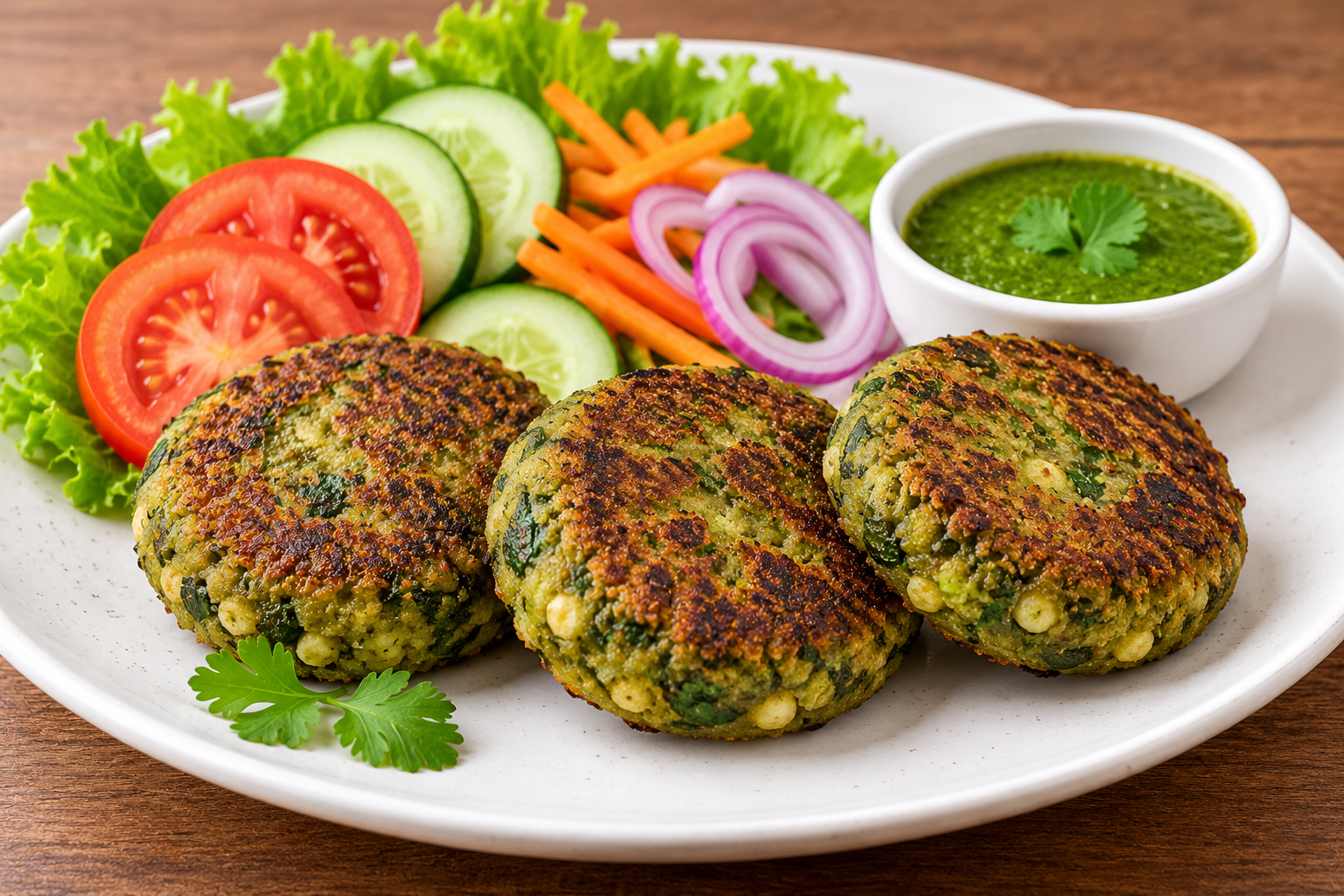
Spinach (palak).
Amaranth leaves (chaulai).
Moringa leaves (drumstick leaves).
Fenugreek leaves (methi).
Mustard greens (sarson).
These vegetables provide iron along with folate, fibre and other nutrients.
2. Pulses and Legumes
Include:
Lentils (dal).
Chickpeas (chana).
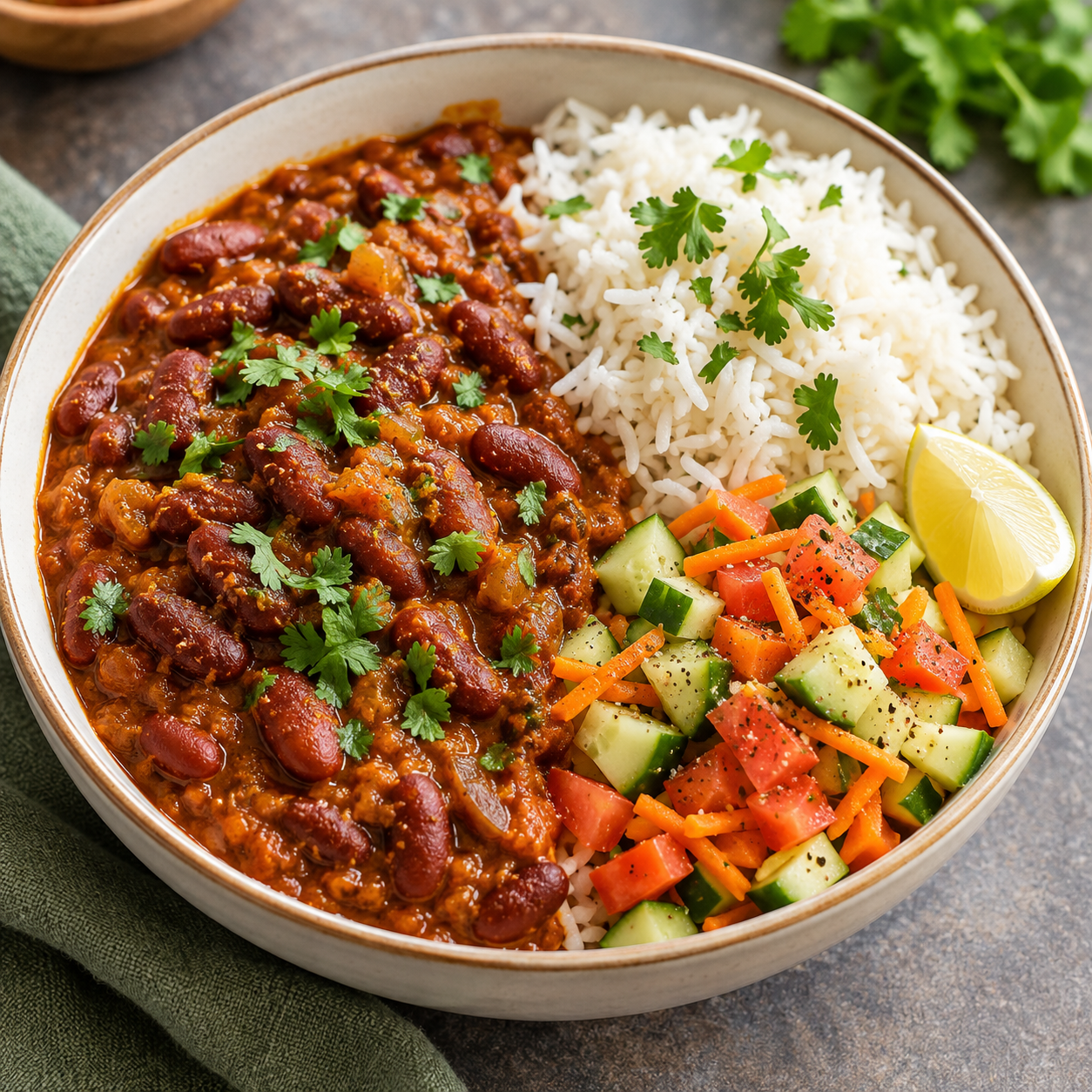
Kidney beans (rajma).
Black gram (urad dal).
Green gram (moong).
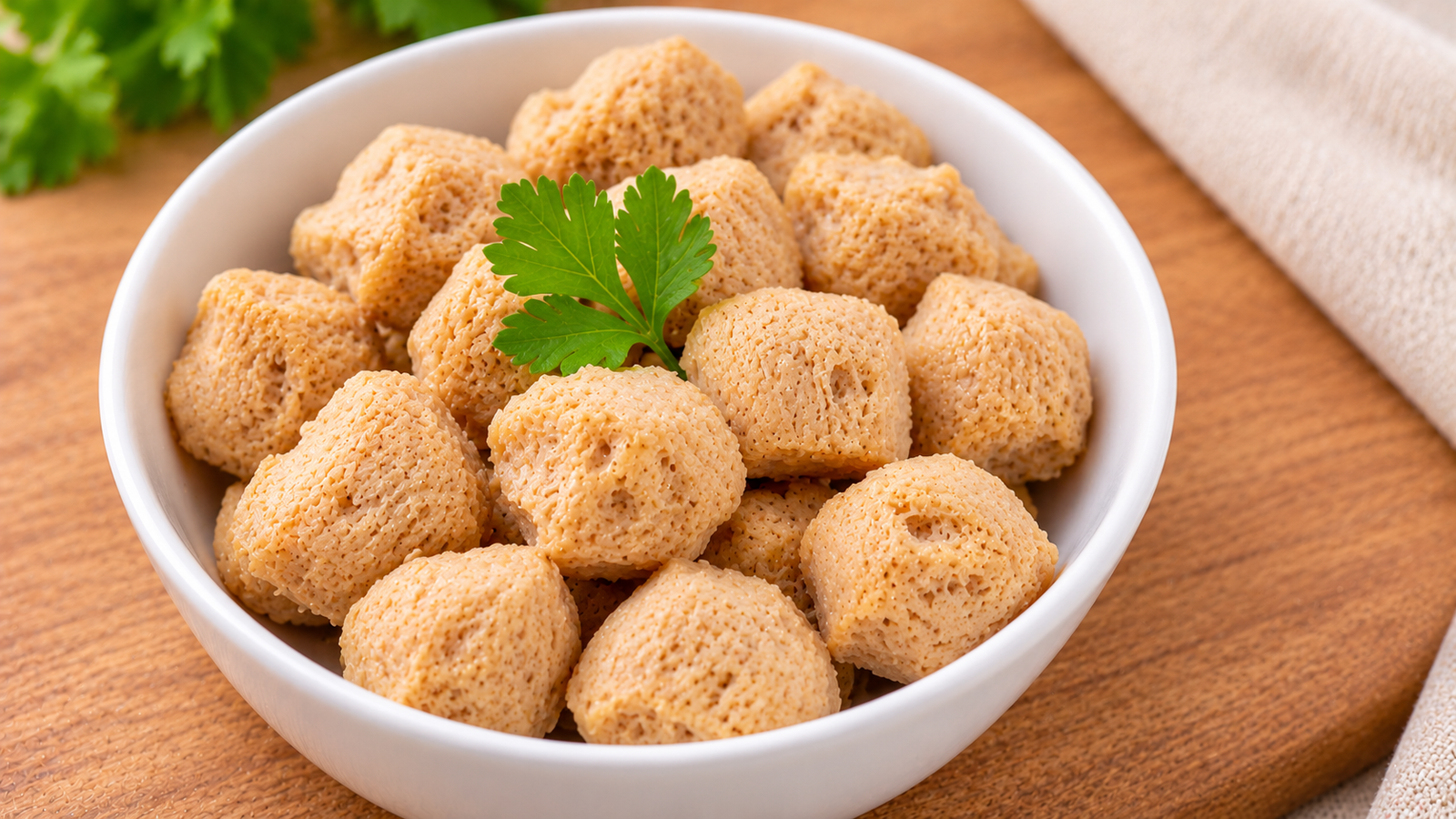
Soybeans.
Black-eyed peas (lobia).
Pulses are useful sources of plant-based iron and protein.
3. Nuts and Seeds
Some useful options include:
Sesame seeds (til).
Pumpkin seeds.
Peanuts.
Almonds.
Cashews.
Sunflower seeds.
They also provide healthy fats, protein and other minerals.
4. Whole Grains and Millets
Include a variety of:
Ragi.
Bajra.
Jowar.
Whole wheat.
Oats.
Fortified cereals.
Their nutrient content varies with the food and processing method.
5. Animal-Based Foods
For people who consume animal foods, useful sources include:
Meat.
Fish.
Chicken.
Shellfish.
Liver.
Iron from meat and seafood is generally more readily absorbed than iron from plant foods. Liver is rich in nutrients but should be avoided during pregnancy unless specifically advised by a healthcare professional because of its high preformed vitamin A content.
Vitamin C: An Important Partner for Iron Absorption
Plant foods contain non-hem iron, which is generally less readily absorbed than hem iron from animal foods.
Vitamin C can improve the absorption of non-hem iron when eaten as part of the same meal.
Good vitamin C sources include:
Amla.
Guava.
Lemon.
Orange.
Sweet lime (mosambi).
Tomatoes.
Capsicum.
Papaya.
Practical meal combinations:
Dal with lemon juice.
Chana salad with tomato and lemon.
Palak dal with a guava.
Sprouts chaat with lemon.
Ragi roti with vegetable salad.
Adding a vitamin C-rich food to an iron-containing meal is a simple dietary strategy.
Foods and Habits That May Reduce Iron Absorption
Certain dietary components can reduce the absorption of non-hem iron.
Tea and Coffee
Tea and coffee contain polyphenols that can reduce iron absorption when consumed with meals.
Tip: Avoid drinking tea or coffee with iron-rich meals. Keep them separate from meals, especially if you are managing iron deficiency.
High-Calcium Foods and Supplements
Calcium may reduce iron absorption when consumed at the same time in certain circumstances. If you have been prescribed both iron and calcium supplements, ask your healthcare professional how to space them.
Phytates
Phytates occur naturally in foods such as whole grains, legumes, nuts and seeds. They can reduce non-hem iron absorption.
Soaking, sprouting and fermenting foods may help reduce phytate levels and improve mineral availability.
This does not mean that whole grains or pulses should be avoided. They are valuable parts of a balanced diet.
Role of Vitamin B12 and Folate in Preventing Anemia
Iron is not the only nutrient required for healthy red blood cell production.
Vitamin B12 Sources
Milk.
Curd.
Paneer.
Eggs.
Fish.
Meat.
Vitamin B12-fortified foods.
People following strict vegetarian or vegan diets may need fortified foods or supplementation to meet their vitamin B12 requirements.
Folate Sources
Spinach.
Methi leaves.
Other green leafy vegetables.
Lentils.
Chickpeas.
Beans.
Peanuts.
Citrus fruits.
A varied diet helps provide these nutrients. However, confirmed deficiencies may require specific treatment.
How Is Anemia Diagnosed?
Anemia cannot be reliably diagnosed from symptoms alone. A healthcare professional may recommend the following tests based on the person's symptoms and medical history.
1. Complete Blood Count (CBC)
A CBC is commonly used to evaluate:
Hemoglobin.
Red blood cell count.
Hematocrit.
Mean corpuscular volume (MCV).
Other red blood cell indices.
These results help identify whether anemia is present and may suggest its type.
2. Serum Ferritin
Ferritin gives an indication of the body's stored iron.
Low ferritin commonly supports a diagnosis of iron deficiency. However, ferritin can increase during inflammation or infection, so results should be interpreted in context.
3. Iron Profile
Depending on the situation, a doctor may recommend:
Serum iron.
Total iron-binding capacity (TIBC).
Transferrin saturation.
These tests help assess iron status.
4. Vitamin B12 Test
This may be recommended when vitamin B12 deficiency is suspected, especially if there are neurological symptoms or a relevant dietary or medical history.
5. Folate Test
Folate testing may be recommended when folate deficiency is suspected.
6. Additional Tests
Depending on the suspected cause, further investigations may include kidney function tests, thyroid tests, tests for infections, stool investigations or evaluation for blood loss.
Sample Indian Diet Plan for Supporting Healthy Hemoglobin
The following is an illustrative food plan for a generally healthy adult. It is not a prescribed treatment plan for diagnosed anemia.
| Meal | Food options |
|---|---|
| Early morning | Water and one amla or guava |
| Breakfast | Vegetable poha with peanuts and lemon |
| Mid-morning | Seasonal fruit |
| Lunch | Roti or rice, dal, palak vegetable and salad with lemon |
| Evening snack | Roasted chana or sprouts chaat |
| Dinner | Roti, rajma or chana, and mixed vegetables |
| Bedtime | Milk or curd at a separate time from prescribed iron supplements |
Adjust portions and food choices according to age, activity, dietary preferences, medical conditions and individual nutritional requirements.
Treatment of Anemia
Treatment depends on the underlying cause. Improving the diet alone may not be sufficient.
1. Iron Supplementation
Iron supplements may be prescribed when iron deficiency is confirmed. The type, dose and duration depend on the person's condition and response to treatment.
Taking unnecessary iron supplements can be harmful, particularly in people with iron overload or certain inherited blood disorders.
2. Vitamin B12 Supplementation
Vitamin B12 tablets or injections may be required depending on the severity and cause of deficiency, including whether absorption is impaired.
3. Folic Acid Supplementation
Folic acid may be prescribed for confirmed folate deficiency. Vitamin B12 deficiency should be considered before treating suspected folate deficiency with folic acid alone, because folic acid may improve the blood count while neurological damage from B12 deficiency continues.
4. Treatment of the Underlying Cause
If anemia is caused by heavy menstrual bleeding, gastrointestinal blood loss, chronic kidney disease, infection or another medical condition, that cause also needs attention.
5. Hospital-Based Treatment
Severe anemia or anemia with serious symptoms may require urgent medical care. Depending on the situation, treatment may include intravenous iron or a blood transfusion.
Practical Tips to Prevent Anemia
Include iron-rich foods in your regular diet.
Combine plant-based iron sources with vitamin C-rich fruits and vegetables.
Eat a variety of pulses, legumes, nuts, seeds and green leafy vegetables.
Include reliable sources of vitamin B12.
Avoid tea and coffee with iron-rich meals.
Do not ignore heavy or prolonged menstrual bleeding.
Seek medical advice if you experience persistent tiredness, dizziness or breathlessness.
Get tested when advised, particularly during pregnancy or when risk factors are present.
Follow prescribed iron, folic acid or vitamin B12 treatment.
Do not self-medicate with high-dose supplements.
Frequently Asked Questions (FAQs)
1. What is the most common nutritional cause of anemia?
Iron deficiency is one of the most common nutritional causes of anemia. However, vitamin B12 and folate deficiencies can also cause anemia.
2. Which Indian foods are rich in iron?
Some useful options include lentils, chickpeas, rajma, soybeans, ragi, bajra, sesame seeds, pumpkin seeds and green leafy vegetables. Meat and seafood also provide iron.
3. Does lemon increase iron absorption?
Yes. Lemon contains vitamin C, which can improve the absorption of non-hem iron from plant foods when consumed with the meal.
4. Can vegetarians develop anemia?
Yes. Vegetarians can develop anemia due to inadequate iron intake, vitamin B12 deficiency, folate deficiency, blood loss or other medical conditions. A well-planned vegetarian diet and appropriate testing are important.
5. Can beetroot cure anemia?
Beetroot contains nutrients and can be part of a balanced diet, but eating beetroot alone does not cure anemia. The cause of anemia must be identified and treated.
6. Is spinach good for anemia?
Spinach provides iron and folate. However, its iron is non-hem iron, and its absorption is affected by other dietary components. Combine it with vitamin C-rich foods as part of a varied diet.
7. How long does it take to recover from iron deficiency anemia?
Recovery time varies depending on the severity of deficiency, the cause, treatment and individual response. Hemoglobin may improve over weeks, but replenishing iron stores can take longer. Follow-up blood tests may be needed.
8. Can anemia cause hair fall?
Iron deficiency may contribute to hair shedding in some people. However, hair fall has many possible causes, so it should not automatically be attributed to anemia.
9. Is anemia dangerous?
Mild anemia may cause limited symptoms, but severe or untreated anemia can affect the heart, physical function, pregnancy outcomes and child development. Seek medical assessment rather than ignoring symptoms.
10. Which test confirms anemia?
A complete blood count (CBC), including hemoglobin, is commonly used to identify anemia. Additional tests such as serum ferritin, vitamin B12 and folate may help determine its cause.
Conclusion
Anemia is a common but important health condition that can affect energy levels, concentration, physical performance and overall well-being. Iron deficiency is a major nutritional cause, but vitamin B12 deficiency, folate deficiency, blood loss, chronic diseases and inherited conditions can also contribute.
A balanced Indian diet containing pulses, legumes, green leafy vegetables, millets, nuts, seeds and vitamin C-rich fruits can support healthy nutrition and help prevent some forms of anemia. However, diet alone may not correct an established deficiency.
If you experience persistent tiredness, dizziness, pale skin or breathlessness, consult a healthcare professional and get the appropriate blood tests. Identifying the cause is the first step towards effective treatment.
Medical disclaimer: This article is for general educational purposes and is not a substitute for medical diagnosis or treatment. Do not start iron supplements without appropriate medical advice, as not all forms of anemia are caused by iron deficiency.
References
World Health Organization (WHO) - Anemia: https://www.who.int/news-room/fact-sheets/detail/anaemia
ICMR-National Institute of Nutrition - Dietary Guidelines for Indians, 2024: https://www.nin.res.in/dietaryguidelines/
Ministry of Health and Family Welfare, Government of India - India Fight Against Anemia, 2025.
National Family Health Survey (NFHS-5), 2019-21.



💬 Comments (0)
Be respectful. Website links and phone numbers are not allowed.