
Vitamin D is an essential fat soluble vitamin that plays an important role in maintaining healthy bones, supporting calcium absorption, regulating phosphorus levels and maintaining normal muscle function. It is commonly known as the sunshine vitamin because the human body can produce it when the skin is exposed to ultraviolet B (UVB) radiation from sunlight.
Although India receives abundant sunshine throughout the year, vitamin D deficiency remains an important nutritional and public health concern. Indoor lifestyles, air pollution, limited sun exposure, skin pigmentation, dietary habits and inadequate consumption of vitamin D rich foods may contribute to poor vitamin D status.
Vitamin D is particularly important during childhood, adolescence, pregnancy, breastfeeding and older adulthood because these stages involve important changes in bone development and maintenance.
Understanding the functions, food sources, recommended daily intake and deficiency symptoms of vitamin D can help individuals make informed nutritional and lifestyle choices.
1. What Is Vitamin D?
Vitamin D is a fat soluble vitamin that helps the body maintain calcium and phosphorus balance. These minerals are essential for healthy bones and teeth.
There are two major forms of vitamin D:
A. Vitamin D2 (Ergocalciferol)
Vitamin D2 is primarily obtained from certain plant and fungal sources.
Common sources include:
UV-exposed mushrooms
Certain fortified foods
Vitamin D2 supplements
B. Vitamin D3 (Cholecalciferol)
Vitamin D3 is produced in the skin following exposure to UVB sunlight. It is also found in some animal-based foods.
Common sources include:
Fatty fish
Egg yolk
Fish liver oils
Fortified milk and dairy products
Vitamin D3 supplements
Both forms can contribute to vitamin D status after being metabolised by the body. Vitamin D is initially processed in the liver and subsequently activated in the kidneys.
2. Important Functions and Health Benefits of Vitamin D
Vitamin D performs several important functions in the human body.
2.1 Supports Bone Health
One of the most important functions of vitamin D is maintaining healthy bones.
It helps the intestine absorb calcium and phosphorus from food. These minerals are essential for normal bone mineralisation and skeletal development.
Adequate vitamin D supports:
Normal bone growth
Bone mineralisation
Maintenance of bone strength
Prevention of nutritional rickets in children
Prevention of osteomalacia in adults
Insufficient vitamin D can interfere with calcium absorption and negatively affect bone health.
2.2 Helps Maintain Calcium Absorption
Vitamin D regulates calcium absorption in the intestine and contributes to maintaining normal blood calcium levels.
Calcium is required for:
Bone and teeth formation
Muscle contraction
Nerve transmission
Normal blood clotting
Vitamin D and calcium work together to support healthy bones and normal physiological functions.
2.3 Supports Muscle Function
Vitamin D contributes to normal muscle function.
Inadequate vitamin D status may be associated with muscle weakness and discomfort, particularly in individuals with significant deficiency.
Adequate vitamin D intake, along with sufficient protein, calcium and physical activity, supports overall musculoskeletal health.
2.4 Supports Immune Function
Vitamin D plays a role in regulating immune system activity.
Vitamin D receptors are present in several immune cells, and the vitamin participates in normal immune responses.
However, taking additional vitamin D supplements does not guarantee protection against infections. Supplementation should be based on nutritional needs and appropriate medical advice.
2.5 Supports Normal Growth and Development
Vitamin D is important during childhood and adolescence because these are major periods of skeletal growth.
Adequate vitamin D supports normal bone development, calcium absorption and skeletal mineralisation.
Children with prolonged deficiency may develop rickets, a condition characterised by impaired bone mineralisation.
2.6 Supports Bone Health During Ageing
As people grow older, maintaining bone strength becomes increasingly important.
Adequate vitamin D, calcium intake, protein consumption and regular weight-bearing physical activity contribute to healthy ageing.
Older adults may be at increased risk of vitamin D deficiency due to reduced skin synthesis, limited outdoor activity and dietary factors.
3. Vitamin D Sources Commonly Available in India
Unlike many other vitamins, vitamin D is naturally present in relatively few foods.
A combination of appropriate sunlight exposure, dietary sources and supplementation when medically indicated can help maintain adequate vitamin D status.
A. Sunlight
Sunlight is an important natural source of vitamin D.
When UVB rays reach the skin, they initiate the production of vitamin D3.
However, vitamin D production varies depending on several factors:
Time of day
Season
Geographical location
Skin pigmentation
Age
Clothing coverage
Air pollution
Sunscreen use
Time spent outdoors
People living in India may still have inadequate vitamin D levels despite abundant sunshine.
There is no single sunlight exposure duration that is suitable for everyone. Exposure should be balanced with skin protection, avoiding sunburn and excessive UV exposure.
B. Fatty Fish
Fatty fish are among the better natural dietary sources of vitamin D.
Examples available in India include:
Salmon
Sardines
Mackerel (Bangda)
Tuna
Other oily fish
The vitamin D content varies depending on the fish species, season and preparation method.
C. Egg Yolk
Egg yolk contains vitamin D, although the quantity is relatively small.
Including eggs in a balanced diet can contribute to vitamin D intake along with protein, choline, vitamin B12 and other nutrients.
D. Fortified Milk and Dairy Products
Some milk and dairy products are fortified with vitamin D.
Examples include:
Fortified milk
Fortified curd
Fortified yoghurt
Fortified dairy beverages
It is important to check the nutrition label because not all milk and dairy products available in India contain added vitamin D.
E. Mushrooms
Certain mushrooms can provide vitamin D2, particularly when exposed to UV light.
Examples include:
UV-exposed mushrooms
UV-treated mushrooms
Certain commercially fortified mushroom products
Ordinary mushrooms may contain very little vitamin D, depending on how they were grown and processed.
F. Fortified Foods
Vitamin D may also be added to selected packaged foods.
Examples include:
Fortified breakfast cereals
Fortified plant based milk alternatives
Fortified beverages
Selected fortified food products
Always check the nutrition information panel to confirm vitamin D content.
4. Recommended Daily Allowance (RDA) of Vitamin D in India
According to the Indian Council of Medical Research - National Institute of Nutrition (ICMR-NIN), 2020, vitamin D requirements vary according to age.
The Indian recommendations express vitamin D intake in International Units (IU) per day.
Vitamin D RDA for Indians
| Population group | RDA (IU/day) |
|---|---|
| Infants (0-6 months) | 400 IU |
| Infants (6-12 months) | 400 IU |
| Children (1-3 years) | 600 IU |
| Children (4-6 years) | 600 IU |
| Children (7-9 years) | 600 IU |
| Boys (10-12 years) | 600 IU |
| Girls (10-12 years) | 600 IU |
| Boys (13-15 years) | 600 IU |
| Girls (13-15 years) | 600 IU |
| Boys (16-18 years) | 600 IU |
| Girls (16-18 years) | 600 IU |
| Adult men | 600 IU |
| Adult women | 600 IU |
| Pregnant women | 600 IU |
| Lactating women | 600 IU |
Source: ICMR-NIN, Nutrient Requirements for Indians: Recommended Dietary Allowances and Estimated Average Requirements, 2020.
Important: These are population level dietary recommendations, not treatment doses for vitamin D deficiency. Individual supplementation requirements may differ depending on nutritional status and medical conditions.
5. What Is Vitamin D Deficiency?
Vitamin D deficiency occurs when the body does not have sufficient vitamin D to maintain normal physiological functions.
It can affect calcium absorption, bone mineralisation and muscle function.
Vitamin D deficiency may develop due to:
Inadequate sunlight exposure
Low dietary vitamin D intake
Limited consumption of fortified foods
Conditions affecting fat absorption
Certain liver and kidney disorders
Increased nutritional requirements
Certain medications
Vitamin D deficiency is an important nutritional concern in India, affecting different age groups and population groups.
A 2025 Indian expert group consensus highlighted the high prevalence of vitamin D deficiency and the need for appropriate prevention, assessment and treatment strategies.
6. Common Symptoms of Vitamin D Deficiency
Vitamin D deficiency may not produce obvious symptoms during its early stages.
When symptoms develop, they can include:
6.1 Bone Pain
Some individuals with significant deficiency may experience bone discomfort or tenderness.
Prolonged deficiency can affect bone mineralisation and contribute to skeletal problems.
6.2 Muscle Weakness
Vitamin D deficiency may be associated with muscle weakness and reduced physical performance.
Some individuals may experience difficulty climbing stairs, standing up from a sitting position or performing routine activities.
6.3 Fatigue and Tiredness
Persistent tiredness is sometimes reported by individuals with low vitamin D levels.
However, fatigue is a nonspecific symptom and may also occur due to anaemia, thyroid disorders, inadequate sleep, stress and other medical conditions.
6.4 Bone Deformities in Children
Severe vitamin D deficiency during childhood can cause rickets.
Possible signs include:
Bowed legs
Delayed growth
Bone pain
Delayed motor development
Skeletal deformities
Children with suspected rickets require medical assessment.
6.5 Osteomalacia in Adults
Severe and prolonged vitamin D deficiency can cause osteomalacia, a condition involving defective bone mineralisation.
Symptoms may include:
Bone pain
Muscle weakness
Difficulty walking
Increased risk of fractures
6.6 Increased Risk of Fractures
Long-term inadequate vitamin D status may contribute to poor bone mineralisation and increased skeletal vulnerability, particularly when associated with inadequate calcium intake and other risk factors.
However, fractures can have several causes and should not automatically be attributed to vitamin D deficiency.
7. Causes and Risk Factors of Vitamin D Deficiency in India
Several factors may contribute to inadequate vitamin D status in the Indian population.
A. Limited Sunlight Exposure
People who spend most of their time indoors may receive inadequate UVB exposure.
Office workers, students, remote workers and individuals with limited outdoor mobility may be at increased risk.
B. Skin Pigmentation
Melanin in the skin reduces the production of vitamin D from UVB exposure.
Individuals with darker skin pigmentation may require more UVB exposure than individuals with lighter skin to produce similar amounts of vitamin D.
C. Air Pollution
Air pollution can reduce the amount of UVB radiation reaching the skin.
This may influence vitamin D production in areas with significant air pollution.
D. Inadequate Dietary Intake
Indian diets may contain limited natural sources of vitamin D, particularly when fish, eggs and fortified foods are not regularly consumed.
Vegetarians and vegans may need to pay particular attention to fortified foods and professionally advised supplementation when necessary.
E. Obesity
Obesity is associated with a higher risk of low circulating vitamin D levels.
The relationship is complex and involves several metabolic and physiological factors.
F. Medical Conditions
Certain health conditions can interfere with vitamin D absorption or metabolism.
Examples include:
Coeliac disease
Inflammatory bowel diseases
Certain liver disorders
Chronic kidney disease
Conditions affecting fat absorption
People with these conditions may require individualised nutritional and medical management.
8. Vitamin D Deficiency Prevention Through an Indian Diet and Lifestyle
Maintaining adequate vitamin D status requires attention to dietary intake, sunlight exposure and individual health needs.
Practical strategies include:
Spend appropriate time outdoors while avoiding sunburn.
Include fatty fish in the diet if consumed.
Include eggs as part of a balanced diet.
Choose milk or dairy products fortified with vitamin D.
Consider UV exposed mushrooms as a vegetarian food option.
Check food labels for vitamin D fortification.
Maintain adequate calcium and protein intake.
Participate in regular physical activity.
Seek medical advice if deficiency is suspected.
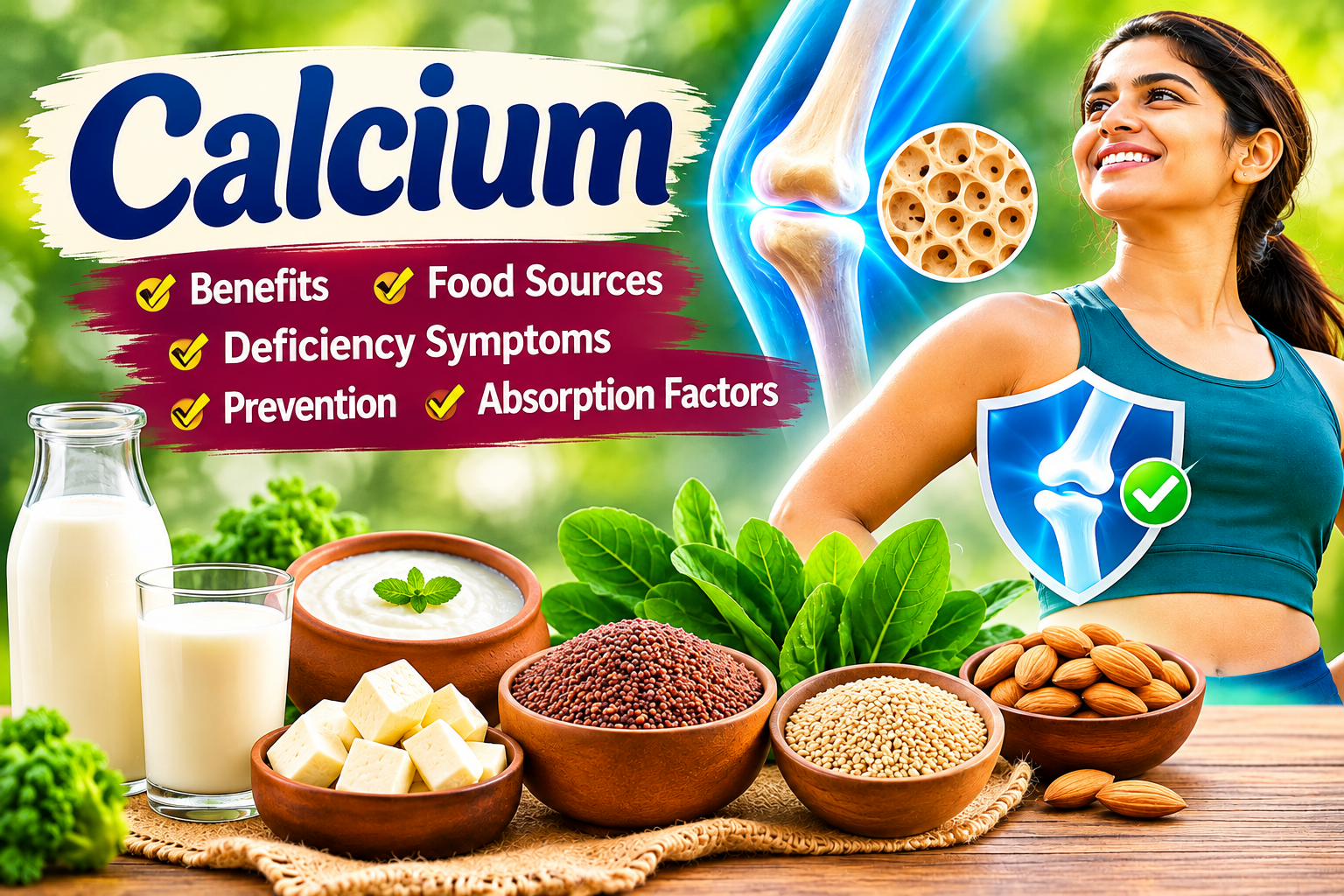
Why Is Calcium Important Alongside Vitamin D?
Vitamin D helps the intestine absorb calcium, while calcium is essential for bone mineralisation.
Both nutrients work together to maintain skeletal health.
Good Indian dietary sources of calcium include:
Milk
Curd
Paneer
Ragi
Sesame seeds
Certain green leafy vegetables
Calcium-set tofu
A balanced diet containing both calcium and vitamin D is important for healthy bones.
9. Vitamin D Testing: When Is It Necessary?
The most commonly used blood test to assess vitamin D status is serum 25 hydroxyvitamin D, also called 25(OH)D.
A healthcare professional may recommend testing in individuals with:
Suspected vitamin D deficiency
Bone pain or muscle weakness
Osteomalacia or rickets
Certain gastrointestinal disorders
Chronic kidney or liver disease
Conditions affecting nutrient absorption
Other relevant clinical risk factors
Routine testing is not necessarily required for every healthy individual.
A 2025 Indian expert group consensus describes the following serum 25(OH)D categories:
| Vitamin D status | Serum 25(OH)D |
|---|---|
| Severe deficiency | Below 10 ng/mL |
| Deficiency | Below 20 ng/mL |
| Insufficiency | 20-30 ng/mL |
These categories are based on that expert-group consensus. Clinical interpretation and treatment decisions should be made by a healthcare professional.
10. Vitamin D Supplementation in India
Vitamin D supplementation may be necessary for individuals who have inadequate vitamin D status, increased nutritional requirements or medical conditions affecting vitamin D metabolism.
Supplements are available in different forms, including:
Vitamin D2
Vitamin D3
Tablets
Capsules
Oral drops
Oral solutions
The appropriate dose depends on age, vitamin D status, medical history and clinical requirements.
Important Precautions
High-dose vitamin D should not be taken without professional guidance.
Excessive supplementation can cause vitamin D toxicity and lead to hypercalcaemia, meaning an abnormally high level of calcium in the blood.
Possible symptoms include:
Nausea and vomiting
Constipation
Excessive thirst
Frequent urination
Weakness
Kidney-related complications
Vitamin D supplementation should therefore be used responsibly.
Pregnant women, breastfeeding mothers, infants and individuals with kidney disorders should seek appropriate professional advice before starting supplements.
11. Vitamin D and Special Population Groups
A. Vitamin D During Pregnancy
Vitamin D contributes to normal calcium absorption and bone health during pregnancy.
Pregnant women should maintain adequate vitamin D and calcium intake through a balanced diet and follow healthcare advice regarding supplementation.
High-dose supplementation should not be self-prescribed.
B. Vitamin D in Children
Vitamin D is essential for normal skeletal growth and development.
Infants and children require adequate vitamin D to support calcium absorption and bone mineralisation.
Parents should follow paediatric guidance regarding vitamin D supplementation and feeding practices.
C. Vitamin D in Older Adults
Older adults may have a higher risk of vitamin D deficiency due to reduced skin synthesis, limited outdoor activity and other health-related factors.
Maintaining adequate vitamin D, calcium and protein intake, along with appropriate physical activity, supports healthy ageing.
D. Vitamin D in Vegetarians and Vegans
Individuals following vegetarian or vegan diets may have limited access to natural dietary sources of vitamin D.
Useful options include:
Fortified plant-based milk
Fortified cereals
UV-exposed mushrooms
Professionally recommended supplements
Checking food labels is particularly important because not all plant-based products are fortified.
12. Practical Indian Meal Ideas to Support Vitamin D Intake
The following meal ideas can help incorporate vitamin D-containing or fortified foods into everyday eating patterns.
| Meal | Food suggestions |
|---|---|
| Breakfast | Fortified milk with oats |
| Mid-morning | Fortified yoghurt or curd |
| Lunch | Rice or roti with dal and vegetables |
| Evening snack | Boiled egg |
| Dinner | Fish curry with rice, if non-vegetarian |
| Vegetarian option | UV-exposed mushrooms with roti and fortified milk |
These meals provide a variety of nutrients. However, ordinary food portions may not always provide the full daily vitamin D requirement.
13. When Should You Consult a Healthcare Professional?
Consult a healthcare professional if you experience persistent bone pain, unexplained muscle weakness or symptoms suggestive of vitamin D deficiency.
Children with delayed growth, bowed legs or suspected rickets should receive prompt medical evaluation.
Individuals with kidney disease, liver disease, gastrointestinal disorders or a history of calcium abnormalities should seek professional advice before taking vitamin D supplements.
Avoid relying solely on symptoms, sunlight exposure or online supplement recommendations to determine vitamin D status.
Conclusion
Vitamin D is an essential fat-soluble vitamin that supports calcium absorption, healthy bones, muscle function and normal immune system activity.
Although India receives abundant sunlight, vitamin D deficiency remains a nutritional concern due to factors such as indoor lifestyles, air pollution, skin pigmentation and limited dietary sources.
Appropriate sunlight exposure, consumption of vitamin D-containing and fortified foods, adequate calcium intake and regular physical activity can contribute to better nutritional health.
People with suspected deficiency or medical risk factors may require clinical assessment and appropriate supplementation.
Maintaining adequate vitamin D status is an important part of a balanced diet and healthy lifestyle.
Frequently Asked Questions (FAQs)
1. What are the best natural sources of vitamin D in India?
Fatty fish, egg yolk and UV-exposed mushrooms are useful natural dietary sources. Fortified milk and other fortified foods can also contribute to vitamin D intake.
2. Can sunlight provide enough vitamin D?
Sunlight can help the body produce vitamin D. However, production varies according to skin pigmentation, season, time of day, clothing, air pollution and other factors. Sunlight exposure does not guarantee adequate vitamin D levels.
3. What are the early symptoms of vitamin D deficiency?
Early deficiency may have no noticeable symptoms. Some individuals may experience muscle weakness, bone discomfort or fatigue, although these symptoms are not specific to vitamin D deficiency.
4. Is vitamin D important for bone health?
Yes. Vitamin D helps the body absorb calcium and phosphorus, which are essential for normal bone mineralisation and skeletal health.
5. Can vegetarians get vitamin D?
Yes, but natural vegetarian food sources are limited. UV-exposed mushrooms and vitamin D-fortified milk alternatives can contribute to intake. Supplements may be needed in some cases under professional guidance.
6. Which vitamin D is better, D2 or D3?
Both vitamin D2 and D3 can improve vitamin D status. Vitamin D3 is commonly used in supplements and may maintain blood vitamin D levels more effectively in some circumstances.
7. How much vitamin D is required daily in India?
According to ICMR NIN 2020, the recommended intake is 400 IU per day for infants up to one year and 600 IU per day for children, adolescents and adults, including pregnant and lactating women.
8. Can excessive vitamin D be harmful?
Yes. Excessive vitamin D supplementation can cause toxicity and hypercalcaemia, potentially affecting the kidneys and other organs. High dose supplements should only be taken under professional guidance.
9. Does vitamin D deficiency cause hair loss?
Low vitamin D levels have been associated with certain hair-loss conditions in research, but hair loss has many possible causes. Vitamin D deficiency alone cannot be assumed to be the reason.
10. Which blood test checks vitamin D levels?
The serum 25 hydroxyvitamin D [25(OH)D] test is commonly used to assess vitamin D status.
References and Further Reading
Indian Council of Medical Research - National Institute of Nutrition (ICMR-NIN). Nutrient Requirements for Indians: Recommended Dietary Allowances and Estimated Average Requirements, 2020.
National Institute of Nutrition, India. Dietary Guidelines for Indians, 2024.
Kalra S. et al. Prevention and Treatment of Vitamin D Deficiency in India: An Expert Group Consensus. Indian Journal of Endocrinology and Metabolism, 2025; 29(1):13-26.
National Institutes of Health, Office of Dietary Supplements. Vitamin D: Fact Sheet for Health Professionals.
Indian Academy of Pediatrics. Revised Guidelines on Prevention and Treatment of Vitamin D Deficiency and Rickets, 2021.
Medical Disclaimer: This article is intended for general nutrition education and awareness. It is not a substitute for individual medical diagnosis, treatment or dietary advice. Consult a qualified healthcare professional for suspected vitamin D deficiency or questions about supplementation.



💬 Comments (0)
Be respectful. Website links and phone numbers are not allowed.