
The Secret to Good Health: A Healthy Diet
A healthy diet is one of the secrets to good health. It can help you manage your body weight while also supporting your overall health and helping manage several health-related concerns.
People dealing with conditions such as PCOD or thyroid related problems may benefit from following a balanced, fiber-rich diet as part of a healthy lifestyle. In this article, I will explain the research supported benefits of dietary fiber and why including fiber-rich foods in your daily diet is important.
In simple terms, fiber or dietary fiber is a type of carbohydrate that the human digestive system cannot completely digest. There are two major types of dietary fiber: soluble fiber and insoluble fiber.
It is important to remember that different types of fiber can have different effects on the body. Some types provide significant health benefits, while others may provide little nutritional benefit.
Our body does not have the enzymes required to fully digest dietary fiber. Therefore, much of the fiber passes through the digestive system and reaches the large intestine. However, beneficial bacteria in the gut can ferment and utilize certain types of fiber.
Daily Fiber Requirement
Adults generally need around 20-30 grams of dietary fiber per day, although individual requirements can vary depending on age, sex and overall dietary needs.
Despite its importance, many people consume considerably less fiber than recommended.
Why Do Modern People Often Lack Fiber?
One major reason is the modern diet, which often contains large amounts of sweets, snacks, refined flour products, white bread, packaged juices and other highly processed foods.
Many of these foods are low in fiber and may also provide fewer vitamins and minerals compared with whole foods.
If vegetables, fruits, legumes and whole grains are regularly missing from the diet, overall diet quality may suffer. A low-fiber dietary pattern is associated with an increased risk of problems such as constipation, obesity, type 2 diabetes and cardiovascular disease.
Which Foods Are High in Fiber?
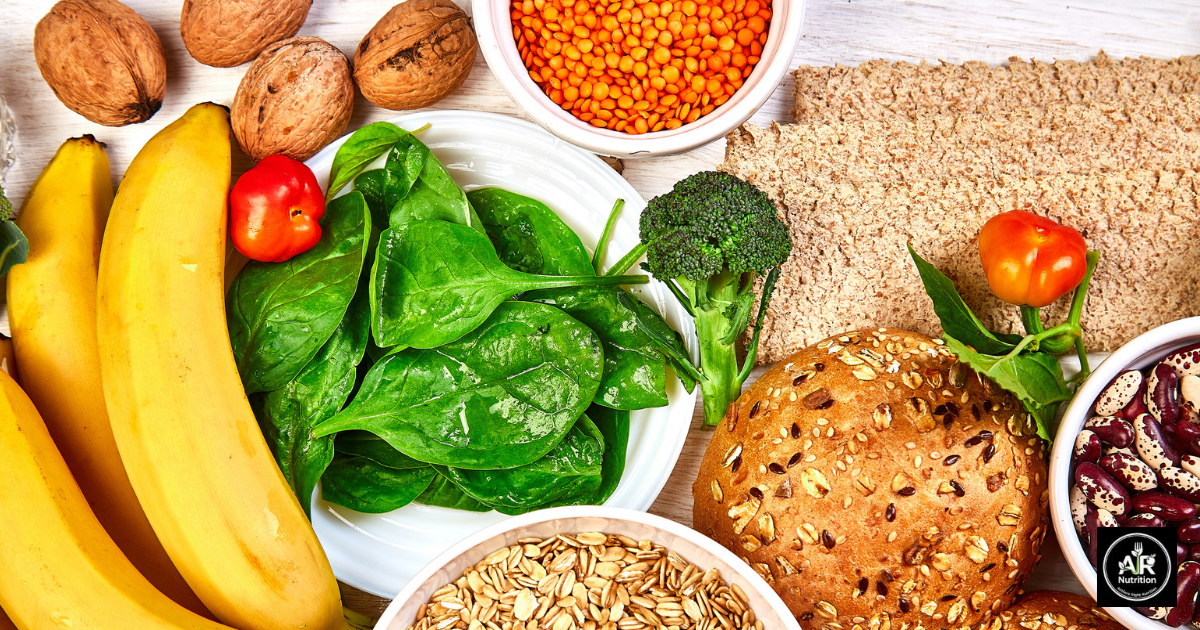
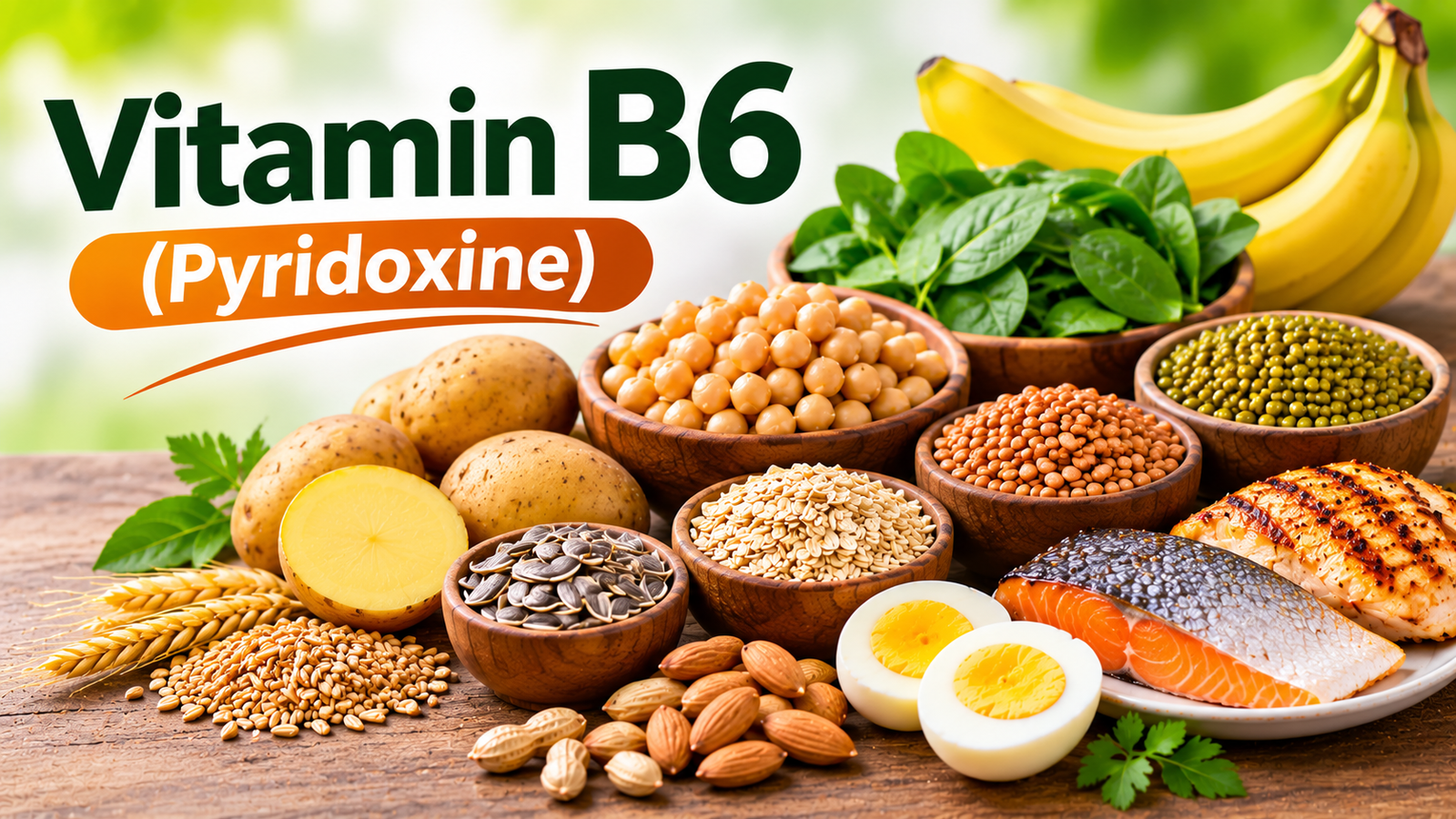
Dietary fiber is found mainly in legumes, pulses, whole grains, bran, fruits, vegetables, nuts and seeds.
Foods such as chickpeas, peas, whole-wheat flour, bran and avocado can provide significant amounts of dietary fiber. Other useful sources include lettuce, cabbage, cauliflower, potatoes with their skin, sweet potatoes, corn, broccoli, pumpkin, carrots, green beans, pears, bananas, apples, strawberries, blueberries, oranges, raisins, mangoes and nuts.
Sources of Dietary Fiber
Increasing fiber intake too quickly can sometimes cause bloating, gas or digestive discomfort. Therefore, fiber should ideally be increased gradually while maintaining adequate fluid intake.
To make your daily meal planning and grocery shopping easier, here is a convenient list of fiber rich foods. You can even print this list and keep it in your kitchen or take it with you while shopping.
Grains and cereal foods:
Whole wheat roti, brown bread, whole wheat pasta, oats and brown rice.
Vegetables:
Beetroot, cabbage, cauliflower, broccoli, corn, carrots, green beans, onion, bell peppers, green peas, potatoes with skin, sweet potatoes, pumpkin, tomatoes and eggplant.
Legumes:
Beans, lentils, peas and soybeans.
Nuts and seeds:
Almonds, cashews, walnuts, peanuts, pistachios, pumpkin seeds and sunflower seeds.
Fruits:
Apples, dried fruits such as dried apricots, raisins and dates, apricots, bananas, grapes, pears, raspberries and strawberries.
Green vegetables and leafy foods:
Lettuce, parsley, fennel, asparagus, celery and spinach.
Sample Daily Fiber Intake
A practical way to distribute fiber throughout the day is:
Breakfast: Around 5 grams - porridge or muesli.
Lunch: Around 10-15 grams - brown rice, vegetables and fruit.
Dinner: Around 10-15 grams - multigrain roti and green vegetables.
The exact amount should be adjusted according to your individual nutritional requirements.
Health Benefits of Dietary Fiber
Dietary fiber can provide several important health benefits when consumed as part of a balanced diet.
1. May Help Reduce Cholesterol
Certain types of soluble fiber can help reduce the absorption of cholesterol and may contribute to healthier blood cholesterol levels.
2. Supports Digestive Health
Fiber adds bulk to stool and can help support regular bowel movements. Some types of fiber are also fermented by beneficial gut bacteria.
3. Helps Prevent Constipation
Adequate fiber intake, along with sufficient fluids, can help soften and bulk up stool and support healthy bowel movements.
4. Helps Control Appetite
Fiber can increase feelings of fullness and satiety. This may help reduce unnecessary snacking and overeating, which can be useful for weight management.
5. Supports Blood Sugar Control
High-fiber foods can slow the digestion and absorption of carbohydrates. This may help reduce rapid rises in blood glucose and can be beneficial as part of a healthy diet for people with diabetes.
6. May Support Heart Health
A diet rich in vegetables, fruits, legumes and whole grains provides fiber along with many other nutrients and is associated with better cardiovascular health.
7. Supports a Healthy Gut
Certain types of dietary fiber act as food for beneficial gut bacteria. This can support a healthier gut microbiome.
8. Can Support Weight Management
High-fiber foods tend to be more filling and can help improve overall diet quality. Replacing highly processed, low-fiber foods with fiber rich whole foods can support healthy weight management.
9. Supports Healthy Bowel Function
Fiber helps maintain normal bowel function and can contribute to a healthier digestive system when consumed in appropriate amounts.
Do Not Consume Too Much Fiber Suddenly
When discussing fiber rich foods, it is important to remember that more is not always better. Increasing fiber intake too quickly can cause bloating, gas, abdominal discomfort or changes in bowel habits.
If your current diet is low in fiber, increase your intake gradually and drink enough water throughout the day.
Conclusion
Dietary fiber is an important part of a healthy and balanced diet. Include a variety of whole grains, vegetables, fruits, legumes, nuts and seeds in your daily meals.
A fiber-rich diet can support digestion, satiety, blood sugar management, cholesterol management and overall health.
Make your daily menu not only healthy but also tasty, colorful and diverse by including different sources of dietary fiber every day.






💬 Comments (0)
Be respectful. Website links and phone numbers are not allowed.