Vitamin E is an essential fat soluble vitamin that plays an important role in protecting body cells from oxidative damage. It acts as an antioxidant and helps protect cell membranes against the harmful effects of free radicals.
Vitamin E also contributes to normal immune function, cell signaling and other important physiological processes. It is particularly important for maintaining the normal functioning of nerves, muscles and other body tissues.
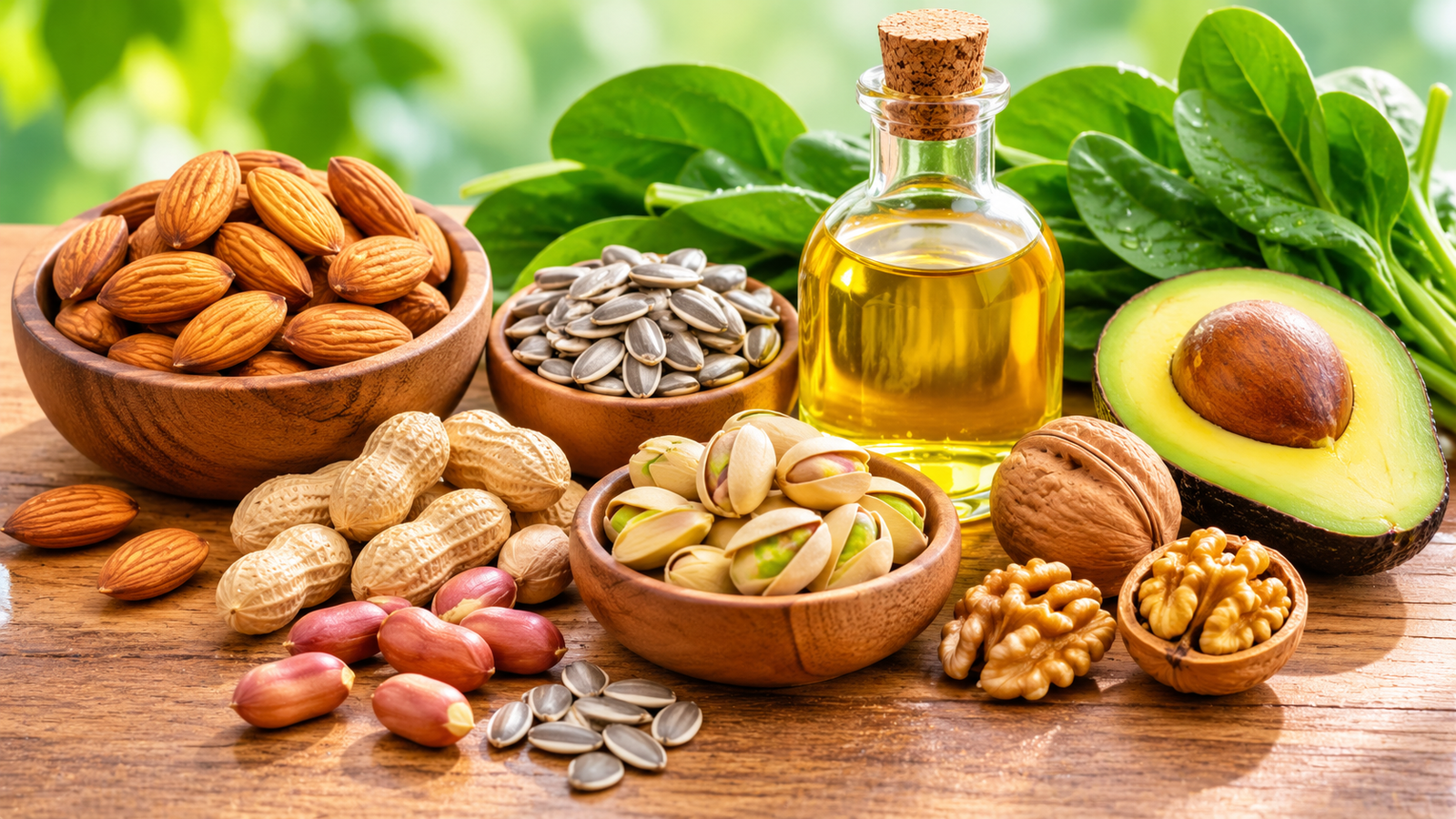
In India, vitamin E is available through several commonly consumed foods, including almonds, peanuts, sunflower seeds, pistachios, vegetable oils, spinach and other green leafy vegetables.
Although vitamin E deficiency is uncommon among healthy individuals, inadequate dietary intake and certain medical conditions affecting fat absorption can increase the risk.
Understanding the functions, dietary sources, recommended intake and deficiency symptoms of vitamin E can help individuals make informed food choices and maintain a balanced diet.
1. What Is Vitamin E?
Vitamin E is a group of fat-soluble compounds with antioxidant properties. It includes eight naturally occurring forms:
Alpha tocopherol
Beta tocopherol
Gamma tocopherol
Delta tocopherol
Alpha tocotrienol
Beta tocotrienol
Gamma-tocotrienol
Delta-tocotrienol
Among these forms, alpha-tocopherol is the primary form maintained in human blood and is recognised as meeting human vitamin E requirements.
Vitamin E is stored mainly in body tissues, particularly those containing fat.
Because it is fat-soluble, its absorption depends partly on normal fat digestion and absorption.
2. Important Functions and Health Benefits of Vitamin E
Vitamin E performs several important functions in the human body.
2.1 Acts as an Antioxidant
One of the most important functions of vitamin E is its antioxidant activity.
Normal metabolic processes and environmental exposures can produce free radicals. Excessive accumulation of these unstable molecules may contribute to oxidative stress.
Vitamin E helps protect polyunsaturated fatty acids in cell membranes from lipid peroxidation.
This antioxidant activity helps maintain the structural integrity of cells and body tissues.
2.2 Supports Immune Function
Vitamin E contributes to the normal functioning of the immune system.
It helps protect immune cells from oxidative damage and participates in processes involved in immune responses.
Adequate vitamin E intake is important for maintaining normal immune function, particularly in older adults.
However, taking high dose vitamin E supplements does not guarantee stronger immunity or protection against infections.
2.3 Maintains Healthy Cell Membranes
Cell membranes contain fats that are susceptible to oxidative damage.
Vitamin E helps protect these fats and supports the normal structure and function of cell membranes.
This function is important for maintaining healthy tissues throughout the body.
2.4 Supports Nervous System Function
Vitamin E plays an important role in maintaining the normal functioning of the nervous system.
Severe deficiency can damage nerve cells and may cause neurological problems, including:
Poor coordination
Muscle weakness
Reduced reflexes
Difficulty walking
Sensory disturbances
Vitamin E deficiency-related neurological complications are uncommon but can occur in people with severe fat malabsorption or certain genetic conditions.
2.5 Supports Muscle Function
Vitamin E helps protect muscle cell membranes from oxidative damage.
Severe deficiency may affect muscle function and contribute to muscle weakness.
Adequate vitamin E intake, along with sufficient protein and other essential nutrients, supports normal muscle health.
2.6 Supports Skin Health
Vitamin E is present in the skin and contributes to antioxidant protection.
It helps protect skin lipids from oxidative damage.
However, consuming additional vitamin E or applying vitamin E products does not automatically prevent ageing, remove scars or treat every skin condition. Evidence for many cosmetic claims remains limited.
2.7 Supports Normal Cellular Processes
Vitamin E participates in cell signalling and the regulation of several physiological processes.
It helps maintain normal cellular function and protects tissues from oxidative stress.
Its role is particularly important in tissues containing high amounts of polyunsaturated fatty acids.
3. Vitamin E Rich Foods Commonly Available in India
India has several affordable food sources of vitamin E, particularly nuts, seeds and vegetable oils.
Including these foods in appropriate quantities can help improve vitamin E intake.
A. Almonds (Badam)
Almonds are among the useful dietary sources of vitamin E.
They also provide:
Healthy unsaturated fats
Protein
Dietary fibre
Magnesium
Other antioxidant compounds
A small handful of almonds can contribute meaningfully to daily vitamin E intake.
B. Sunflower Seeds
Sunflower seeds are a concentrated source of vitamin E.
They can be included in:
Breakfast cereals
Oats
Salads
Homemade trail mixes
Smoothies
They also provide healthy fats, protein and minerals.
C. Pistachios (Pista)
Pistachios provide vitamin E along with protein, fibre, potassium and healthy fats.
A small portion can be included as a snack or added to breakfast preparations.
D. Groundnuts (Peanuts)
Groundnuts are commonly consumed in India and provide vitamin E along with protein, healthy fats and dietary fibre.
They can be consumed roasted, boiled or as part of traditional preparations.
E. Vegetable Oils
Vegetable oils can contribute significantly to vitamin E intake.
Examples include:
Sunflower oil
Groundnut oil
Soybean oil
Safflower oil
Corn oil
The vitamin E content varies considerably according to the type of oil and processing method.
Using moderate amounts of suitable vegetable oils in everyday cooking can contribute to vitamin E intake.
F. Green Leafy Vegetables
Some green leafy vegetables contain vitamin E.
Examples include:
Spinach (Palak)
Amaranth leaves (Chaulai)
Pumpkin leaves
Other seasonal green leafy vegetables
They also provide folate, vitamin K, carotenoids and dietary fibre.
G. Seeds and Other Nuts
Other useful options include:
Flaxseeds (Alsi)
Sesame seeds (Til)
Cashews
Walnuts
Dry coconut
Their vitamin E content varies, so they should not all be considered equally rich sources.
H. Other Food Sources
Smaller quantities of vitamin E are also found in:
Eggs
Whole grains
Certain fruits
Some vegetables
Soybean products
A diverse diet containing different food groups can help maintain overall micronutrient intake.
4. Recommended Daily Allowance (RDA) of Vitamin E in India
According to the FSSAI direction on RDA for nutrients not listed in its main RDA table, the recommended daily intake of vitamin E is 7.5-10 mg of alpha-tocopherol per day.
This range is based on the ICMR recommendations published in 2020.
Vitamin E RDA for Indians
| Nutrient | Recommended intake |
|---|---|
| Vitamin E | 7.5-10 mg/day |
| Chemical form | Alpha tocopherol |
Source: FSSAI Direction dated 16 July 2021, Annexure IB, based on ICMR (2020), Recommended Dietary Allowances and Estimated Average Requirements: Nutrient Requirements for Indians.
Important: This is a general Indian daily intake range, not an age-wise RDA table. It should not be confused with high-dose vitamin E supplementation.
Vitamin E requirements are influenced by dietary fat composition because vitamin E helps protect polyunsaturated fatty acids against oxidation.
For this reason, a balanced diet containing appropriate amounts of nuts, seeds and vegetable oils is useful.
5. What Is Vitamin E Deficiency?
Vitamin E deficiency occurs when the body does not have sufficient vitamin E to maintain normal physiological functions.
It is relatively uncommon among healthy individuals because vitamin E is present in various commonly consumed foods.
However, deficiency may occur when the body cannot properly absorb or transport fat-soluble vitamins.
People with certain gastrointestinal, liver or genetic conditions may have an increased risk.
Severe deficiency can affect the nervous system, muscles and red blood cells.
6. Common Symptoms of Vitamin E Deficiency
Vitamin E deficiency may develop gradually. Symptoms depend on the severity and underlying cause.
6.1 Muscle Weakness
Severe deficiency can affect muscle function and may contribute to muscle weakness.
Individuals may experience difficulty performing certain physical activities.
6.2 Nerve Damage
Vitamin E is important for maintaining normal neurological function.
Severe deficiency may cause peripheral neuropathy, which can produce:
Tingling sensations
Numbness
Reduced sensation
Muscle weakness
Poor coordination
6.3 Difficulty Maintaining Balance
Vitamin E deficiency can affect the nervous system and coordination.
Some individuals may experience difficulty maintaining balance or walking normally.
6.4 Vision Problems
Severe and prolonged deficiency can affect nerve function, including the nerves involved in vision.
However, vision problems have many possible causes and should not automatically be attributed to vitamin E deficiency.
6.5 Haemolytic Anaemia
Vitamin E helps protect cell membranes against oxidative damage.
In severe deficiency, particularly in premature infants, red blood cells may become more vulnerable to damage.
This can contribute to haemolytic anaemia.
6.6 Reduced Neuromuscular Function
Long-term severe deficiency may affect communication between nerves and muscles.
This can contribute to poor coordination, reduced reflexes and impaired physical function.
7. Causes and Risk Factors of Vitamin E Deficiency in India
Several medical and nutritional factors can contribute to vitamin E deficiency.
A. Fat Malabsorption
Vitamin E is fat-soluble, so conditions that interfere with fat digestion or absorption can reduce its absorption.
Examples include:
Coeliac disease
Crohn's disease
Certain intestinal disorders
Chronic pancreatitis
Conditions affecting bile production or flow
B. Liver and Pancreatic Disorders
The liver plays an important role in vitamin E transport and metabolism.
Certain liver and pancreatic disorders can interfere with normal vitamin E handling and increase the risk of deficiency.
C. Genetic Disorders
Rare genetic conditions can affect the transport and metabolism of alpha tocopherol.
One example is ataxia with vitamin E deficiency (AVED), a condition that can cause progressive neurological problems.
D. Inadequate Dietary Diversity
Diets with very limited quantities of nuts, seeds, vegetable oils and other vitamin E-containing foods may provide inadequate amounts.
However, isolated vitamin E deficiency from poor dietary intake alone is uncommon in otherwise healthy individuals.
E. Premature Birth
Premature infants may have lower vitamin E stores and can be vulnerable to deficiency.
Their nutritional requirements should be managed under appropriate paediatric care.
8. Vitamin E Deficiency Prevention Through an Indian Diet
A balanced diet containing nuts, seeds, vegetable oils and vegetables can help maintain adequate vitamin E intake.
Practical dietary strategies include:
Include a small portion of almonds regularly.
Add sunflower seeds to breakfast or salads.
Consume peanuts or pistachios in moderate quantities.
Include spinach and other green leafy vegetables.
Use suitable vegetable oils in moderate amounts.
Include a variety of nuts and seeds rather than depending on one food.
Maintain a balanced diet containing adequate essential fatty acids.
Seek medical advice if there are symptoms or medical conditions affecting fat absorption.
Why Is Dietary Fat Important for Vitamin E Absorption?
Vitamin E is fat soluble, meaning it is absorbed along with dietary fats.
Normal fat digestion and absorption are necessary for effective vitamin E utilisation.
Including a reasonable amount of dietary fat in meals can support the absorption of fat-soluble vitamins.
For example, spinach prepared with a modest quantity of vegetable oil or almonds consumed as part of a balanced meal can contribute to vitamin E intake.
Large amounts of oil or ghee are not necessary.
9. Vitamin E and Special Population Groups
A. Vitamin E During Pregnancy
Vitamin E participates in antioxidant protection and normal cellular functions.
Pregnant women should obtain adequate vitamin E through a balanced diet containing nuts, seeds, vegetable oils and vegetables.
High-dose vitamin E supplementation should not be self-prescribed during pregnancy.
B. Vitamin E During Breastfeeding
Vitamin E is present in breast milk and contributes to infant nutrition.
Lactating women should maintain a varied diet containing suitable sources of vitamin E.
Supplementation should be based on individual nutritional needs and professional guidance.
C. Vitamin E in Children
Vitamin E is important for normal growth, nervous system function and cellular protection.
Children can obtain vitamin E through age-appropriate portions of nuts, seeds, vegetable oils and other foods.
Whole nuts should not be given to young children because of choking risk. Use age-appropriate textures and follow paediatric feeding guidance.
D. Vitamin E in Older Adults
Vitamin E supports antioxidant protection and normal immune function.
Older adults should obtain adequate vitamin E through a balanced diet.
High-dose supplements are not routinely recommended simply because a person is ageing.
E. Vitamin E in Vegetarians and Vegans
Vitamin E is relatively easy to obtain from plant-based foods.
Useful vegetarian and vegan sources include:
Almonds
Sunflower seeds
Peanuts
Pistachios
Vegetable oils
Spinach
Flaxseeds
A varied plant based diet can provide vitamin E without requiring animal based foods.
10. Can Excessive Vitamin E Be Harmful?
Yes. Although vitamin E is essential for health, excessive intake through high-dose supplements may cause adverse effects.
Vitamin E obtained from ordinary foods is generally considered safe.
However, high dose supplementation can interfere with normal blood clotting and increase bleeding risk.
Potential concerns include:
Increased bleeding tendency
Interactions with anticoagulant medications
Increased risk of haemorrhagic stroke in certain study populations
People taking warfarin, other anticoagulants or antiplatelet medicines should consult their healthcare professional before using vitamin E supplements.
High-dose vitamin E supplements should not be taken routinely for general health, skin improvement or disease prevention without medical advice.
11. Vitamin E Testing: When Is It Necessary?
Routine vitamin E testing is not necessary for every healthy individual.
A healthcare professional may consider testing in people with:
Suspected fat malabsorption
Chronic gastrointestinal disorders
Certain liver conditions
Unexplained neurological symptoms
Suspected severe vitamin E deficiency
Rare genetic disorders affecting vitamin E transport
Vitamin E status may be assessed by measuring serum or plasma alpha-tocopherol.
A healthcare professional may interpret the result alongside blood lipid levels and the individual's clinical condition.
12. Practical Indian Meal Ideas to Improve Vitamin E Intake
The following meal ideas can help incorporate vitamin E-rich foods into everyday Indian eating patterns.
| Meal | Food suggestions |
|---|---|
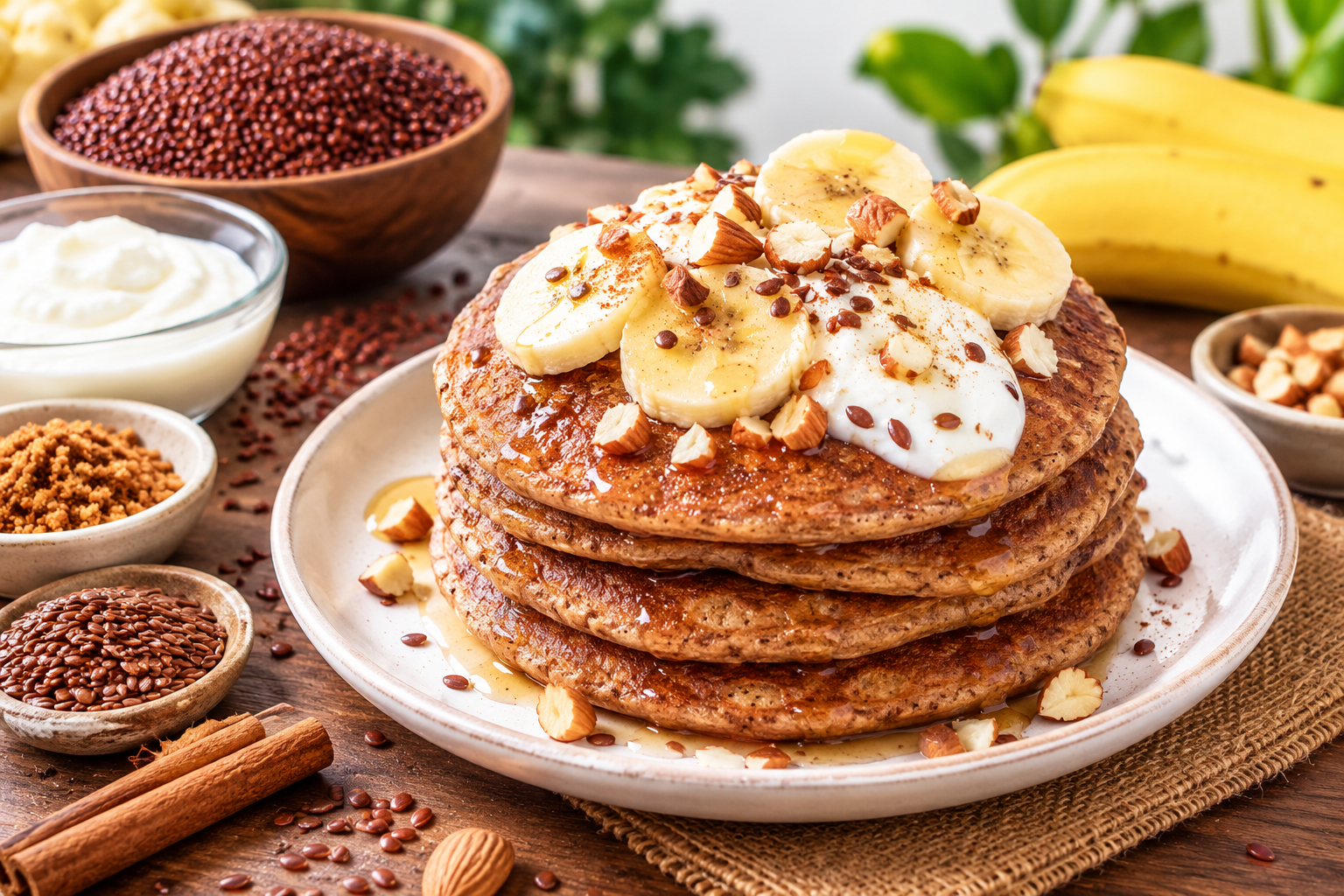
| Breakfast | Oats with almonds and sunflower seeds |
| Mid-morning | A small portion of pistachios |
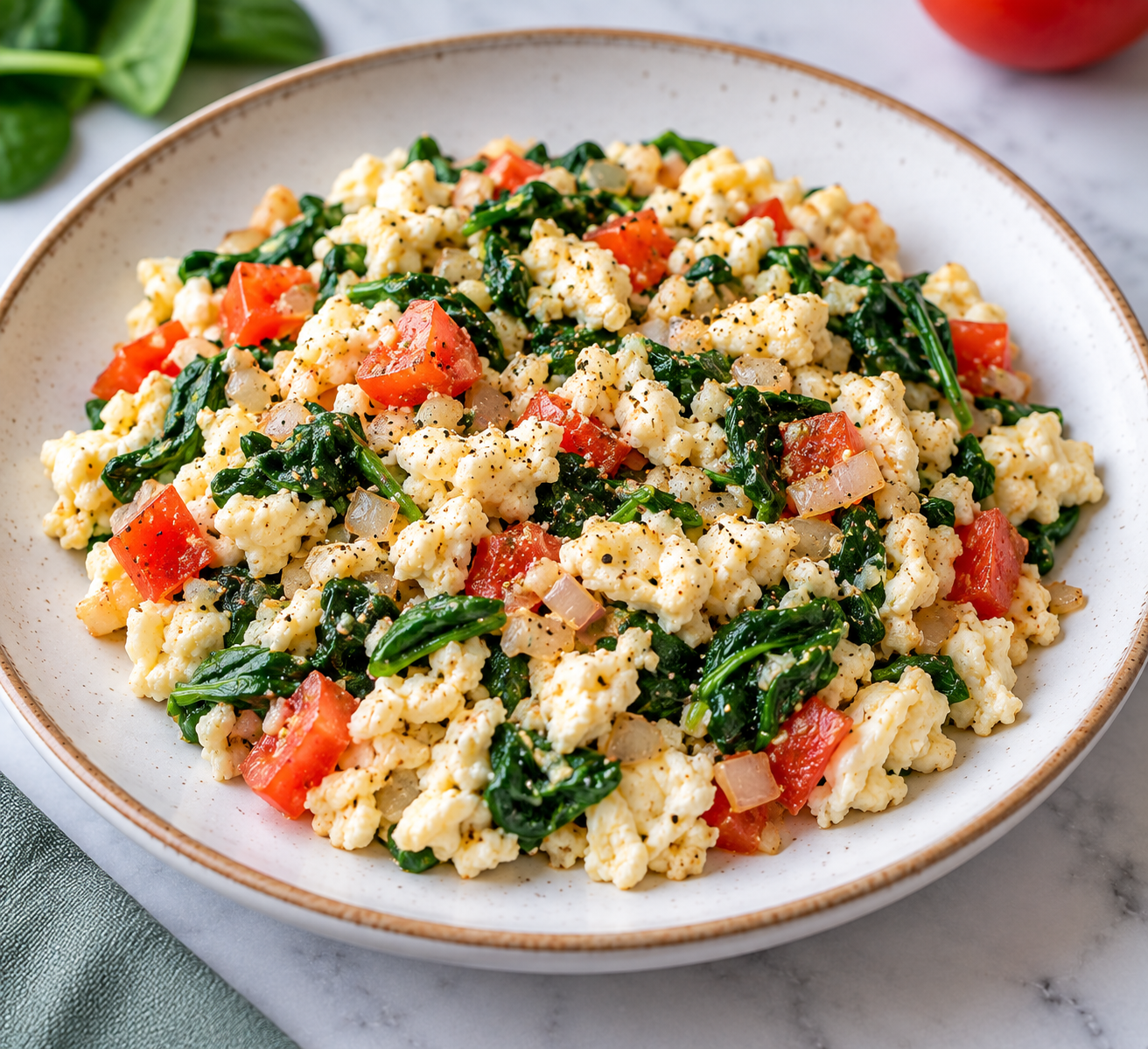
| Lunch | Roti, dal and spinach sabzi prepared with vegetable oil |
| Evening snack | Roasted peanuts |
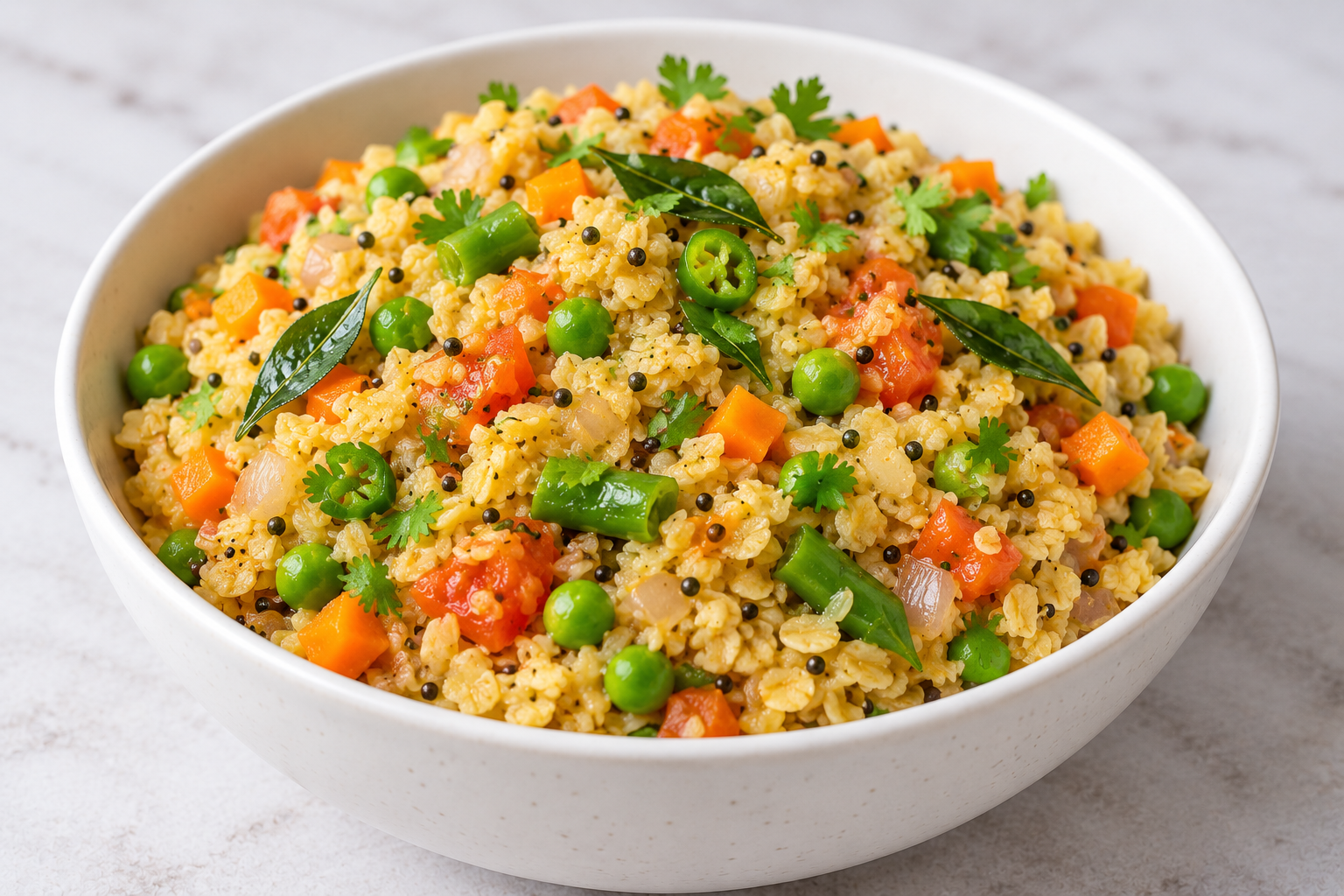
| Dinner | Vegetable khichdi with a balanced quantity of vegetable oil |
| Optional addition | Flaxseed powder mixed into curd or oats |
These are general dietary suggestions. Portions should be adjusted according to individual energy requirements, allergies, health conditions and food preferences.
Nuts and seeds are energy-dense, so moderate portions are appropriate for most people.
13. When Should You Consult a Healthcare Professional?
Consult a healthcare professional if you experience persistent muscle weakness, numbness, tingling, poor coordination or unexplained neurological symptoms.
People with gastrointestinal disorders, chronic fat malabsorption or liver and pancreatic conditions may require specialised nutritional assessment.
Avoid taking high-dose vitamin E supplements without medical advice, particularly if you use blood-thinning medicines or have a bleeding disorder.
Do not assume that fatigue, hair loss or skin problems are caused by vitamin E deficiency. These symptoms can have several nutritional and medical causes.
Conclusion
Vitamin E is an essential fat-soluble vitamin that acts as an antioxidant and helps protect body cells from oxidative damage. It supports normal immune function, nervous system health, muscle function and cellular processes.
In the Indian context, almonds, sunflower seeds, pistachios, peanuts, vegetable oils and green leafy vegetables are useful dietary sources.
The general Indian recommended daily intake range is 7.5-10 mg of alpha-tocopherol per day, according to the FSSAI direction based on ICMR 2020 recommendations.
A balanced diet containing appropriate portions of nuts, seeds, vegetables and vegetable oils can help maintain adequate vitamin E intake.
Although deficiency is uncommon among healthy individuals, certain medical conditions affecting fat absorption can increase the risk.
Excessive supplementation may cause adverse effects, particularly an increased risk of bleeding. Therefore, vitamin E supplements should be used responsibly and under professional guidance.
Frequently Asked Questions (FAQs)
1. What are the best natural sources of vitamin E in India?
Almonds, sunflower seeds, pistachios, peanuts, vegetable oils and spinach are useful dietary sources of vitamin E.
2. Which fruit is rich in vitamin E?
Some fruits contain vitamin E, including avocado and certain other fruits. However, nuts, seeds and vegetable oils are generally more concentrated sources.
3. What is the daily requirement of vitamin E in India?
The general Indian recommended intake range is 7.5-10 mg of alpha tocopherol per day, according to the FSSAI direction based on ICMR 2020 recommendations.
4. Can vegetarians get enough vitamin E?
Yes. Vegetarians can obtain vitamin E from almonds, sunflower seeds, peanuts, pistachios, vegetable oils and green leafy vegetables.
5. Does vitamin E improve skin health?
Vitamin E contributes to antioxidant protection and normal skin function. However, extra vitamin E does not automatically improve skin appearance or treat skin disorders.
6. What happens if vitamin E is deficient?
Severe deficiency may cause muscle weakness, nerve damage, poor coordination, sensory disturbances and, in certain cases, haemolytic anaemia.
7. Is vitamin E good for hair?
Vitamin E has antioxidant properties, but there is insufficient evidence that routine supplementation improves hair growth in people without deficiency.
8. Can vitamin E be taken daily?
Vitamin E can be consumed daily through a balanced diet. Supplements should be used according to individual needs and professional advice.
9. Can too much vitamin E cause bleeding?
Yes. High dose vitamin E supplements can interfere with blood clotting and increase bleeding risk, especially in people taking anticoagulant or antiplatelet medicines.
10. Is vitamin E deficiency common?
Vitamin E deficiency is uncommon in healthy individuals. It is more likely in people with conditions that interfere with fat absorption or vitamin E transport.
References and Further Reading
Indian Council of Medical Research (ICMR). Recommended Dietary Allowances and Estimated Average Requirements: Nutrient Requirements for Indians, 2020.
Food Safety and Standards Authority of India (FSSAI). Direction on Recommended Dietary Allowances for Nutrients Not Listed Under Annexure IA, 16 July 2021, Annexure IB.
Longvah, T., Ananthan, R., Bhaskarachary, K. and Venkaiah, K. Indian Food Composition Tables 2017. National Institute of Nutrition, ICMR, Hyderabad.
National Institutes of Health, Office of Dietary Supplements. Vitamin E: Fact Sheet for Health Professionals.
World Health Organization (WHO). Resources on micronutrients and nutrition.
Medical Disclaimer: This article is intended for general nutrition education and awareness. It is not a substitute for individual medical diagnosis, treatment or dietary advice. Consult a qualified healthcare professional for suspected vitamin E deficiency or questions about supplementation.

💬 Comments (0)
Be respectful. Website links and phone numbers are not allowed.