
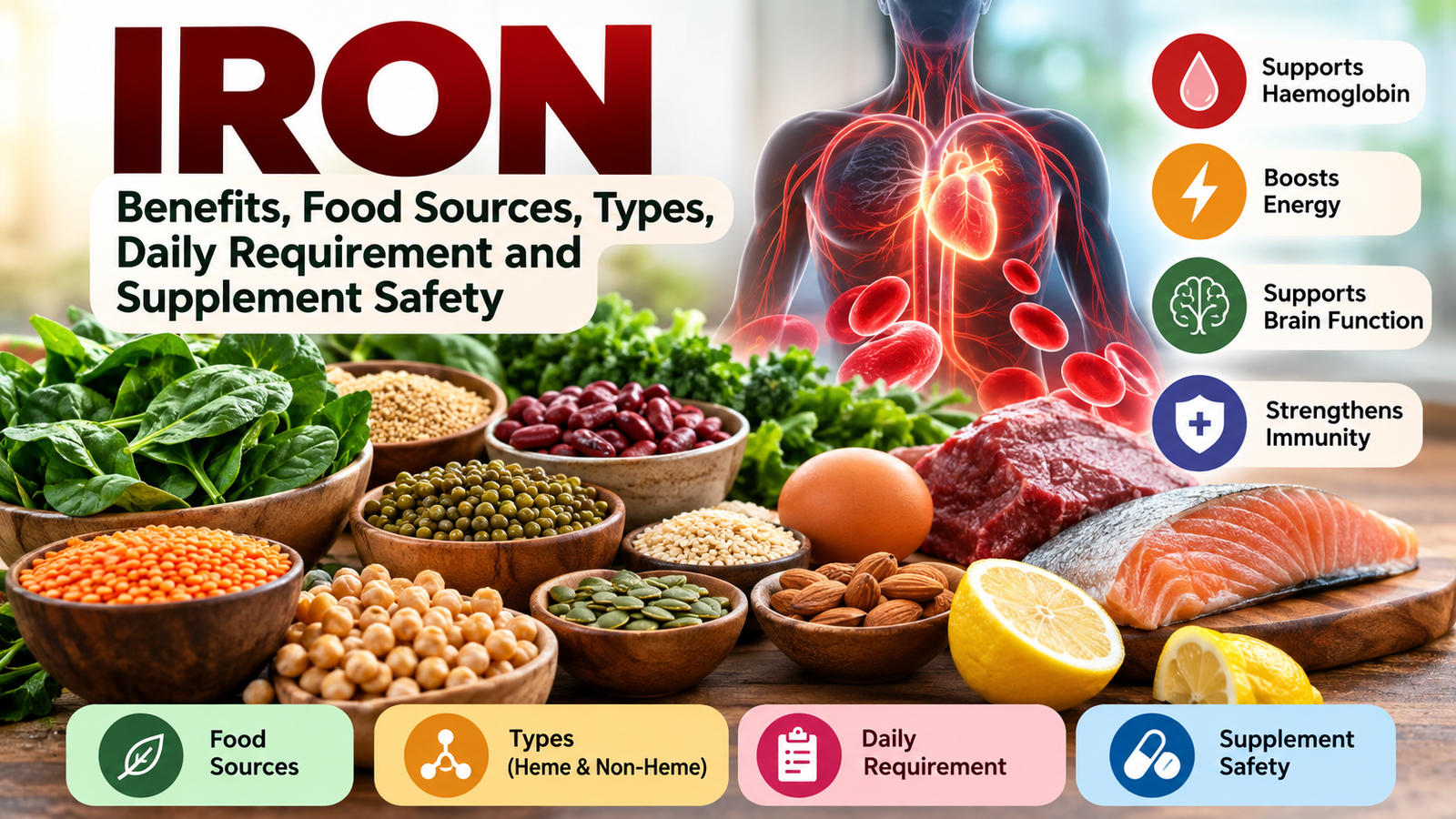
Iron is an essential mineral that your body needs for making hemoglobin, transporting oxygen, producing energy and supporting normal immune and cognitive functions. Although iron deficiency is a major nutritional concern in India, taking iron supplements without identifying the cause of low hemoglobin is not always appropriate.
A balanced diet can provide iron through foods such as lentils, beans, green leafy vegetables, millets, nuts, seeds and fortified foods. For people who eat non-vegetarian foods, meat, poultry and seafood provide highly bioavailable heme iron.
This article explains the health benefits of iron, iron-rich foods, heme and non heme iron, daily iron requirements, factors affecting absorption, signs of deficiency, and the safe use of iron supplements, with an Indian dietary context.
What Is Iron?
Iron is a mineral required for several important biological processes.
Its best-known function is its role in hemoglobin, the protein in red blood cells that carries oxygen from the lungs to tissues throughout the body.
Iron is also involved in:
Oxygen transport and storage
Energy metabolism
Formation of red blood cells
Normal muscle function
DNA synthesis
Several enzyme reactions
Normal immune function
Brain development and neurological function
The body carefully regulates iron because both deficiency and excessive iron accumulation can be harmful.
Why Is Iron Important?
1. Iron Helps Transport Oxygen
The most important role of iron is its involvement in hemoglobin.
Hemoglobin contains iron and allows red blood cells to carry oxygen from the lungs to different tissues.
When iron deficiency becomes severe enough to impair hemoglobin production, iron deficiency anemia (IDA) can develop.
This may result in symptoms such as:
Fatigue
Weakness
Reduced exercise tolerance
Headache
Dizziness
Pale skin
Shortness of breath during activity
Difficulty concentrating
However, these symptoms are not specific to iron deficiency. Anemia can also have other causes, including vitamin B12 or folate deficiency, chronic disease, blood loss and inherited disorders.
Therefore, symptoms alone cannot establish iron deficiency.
2. Iron Supports Energy Metabolism
Iron is involved in enzymes and proteins that participate in cellular energy production.
When iron stores are inadequate, a person may experience tiredness and reduced physical performance even before severe anemia develops.
This is one reason iron status can matter for people who complain of persistent fatigue, particularly when their diet is low in iron or they have ongoing blood loss.
3. Iron Supports Normal Brain Function
Iron is important for normal neurological development and function.
Adequate iron is particularly important during periods of rapid growth, including infancy, childhood and adolescence.
Iron deficiency during early life can be particularly concerning because the developing brain has high nutritional requirements.
4. Iron Supports Normal Immune Function
Iron is involved in several processes associated with normal immune function.
However, more iron is not necessarily better. The body normally maintains a tightly regulated balance between iron absorption, storage and utilization.
Taking high-dose iron without a genuine need can therefore be counterproductive.
Types of Dietary Iron
Iron in food is commonly classified into two forms:
Heme Iron
Heme iron is found primarily in animal foods.
Major sources include:
Meat
Poultry
Fish
Seafood
Heme iron is generally more readily absorbed than non-heme iron.
Non Heme Iron
Non heme iron is found mainly in plant foods and fortified foods.
Indian sources include:
Lentils (dal)
Chickpeas (chana)
Rajma
Soybeans and soy products
Green leafy vegetables
Millets
Sesame seeds
Pumpkin seeds
Nuts
Some dried fruits
Fortified cereals and other fortified foods
For people following vegetarian or vegan diets, understanding how to improve non-heme iron absorption becomes especially useful.
Iron Rich Foods for Indians
A varied Indian diet can provide iron through both traditional foods and fortified products.
Plant-based sources
| Food | Practical Indian use |
|---|---|
| Masoor dal | Dal, khichdi |
| Moong dal | Dal, chilla, khichdi |
| Chana | Chana curry, roasted chana |
| Rajma | Rajma curry |
| Soybeans | Soy curry, soy products |
| Ragi | Ragi dosa, roti, porridge |
| Bajra | Bajra roti |
| Sesame seeds | Til chutney, ladoo, toppings |
| Pumpkin seeds | Snack or salad topping |
| Green leafy vegetables | Saag, dal, sabzi |
| Nuts | Snack or meal additions |
| Fortified foods | Depending on the product |
The exact iron content varies according to the food, serving size, preparation method and database used.
For Indian nutrition planning, food composition data such as IFCT 2017 from the ICMR-National Institute of Nutrition can be useful when calculating nutrient intake.
ICMR-NIN Nutrient Requirements and RDA resources
How to Improve Iron Absorption
Eating an iron-rich food does not automatically mean that all of its iron will be absorbed.
This is particularly relevant for vegetarian diets because plant foods primarily provide non-heme iron.
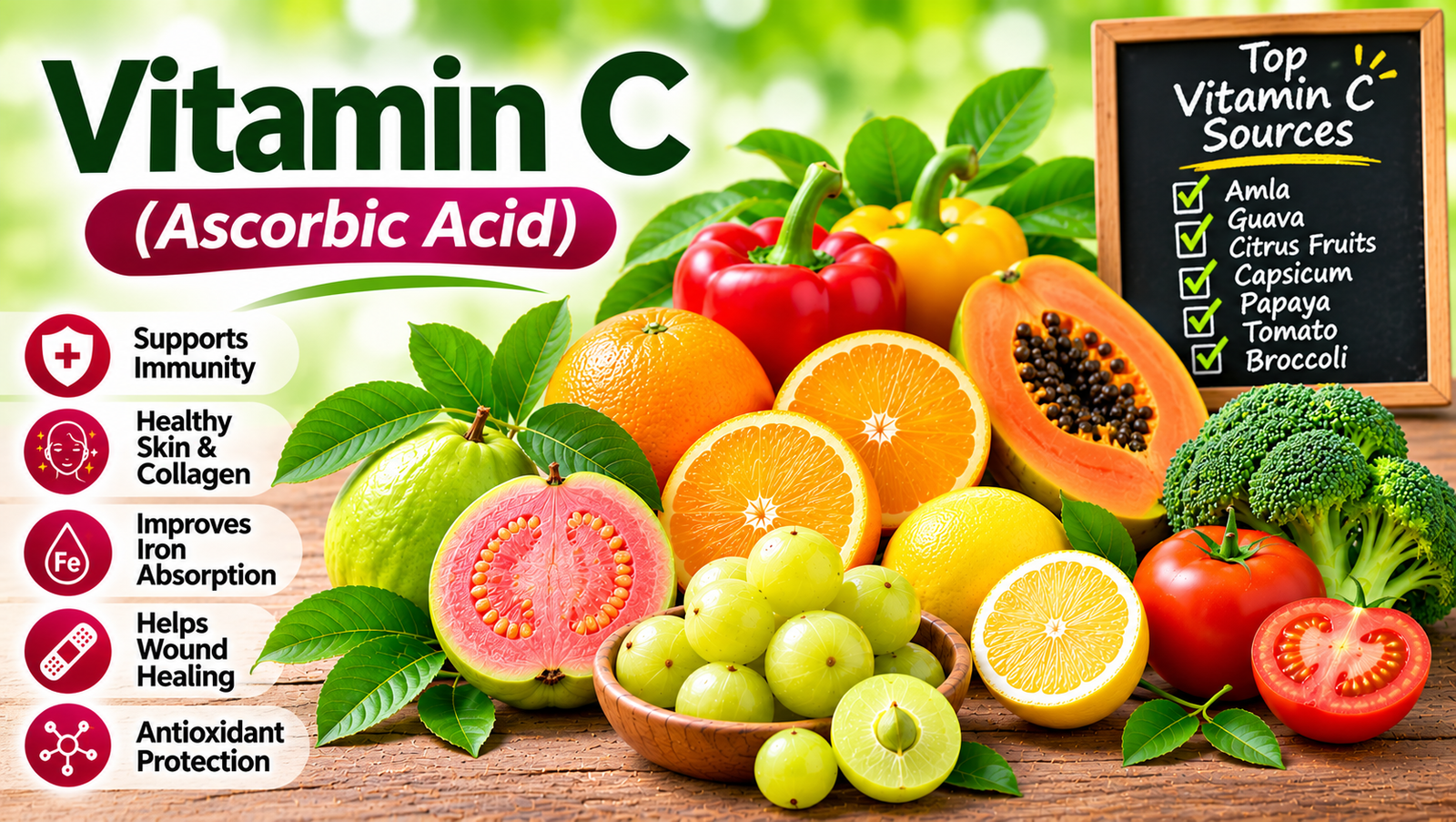
Add Vitamin C
Vitamin C can increase absorption of non-heme iron.
Good Indian combinations include:
Dal + lemon
Chana + tomato
Rajma + tomato
Sprouts + lemon
Ragi dosa + tomato chutney
Green leafy vegetables + lemon
Chickpea salad + amla
Beans + capsicum
You do not need to take a vitamin C supplement simply because you eat plant based iron. Regular vitamin C rich foods can be part of a balanced diet.
Soaking, Sprouting and Fermentation
Traditional food preparation methods can influence mineral bioavailability.
Soaking, sprouting and fermentation can reduce certain compounds such as phytates that can inhibit mineral absorption.
Examples include:
Sprouted moong
Fermented dosa batter
Idli
Fermented millet preparations
Properly soaked and cooked legumes
These methods can be useful components of an overall healthy dietary pattern.
Tea and Coffee With Meals: Does It Matter?
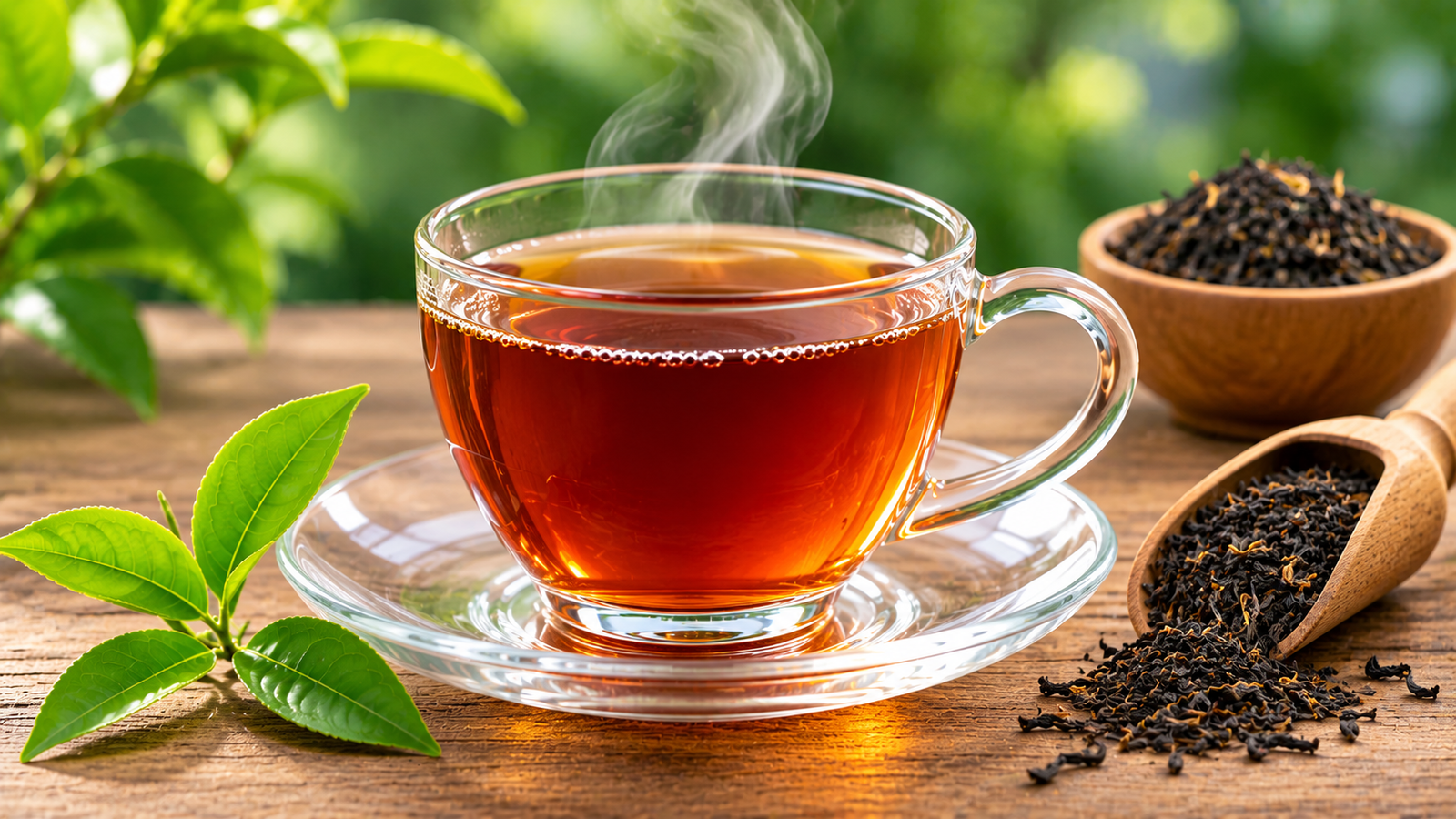
Tea and coffee contain polyphenolic compounds that can reduce absorption of non heme iron when consumed around meals.
For people who are already iron deficient or have low iron stores, it may be sensible to avoid drinking tea or coffee immediately with an iron rich meal.
Instead, keep tea or coffee separate from the main iron-rich meal.
This does not mean that everyone needs to stop drinking tea or coffee.
The overall diet and individual iron status matter.
Iron Requirements: How Much Do You Need?
Iron requirements depend on age, sex and physiological stage.
International recommendations commonly list approximately:
| Group | Iron requirement |
|---|---|
| Adult men 19-50 years | 8 mg/day |
| Adult women 19-50 years | 18 mg/day |
| Adults 51+ years | 8 mg/day |
| Pregnancy | 27 mg/day |
| Breastfeeding women | 9 mg/day |
These values come from the US National Institutes of Health Office of Dietary Supplements and should not be confused with Indian-specific RDA values.
India has its own nutrient recommendations developed by the ICMR-NIN Expert Group. The 2020 Indian recommendations are particularly relevant when planning diets for Indian populations.
For example, an ICMR-NIN analysis reports an iron RDA of 11 mg/day for adult men, 15 mg/day for women of reproductive age, 21 mg/day during pregnancy and 16 mg/day during lactation under the cited Indian recommendations.
The important point is that iron requirements are not identical for everyone.
Women who menstruate generally have greater iron requirements because of regular menstrual blood loss.
Pregnancy creates additional nutritional demands.
Iron and Anemia in India
Iron deficiency is an important consideration in India, but it is important to distinguish anemia from iron deficiency.
Anemia can have multiple causes.
According to the ICMR-NIN white paper using NFHS-5 data from 2019-21, anemia prevalence was reported at approximately:
67% among children aged 6-59 months
57% among women of reproductive age
52% among pregnant women
These figures describe anemia, not confirmed iron-deficiency anemia in every individual.
Possible contributors to anemia in India include nutritional deficiencies, menstrual blood loss, pregnancy, infections, inflammation, chronic diseases and other medical conditions.
Therefore, simply taking an iron tablet whenever hemoglobin is low is not an appropriate universal solution.
Who Is More Likely to Develop Iron Deficiency?
Some groups have a higher risk of inadequate iron status.
1. Women who menstruate
Regular menstrual blood loss increases iron requirements.
Heavy menstrual bleeding can increase the risk further.
2. Pregnant women
Iron requirements increase substantially during pregnancy because of maternal blood volume expansion and fetal needs.
WHO recommends daily iron and folic acid supplementation during pregnancy as part of antenatal care, with 30-60 mg elemental iron plus 400 µg folic acid daily, according to its current recommendation.
Pregnant women should follow the supplementation plan provided by their doctor or antenatal care provider rather than choosing an iron product and dose independently.
3. Infants and children
Rapid growth increases nutritional requirements.
4. Vegetarians and vegans
Plant foods contain non heme iron, which is generally less bioavailable than heme iron.
However, a well planned vegetarian diet can still provide adequate iron.
5. People with blood loss
Possible sources include:
Heavy menstrual bleeding
Gastrointestinal bleeding
Frequent blood donation
Certain medical conditions
Unexplained blood loss should be medically evaluated.
6. People with certain gastrointestinal conditions
Some gastrointestinal disorders can interfere with nutrient absorption and may contribute to iron deficiency.
Iron Deficiency vs Iron Deficiency Anemia
These terms are often used interchangeably, but they are not exactly the same.
Iron deficiency
The body's iron stores are insufficient.
Iron deficiency anemia
Iron deficiency has progressed to the point where hemoglobin production is affected and anemia develops.
A person can have depleted iron stores before developing significant anemia.
For this reason, evaluating iron status may require more than simply checking hemoglobin.
Depending on the clinical situation, a healthcare professional may consider tests such as:
Complete blood count (CBC)
Hemoglobin
Serum ferritin
Transferrin saturation
Serum iron
Total iron binding capacity
Other tests when clinically indicated
Ferritin is commonly used to assess iron stores, but it can rise during inflammation or infection, so results need to be interpreted in context.
Iron Supplements: When Are They Needed?
Iron supplements can be highly useful when iron deficiency or iron-deficiency anemia has been established or when supplementation is specifically recommended because of increased requirements.
But iron is not a general energy supplement.
If you feel tired, taking iron without investigating the cause may delay the diagnosis of another problem.
Possible reasons for fatigue include:
Poor sleep
Inadequate calorie intake
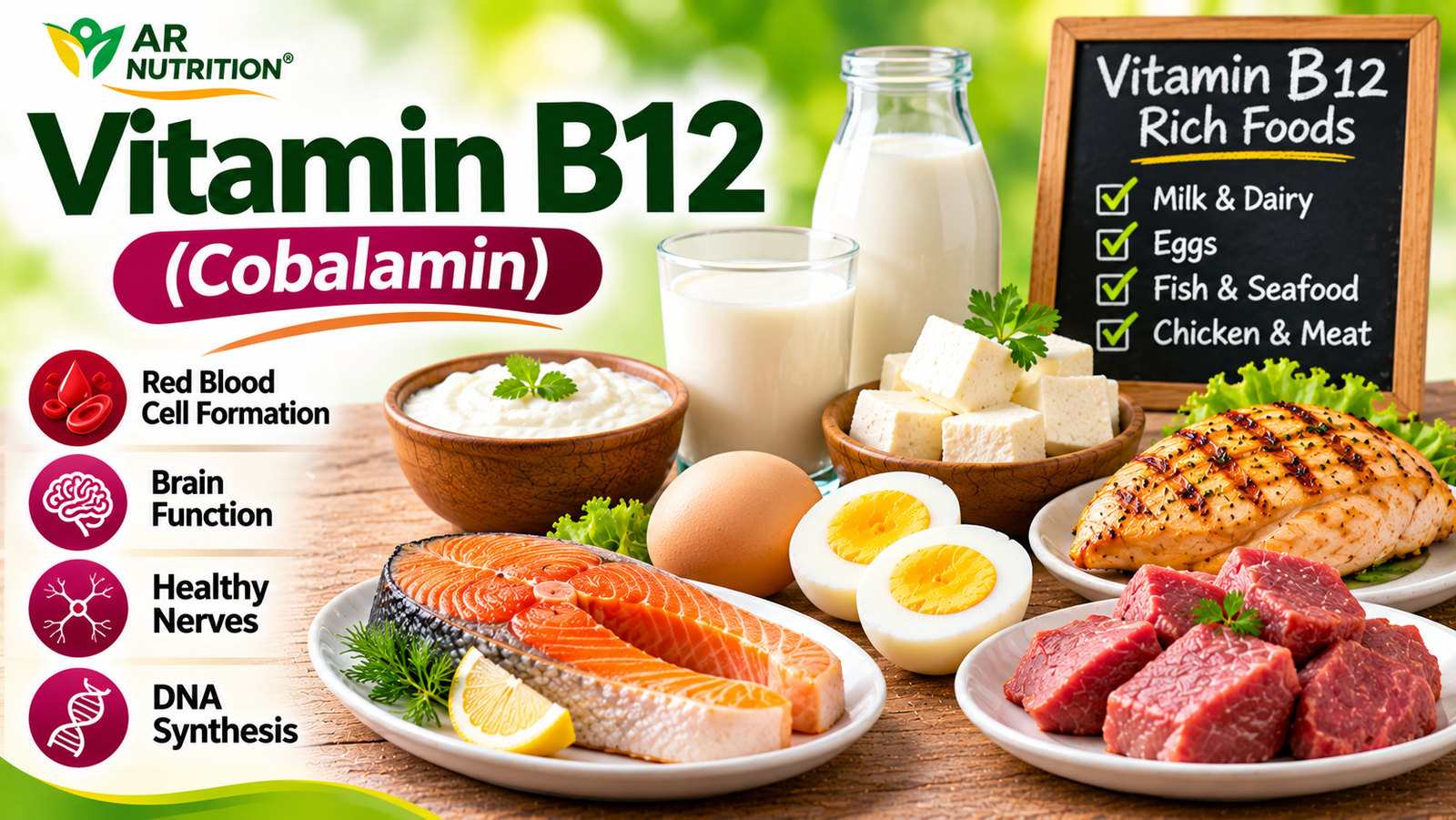
Vitamin B12 deficiency
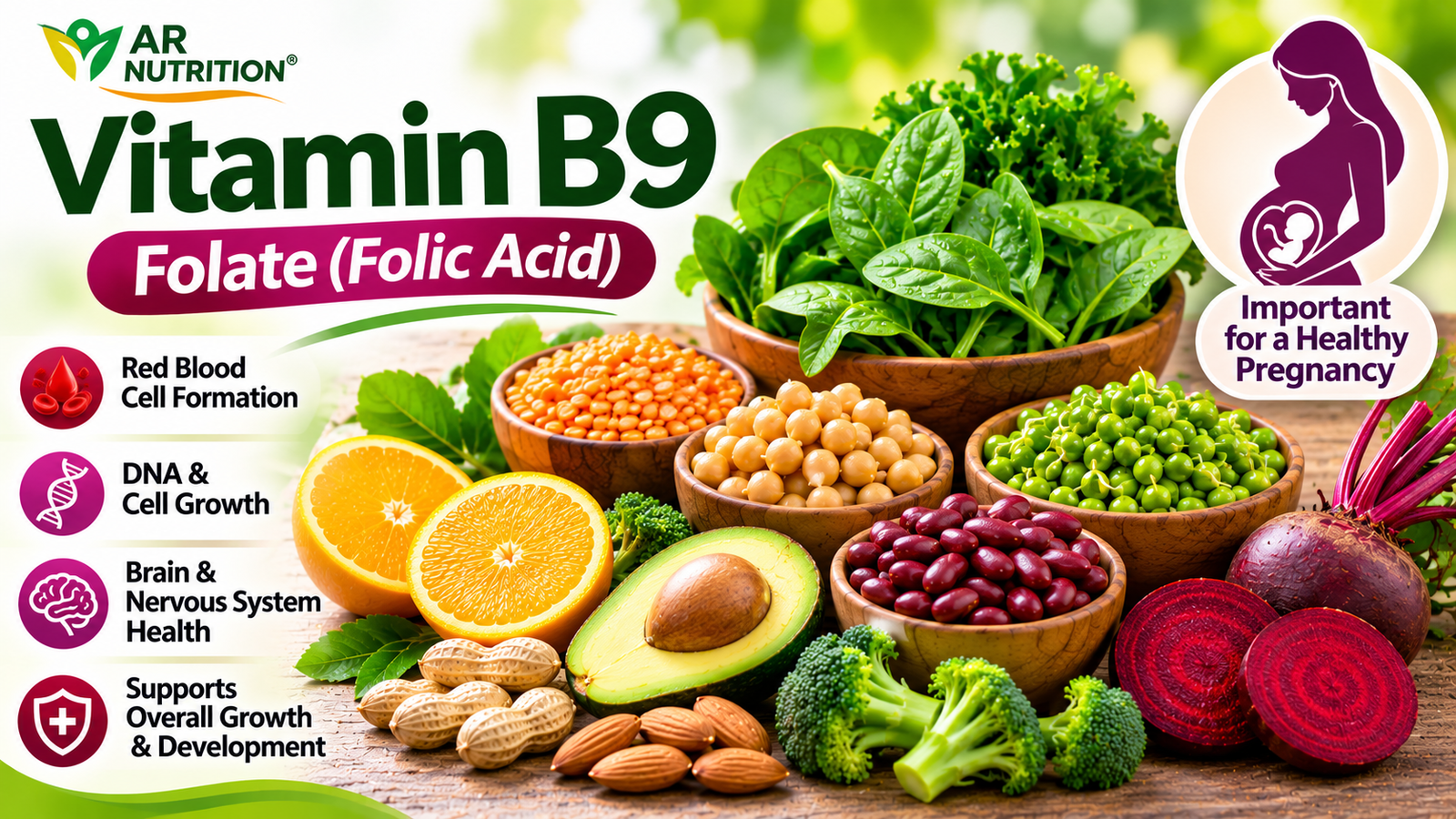
Folate deficiency
Thyroid disorders
Chronic illness
Depression or other mental-health conditions
Anemia from causes other than iron deficiency
The appropriate approach is to identify the underlying problem.
Common Forms of Iron Supplements
Iron supplements are available in different chemical forms.
Common forms include:
Ferrous sulfate
Ferrous fumarate
Ferrous gluconate
Ferric salts
Iron amino-acid chelates
Polysaccharide-iron complexes
Other specialized formulations
One important point is that the amount of elemental iron matters.
Different iron compounds contain different proportions of elemental iron. For example, NIH notes that ferrous fumarate is about 33% elemental iron, ferrous sulfate about 20%, and ferrous gluconate about 12%.
Therefore, two tablets can have the same total compound weight but provide different amounts of elemental iron.
Side Effects of Iron Supplements
Iron supplements commonly cause gastrointestinal side effects, particularly at higher doses.
Possible effects include:
Nausea
Constipation
Abdominal discomfort
Diarrhea
Vomiting
Dark or black stools
Taking iron with food may reduce some gastrointestinal discomfort, although food can also reduce absorption depending on what is eaten.
If side effects are significant, discuss the formulation, dose and schedule with a healthcare professional rather than simply stopping treatment or changing to a random supplement.
Can You Take Too Much Iron?
Yes, Iron is essential, but excessive iron intake can be harmful.
For healthy adults, the US tolerable upper intake level is 45 mg/day from all sources, although this should not be interpreted as a treatment limit. A doctor may deliberately prescribe higher doses for a defined period when treating iron deficiency.
High doses can cause gastrointestinal symptoms, and very large amounts can result in serious toxicity.
Iron overdose is particularly dangerous in children.
Some people with disorders causing iron accumulation, such as hereditary haemochromatosis, need particular medical guidance regarding iron supplementation.
Iron and Thyroid Medicine
This is especially important for people taking levothyroxine.
Iron supplements can reduce the absorption and effectiveness of levothyroxine when taken together.
NIH notes that some levothyroxine product information advises separating levothyroxine and iron supplements by at least 4 hours.
Therefore, if you take thyroid medication, do not simply add an iron supplement to your routine without discussing timing with your doctor or pharmacist.
Iron and Calcium
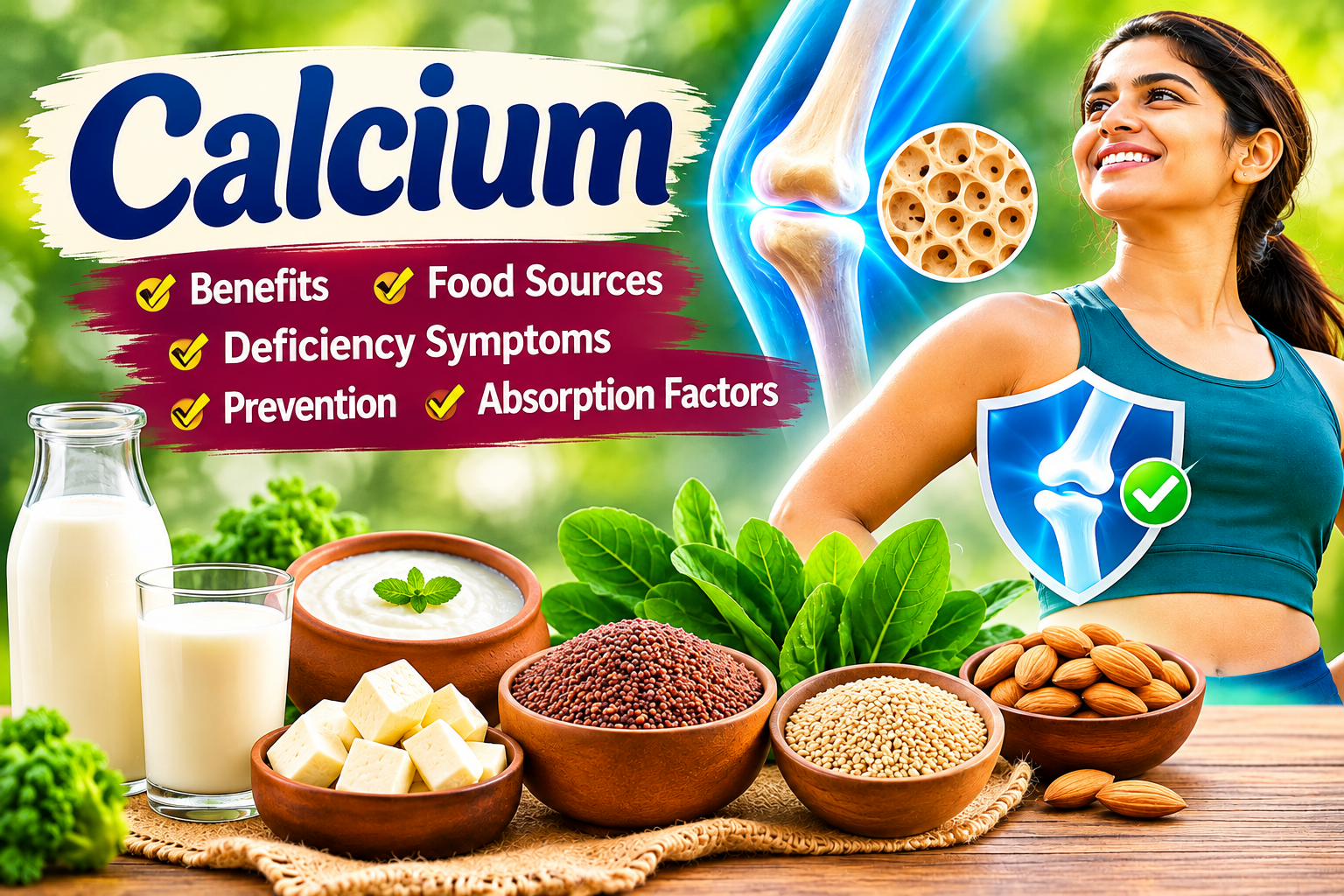
Calcium may interfere with iron absorption.
For this reason, people taking separate calcium and iron supplements are often advised to take them at different times.
This is particularly relevant when someone takes multiple supplements throughout the day.
Should You Take Iron With Vitamin C?
Vitamin C can enhance absorption of non-heme iron.
A practical food based approach is to combine iron-rich plant foods with vitamin C rich foods such as:
Amla
Guava
Lemon
Orange
Mosambi
Tomato
Capsicum
Other fruits and vegetables rich in vitamin C
Whether additional vitamin C supplementation is necessary depends on the person's overall diet and medical situation.
Iron Supplements During Pregnancy
Pregnancy is one situation where iron supplementation has a strong public-health role.
WHO recommends daily iron and folic acid supplementation during pregnancy because it reduces the risk of maternal anemia and iron deficiency and can improve important pregnancy outcomes.
The WHO recommendation is 30-60 mg elemental iron plus 400 µg folic acid daily.
However, the exact clinical management of anemia during pregnancy should be determined by the antenatal care provider.
Pregnant women should not self-prescribe high-dose iron based only on an internet article.
Indian Diet Example for Better Iron Intake
A practical Indian meal pattern could include:
Breakfast:
Ragi dosa + sambar + tomato chutney
Mid-morning:
Guava or amla
Lunch:
Rice/roti + dal + green leafy vegetable + vegetable sabzi + lemon
Evening:
Roasted chana + fruit
Dinner:
Rajma/chana/soy-based curry + roti/rice + vegetables
This is only an example, not a personalized therapeutic diet.
For non-vegetarians, foods such as fish, poultry and meat can provide heme iron and may also enhance the absorption of non-heme iron when consumed as part of the same meal.
10 Practical Tips to Improve Iron Nutrition
Include an iron rich food regularly.
Use dal, beans, chickpeas, rajma, soy, millets, seeds and leafy vegetables.
Add lemon, amla, guava, tomato or another vitamin-C rich food.
Use soaking, sprouting and fermentation where appropriate.
Avoid tea or coffee immediately with iron-rich meals if iron status is low.
Maintain dietary variety rather than relying on one "superfood."
If you eat a vegetarian diet, pay attention to overall protein and micronutrient quality.
If menstruation is heavy, discuss possible iron deficiency with a healthcare professional.
During pregnancy, follow the prescribed iron-folic-acid supplementation programme.
Do not start high dose iron supplements simply because you feel tired.
Frequently Asked Questions About Iron
Is iron good for weakness?
Iron can help correct weakness caused by iron deficiency or iron deficiency anemia. But weakness has many possible causes, so iron should not automatically be considered the solution.
Which Indian foods are high in iron?
Dal, chickpeas, rajma, soy, ragi, bajra, sesame seeds, pumpkin seeds, leafy vegetables, nuts and fortified foods can contribute iron to the Indian diet.
Is spinach a good source of iron?
Spinach contains iron, but its iron is non-heme iron and its absorption is affected by other components of the food. It should be considered one part of a varied diet rather than the sole strategy for preventing iron deficiency.
Can vegetarians get enough iron?
Yes. A well planned vegetarian diet containing legumes, millets, seeds, nuts, vegetables and fortified foods can provide substantial iron. Combining plant iron sources with vitamin C rich foods can improve non-heme iron absorption.
Should everyone with low hemoglobin take iron?
No. Low hemoglobin indicates anemia, but anemia has multiple possible causes. The cause should be evaluated before starting long term iron supplementation.
Can iron supplements cause constipation?
Yes. Constipation and other gastrointestinal symptoms are common with higher dose iron supplements. If this occurs, discuss the dose or formulation with a healthcare professional.
Can I take iron with thyroid medicine?
Iron can interfere with levothyroxine absorption. These medicines generally need to be separated, commonly by at least four hours, according to levothyroxine product guidance. Discuss the exact schedule with your doctor or pharmacist.
Is more iron better?
No. Iron is an essential nutrient, but excessive supplemental iron can cause adverse effects and toxicity. The goal is adequate iron not excessive iron.
The Bottom Line
Iron is essential for oxygen transport, energy metabolism, red blood cell production, neurological function and normal physiological processes.
For Indians, practical iron sources include dal, chickpeas, rajma, soy, ragi, bajra, sesame seeds, pumpkin seeds, green leafy vegetables, nuts and fortified foods, while meat, poultry and seafood provide highly bioavailable heme iron.
For better absorption of plant-based iron, combine iron-rich foods with vitamin-C rich foods and avoid drinking tea or coffee immediately with iron-rich meals when iron status is a concern.
Most importantly, anemia is not automatically the same as iron deficiency. If hemoglobin is low or symptoms suggest possible iron deficiency, appropriate laboratory evaluation can help identify the cause.
Iron supplements can be extremely effective when there is a genuine need, but high dose supplementation should be used under appropriate medical or nutrition professional guidance. This is particularly important during pregnancy, in people taking thyroid medication, and in anyone with a condition that may cause iron accumulation.
A food first approach, appropriate testing when indicated, and personalized supplementation are generally safer than taking iron tablets simply because "iron is good for the body."
Evidence & References
ICMR-National Institute of Nutrition (ICMR-NIN). Nutrient Requirements for Indians, Recommended Dietary Allowances (RDA) and Estimated Average Requirements (EAR), 2020.
ICMR-NIN. Evidence and safety information relating to iron-fortified rice and iron requirements in Indian populations.
National Institutes of Health, Office of Dietary Supplements. Iron Health Professional Fact Sheet. Updated September 2025.
World Health Organization. Daily iron and folic acid supplementation during pregnancy. Updated July 2024.
World Health Organization. Evidence review of daily oral iron supplementation during pregnancy.
💬 Comments (0)
Be respectful. Website links and phone numbers are not allowed.