
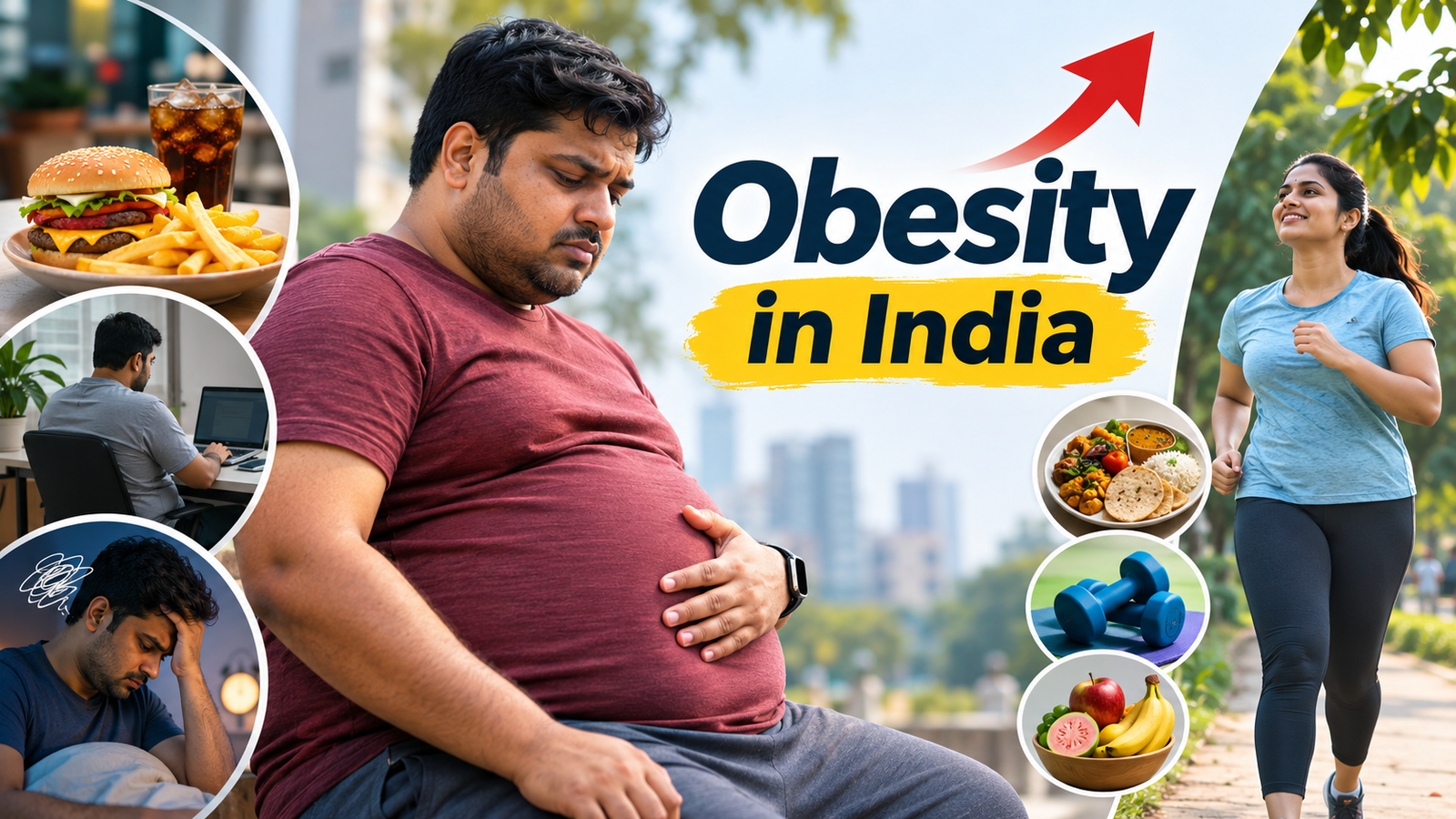
Obesity has become one of the major public health challenges of the 21st century. India, traditionally recognized for facing problems such as undernutrition, micronutrient deficiencies and food insecurity, is now experiencing another nutritional challenge: a rapidly increasing burden of overweight, obesity and metabolic diseases.
The country is facing a double burden of malnutrition. Undernutrition and micronutrient deficiencies continue to affect millions of people, while overweight, obesity, type 2 diabetes, hypertension and cardiovascular diseases are becoming increasingly common.
Obesity is no longer restricted to wealthy families, metropolitan cities or individuals who regularly consume fast food. It affects people from different socioeconomic backgrounds, age groups and geographical regions.
An important concern in India is the development of metabolic complications at relatively lower body mass index (BMI) levels. Many Indians accumulate excessive abdominal fat even when their overall body weight appears normal.
Changing dietary habits, increased consumption of energy-dense foods, sedentary occupations, inadequate physical activity, poor sleep, psychological stress, urbanization and genetic susceptibility all contribute to this problem.
However, obesity cannot be explained simply by saying that people eat too much and exercise too little. It is a complex, chronic disease involving interactions between biological, behavioral, environmental, psychological and socioeconomic factors.
Understanding why obesity is increasing in India is essential for developing effective nutritional strategies, public health interventions and individual treatment programmes.
This article discusses the current obesity situation in India, national statistics, scientific explanations, Indian dietary habits, metabolic complications, childhood obesity, prevention strategies and evidence-based treatment approaches.
1. What Is Obesity?
Obesity is a chronic, complex disease characterized by excessive or abnormal accumulation of body fat that may impair health.
It is important to understand that obesity is not simply an increase in body weight. A person's body weight includes muscle, bones, organs, body water and adipose tissue. Therefore, higher body weight does not automatically indicate excessive body fat.
For example, an athlete with considerable muscle mass may have a high BMI without having excessive body fat. Conversely, an individual with a normal BMI may have excessive abdominal fat and increased metabolic risk.
Obesity develops through interactions between energy intake, energy expenditure, appetite regulation, genetics, hormones, metabolism and environmental influences.
1.1 Difference Between Overweight and Obesity
Overweight and obesity are related but distinct conditions.
Overweight refers to body weight above the recommended range relative to height.
Obesity refers to excessive accumulation of body fat that may negatively affect health.
BMI is commonly used to classify both conditions in adults.
1.2 Body Mass Index (BMI)
Body Mass Index is calculated using body weight and height.
Formula:
BMI = Weight in kilograms / Height in metres²
For example:
A person weighs 80 kg and has a height of 1.70 meters.
BMI = 80 / (1.70 × 1.70)
BMI = 27.7 kg/m²
This individual falls within the overweight category under conventional WHO adult classification.
1.3 WHO Classification of BMI
| BMI (kg/m²) | Classification |
|---|---|
| Below 18.5 | Underweight |
| 18.5-24.9 | Normal weight |
| 25.0-29.9 | Overweight |
| 30.0-34.9 | Obesity class I |
| 35.0-39.9 | Obesity class II |
| 40 or above | Obesity class III |
These are conventional adult BMI categories. Asian populations require additional consideration because metabolic risk can develop at lower BMI levels.
1.4 BMI Classification and Risk Among Asian Indians
Asian Indians often develop metabolic abnormalities at lower BMI values than some European populations.
For Asian Indian adults, commonly used public health action points are:
BMI of 23 kg/m²: increased metabolic risk.
BMI of 25 kg/m²: higher metabolic risk and a commonly used obesity threshold in Asian Indian research.
These are population-specific screening thresholds and should not be confused with the conventional WHO classification.
BMI is useful for population screening, but it cannot directly measure body fat percentage or distinguish between muscle and fat mass.
2. Current Status of Obesity in India: What Do the Latest Statistics Show?
India is experiencing a significant increase in excess body weight. Recent national surveys and research studies demonstrate that obesity and metabolic abnormalities are major public health concerns.
Different studies report different prevalence figures because they use different age groups, BMI thresholds, waist measurements, study populations and research methods.
Therefore, it is essential to understand what each statistic actually measures.
2.1 National Family Health Survey (NFHS-6), 2023-24
The National Family Health Survey is one of India's major sources of population-level health and nutrition data.
According to the NFHS-6 national fact sheet, the proportion of women and men aged 15-49 years with a BMI of 25 kg/m² or above has increased compared with NFHS-5.
| Population | NFHS-5 (2019-21) | NFHS-6 (2023-24) |
|---|---|---|
| Women aged 15-49 | 24.0% | 30.7% |
| Men aged 15-49 | 22.9% | 27.3% |
These figures represent overweight or obesity combined, using BMI ≥25 kg/m². They must not be interpreted as obesity prevalence alone.
The increase indicates a substantial rise in excess body weight among both women and men.
2.2 Urban and Rural Differences
The NFHS-6 data also demonstrate differences between urban and rural populations.
| Population | Urban | Rural |
|---|---|---|
| Women | 42.8% | 25.5% |
| Men | 36.3% | 23.0% |
Urban populations show a higher prevalence of overweight or obesity.
Several factors may contribute, including sedentary occupations, motorised transportation, increased availability of energy-dense foods, prolonged sitting and reduced opportunities for routine physical activity.
However, obesity is also increasing in rural communities. Rural populations should not be excluded from obesity prevention programmes.
2.3 What Does the ICMR-INDIAB Study Reveal?
The ICMR-INDIAB study is one of the most important national investigations of metabolic diseases in India.
The research, published in The Lancet Diabetes & Endocrinology in 2023, included 113,043 individuals from rural and urban areas.
Its weighted prevalence estimates included:
| Health condition | Prevalence |
|---|---|
| Generalised obesity | 28.6% |
| Abdominal obesity | 39.5% |
| Type 2 diabetes | 11.4% |
| Prediabetes | 15.3% |
| Hypertension | 35.5% |
The study used Asian Pacific criteria for generalised and abdominal obesity.
These figures should not be directly compared with NFHS-6 because the study populations, age groups and measurement criteria differ.
Nevertheless, the findings demonstrate the considerable burden of obesity and metabolic diseases in India.
2.4 Obesity Among Children and Adolescents
Childhood obesity is another growing concern.
According to NFHS-5, approximately 3.4% of children under five years were overweight, compared with 2.1% in NFHS-4.
However, children under five represent only one age group. School-aged children and adolescents must also be considered.
A 2025 analysis published in The Lancet estimated that India had approximately 1.3 crore boys and 1.24 crore girls living with obesity in 2021.
The research also projected further increases by 2050 if current trends continue.
Childhood obesity is particularly concerning because excessive weight during childhood may continue into adulthood and increase the likelihood of early metabolic complications.
2.5 WHO Estimates of Adult Obesity
The World Health Organization's country data report an age-standardised adult obesity prevalence of approximately 7.2% for India in 2022.
This figure uses BMI ≥30 kg/m² and a modelled international estimate.
It is not directly comparable with NFHS-6, which reports overweight or obesity using BMI ≥25 among adults aged 15-49 years.
2.6 Important Finding: Metabolic Obesity Without Conventional Obesity
A particularly important finding comes from the 2025 ICMR-INDIAB study on metabolic obesity.
Researchers identified four metabolic and weight-related categories:
| Category | Prevalence |
|---|---|
| Metabolically healthy non-obese | 26.6% |
| Metabolically healthy obese | 1.8% |
| Metabolically obese non-obese | 43.3% |
| Metabolically obese obese | 28.3% |
The metabolically obese non-obese category is especially important.
These individuals may have BMI below 25 kg/m² but still have multiple metabolic risk factors, including increased waist circumference, raised blood glucose, high triglycerides, low HDL cholesterol or elevated blood pressure.
This demonstrates why BMI alone cannot identify every individual at metabolic risk.
The overall evidence indicates that India is experiencing both increasing excess body weight and a substantial burden of metabolic abnormalities.
3. Why Are Indians Particularly Vulnerable to Obesity and Metabolic Diseases?
South Asians, including Indians, often develop metabolic abnormalities at lower BMI values than some other populations.
Several biological and body-composition characteristics may contribute.
3.1 Higher Body Fat Percentage
At the same BMI, some South Asian individuals may have a higher body fat percentage than individuals from certain other populations.
This means that two people with identical BMI values may have very different body compositions.
3.2 Increased Abdominal Fat Accumulation
Abdominal fat accumulation is a major metabolic concern.
Excess fat around internal abdominal organs is known as visceral adipose tissue.
Visceral fat is metabolically active and releases free fatty acids and inflammatory substances that may interfere with insulin signaling.
3.3 Lower Relative Muscle Mass
Some South Asian individuals have relatively lower skeletal muscle mass compared with body fat.
Skeletal muscle is an important site of glucose uptake.
Reduced muscle mass combined with excess body fat may contribute to insulin resistance and metabolic abnormalities.
3.4 Thin-Fat Phenotype
The term thin-fat phenotype is sometimes used to describe individuals who appear relatively thin but have excessive body fat and metabolic risk.
Such individuals may have a normal BMI but increased abdominal fat, low muscle mass and insulin resistance.
This is one reason why healthcare professionals should measure waist circumference and assess metabolic markers rather than relying entirely on body weight.
4. Major Causes of Increasing Obesity in India
Obesity is a multifactorial condition. No single food, hormone or lifestyle habit explains every case.
The following factors contribute to the growing obesity burden.
4.1 Increased Consumption of Energy-Dense Foods
One of the major contributors is the changing Indian food environment.
Energy-dense foods provide substantial calories in relatively small portions.
Examples include:
Fried snacks.
Packaged namkeen.
Biscuits and cookies.
Cakes and pastries.
Pizza and burgers.
Instant noodles.
Confectionery.
Sugar-rich desserts.
These foods may be consumed frequently because they are convenient, affordable, widely available and highly palatable.
Regular consumption can make it easier to exceed daily energy requirements.
The problem is not occasional consumption but the overall dietary pattern and frequency of intake.
4.2 Increased Consumption of Ultra-Processed Foods
Ultra-processed foods are industrially formulated products that may contain ingredients and additives not commonly used in ordinary home cooking.
Examples include many packaged snacks, sweetened beverages, confectionery products and ready-to-eat foods.
Some ultra-processed foods are high in added sugar, saturated fat and sodium while providing relatively little dietary fiber.
A controlled feeding study by Hall and colleagues, published in Cell Metabolism in 2019, found that participants consumed approximately 500 additional calories per day during an ultra-processed diet phase compared with a minimally processed diet phase.
Participants also gained weight during the ultra-processed diet phase.
This provides experimental evidence that food processing, palatability and eating environments can influence calorie consumption.
However, not every packaged food is unhealthy. Nutritional composition, portion size and frequency matter.
4.3 Excessive Consumption of Refined Carbohydrates
India has a cereal-based dietary culture.
Rice, wheat, bread, poha, dosa, idli and upma are common carbohydrate sources.
Carbohydrates are not inherently responsible for obesity. They provide energy and can form part of a balanced diet.
The problem may arise when people regularly consume large portions of refined cereals while eating inadequate protein, vegetables and dietary fiber.
For example, a meal consisting of a large serving of white rice with a small quantity of dal and very few vegetables may provide substantial energy without adequate dietary diversity.
The objective should be to improve meal composition and portion balance rather than eliminate rice or roti.
4.4 Excessive Consumption of Cooking Oil and Fried Foods
Fat provides approximately 9 kcal per gram, whereas carbohydrates and protein provide approximately 4 kcal per gram.
Consequently, excessive use of cooking oil can significantly increase the calorie content of meals.
Common examples include:
Puri.
Pakora.
Samosa.
Kachori.
Deep-fried snacks.
Paratha prepared with excessive ghee or oil.
Dietary fat is essential for health. The objective is to consume appropriate quantities and choose healthier sources.
4.5 Sugar-Sweetened Beverages
Sugar-sweetened beverages can contribute to excess calorie intake.
Examples include:
Soft drinks.
Packaged fruit drinks.
Sweetened tea and coffee.
Energy drinks.
Sugar-rich milk-based beverages.
Liquid calories may not produce the same level of fullness as solid foods.
Regular consumption can therefore contribute to excessive energy intake.
Whole fruits should not be confused with sugary fruit beverages. Whole fruits provide dietary fibre and require chewing.
4.6 Sedentary Lifestyle
Modern working patterns have significantly reduced routine physical activity for many people.
Common examples include:
Sitting at a desk for 8–10 hours.
Travelling by car or two-wheeler.
Spending several hours using smartphones.
Watching television during leisure time.
Reduced participation in outdoor activities.
A person may exercise for 45 minutes but remain sedentary for most of the remaining day.
Therefore, daily movement is important in addition to structured exercise.
4.7 Reduced Walking and Active Transportation
Urbanization has changed transportation habits.
People increasingly depend on motorized transportation even for relatively short distances.
Traffic congestion, poor footpaths, unsafe roads and limited recreational spaces can discourage walking and cycling.
This demonstrates that obesity is not exclusively an individual behavioral problem. The surrounding environment also influences physical activity.
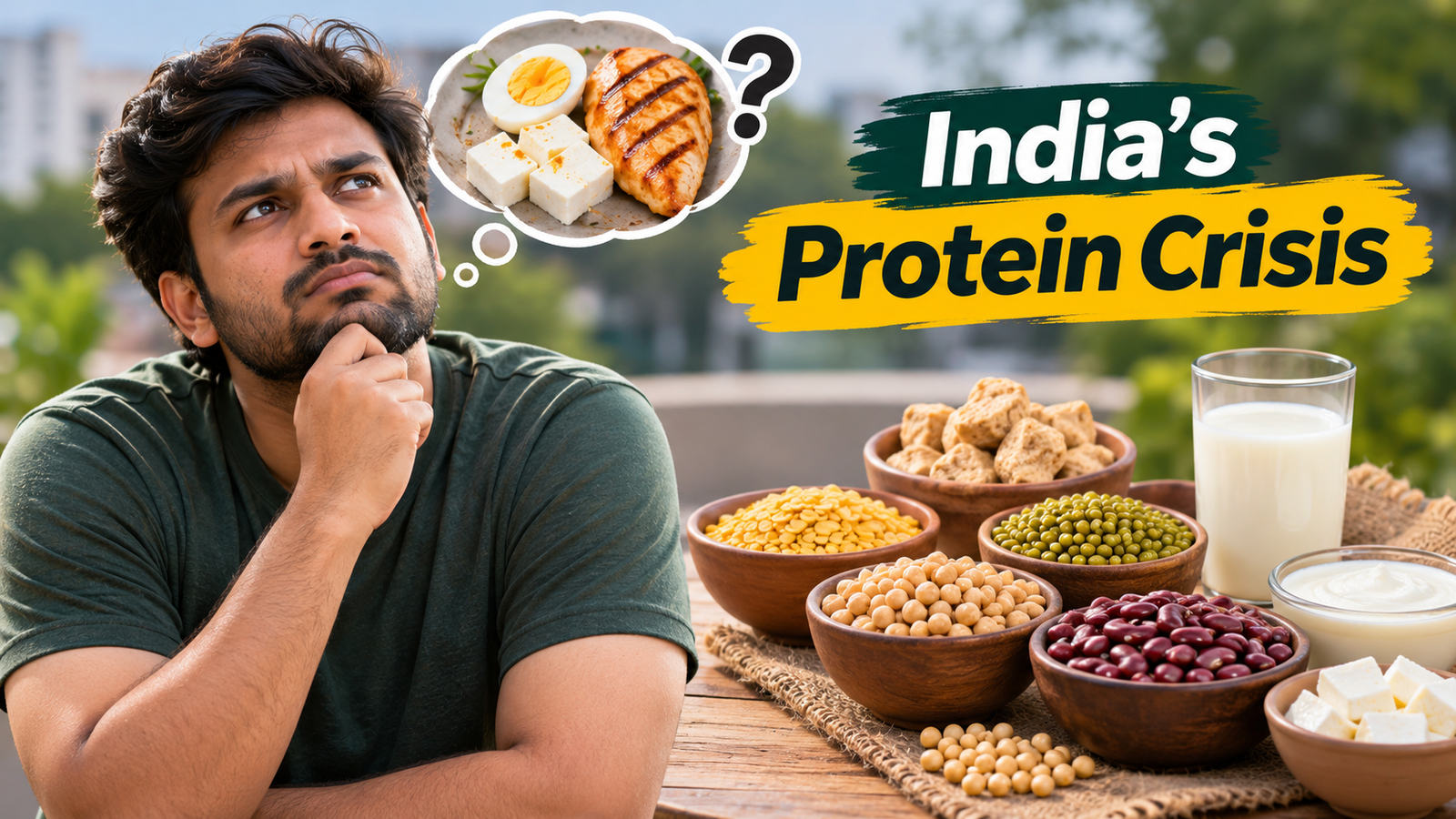
4.8 Inadequate Protein Intake and Poor Dietary Balance
Protein is essential for muscle maintenance, tissue repair, metabolic functions and appetite regulation.
Some Indian dietary patterns are predominantly cereal-based and may provide insufficient protein depending on the food choices and portion sizes.
Good protein sources include:
Dal.
Chickpeas.
Rajma.
Soybeans.
Tofu.
Milk.
Curd.
Paneer.
Eggs.
Fish and lean meat for individuals who consume animal foods.
Adequate protein may support satiety and help preserve lean body mass during weight reduction.
However, protein deficiency is not a universal cause of obesity. Increasing protein alone does not guarantee weight loss.
4.9 Inadequate Sleep
Sleep plays an important role in appetite regulation and metabolic health.
Insufficient sleep may influence hormones involved in hunger and satiety, food preferences and glucose regulation.
People who regularly sleep for insufficient hours may experience:
Increased hunger.
Greater cravings for energy-dense foods.
Irregular eating patterns.
Reduced physical activity.
Increased opportunities for late-night snacking.
Sleep improvement should therefore be considered part of obesity prevention.
4.10 Chronic Stress and Emotional Eating
Psychological stress can influence eating behavior.
Some individuals respond to stress by eating less, whereas others develop emotional eating patterns.
Common triggers include work pressure, financial difficulties, family responsibilities, anxiety and loneliness.
Highly palatable foods may provide temporary emotional comfort.
Repeated dependence on food for emotional regulation may contribute to excessive energy intake.
However, not everyone experiencing stress develops obesity. Individual responses vary.
4.11 Genetic and Epigenetic Factors
Genetics influence appetite regulation, body composition, fat distribution, energy expenditure and susceptibility to obesity.
Some individuals have a stronger genetic predisposition to excessive weight gain.
However, genes alone cannot explain the rapid increase in obesity prevalence over recent decades.
Genetic susceptibility interacts with environmental factors, including food availability, physical activity and early-life nutrition.
Epigenetic mechanisms may also influence gene expression in response to environmental exposures.
4.12 Hormonal and Medical Conditions
Certain medical conditions may contribute to weight gain.
Examples include:
Hypothyroidism.
Cushing's syndrome.
Polycystic ovary syndrome.
Hypothalamic disorders.
Menopause-related changes.
Certain sleep disorders.
Some medications may also contribute to weight gain, including certain antidepressants, antipsychotics, corticosteroids and diabetes medications.
However, these conditions should not automatically be assumed to explain every case of obesity.
For example, hypothyroidism can contribute to weight gain, but it generally does not explain severe obesity on its own.
Medical evaluation is important when weight gain is rapid, unexplained or associated with other symptoms.
4.13 Urbanization and Economic Transition
Economic development has improved access to transportation, technology, household appliances and convenience foods.
These developments have many benefits, but they can also reduce routine energy expenditure.
At the same time, energy-dense foods have become more accessible.
Urbanization can therefore create an environment in which calorie consumption becomes easier while everyday physical activity decreases.
4.14 Social Habits and Food Culture
Food is closely connected with Indian culture.
Festivals, weddings, celebrations and family gatherings often involve sweets, fried snacks and rich meals.
Eating outside the home has also become more common.
There is nothing inherently wrong with enjoying traditional foods or participating in celebrations.
However, frequent consumption of energy-dense foods combined with low physical activity may contribute to gradual weight gain.
4.15 Early-Life Nutrition and Childhood Feeding Practices
Obesity risk can begin early in life.
Important factors include:
Maternal nutrition.
Maternal obesity.
Gestational diabetes.
Birth weight.
Breastfeeding and complementary feeding practices.
Childhood dietary patterns.
Sleep quality.
Physical activity.
Early-life nutritional experiences may influence growth, appetite regulation and later metabolic health.
5. Understanding Abdominal Obesity and Visceral Fat
Abdominal obesity refers to excessive fat accumulation around the waist.
It is particularly important in India because visceral fat is associated with increased metabolic risk.
There are two major types of abdominal fat.
5.1 Subcutaneous Fat
Subcutaneous fat is stored beneath the skin.
It can be felt or pinched around the abdomen, thighs and other body areas.
5.2 Visceral Fat
Visceral fat is stored deeper inside the abdominal cavity, surrounding internal organs such as the liver and intestines.
It is metabolically active and releases free fatty acids and inflammatory mediators.
Excess visceral fat is associated with:
Insulin resistance.
Type 2 diabetes.
High triglycerides.
Low HDL cholesterol.
Hypertension.
Cardiovascular disease.
Metabolic dysfunction-associated steatotic liver disease.
5.3 Waist Circumference
Waist circumference is a practical measurement for identifying abdominal obesity.
Commonly used Asian Indian screening thresholds are:
| Sex | Waist circumference |
|---|---|
| Men | 90 cm or above |
| Women | 80 cm or above |
These measurements should be interpreted alongside BMI and other clinical risk factors.
5.4 Waist-to-Height Ratio
Waist-to-height ratio is calculated by dividing waist circumference by height using the same measurement unit.
WHtR = Waist circumference / Height
A commonly used screening message is to keep waist circumference below half of height.
For example, for an individual with a height of 170 cm, a waist circumference below approximately 85 cm is a useful general screening target.
This is not a stand-alone diagnostic test.
6. Health Complications Associated With Obesity
Obesity affects multiple organ systems and increases the risk of several chronic diseases.
The risk depends on body fat distribution, duration of obesity, genetic susceptibility and associated metabolic abnormalities.
6.1 Type 2 Diabetes Mellitus
Obesity, especially abdominal obesity, is strongly associated with insulin resistance.
When skeletal muscle, liver and adipose tissue become less responsive to insulin, glucose regulation becomes increasingly difficult.
Initially, the pancreas compensates by producing more insulin.
Over time, pancreatic beta cells may become unable to maintain sufficient insulin secretion, resulting in elevated blood glucose.
6.2 Cardiovascular Diseases
Obesity contributes to several cardiovascular risk factors, including:
Hypertension.
Increased triglycerides.
Reduced HDL cholesterol.
Insulin resistance.
Chronic inflammation.
Endothelial dysfunction.
These factors increase the risk of coronary artery disease, heart failure and stroke.
6.3 Hypertension
Obesity can increase blood pressure through multiple mechanisms.
These include increased sympathetic nervous system activity, activation of the renin-angiotensin-aldosterone system, sodium retention and changes in kidney function.
Weight management and regular physical activity can help improve blood pressure control.
6.4 Metabolic Dysfunction-Associated Steatotic Liver Disease (MASLD)
Excess fat accumulation in the liver is associated with obesity and insulin resistance.
The condition previously known as non-alcoholic fatty liver disease (NAFLD) is increasingly referred to as metabolic dysfunction-associated steatotic liver disease (MASLD).
It can progress through several stages:
Hepatic steatosis.
Metabolic dysfunction-associated steatohepatitis (MASH).
Liver fibrosis.
Cirrhosis.
Increased risk of liver-related complications.
Not everyone with fatty liver develops severe liver disease, but early identification is important.
6.5 Dyslipidemia
Obesity is associated with changes in blood lipid levels.
Common abnormalities include elevated triglycerides, reduced HDL cholesterol and increased atherogenic lipoproteins in some individuals.
These abnormalities contribute to cardiovascular risk.
6.6 Chronic Kidney Disease
Obesity may contribute to kidney damage through hypertension, diabetes, inflammation and increased filtration pressure within the kidneys.
It is also associated with obesity-related glomerulopathy.
6.7 Obstructive Sleep Apnoea
Excess fat accumulation around the neck and upper airway can increase the likelihood of obstructive sleep apnoea.
Common symptoms include:
Loud snoring.
Interrupted breathing during sleep.
Morning headaches.
Excessive daytime sleepiness.
Poor concentration.
Untreated sleep apnoea may worsen hypertension and metabolic health.
6.8 Osteoarthritis and Joint Problems
Excess body weight increases the mechanical load on weight-bearing joints.
The knees, hips and lower back are commonly affected.
Inflammatory substances released from adipose tissue may also contribute to joint inflammation and degeneration.
6.9 Certain Cancers
Obesity is associated with increased risk of several cancers, including:
Colorectal cancer.
Postmenopausal breast cancer.
Endometrial cancer.
Kidney cancer.
Liver cancer.
Pancreatic cancer.
The relationship involves hormonal changes, chronic inflammation and insulin signaling.
6.10 Reproductive Health Complications
Obesity can affect reproductive health in both men and women.
In women, it may contribute to menstrual irregularities, insulin resistance, PCOS-related metabolic complications, reduced fertility and pregnancy complications.
In men, obesity may be associated with altered testosterone levels, erectile dysfunction and reduced reproductive health.
6.11 Mental Health and Social Consequences
People living with obesity may experience weight-related stigma, discrimination, body dissatisfaction, anxiety and depression.
Healthcare professionals should avoid blaming or humiliating patients.
Compassionate and non-judgmental support is important for successful long-term obesity management.
7. Childhood Obesity in India
Childhood obesity deserves special attention because excessive weight during childhood may continue into adulthood.
Several factors contribute to childhood obesity.
7.1 Excessive Screen Time
Children increasingly spend time using smartphones, tablets, computers and televisions.
When screen time replaces outdoor play and physical activity, overall energy expenditure may decrease.
7.2 Frequent Consumption of Packaged Snacks
Chips, biscuits, chocolates, confectionery and sweetened beverages may become regular parts of children's diets.
7.3 Limited Physical Education
Academic pressure and examination preparation can reduce the time available for sports and outdoor activities.
7.4 Inadequate Sleep
Irregular sleep patterns may influence appetite regulation and metabolic health.
7.5 Family Dietary Patterns
Children often develop food preferences based on the dietary habits of parents and other family members.
7.6 Health Consequences
Childhood obesity is associated with:
Insulin resistance.
Type 2 diabetes.
High blood pressure.
Abnormal lipid profiles.
Fatty liver disease.
Orthopedic problems.
Sleep apnoea.
Psychological difficulties.
7.7 Prevention and Management
Childhood obesity management should involve the entire family.
Recommended strategies include:
Encouraging outdoor games.
Providing balanced meals.
Reducing sugar-sweetened beverages.
Offering vegetables and whole fruits.
Maintaining regular sleeping schedules.
Limiting recreational screen time.
Encouraging family physical activity.
Children should not be placed on restrictive adult weight-loss diets.
BMI must be interpreted using age- and sex-specific growth charts, and nutritional adequacy must be maintained for normal growth and development.
8. Is Traditional Indian Food Responsible for Obesity?
One of the most common misconceptions is that rice, roti, potatoes or carbohydrates are responsible for obesity.
However, obesity is not caused by one particular food or macronutrient.
Traditional Indian diets can be nutritionally balanced and compatible with healthy body weight.
The important factors are dietary quality, portion size, food preparation, dietary diversity and overall energy intake.
8.1 Rice
Rice is a staple food in many Indian households.
It provides carbohydrates and energy.
White rice is generally lower in fiber than many whole-grain alternatives, but it is not inherently fattening.
Portion size, accompanying foods and overall dietary patterns matter.
A balanced rice-based meal can include dal, vegetables, curd and an adequate protein source.
8.2 Wheat and Roti
Whole-wheat roti provides carbohydrates, some protein and dietary fiber.
However, consuming very large quantities of roti while eating inadequate vegetables and protein may result in an unbalanced meal.
The objective is to balance portions rather than eliminate wheat.
8.3 Potatoes
Potatoes are frequently blamed for obesity.
However, boiled or roasted potatoes can be part of a balanced diet.
The nutritional consequences differ depending on preparation methods.
Boiled potatoes, deep-fried chips and French fries are not nutritionally equivalent.
8.4 Dal and Pulses
Dal, chickpeas, rajma, peas and other pulses are valuable components of Indian diets.
They provide protein, complex carbohydrates, fiber and several micronutrients.
Regular consumption of pulses can improve dietary quality and satiety.
8.5 Fruits
Whole fruits are valuable sources of fiber, vitamins, minerals and phytochemicals.
Examples include:
Guava.
Papaya.
Orange.
Apple.
Watermelon.
Banana.
Seasonal berries.
Whole fruits are generally preferable to fruit juices because they retain more fiber.
8.6 Hidden Calories in Indian Cooking
Small additions can considerably increase the energy content of meals.
Examples include:
Additional cooking oil.
Frequent sugar in tea.
Large quantities of ghee.
Regular fried snacks.
Sweetened beverages.
Frequent bakery products.
People often underestimate these additions when assessing their total daily food intake.
8.7 What Should a Balanced Indian Plate Look Like?
A balanced meal should contain appropriate quantities of:
Vegetables.
Whole fruits.
Cereals and other carbohydrate sources.
Pulses and protein-rich foods.
Milk or suitable alternatives.
Nuts and seeds.
Healthy fats.
The ICMR-NIN Dietary Guidelines for Indians (2024) emphasized dietary diversity, adequate physical activity and limiting excessive consumption of sugar, salt and fats.
9. Assessment and Diagnosis of Obesity
Obesity assessment should involve more than measuring body weight.
A comprehensive assessment includes anthropometric, clinical, biochemical and dietary information.
9.1 Anthropometric Assessment
Important measurements include:
Height.
Weight.
BMI.
Waist circumference.
Hip circumference.
Waist-to-hip ratio.
Waist-to-height ratio.
Body composition, when appropriate.
9.2 Biochemical Assessment
Depending on clinical history and individual risk, a healthcare professional may recommend:
| Investigation | Clinical purpose |
|---|---|
| Fasting blood glucose | Assess glucose regulation |
| HbA1c | Assess average blood glucose |
| Lipid profile | Assess cardiovascular risk |
| Liver enzymes | Investigate possible liver abnormalities |
| Thyroid function | Investigate suspected thyroid disorders |
| Kidney function | Assess renal health |
Not everyone requires every investigation. Testing should be guided by clinical assessment.
9.3 Clinical Assessment
A clinician should evaluate:
Blood pressure.
Family history.
Medication history.
Sleep quality.
Menstrual history, where relevant.
Physical activity.
Existing metabolic conditions.
Symptoms suggestive of sleep apnoea.
Psychological and social factors.
9.4 Dietary Assessment
Dietitians can use several methods.
24-hour dietary recall: Records all foods and beverages consumed during the previous 24 hours.
Food frequency questionnaire: Estimates how frequently specific foods are consumed.
Diet history: Examines usual eating patterns, food preferences and meal timings.
Food diary: Records food intake over several days.
These methods help identify excessive energy intake, inadequate protein, low fiber consumption, irregular eating patterns and other dietary issues.
10. Evidence-Based Prevention of Obesity in India
Obesity prevention should begin before significant weight gain occurs.
It requires a combination of dietary improvement, physical activity, adequate sleep, behavioral support and healthier environments.
10.1 Improve Dietary Quality
A balanced dietary pattern should include:
Whole grains and appropriate cereal portions.
Pulses and legumes.
Vegetables.
Whole fruits.
Adequate protein.
Nuts and seeds in suitable quantities.
Appropriate amounts of healthy fats.
Highly energy-dense, nutrient-poor foods should be consumed less frequently.
10.2 Control Portion Sizes
Even nutritious foods can contribute to excessive energy intake when consumed in very large quantities.
Practical approaches include:
Using appropriately sized plates.
Avoiding unnecessary additional servings.
Measuring cooking oil occasionally.
Eating slowly.
Avoiding distracted eating.
Recognizing hunger and fullness signals.
Portion control should not become excessive restriction or fear of food.
10.3 Increase Dietary Fiber
Dietary fiber supports digestive health and can help improve satiety.
Good sources include vegetables, fruits, whole grains, pulses, chickpeas, rajma, nuts and seeds.
A fiber-rich dietary pattern may also support blood glucose regulation and lipid health.
10.4 Reduce Sugar-Sweetened Beverages
Replacing frequently consumed sugary drinks with plain water or unsweetened beverages can help reduce liquid calorie intake.
Unsweetened buttermilk can also be a suitable option for many individuals.
10.5 Perform Regular Aerobic Exercise
The WHO recommends that adults aim for at least 150–300 minutes of moderate-intensity aerobic physical activity per week, or an equivalent amount of vigorous activity.
Examples include:
Brisk walking.
Cycling.
Swimming.
Dancing.
Jogging.
Recreational sports.
Inactive individuals should begin gradually.
10.6 Include Resistance Training
Strength training helps maintain and develop skeletal muscle.
Examples include:
Squats.
Push-ups.
Resistance-band exercises.
Weight training.
Bodyweight exercises.
Adults should perform muscle-strengthening activities involving major muscle groups on at least two days per week.
Maintaining muscle mass is particularly important during weight reduction.
10.7 Reduce Sedentary Time
Exercise alone does not completely compensate for prolonged sitting.
Useful strategies include:
Taking short movement breaks.
Walking during telephone calls.
Using stairs when appropriate.
Standing periodically during desk work.
Walking after meals.
Choosing active transportation where practical.
10.8 Maintain Healthy Sleep Habits
Most adults should aim for approximately 7-9 hours of sleep, although individual needs vary.
Helpful strategies include:
Maintaining regular sleeping and waking times.
Reducing late-night screen use.
Avoiding excessive caffeine late in the day.
Maintaining a comfortable sleeping environment.
Seeking medical advice for persistent sleep problems.
10.9 Manage Stress
Stress management can support healthier eating behavior and improve overall well-being.
Useful approaches include:
Meditation.
Yoga.
Breathing exercises.
Walking.
Social support.
Professional counselling when required.
10.10 Focus on Long-Term Consistency
Extremely restrictive diets followed for a short period are difficult to maintain.
Sustainable dietary and lifestyle changes are generally more useful than crash diets.
The focus should be on developing habits that can be maintained over months and years.
11. Evidence-Based Treatment of Obesity
Obesity treatment should be individualized according to BMI, waist circumference, medical complications, age, preferences and treatment response.
11.1 Lifestyle Modification
Lifestyle intervention is an important foundation of obesity management.
It may involve:
A personalized calorie deficit.
Balanced nutrition.
Regular physical activity.
Resistance training.
Sleep improvement.
Behavioral counselling.
Regular monitoring.
A moderate and sustainable energy deficit is generally preferable to severe calorie restriction.
11.2 How Much Weight Loss Is Beneficial?
An initial weight reduction target of approximately 5–10% of initial body weight over several months is commonly used in clinical weight-management programmes.
For example, if a person weighs 90 kg:
5% weight reduction = 4.5 kg.
10% weight reduction = 9 kg.
Even modest weight reduction can improve certain metabolic risk factors, including blood glucose, blood pressure and triglyceride levels.
The appropriate target depends on individual health status.
11.3 Pharmacological Treatment
Anti-obesity medications may be considered when lifestyle interventions alone are insufficient and the individual meets appropriate clinical criteria.
Examples include:
Orlistat.
Liraglutide.
Semaglutide.
Tirzepatide.
These medications work through different mechanisms.
GLP-1 receptor agonists influence appetite regulation, gastric emptying and glucose metabolism.
Some medicines can produce clinically meaningful weight reduction, but they also have potential adverse effects and contraindications.
They should only be used under medical supervision.
They are not substitutes for nutritional care and long-term behavioral management.
11.4 Bariatric and Metabolic Surgery
For selected individuals with severe obesity or obesity-related complications, bariatric surgery may be considered.
Common procedures include:
Sleeve gastrectomy.
Roux-en-Y gastric bypass.
Other appropriate metabolic surgical procedures.
These procedures can produce substantial weight reduction and improve type 2 diabetes and other obesity-related conditions.
However, surgery requires proper patient selection, nutritional evaluation, long-term follow-up and monitoring for nutritional deficiencies.
11.5 Why Crash Diets Are Not Recommended
Crash diets involve severe calorie restriction and may cause:
Muscle loss.
Nutritional deficiencies.
Fatigue.
Constipation.
Reduced exercise performance.
Gallstones during rapid weight reduction.
Weight regain.
Very-low-calorie diets may be appropriate in selected clinical situations, but they require professional supervision.
12. Common Myths About Obesity
| Myth | Scientific understanding |
|---|---|
| Rice causes obesity | Excessive overall energy intake contributes to weight gain; rice can be part of a balanced diet. |
| Carbohydrates should be completely eliminated | Carbohydrates are an important energy source; quality and quantity matter. |
| Only wealthy people become obese | Obesity affects different socioeconomic groups. |
| Thin people cannot have metabolic problems | Normal BMI does not exclude abdominal fat or metabolic abnormalities. |
| Sweating more means more fat loss | Sweat mainly reflects fluid loss, not fat loss. |
| Skipping meals always reduces weight | Meal skipping may not suit everyone and can encourage overeating in some individuals. |
| Fat-free products always help weight loss | Total energy intake and overall food composition matter. |
| Exercise alone is sufficient | Dietary patterns, sleep and other factors also matter. |
| Obesity is caused by laziness | Obesity is a complex chronic disease involving biological and environmental factors. |
| Herbal fat burners are always safe | Some products have inadequate evidence or potentially harmful ingredients. |
13. What Should India Do to Control the Obesity Epidemic?
Obesity prevention cannot depend entirely on individual motivation.
India needs a comprehensive public health approach involving families, schools, healthcare professionals, food manufacturers, communities and government institutions.
13.1 Improve Food Literacy
People should learn how to:
Read nutrition labels.
Identify added sugars.
Understand serving sizes.
Compare sodium content.
Identify sources of saturated fat.
Distinguish whole foods from highly processed products.
Marketing claims such as healthy, natural and multigrain do not automatically indicate good nutritional quality.
13.2 Strengthen School Nutrition Programmes
Schools can contribute by:
Providing nutritious meals.
Improving access to drinking water.
Conducting nutrition education.
Encouraging sports and physical education.
Reducing prolonged sedentary classroom activities.
Promoting healthy food choices.
13.3 Promote Healthier Urban Planning
Cities should provide:
Safe footpaths.
Public parks.
Cycling infrastructure.
Accessible sports facilities.
Community walking spaces.
Physical activity should be convenient and accessible for people of different ages and socioeconomic backgrounds.
13.4 Strengthen Primary Healthcare
Routine screening for obesity-related risks should be integrated into primary healthcare.
Healthcare professionals should assess BMI, waist circumference, blood pressure and blood glucose, with lipid testing when indicated.
Early intervention may help prevent complications.
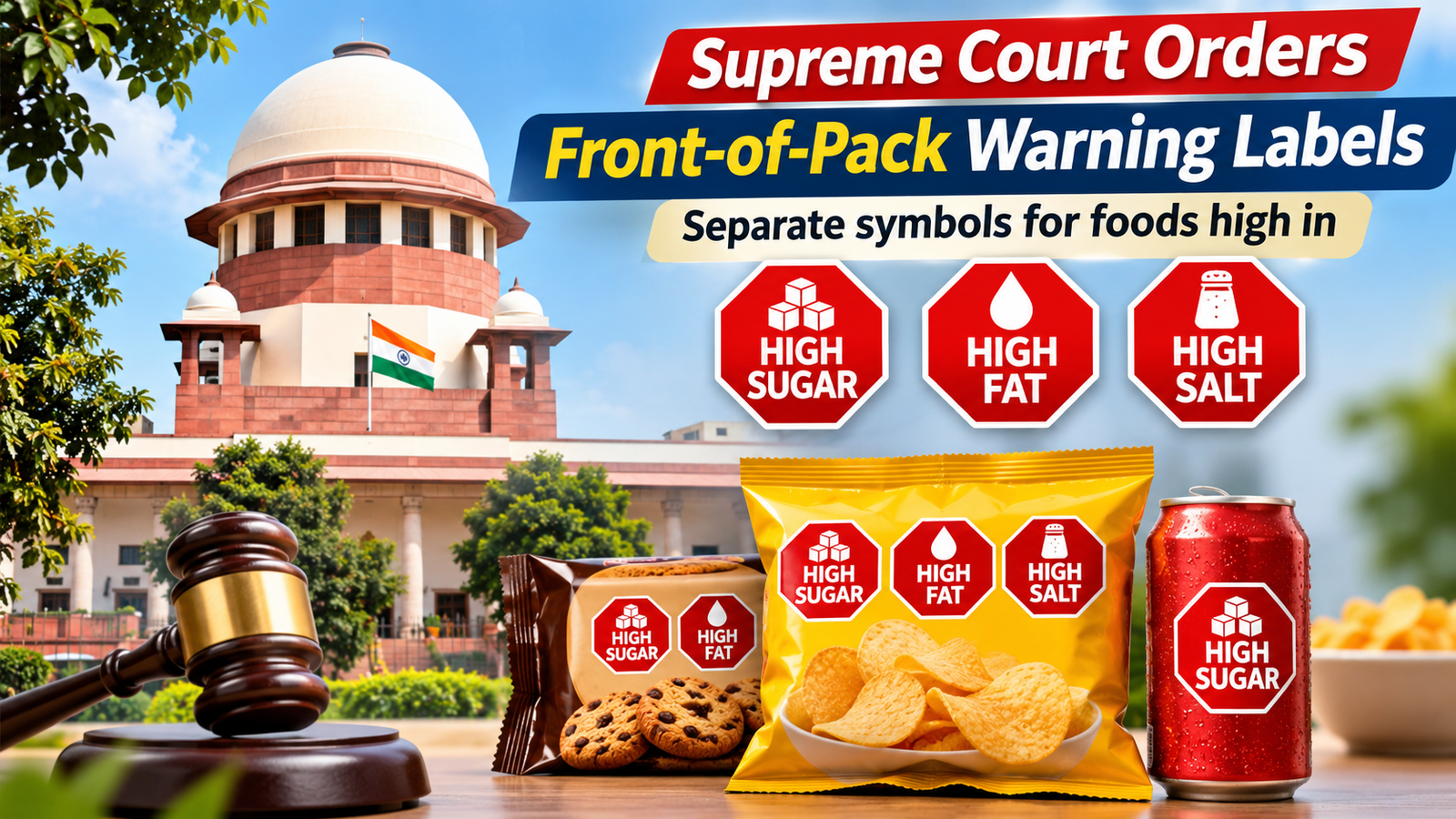
13.5 Improve Food Policies
Public health policies can help create healthier food environments through:
Clear nutrition labelling.
Responsible food marketing.
Improved school food standards.
Promotion of healthier food options.
Better nutrition education.
Policies supporting healthier food availability and affordability.
13.6 Make Obesity Treatment Accessible
India needs more accessible multidisciplinary obesity services involving physicians, registered dietitians, exercise professionals, psychologists, endocrinologists and bariatric specialists when necessary.
Obesity should be managed as a long-term health condition rather than a temporary cosmetic concern.
14. Practical Indian Diet and Lifestyle Example for Obesity Prevention
A practical Indian meal pattern can include traditional foods while maintaining nutritional balance.
The following is an illustrative one-day meal pattern, not a personalized prescription.
| Meal | Example |
|---|---|
| Early morning | Water; unsweetened tea if preferred |
| Breakfast | Vegetable poha with peanuts and curd |
| Mid-morning | Guava, papaya or another seasonal fruit |
| Lunch | Rice or roti, dal, vegetables, curd and salad |
| Evening | Roasted chana or sprouts |
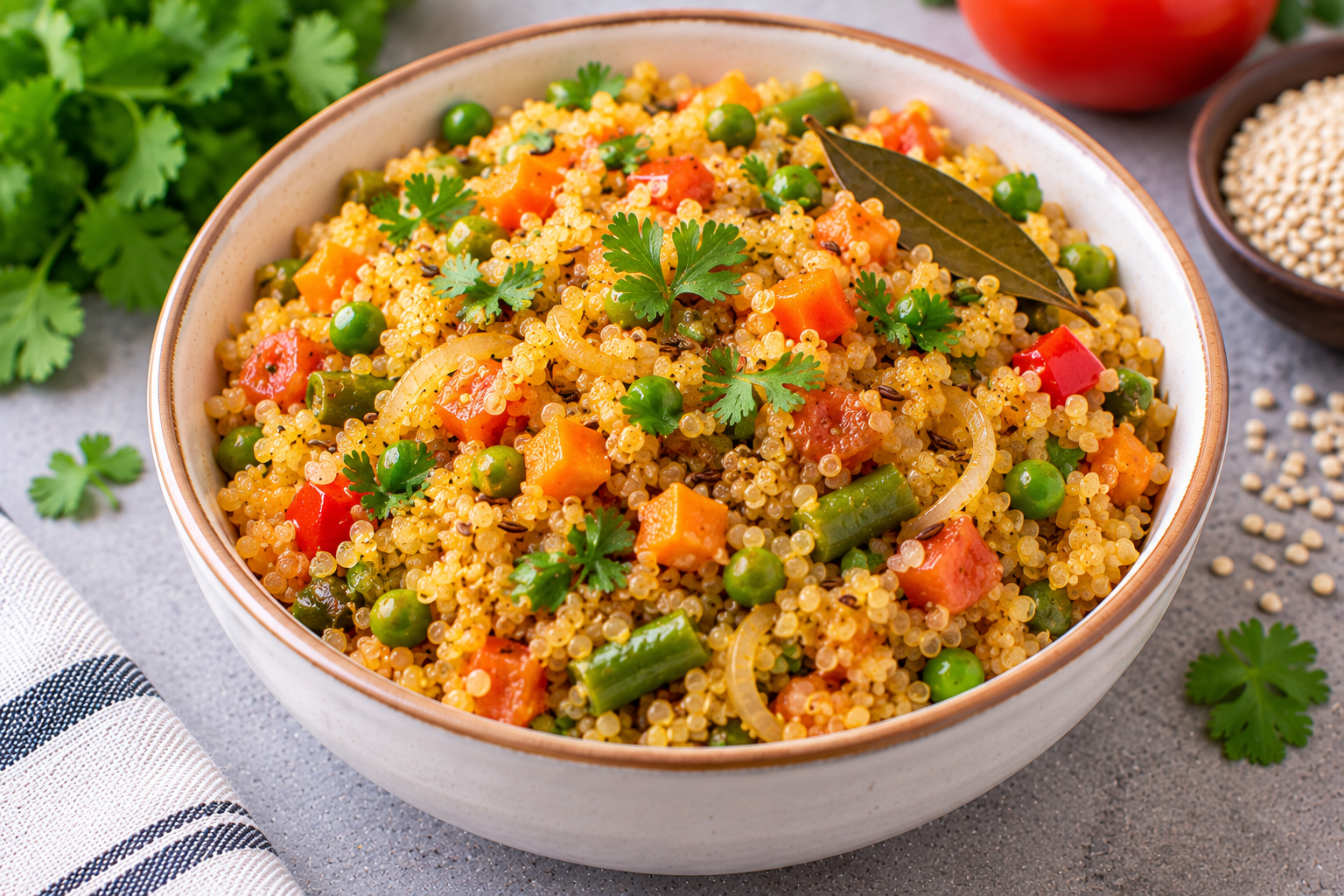
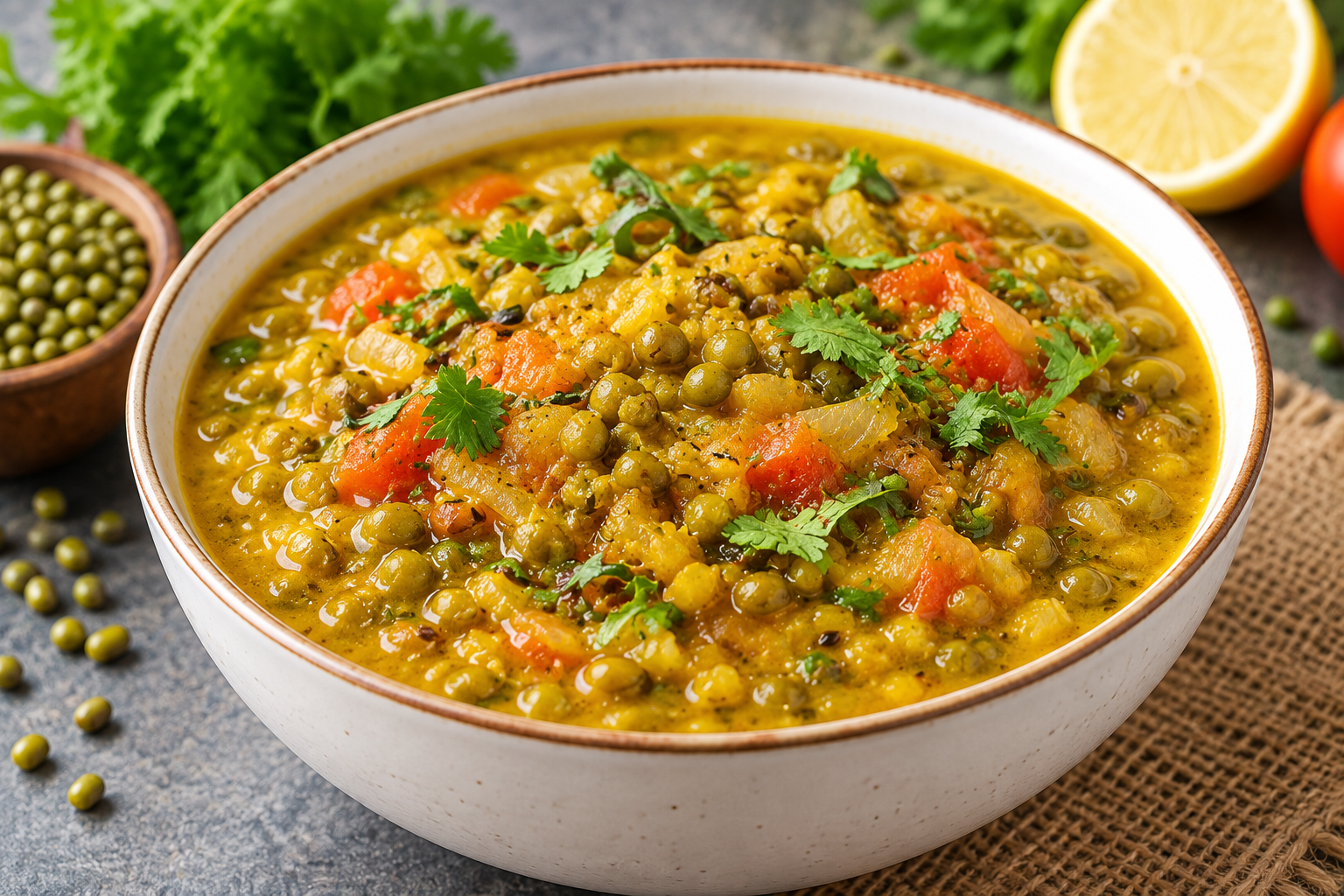
| Dinner | Vegetable khichdi with curd or roti with dal and vegetables |
Individual requirements depend on age, sex, body composition, physical activity, health conditions and energy needs.
14.1 Example Weekly Physical Activity Schedule
| Day | Activity |
|---|---|
| Monday | 30-minute brisk walk and strength training |
| Tuesday | 40-minute cycling or walking |
| Wednesday | 30-minute walk and strength training |
| Thursday | 30-40-minute brisk walk |
| Friday | Walking and strength training |
| Saturday | Swimming, cycling or recreational sports |
| Sunday | Light walking and recovery |
This is an example rather than a mandatory schedule. Exercise duration and intensity should be adjusted according to fitness level and medical conditions.
15. Frequently Asked Questions About Obesity in India
15.1 What Percentage of Indians Are Overweight or Obese?
According to NFHS-6 (2023-24), 30.7% of women and 27.3% of men aged 15-49 had BMI ≥25 kg/m². These figures include both overweight and obesity.
15.2 Why Is Obesity Increasing in India?
Major contributing factors include increased consumption of energy-dense foods, sedentary lifestyles, reduced physical activity, inadequate sleep, stress, urbanization and biological susceptibility.
15.3 Is Rice Responsible for Obesity?
No. Rice itself does not cause obesity. Overall energy intake, portion size, dietary balance and physical activity are more important. Rice can be included in a healthy Indian diet.
15.4 Why Do Indians Develop Diabetes at Lower Body Weights?
South Asians often have greater abdominal fat accumulation and higher body fat percentages at a given BMI. Genetic susceptibility, muscle mass and metabolic factors may also contribute.
15.5 Can a Person Have Obesity With a Normal BMI?
Yes. A normal BMI does not rule out excessive body fat, abdominal obesity or metabolic abnormalities. Waist circumference and metabolic markers provide additional information.
15.6 What Is the Recommended Waist Circumference for Indian Adults?
Commonly used Asian Indian screening thresholds are 90 cm for men and 80 cm for women.
15.7 Can Walking Help Reduce Obesity?
Yes. Regular brisk walking increases energy expenditure and supports cardiovascular and metabolic health. Combining walking with resistance training and appropriate dietary changes can improve results.
15.8 Is Intermittent Fasting Effective for Obesity?
Intermittent fasting may help some individuals reduce calorie intake, but it is not necessarily superior to conventional calorie restriction when overall energy intake is comparable. It is not suitable for everyone.
15.9 Can Hypothyroidism Cause Obesity?
Hypothyroidism can contribute to weight gain, but the effect is generally modest and may partly involve fluid retention. Appropriate diagnosis and treatment are important.
15.10 Is Obesity Reversible?
Obesity can be effectively managed. Many people achieve meaningful improvements in body weight, waist circumference and metabolic health through sustained lifestyle changes and, when appropriate, medical treatment.
16. Conclusion: India Needs to Address Obesity Before It Becomes an Even Greater Health Crisis
Obesity in India is no longer simply a matter of appearance or body weight. It is an important public health challenge associated with diabetes, cardiovascular diseases, hypertension, fatty liver disease, kidney disorders and several other chronic conditions.
The latest NFHS-6 findings provide an important warning. The proportion of Indian adults aged 15–49 with BMI ≥25 has increased considerably compared with the previous national survey.
However, one of the most important lessons from Indian research is that BMI alone cannot identify every individual at metabolic risk.
Abdominal obesity, visceral fat accumulation, insulin resistance and abnormal metabolic markers can occur even among people who do not appear overweight.
Therefore, obesity assessment must move beyond the weighing scale.
As nutrition professionals, healthcare providers and public health educators, we need to focus on prevention, early identification, scientific nutrition education and sustainable lifestyle changes.
India does not need another generation of people following crash diets, eliminating rice or purchasing expensive fat-burning supplements.
It needs better food literacy, balanced meals, adequate protein and fiber, regular physical activity, sufficient sleep and accessible healthcare.
The goal is not simply to reduce body weight. The goal is to improve body composition, metabolic health, physical fitness and quality of life.
References
International Institute for Population Sciences (IIPS). National Family Health Survey (NFHS-6), 2023-24: India and State/UT Fact Sheets. 2026. Access the national fact sheet.
Ministry of Health and Family Welfare, Government of India. Update on NFHS-6: Rising Lifestyle Diseases Among Adults. Press Information Bureau, 24 July 2026. Read the government release.
Anjana RM, et al. Metabolic non-communicable disease health report of India: The ICMR-INDIAB national cross-sectional study (ICMR-INDIAB-17). The Lancet Diabetes & Endocrinology. 2023;11(7):474-489. Read the research.
ICMR-INDIAB Collaborative Study Group. High prevalence of metabolic obesity in India: The ICMR-INDIAB national study (ICMR-INDIAB-23). Indian Journal of Medical Research. 2025;161(5):461-472. Read the research.
ICMR–National Institute of Nutrition. Dietary Guidelines for Indians. 2024. Access the guidelines.
World Health Organization. Obesity and Overweight. WHO fact sheet.
World Health Organization. WHO Guidelines on Physical Activity and Sedentary Behaviour. 2020. Access the guidelines.
Hall KD, et al. Ultra-Processed Diets Cause Excess Calorie Intake and Weight Gain: An Inpatient Randomized Controlled Trial of Ad Libitum Food Intake. Cell Metabolism. 2019;30(1):67–77.e3. Read the study.
World Health Organization. India Country Health Data: Adult and Childhood Obesity Estimates. Access WHO data.
NCD Risk Factor Collaboration. Worldwide trends in underweight and obesity from 1990 to 2022: A pooled analysis of 3663 population-representative studies. The Lancet. 2024. Read the research.
Medical Disclaimer
This article is intended for nutrition education and public health awareness. It is not a substitute for individual medical diagnosis, nutritional assessment or treatment. Individuals with obesity-related medical conditions should consult qualified healthcare professionals for personalized management.


💬 Comments (0)
Be respectful. Website links and phone numbers are not allowed.