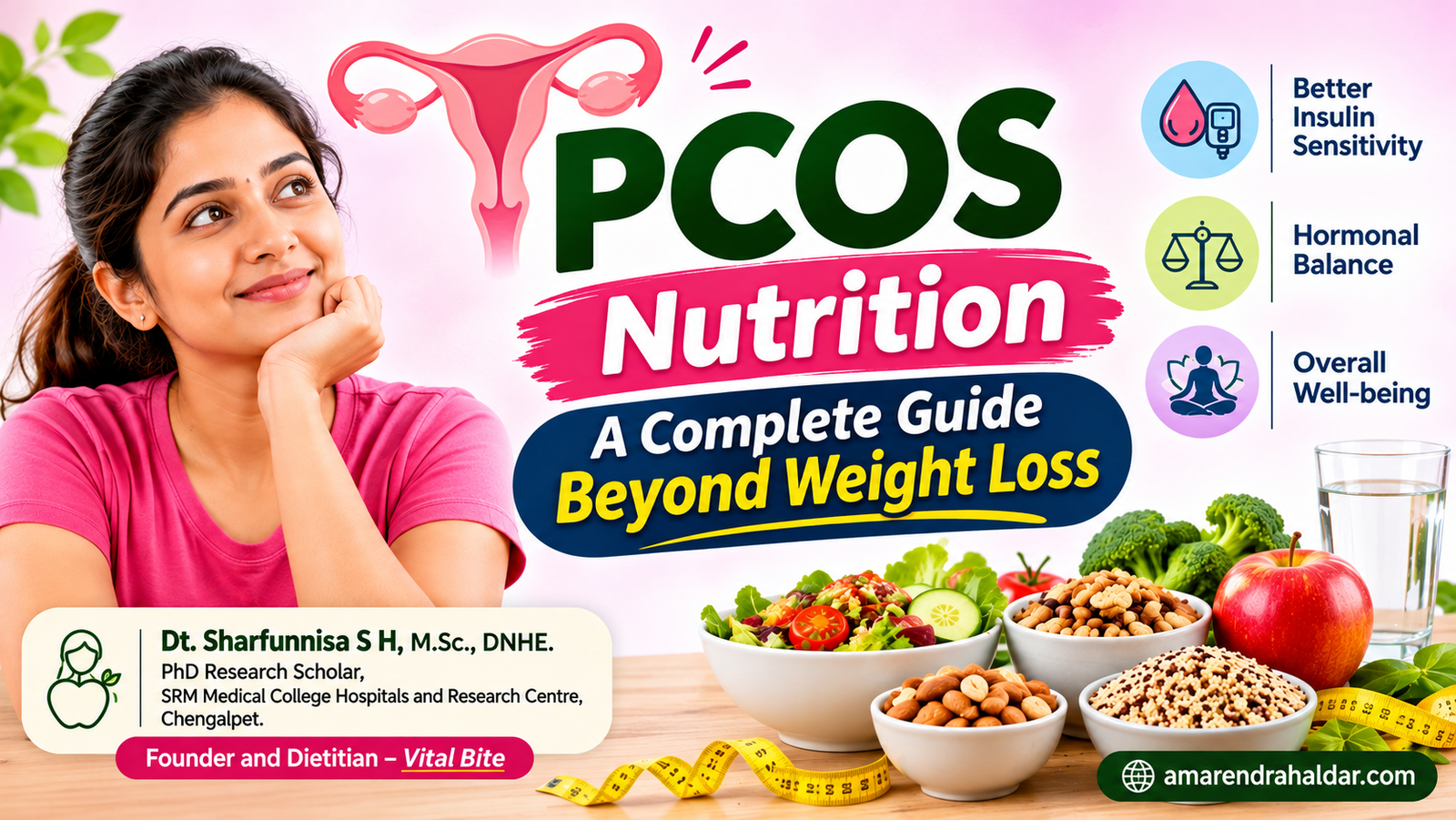
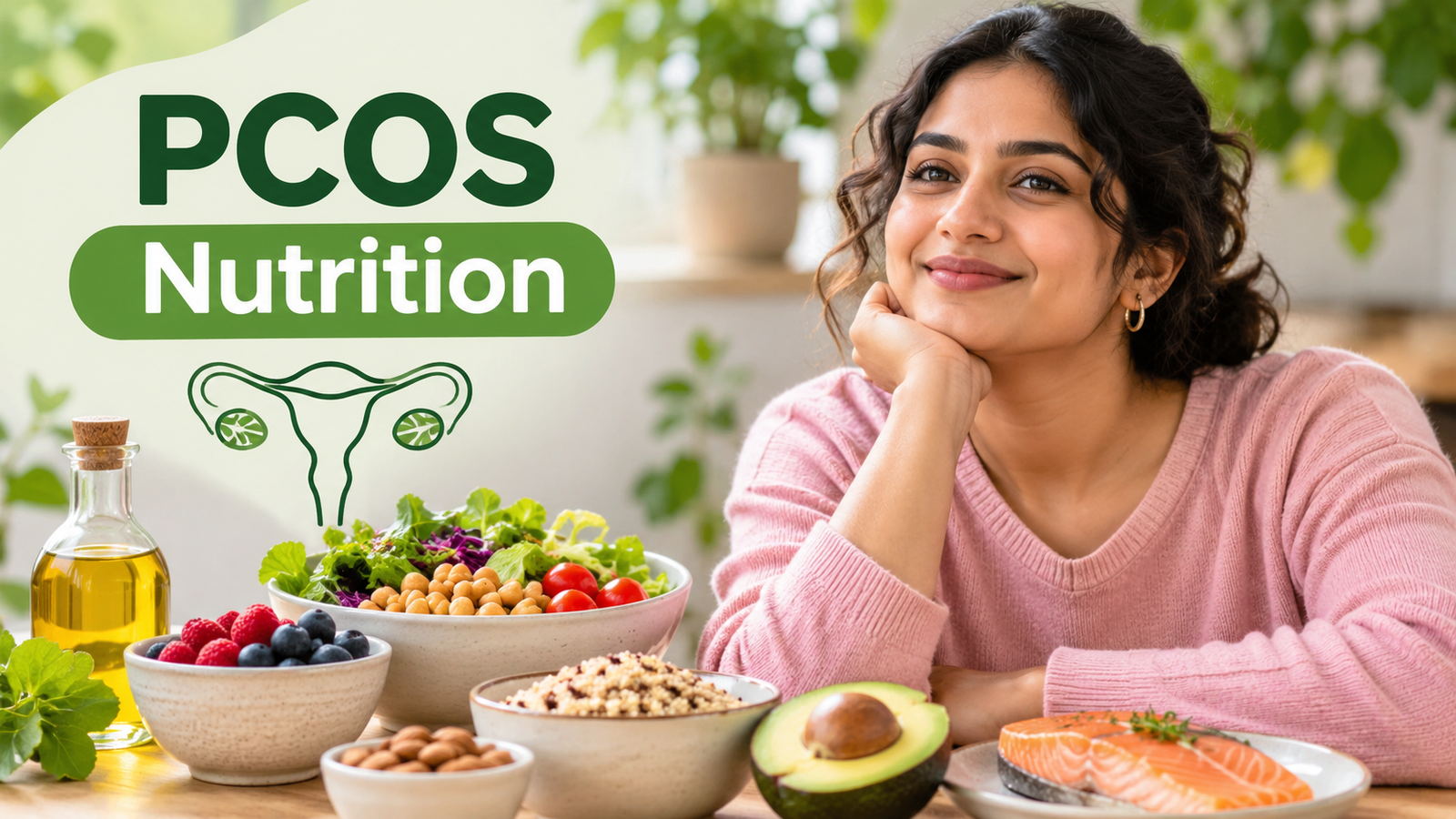
If you have polycystic ovary syndrome (PCOS, recently renamed PMOS), you have probably been told to "just lose weight." It is well-meaning advice, but it is incomplete. PCOS affects hormones, ovulation, blood sugar regulation, skin, hair, mood and long-term heart health. Women of every body size can have it, and food choices matter for all of them.
This guide explains the link between PCOS and nutrition using the 2023 International Evidence-based Guideline as its foundation [1]. It covers what PCOS is, why insulin resistance sits at the center of the condition for many women, which dietary patterns are supported by research, and how to build a practical Indian diet for PCOS. Where evidence is strong, we say so. Where it is limited or emerging, we say that too.
Key message: Nutrition cannot cure PCOS, but a nourishing, sustainable eating pattern can improve insulin sensitivity, metabolic health and wellbeing, with or without weight loss.
PCOS Is Now PMOS: What the Name Change Means
In May 2026, an international consensus led by Prof Helena Teede of Monash University and published in The Lancet renamed PCOS as polyendocrine metabolic ovarian syndrome (PMOS) [20]. The authors argued that the old name wrongly suggests ovarian cysts are central to the condition, and that it captures only reproductive features while hiding the endocrine and metabolic ones [20]. The new name reflects three parts of the condition:
Polyendocrine: Several interacting hormonal disturbances, including insulin, androgens and neuroendocrine hormones, rather than an isolated ovarian problem.
Metabolic: Insulin resistance and higher risks of type 2 diabetes and cardiovascular disease.
Ovarian: Disturbed ovulation remains a defining feature.
What changes now? Mainly the name. The term is being phased in over about three years, and it is expected to be built into the international guideline when it is next updated in 2028 [20,21]. Diagnostic criteria, treatment and dietary advice are not changed by the renaming, and an existing diagnosis still applies [21].
Why this article still says PCOS: The 2023 guideline and the research cited here use that term, and most clinics, medical records and searches still do. Wherever you read PCOS below, it refers to the same condition now called PMOS, and the nutrition evidence applies equally.
What Is PCOS (PMOS)?
Definition
PCOS, now renamed PMOS, is a common endocrine (hormonal) condition. In adults, the 2023 guideline supports diagnosis when irregular ovulation (usually seen as irregular cycles) occurs together with either clinical or biochemical signs of excess androgens (male-type hormones) or a high anti-Mullerian hormone (AMH) level or polycystic-appearing ovaries on ultrasound, after other causes are excluded [1]. This builds on the earlier Rotterdam criteria [2]. Despite the name, "cysts" are really small, immature follicles and are not true cysts, which is one reason the name was changed.
Prevalence
The World Health Organization estimates that PCOS affects roughly 8-13% of women of reproductive age, and that up to 70% of affected women may be undiagnosed [3]. Estimates for India vary widely between studies, from about 3.7% to 22.5%, depending on the population studied and the criteria used [4].
Reproductive, metabolic and hormonal features
Reproductive: Irregular or absent periods, reduced ovulation, difficulty conceiving, higher risk of some pregnancy complications.
Hormonal: Raised androgens, altered LH-to-FSH signaling, often raised AMH.
Metabolic: Insulin resistance, higher risk of impaired glucose tolerance, type 2 diabetes, fatty liver disease, unfavorable cholesterol levels and hypertension [1,5].
Psychological: Higher rates of anxiety, depression and disordered eating are well documented [1].
Causes and Risk Factors of PCOS
The exact cause is not fully understood. PCOS is best viewed as a multifactorial condition [5,19].
Genetic predisposition: PCOS clusters in families, and twin studies suggest a substantial inherited component [7]. Large genome-wide studies have identified multiple associated gene regions, mainly involving reproductive and metabolic pathways [6].
Insulin resistance: Many, though not all, women with PCOS have insulin resistance, meaning the body needs more insulin to move glucose into cells. This is found even in lean women [8,9].
Hyperandrogenism: Excess androgen production, mainly from the ovaries and sometimes the adrenal glands, drives acne, excess hair growth and scalp hair thinning, and disrupts ovulation [10].
Environmental and lifestyle influences: Early-life factors, weight gain, low physical activity and dietary patterns can influence how strongly PCOS is expressed. They interact with genetic susceptibility; they do not "cause" PCOS alone [5].
How insulin resistance, hyperinsulinemia and androgens connect
This relationship is often oversimplified, so precision matters:
Tissues such as muscle and fat respond less effectively to insulin.
The pancreas compensates by producing more insulin (hyperinsulinemia).
The ovaries remain sensitive to insulin's stimulating effect. High insulin amplifies androgen production in the ovaries and lowers sex hormone-binding globulin (SHBG) from the liver, so more free, active testosterone circulates [8,10].
Higher androgens disturb follicle development and ovulation, and excess abdominal fat can worsen insulin resistance, forming a self-reinforcing cycle.
Importantly, insulin resistance is a contributor and amplifier, not the only driver. Androgen excess can arise from intrinsic ovarian mechanisms even when insulin levels are normal, which is why PCOS can occur in women without insulin resistance [10].
Common Signs and Symptoms of PCOS
| Area | Common features |
|---|---|
| Menstrual/reproductive | Irregular, infrequent or absent periods; difficulty conceiving |
| Androgen-related | Acne, hirsutism (excess facial/body hair), scalp hair thinning |
| Metabolic | Weight gain (particularly abdominal), darkened velvety skin patches (acanthosis nigricans), cravings, fatigue |
| Emotional | Low mood, anxiety, poor body image, disordered eating |
| Sleep | Higher risk of poor sleep and obstructive sleep apnoea [1] |
Symptoms vary greatly. Not every woman has every feature, and diagnosis should always be made by a qualified clinician.
Why PCOS Management Should Go Beyond Weight Loss
PCOS across different body sizes
Women with PCOS are more likely to have overweight or obesity than women without it [11], but PCOS also occurs in women with a healthy body weight. Lean women with PCOS can still have insulin resistance and metabolic risk [9]. Focusing only on the scale can leave these women without appropriate care and can add weight stigma for others.
Metabolic health versus body weight
Blood glucose, insulin response, lipid profile, blood pressure, liver health, fitness, sleep and mental wellbeing are all measurable markers of health. Two women of the same weight may have very different metabolic profiles. The 2023 guideline therefore recommends healthy lifestyle support for all women with PCOS, with weight management goals individualised and delivered without stigma, and with attention to psychological wellbeing and screening for disordered eating [1].
Benefits of lifestyle interventions independent of weight loss
Exercise can improve insulin sensitivity and cardiometabolic markers, and some of these improvements occur even without significant weight change [13].
Improved diet quality may improve insulin resistance and other metabolic markers [15].
A Cochrane review found that lifestyle interventions can improve body composition, hyperandrogenism and insulin resistance, although the certainty of evidence was low to very low and effects on live birth remain uncertain [12].
In women with excess weight, modest weight loss can help some outcomes, but it is one tool among many and should not be the only measure of success.
Understanding the Role of Nutrition in PCOS
Insulin sensitivity: Diet quality, fibre intake, carbohydrate type and meal pattern influence insulin demand. Better insulin sensitivity may help lower androgen drive in some women [8,15].
Blood glucose regulation: Steadier post-meal glucose may reduce hyperinsulinaemia, cravings and energy crashes.
Hormonal health: Nutrition supports, but does not replace, medical therapy for ovulation, androgen excess or cycle control.
Cardiometabolic health: Because PCOS raises long-term risks of diabetes and cardiovascular disease, heart-healthy eating is a priority [1,5].
Nutritional adequacy: Restrictive "PCOS diets" can leave women short of protein, iron, calcium, B12 or fiber. Adequate nutrition comes first.
Best Dietary Approaches for PCOS Management
There is no single diet proven superior for every woman with PCOS. Systematic reviews find that different dietary compositions (low-glycaemic-index, low-carbohydrate, higher-protein, Mediterranean-style) produce broadly similar improvements, mostly driven by overall energy balance and adherence, and that the evidence base is limited by small, short trials [14,15]. The 2023 guideline accordingly recommends any healthy eating pattern consistent with general population guidelines, adapted to individual preference, culture and metabolic needs [1].
| Approach | What the evidence suggests | Evidence strength |
|---|---|---|
| Balanced, whole-food pattern | Foundation of guideline recommendations [1] | Established |
| Low glycaemic index (GI) | A randomised trial found improved insulin sensitivity with a low-GI diet compared with a conventional healthy diet [16]; reviews show benefit on insulin markers but similar overall outcomes to other healthy diets [14,15] | Moderate, mixed |
| Mediterranean-style | Rich in vegetables, legumes, nuts, olive oil and fish; supported by general cardiometabolic evidence, with PCOS-specific trials still limited [15] | Emerging for PCOS |
| High-fibre | Supports glycaemic control, satiety, gut health and cholesterol; widely recommended in general guidelines [18] | Established generally; PCOS-specific data limited |
| Adequate protein | Helps satiety and muscle maintenance; no PCOS-specific ideal intake is established [14] | Limited |
Practical translation: Build plates around vegetables, include a protein source and a high-fibre carbohydrate at each meal, use unsaturated fats, and choose patterns you can sustain for years.
Essential Nutrients and Their Role in PCOS
Food-first is the priority. Supplements should be used to correct a confirmed deficiency or specific need, not as a PCOS treatment. The 2023 guideline notes that evidence for most supplements in PCOS is limited, and that inositol should be regarded as an experimental therapy [1].
| Nutrient | Why it matters | Indian food sources | Evidence note |
|---|---|---|---|
| Dietary fiber | Slows glucose absorption, supports satiety, feeds gut bacteria | Oats, ragi, whole dals, vegetables, guava, flaxseeds | Strong general evidence; PCOS-specific data limited |
| Protein | Satiety, muscle mass, glycemic stability | Dals, chana, rajma, paneer, curd, eggs, fish, soya chunks | No PCOS-specific optimum established |
| Omega-3 fatty acids | Cardiometabolic health; anti-inflammatory role | Sardine, mackerel, other oily fish; flaxseed, chia, walnuts (plant ALA) | Small trials show mixed effects on lipids and hormones; not proven to treat PCOS |
| Vitamin D | Bone health, immune and muscle function | Sunlight, fortified milk, egg yolk, oily fish, mushrooms exposed to sunlight | Deficiency is common in India and often reported in PCOS; supplement to correct deficiency, as for anyone. Evidence that it treats PCOS is insufficient [1] |
| Magnesium | Involved in glucose metabolism | Pumpkin seeds, almonds, spinach, ragi, whole grains | Low intake is linked to insulin resistance in general; PCOS trials are small |
| Zinc | Insulin action, skin and immune health | Pulses, seeds, nuts, whole grains, dairy, meat | Evidence for PCOS benefit is preliminary |
| Folate and B vitamins | Cell division, red blood cells, nervous system | Leafy greens, dals, citrus fruit; B12 from dairy, eggs, fish | Folic acid is advised before conception as for all women; B12 monitoring matters if taking long-term metformin |
Foods to Include in a PCOS-Friendly Diet (PCOS Food List)
No food is "forbidden" or "magical." The list below simply reflects patterns that support metabolic health [1,18].
Whole grains and millets: Ragi, jowar, bajra, foxtail millet, whole wheat, brown or parboiled rice, oats, broken wheat (dalia).
Pulses and legumes: Moong, masoor, toor, chana, rajma, lobia, sprouts. Pairing with cereals (dal with roti or rice) improves protein quality.
Vegetables and fruits: A variety of colours; leafy greens, gourds, beans, cruciferous vegetables; whole fruits such as guava, apple, pear, berries, papaya and citrus rather than juice.
Nuts and seeds: Almonds, walnuts, peanuts, flaxseed, pumpkin, sunflower and chia seeds in small, regular portions.
Dairy and alternative proteins: Curd, buttermilk, paneer, eggs, fish, lean poultry, tofu, soya. There is no convincing evidence that dairy or moderate soy must be avoided in PCOS.
Healthy fats: Groundnut, mustard or olive oil in measured amounts, nuts, seeds and fish.
Foods and Dietary Habits to Limit
The aim is to reduce rather than eliminate, without guilt.
Sugar-sweetened drinks, packaged juices and sweets eaten frequently.
Refined-flour products (maida breads, bakery items, noodles) as the main carbohydrate.
Deep-fried and ultra-processed snacks (namkeen, chips, instant noodles, packaged biscuits).
Large portions of white rice or potatoes without protein, fibre or vegetables.
Skipping meals and then eating heavily late at night.
Extreme fad diets, long-term very-low-calorie diets or cutting out entire food groups without clinical reasons. These can worsen nutrient adequacy and disordered eating risk, which is already higher in PCOS [1].
The Importance of Gut Health in PCOS
The gut microbiome is an emerging area of PCOS research. Some studies report lower microbial diversity and altered bacterial composition in women with PCOS, and one study linked changes in gut bacteria, bile acids and inflammatory signalling to PCOS features [17]. However, much of this evidence is observational or comes from early-stage and animal studies, so cause and effect are not yet established, and no specific probiotic is currently recommended for PCOS.
What can be said with confidence is that a fibre-rich, plant-diverse diet supports a healthy gut and general metabolic health. Curd, buttermilk, idli and dosa batter (fermented foods), vegetables, pulses and whole grains are simple, culturally familiar choices.
Lifestyle Modifications Alongside Nutrition
Physical activity: The guideline aligns with adult recommendations of at least 150 minutes of moderate-intensity (or 75 minutes of vigorous) activity weekly, plus muscle-strengthening on two days [1]. Brisk walking, cycling, yoga, swimming, dance and resistance training all count.
Sleep quality: Aim for regular, sufficient sleep. Persistent snoring, daytime sleepiness or unrefreshing sleep should be discussed with a doctor, as sleep apnoea is more common in PCOS [1].
Stress management: Long-term stress and low mood affect eating, sleep and activity. Mindfulness, breathing practices, social support and psychological care are valuable parts of management [1].
Consistent dietary habits: Regular meal timing, balanced plates and planned snacks tend to reduce extreme hunger and impulsive eating, and are easier to maintain than strict rules.
Sample Indian Meal Plan for Women with PCOS
This is an educational illustration only, not a personalised prescription. Portions and energy needs vary by age, activity, medical conditions and preferences.
| Meal | Vegetarian option | Non-vegetarian option |
|---|---|---|
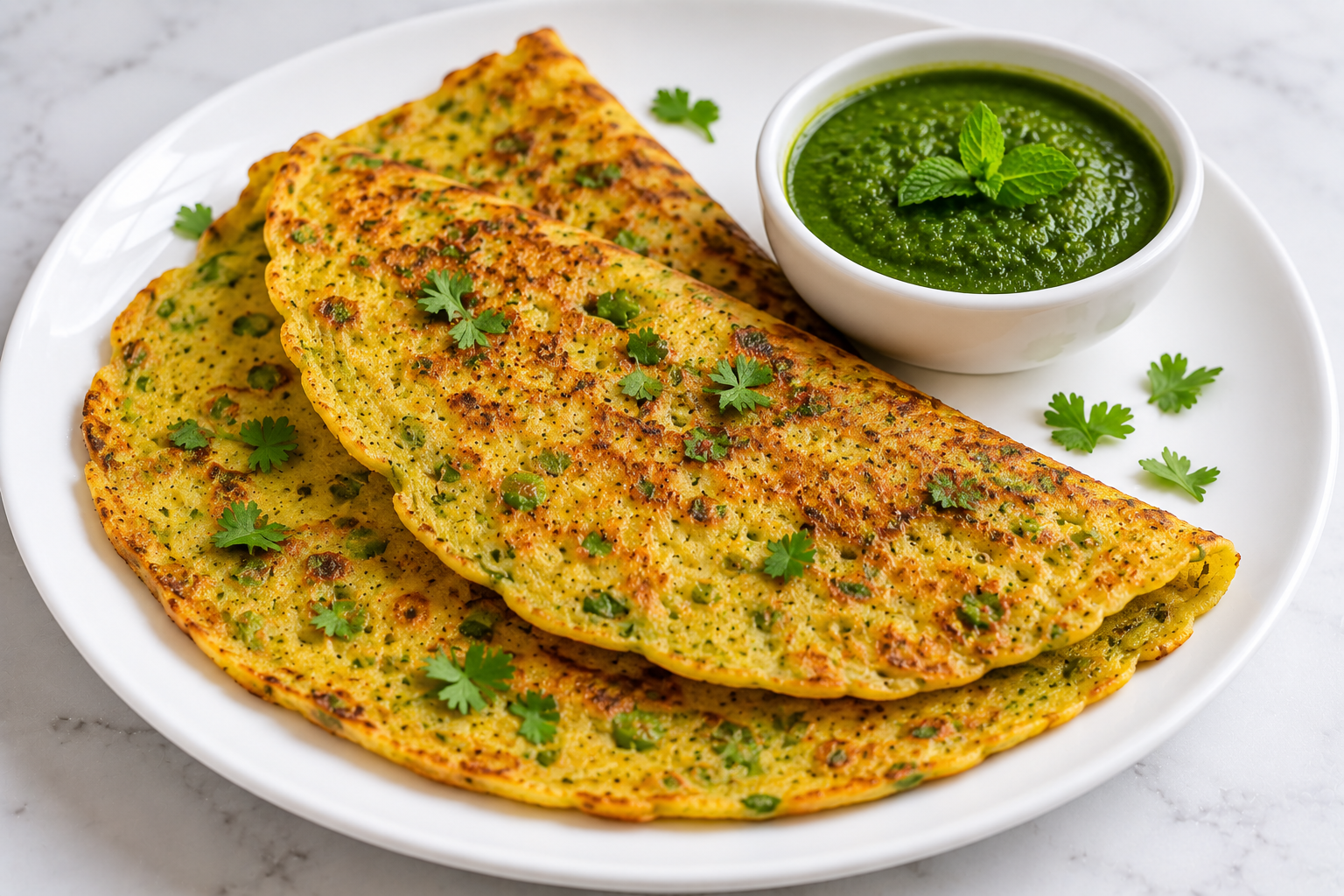
| Breakfast | Vegetable moong dal chilla with mint chutney and a small bowl of curd | Vegetable oats upma with a boiled egg |
| Mid-morning | A guava or apple with a small handful of almonds | Buttermilk with roasted chana |
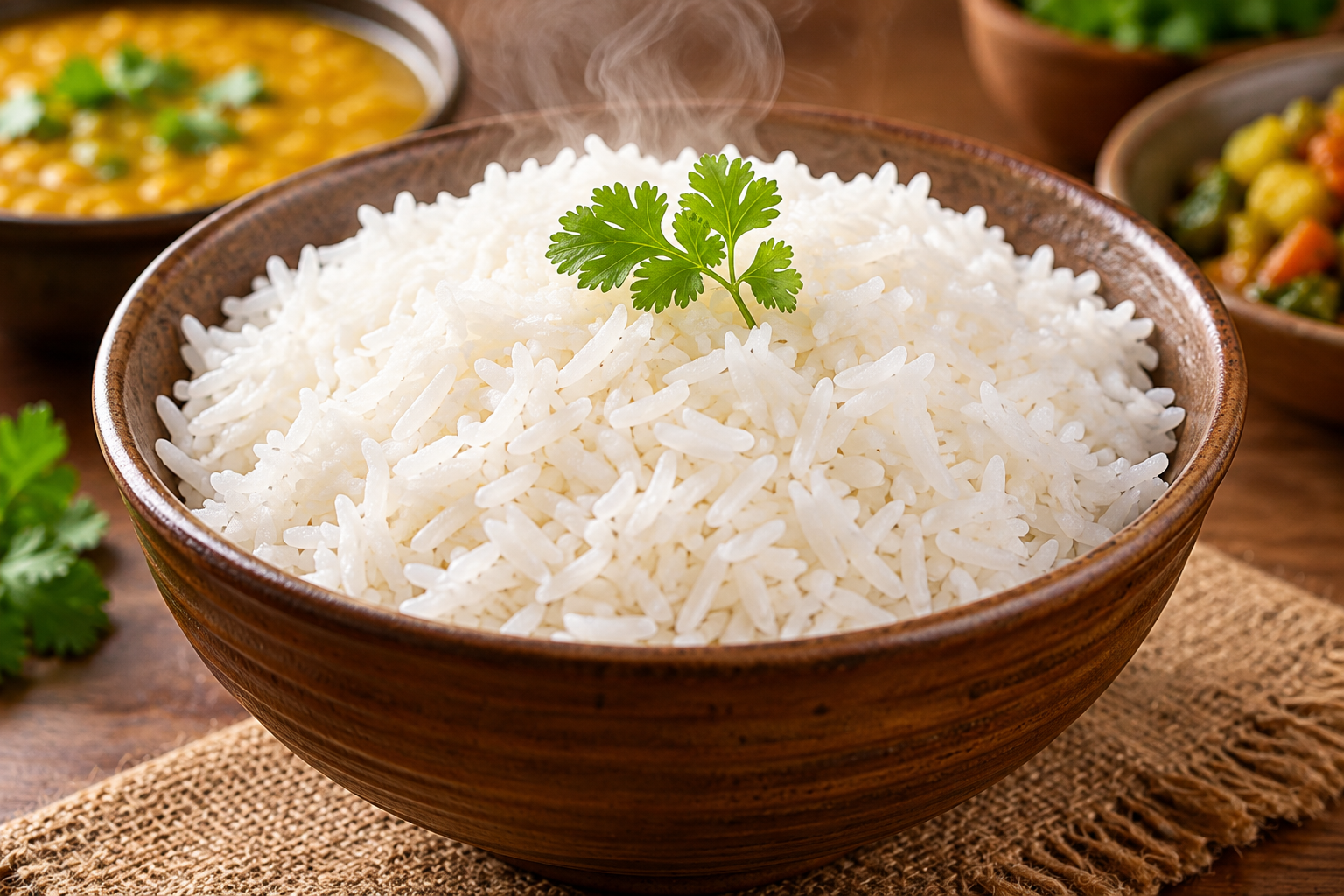
| Lunch | 1â2 multigrain (wheat + ragi) rotis, mixed vegetable sabzi, dal, large cucumber-tomato salad, curd | Jowar roti or small portion of brown rice, fish curry with vegetables, spinach poriyal, salad |
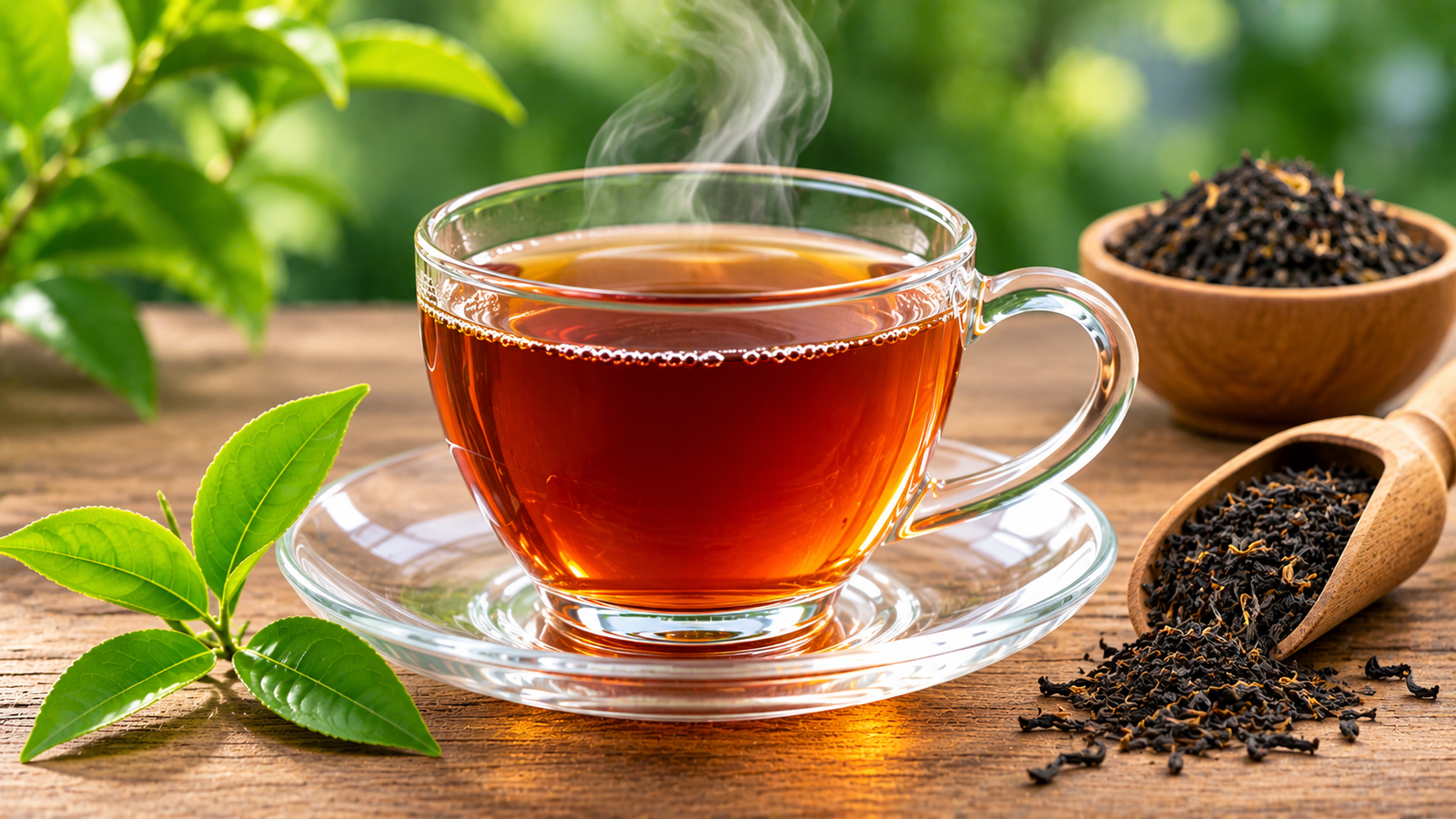
| Evening snack | Sprouts chaat with lemon, or unsweetened tea with roasted makhana | Boiled egg or paneer tikka cubes with vegetables |
| Dinner | Vegetable-millet khichdi (foxtail millet and moong dal) with sautéed greens and raita | Grilled chicken or tofu with sautéed vegetables and one roti |
Helpful combinations: Roti with dal (complete protein), rice with rajma and salad, idli with sambar and chutney, curd with fruit and nuts. Adding protein, vegetables or fibre to a carbohydrate-rich meal generally slows glucose rise.
Common Myths About PCOS and Nutrition
| Myth | Evidence-based view |
|---|---|
| "Only overweight women get PCOS." | PCOS occurs across all body sizes [9,11]. |
| "Cutting out all carbohydrates cures PCOS." | No diet cures PCOS. Carbohydrate quality matters; very restrictive diets are not proven superior and are hard to sustain [14,15]. |
| "Dairy and soy are harmful." | No strong evidence supports avoiding them as a rule. |
| "Gluten-free is necessary." | There is no evidence of benefit unless coeliac disease or gluten sensitivity is diagnosed. |
| "Supplements can reverse PCOS." | Evidence for most supplements is limited. Correct deficiencies; do not expect a cure [1]. |
| "Weight loss is the only success marker." | Cycles, glucose, energy, mood, sleep and fitness also count [1,13]. |
Frequently Asked Questions
1. Is there a specific PCOS diet that works for everyone?
No. Research does not show one dietary composition to be universally best. A balanced, minimally processed pattern adapted to your culture, preferences and health needs is recommended [1,14].
2. Can diet reverse PCOS?
PCOS is a long-term condition and cannot be cured by diet. Nutrition can improve insulin sensitivity, metabolic markers and symptoms for many women, alongside medical care.
3. Do I need to avoid rice and rotis?
Not necessarily. Portion size, type (millets, whole grains, parboiled rice) and pairing with dal, vegetables and protein matter more than complete avoidance.
4. Does a low-GI diet help PCOS?
It may improve insulin sensitivity in some women [16], but overall outcomes are similar to other healthy diets [14,15]. It is a useful option, not a requirement.
5. Is insulin resistance present in all women with PCOS?
No. It is common, including in lean women, but not universal, and androgen excess can occur independently [8,9,10].
6. Should I take vitamin D, inositol or other supplements?
Vitamin D is appropriate if you are deficient, as for anyone. Inositol is considered experimental in the 2023 guideline [1]. Always check with a clinician before starting supplements.
7. Can I follow a PCOS diet if I am lean?
Yes. Lean women can still have insulin resistance and cardiometabolic risk, so diet quality and activity remain important [9]. Unnecessary calorie restriction is not advised.
8. Is intermittent fasting recommended for PCOS?
Evidence in PCOS is limited and the guideline does not recommend it over other approaches. It may not suit women with disordered eating, diabetes or those on certain medications.
9. How long before I notice benefits?
Some changes, such as energy and glucose steadiness, may appear within weeks. Cycle regularity and hormonal markers usually take months, and responses vary.
10. When should I see a professional?
See a doctor if you have irregular periods, signs of excess androgens, difficulty conceiving or symptoms of diabetes, and consult a registered dietitian for a personalised plan.
11. Has PCOS been renamed, and does that change my diet advice?
Yes. In 2026 a Lancet-published global consensus renamed it polyendocrine metabolic ovarian syndrome (PMOS), to be phased in over about three years [20]. The renaming does not change diagnostic criteria, treatment or nutrition recommendations, and the dietary evidence in this article applies to the same condition [21].
Conclusion: Nutrition Beyond the Weighing Scale
PCOS is a complex, lifelong condition that touches reproductive, metabolic, hormonal and emotional health. Weight can be one part of the picture, but it is not the whole story. A varied diet rich in fibre, quality protein, healthy fats and whole foods, combined with movement, sleep, stress care and appropriate medical treatment, supports insulin sensitivity, cardiometabolic health and quality of life. The best dietary pattern is the one that is nutritionally adequate, culturally familiar and sustainable for you. Measure progress by how you feel, how your cycles and blood tests change, and how well you can maintain healthy habits, not just by the number on the scale.
Medical disclaimer: This article is for educational purposes only and does not replace professional medical advice, diagnosis or treatment. Please consult a qualified doctor and registered dietitian or nutritionist for individualised PCOS management, especially before changing medication, starting supplements or beginning a new diet.
References
Teede HJ, Tay CT, Laven JJE, et al. Recommendations from the 2023 international evidence-based guideline for the assessment and management of polycystic ovary syndrome. Eur J Endocrinol. 2023;189(2)-G64. doi:10.1093/ejendo/lvad096 (also published in Fertil Steril. 2023;120(4):767-793. doi:10.1016/j.fertnstert.2023.07.025)
Rotterdam ESHRE/ASRM-Sponsored PCOS Consensus Workshop Group. Revised 2003 consensus on diagnostic criteria and long-term health risks related to polycystic ovary syndrome. Fertil Steril. 2004;81(1):19-25. doi:10.1016/j.fertnstert.2003.10.004
World Health Organization. Polycystic ovary syndrome (fact sheet). https://www.who.int/news-room/fact-sheets/detail/polycystic-ovary-syndrome
Ganie MA, Vasudevan V, Wani IA, Baba MS, Arif T, Rashid A. Epidemiology, pathogenesis, genetics and management of polycystic ovary syndrome in India. Indian J Med Res. 2019;150(4):333-344. doi:10.4103/ijmr.IJMR_1937_17
Azziz R, Carmina E, Chen Z, et al. Polycystic ovary syndrome. Nat Rev Dis Primers. 2016;2:16057. doi:10.1038/nrdp.2016.57
Day F, Karaderi T, Jones MR, et al. Large-scale genome-wide meta-analysis of polycystic ovary syndrome suggests shared genetic architecture for different diagnosis criteria. PLoS Genet. 2018;14(12). doi:10.1371/journal.pgen.1007813
Vink JM, Sadrzadeh S, Lambalk CB, Boomsma DI. Heritability of polycystic ovary syndrome in a Dutch twin-family study. J Clin Endocrinol Metab. 2006;91(6):2100-2104. doi:10.1210/jc.2005-1494
Diamanti-Kandarakis E, Dunaif A. Insulin resistance and the polycystic ovary syndrome revisited: an update on mechanisms and implications. Endocr Rev. 2012;33(6):981-1030. doi:10.1210/er.2011-1034
Stepto NK, Cassar S, Joham AE, et al. Women with polycystic ovary syndrome have intrinsic insulin resistance on euglycaemic-hyperinsulaemic clamp. Hum Reprod. 2013;28(3):777-784. doi:10.1093/humrep/des463
Rosenfield RL, Ehrmann DA. The pathogenesis of polycystic ovary syndrome (PCOS): the hypothesis of PCOS as functional ovarian hyperandrogenism revisited. Endocr Rev. 2016;37(5):467-520. doi:10.1210/er.2015-1104
Lim SS, Davies MJ, Norman RJ, Moran LJ. Overweight, obesity and central obesity in women with polycystic ovary syndrome: a systematic review and meta-analysis. Hum Reprod Update. 2012;18(6):618-637. doi:10.1093/humupd/dms030
Lim SS, Hutchison SK, Van Ryswyk E, Norman RJ, Teede HJ, Moran LJ. Lifestyle changes in women with polycystic ovary syndrome. Cochrane Database Syst Rev. 2019;3. doi:10.1002/14651858.CD007506.pub4
Kite C, Lahart IM, Afzal I, et al. Exercise, or exercise and diet, for the management of polycystic ovary syndrome: a systematic review and meta-analysis. Syst Rev. 2019;8:51. doi:10.1186/s13643-019-0962-3
Moran LJ, Ko H, Misso M, et al. Dietary composition in the treatment of polycystic ovary syndrome: a systematic review to inform evidence-based guidelines. J Acad Nutr Diet. 2013;113(4):520-545. doi:10.1016/j.jand.2012.11.018
Shang Y, Zhou H, Hu M, Feng H. Effect of diet on insulin resistance in polycystic ovary syndrome. J Clin Endocrinol Metab. 2020;105(10):3346-3360. doi:10.1210/clinem/dgaa425
Marsh KA, Steinbeck KS, Atkinson FS, Petocz P, Brand-Miller JC. Effect of a low glycemic index compared with a conventional healthy diet on polycystic ovary syndrome. Am J Clin Nutr. 2010;92(1):83-92. doi:10.3945/ajcn.2010.29261
Qi X, Yun C, Sun L, et al. Gut microbiota-bile acid-interleukin-22 axis orchestrates polycystic ovary syndrome. Nat Med. 2019;25:1225-1233. doi:10.1038/s41591-019-0509-0
ICMR-National Institute of Nutrition. Dietary Guidelines for Indians - 2024. Hyderabad: ICMR-NIN; 2024. https://www.nin.res.in
Dumesic DA, Oberfield SE, Stener-Victorin E, Marshall JC, Laven JS, Legro RS. Scientific statement on the diagnostic criteria, epidemiology, pathophysiology, and molecular genetics of polycystic ovary syndrome. Endocr Rev. 2015;36(5):487-525. doi:10.1210/er.2015-1018
Polyendocrine metabolic ovarian syndrome, the new name for polycystic ovary syndrome: a multistep global consensus process. Lancet. Published online 12 May 2026. doi:10.1016/S0140-6736(26)00717-8
Yale Medicine. PCOS is renamed PMOS: what you need to know. 23 June 2026. https://www.yalemedicine.org/news/pcos-is-renamed-pmos
💬 Comments (0)
Be respectful. Website links and phone numbers are not allowed.