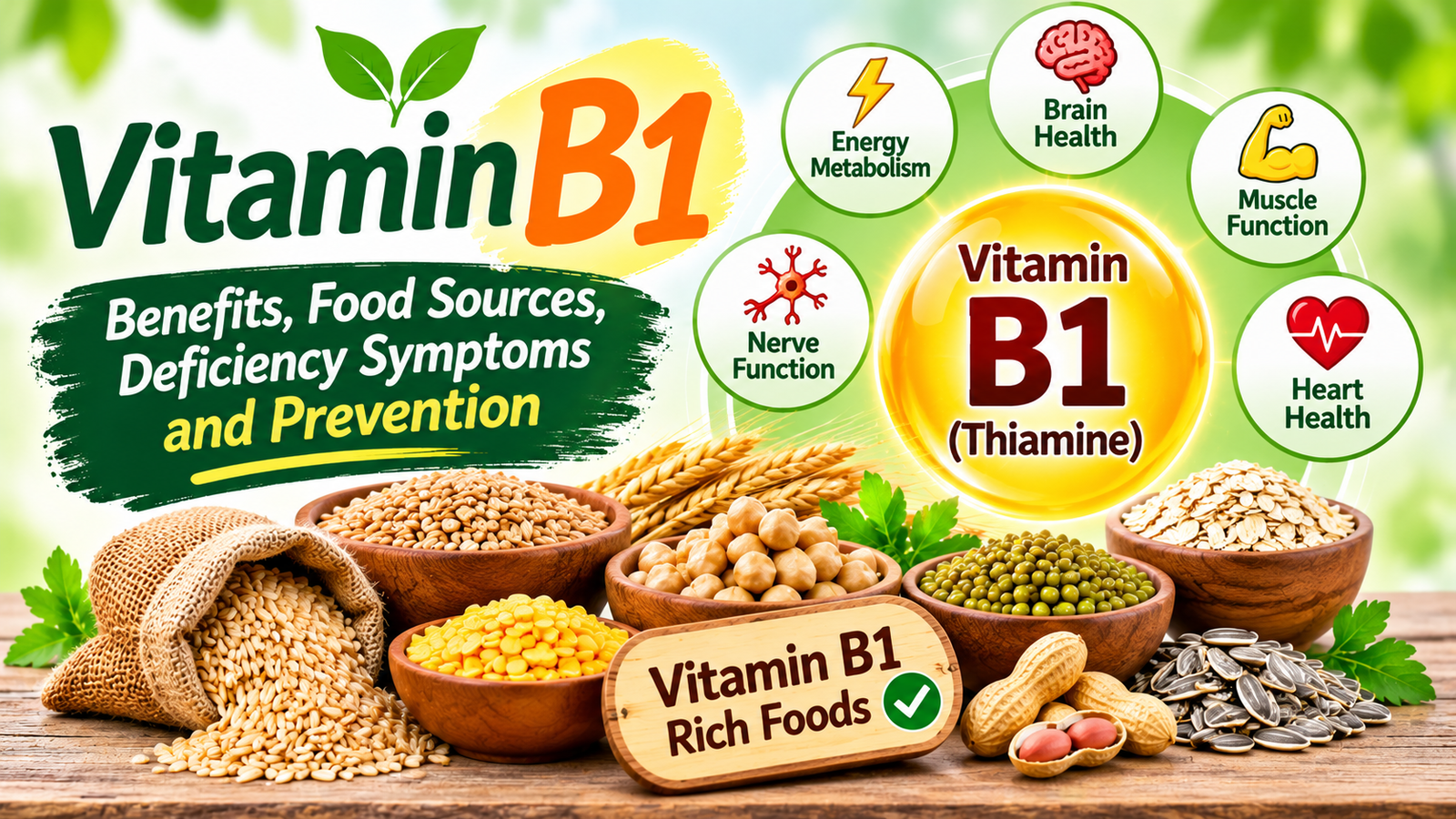
Vitamin B1, also known as thiamine or thiamin, is an essential water-soluble vitamin that helps the body convert carbohydrates into energy. It also plays an important role in maintaining normal nerve function, brain health, muscle activity and overall cellular metabolism.
Although vitamin B1 is required in relatively small amounts, inadequate intake over time can affect several important body functions. Severe deficiency can lead to conditions such as beriberi and Wernicke encephalopathy, which require prompt medical attention.
In India, foods such as whole wheat, millets, pulses, beans, nuts and seeds can contribute to daily vitamin B1 intake. However, diets heavily dependent on highly polished rice and refined cereals, particularly when combined with inadequate food intake, may increase the risk of insufficient thiamine intake.
This article explains vitamin B1 benefits, Indian food sources, deficiency symptoms, daily requirements and practical prevention strategies.
1. What Is Vitamin B1 (Thiamine)?
Vitamin B1 is one of the eight B-complex vitamins. It is a water-soluble nutrient, meaning the body does not store large amounts of it and needs a regular dietary supply.
Thiamine is converted inside the body into its active form, thiamine diphosphate (TDP), also called thiamine pyrophosphate (TPP).
This active form works as a coenzyme in several important metabolic reactions. It helps enzymes process carbohydrates and supports the metabolism of certain amino acids and fats.
Vitamin B1 is particularly important for tissues that depend heavily on energy, including the brain, nervous system, heart and muscles.
2. Health Benefits of Vitamin B1
A. Helps Convert Food into Energy
One of the primary vitamin B1 benefits is its role in energy metabolism.
The body breaks down carbohydrates from foods such as rice, roti, fruits and millets to produce energy. Thiamine helps enzymes process important metabolic compounds during this process.
It is involved in reactions that allow the body to use glucose efficiently.
However, vitamin B1 is not a direct energy booster. Taking extra thiamine does not automatically increase energy in someone who already has adequate intake.
B. Supports Normal Brain Function
The brain requires a continuous supply of energy to maintain its activities.
Vitamin B1 contributes to carbohydrate metabolism and supports the normal functioning of nerve cells. Severe deficiency can interfere with brain function and may cause confusion, memory problems and neurological complications.
A serious condition associated with thiamine deficiency is Wernicke encephalopathy, which may involve confusion, abnormal eye movements and difficulty coordinating movements.
This condition is a medical emergency and requires urgent treatment.
C. Maintains Nervous System Health
Thiamine is essential for normal nerve function.
It supports metabolic processes within nerve cells and helps maintain the normal transmission of nerve signals.
When vitamin B1 deficiency becomes severe, it can affect peripheral nerves and cause:
Tingling sensations in the hands and feet.
Numbness.
Burning sensations.
Muscle weakness.
Reduced reflexes.
Difficulty walking.
These symptoms can occur in a condition known as dry beriberi.
D. Supports Normal Heart Function
The heart is a continuously working muscle that requires energy.
Vitamin B1 contributes to energy metabolism in cardiac tissue. Severe deficiency can affect heart function and may lead to cardiovascular complications.
Wet beriberi is a form of thiamine deficiency that primarily affects the cardiovascular system.
Possible features include:
Rapid heartbeat.
Breathlessness.
Swelling of the legs.
Fluid retention.
Heart failure in severe cases.
These symptoms have several possible causes and should never be assumed to indicate vitamin B1 deficiency without medical assessment.
E. Supports Normal Muscle Function
Muscles require energy to contract and relax.
Because thiamine participates in energy metabolism and normal nerve function, adequate intake is important for healthy muscle activity.
Severe deficiency may contribute to muscle weakness, reduced reflexes and difficulty performing everyday physical activities.
F. Supports Carbohydrate Metabolism
Vitamin B1 is particularly important for the metabolism of glucose.
It acts as a coenzyme for enzymes involved in pathways such as:
Pyruvate dehydrogenase.
Alpha-ketoglutarate dehydrogenase.
Branched-chain alpha-keto acid dehydrogenase.
Transketolase.
These enzymes help the body process nutrients and support energy production.
3. Vitamin B1-Rich Foods: Indian Food Sources
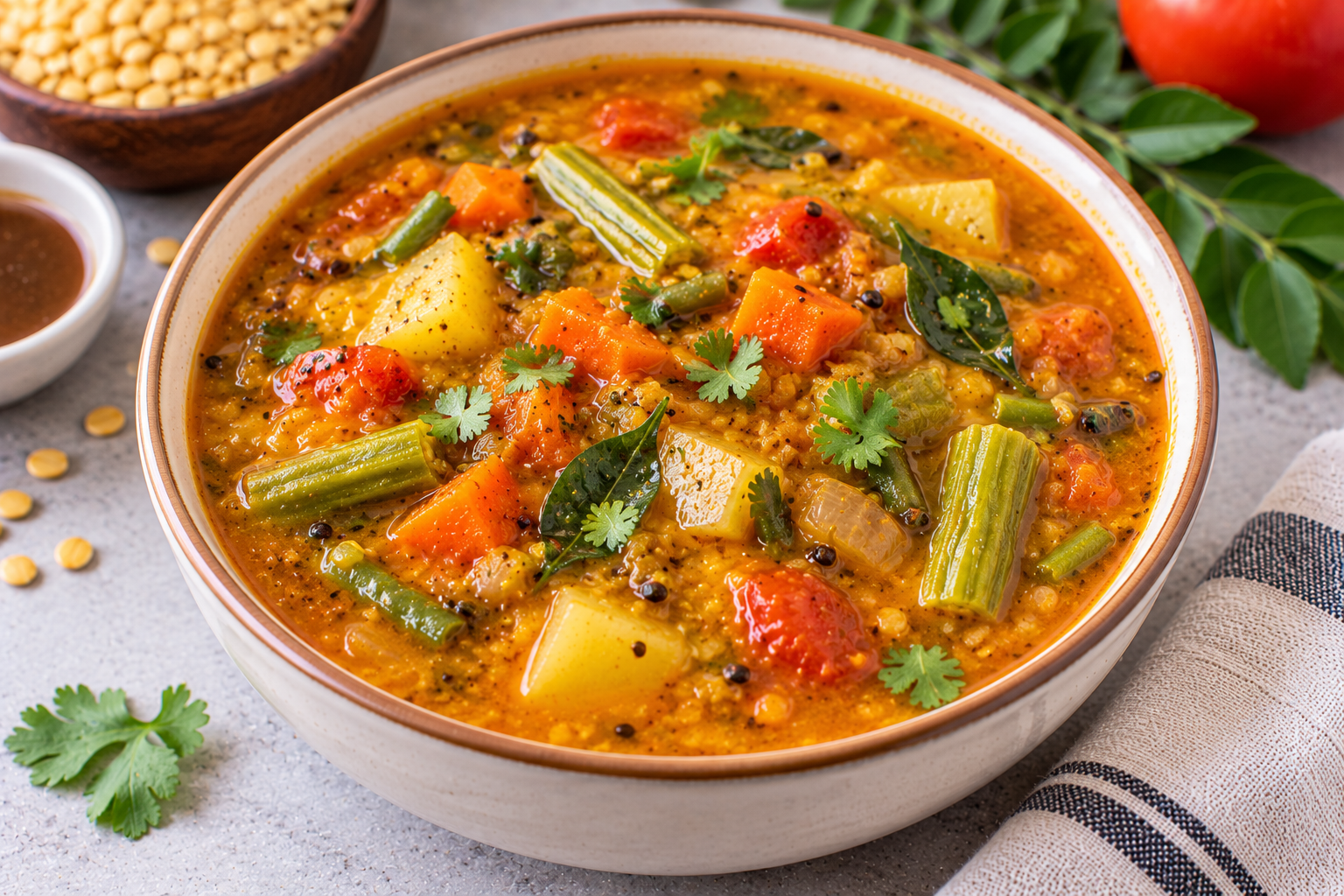
A balanced Indian diet can provide vitamin B1 through cereals, millets, pulses, nuts and seeds.
The following foods can be included regularly to improve dietary thiamine intake.
| Food group | Indian food examples | How they contribute |
|---|---|---|
| Whole grains | Whole wheat, wheat bran, brown rice | Provide thiamine as part of the grain |
| Millets | Ragi, jowar, bajra | Contribute vitamin B1 and other nutrients |
| Pulses | Masoor dal, moong dal, chana dal, urad dal | Useful plant-based sources |
| Legumes | Chickpeas, kidney beans, peas, soybeans | Contribute thiamine and protein |
| Nuts | Peanuts, almonds, cashews | Provide thiamine along with healthy fats |
| Seeds | Sunflower seeds, sesame seeds | Can contribute to daily intake |
| Other foods | Green peas, potatoes and some fruits | Provide smaller amounts as part of a varied diet |
| Animal foods | Pork, fish, eggs and meat | Provide thiamine in non-vegetarian diets |
The exact vitamin B1 content varies according to the food variety, growing conditions, processing, storage and cooking method.
Vegetarian Sources of Vitamin B1
People following a vegetarian diet can obtain thiamine from several everyday foods.
Useful options include:
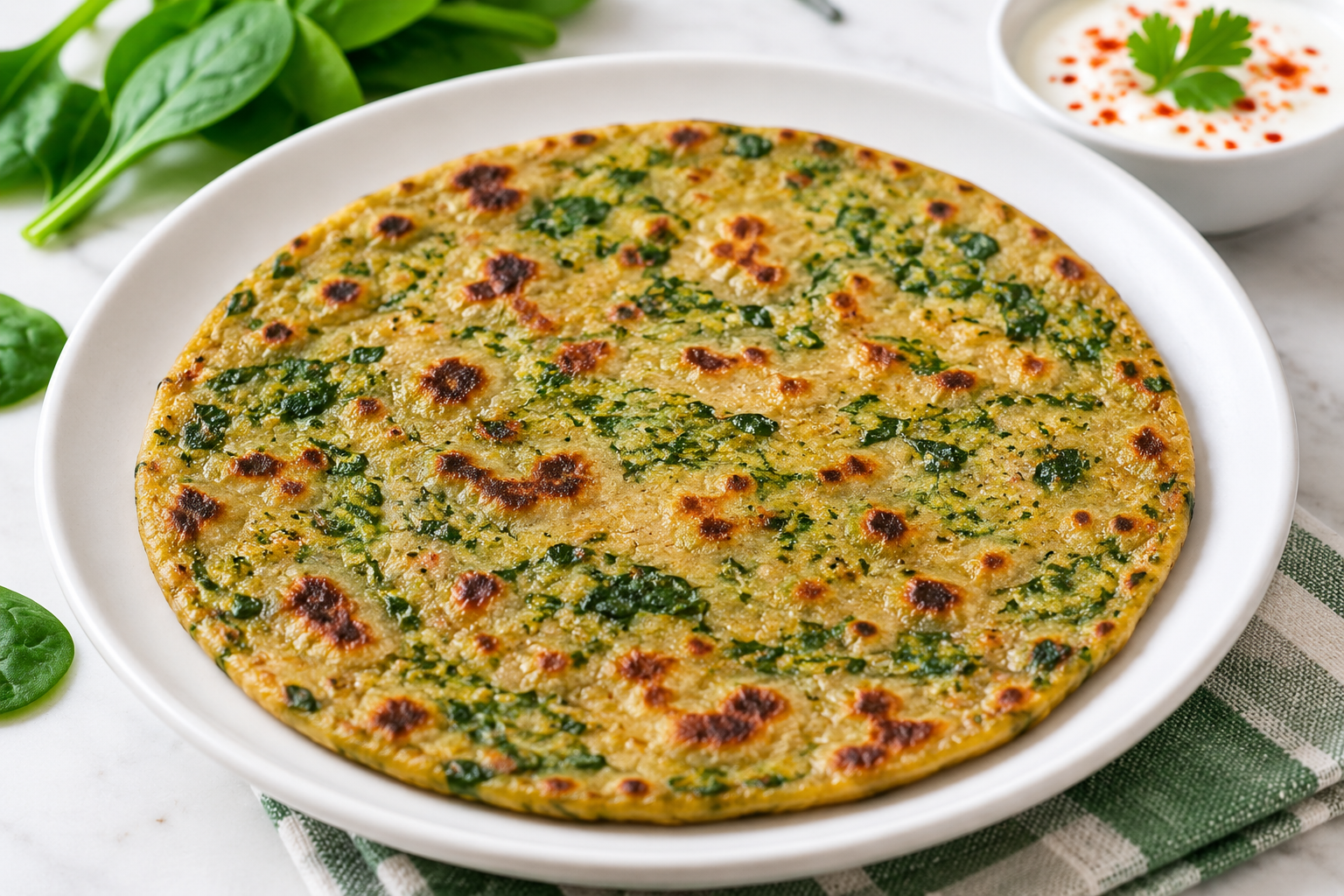
Whole wheat roti.
Brown rice.
Ragi porridge.
Bajra roti.
Jowar roti.
Moong dal.
Masoor dal.
Chickpeas.
Rajma.
Green peas.
Peanuts.
Sunflower seeds.
Combining cereals, pulses, nuts and seeds can help create a more nutritionally balanced diet.
Practical Indian Meal Ideas
You do not need expensive imported foods to include vitamin B1 in your meals.
Try these combinations:
Breakfast: Vegetable poha with peanuts and green peas.
Breakfast: Ragi porridge with nuts and seeds.
Lunch: Whole wheat roti with masoor dal and vegetable sabzi.
Lunch: Brown rice with rajma or chana curry.
Evening snack: Roasted chana or peanuts.
Dinner: Bajra roti with moong dal and seasonal vegetables.
These meals also provide dietary fiber, protein, minerals and other B vitamins.
4. How Much Vitamin B1 Do We Need Daily?
The daily requirement of vitamin B1 depends on age, sex, body needs and life stage.
The following figures are based on the ICMRâNIN Recommended Dietary Allowances for Indians, 2020.
| Group | Category | Vitamin B1 requirement |
|---|---|---|
| Adult men | Sedentary work | 1.4 mg/day |
| Adult men | Moderate work | 1.8 mg/day |
| Adult men | Heavy work | 2.3 mg/day |
| Adult women | Sedentary work | 1.4 mg/day |
| Adult women | Moderate work | 1.7 mg/day |
| Adult women | Heavy work | 2.2 mg/day |
| Pregnant women | Pregnancy | 2.0 mg/day |
| Lactating women | 0-6 months | 2.1 mg/day |
| Infants | 0-6 months | 0.2 mg/day |
| Infants | 6-12 months | 0.4 mg/day |
| Children | 1-3 years | 0.7 mg/day |
| Children | 4-6 years | 0.9 mg/day |
| Children | 7-9 years | 1.1 mg/day |
Note: These values are from ICMRâNIN 2020 recommendations. Requirements for children and adults vary with age and activity category. Consult the full ICMRâNIN reference for additional age groups and life stages.
5. Vitamin B1 Deficiency: Causes and Risk Factors
Vitamin B1 deficiency develops when the body does not receive enough thiamine, cannot absorb it properly or loses more than it can replace.
Although a varied diet usually provides thiamine, certain dietary patterns and medical conditions can increase deficiency risk.
A. Diet Based Mainly on Refined Cereals
Highly polished rice and refined grains contain less thiamine than their less-refined or whole-grain counterparts because processing can remove nutrient-rich outer layers.
A diet heavily dependent on polished rice, with limited pulses, legumes, nuts and other nutrient-rich foods, may contribute to inadequate intake.
B. Chronic Alcohol Consumption
Long-term heavy alcohol consumption is an important risk factor for thiamine deficiency.
Alcohol can interfere with thiamine absorption, utilization and storage. People with alcohol dependence may also have poor dietary intake.
Severe deficiency in this group can lead to Wernicke encephalopathy and other neurological complications.
C. Poor Dietary Intake and Malnutrition
People who consume insufficient food for prolonged periods may not receive enough vitamin B1.
Risk may increase in individuals experiencing:
Severe food restriction.
Prolonged poor appetite.
Food insecurity.
Eating disorders.
Unbalanced diets.
Chronic illness affecting food intake.
D. Digestive and Absorption Disorders
Certain gastrointestinal conditions can interfere with nutrient absorption.
Examples include:
Chronic gastrointestinal disorders.
Persistent vomiting.
Prolonged diarrhea.
Conditions affecting intestinal absorption.
Certain complications following bariatric surgery.
People with these conditions may need individualized nutritional assessment.
E. Increased Nutritional Needs
Thiamine requirements may increase in certain clinical situations, particularly when energy metabolism is elevated or nutritional intake is inadequate.
Pregnancy and lactation also require attention to adequate dietary intake.
F. Certain Medical Conditions
Some conditions, including diabetes and severe illness, may be associated with an increased risk of inadequate thiamine status.
The presence of these conditions does not automatically mean that a person is deficient. Clinical assessment is necessary.
6. Vitamin B1 Deficiency Symptoms
Vitamin B1 deficiency symptoms may develop gradually and can initially be difficult to recognize.
Early symptoms are often nonspecific. Severe deficiency can affect the nervous system, heart and brain.
| Symptom | Possible explanation |
|---|---|
| Fatigue and weakness | Impaired energy metabolism |
| Loss of appetite | May occur with inadequate thiamine status |
| Unexplained weight loss | Can accompany poor intake and deficiency |
| Irritability | Possible neurological involvement |
| Tingling in hands and feet | Peripheral nerve involvement |
| Numbness | Neuropathy |
| Muscle weakness | Neuromuscular involvement |
| Difficulty walking | Severe nerve or neurological involvement |
| Confusion | Possible brain involvement |
| Memory problems | Neurological complications |
| Rapid heartbeat or swelling | Possible cardiovascular involvement |
These symptoms are not specific to vitamin B1 deficiency. Anemia, thyroid disorders, diabetes, vitamin B12 deficiency, infections and other medical conditions can produce similar symptoms.
Persistent symptoms require medical evaluation rather than self-diagnosis.
7. Diseases Associated with Severe Vitamin B1 Deficiency
Severe thiamine deficiency can lead to recognized clinical conditions.
A. Beriberi
Beriberi is a disease caused by significant vitamin B1 deficiency.
It is commonly described in two major forms.
Dry Beriberi
Dry beriberi primarily affects the nervous system.
Symptoms may include:
Tingling and numbness in the limbs.
Peripheral neuropathy.
Muscle weakness.
Reduced reflexes.
Difficulty walking.
Wet Beriberi
Wet beriberi primarily affects the cardiovascular system.
Possible symptoms include:
Rapid heartbeat.
Breathlessness.
Swelling due to fluid retention.
Cardiovascular dysfunction.
Heart failure in severe cases.
Both forms require medical diagnosis and appropriate treatment.
B. Wernicke Encephalopathy
Wernicke encephalopathy is a serious neurological condition associated with thiamine deficiency.
It is particularly associated with chronic alcohol misuse but can also occur in people with prolonged vomiting, severe malnutrition, malabsorption or other causes of inadequate thiamine availability.
The classic features include:
Confusion or altered mental status.
Abnormal eye movements or eye muscle problems.
Ataxia, meaning poor balance or coordination.
Not every patient develops all three features.
Wernicke encephalopathy is a medical emergency. Urgent medical treatment with thiamine is essential when the condition is suspected.
8. How Is Vitamin B1 Deficiency Diagnosed?
Vitamin B1 deficiency cannot be confirmed from symptoms alone.
A healthcare professional may assess:
Dietary history.
Alcohol consumption history.
Medical and medication history.
Weight changes and nutritional status.
Neurological symptoms.
Signs of cardiovascular involvement.
Laboratory investigations may include:
| Investigation | Purpose |
|---|---|
| Whole-blood thiamine diphosphate (TDP) | Helps assess thiamine status |
| Erythrocyte transketolase activity | Functional assessment of thiamine status |
| Urinary thiamine | Can provide information about recent intake or excretion |
| Additional blood tests | May help investigate other causes of similar symptoms |
No single test should be interpreted in isolation.
If Wernicke encephalopathy is suspected, treatment should not be delayed while waiting for laboratory confirmation.
9. How to Prevent Vitamin B1 Deficiency
For most healthy people, a balanced diet containing whole grains, pulses, legumes, nuts and seeds can help maintain adequate vitamin B1 intake.
1. Choose Whole Grains More Often
Include whole wheat, brown rice, millets and other less-refined grains in your regular meals.
These foods can contribute more thiamine than highly refined alternatives.
2. Include Pulses and Legumes Daily
Add foods such as:
Moong dal.
Masoor dal.
Chana.
Rajma.
Peas.
Soybeans.
They provide thiamine along with protein, fibre and minerals.
3. Add Nuts and Seeds
Peanuts, sunflower seeds and other nuts and seeds can contribute to thiamine intake.
Use suitable portions as part of a balanced diet.
4. Avoid Excessive Refining of Grains
Highly polished grains may lose some of their thiamine during processing.
Including a variety of whole grains and millets can improve overall dietary quality.
5. Use Appropriate Cooking Methods
Thiamine is water soluble and can be lost through prolonged heating and cooking in excess water, particularly if the cooking water is discarded.
Practical tips:
Wash grains and pulses without excessive repeated rinsing.
Avoid unnecessary prolonged soaking and cooking.
Use the cooking water in dals and other suitable dishes.
Prefer appropriate cooking methods that minimise nutrient losses.
6. Address Chronic Alcohol Consumption
Long-term heavy alcohol consumption can increase the risk of thiamine deficiency.
People experiencing alcohol dependence should seek medical support. Nutritional treatment alone may not be sufficient, especially when withdrawal or neurological symptoms are present.
7. Seek Nutritional Assessment When Needed
People with prolonged poor appetite, unexplained weight loss, persistent vomiting, chronic digestive conditions or a history of bariatric surgery may benefit from professional nutritional assessment.
10. Vitamin B1 Supplements: Who May Need Them?
Most people can obtain vitamin B1 through food.
However, thiamine supplements may be recommended by a healthcare professional in certain situations, such as:
Confirmed vitamin B1 deficiency.
Severe dietary inadequacy.
Alcohol dependence or withdrawal-related clinical risk.
Prolonged vomiting or malabsorption.
Certain complications after bariatric surgery.
Specific medical conditions associated with increased deficiency risk.
Thiamine supplements are available individually and as part of vitamin B-complex or multivitamin preparations.
The appropriate dose and route depend on the clinical situation.
Mild dietary inadequacy and severe neurological deficiency are not managed in the same way. Suspected Wernicke encephalopathy requires urgent medical treatment, often with thiamine administered by injection.
Do not attempt to treat serious neurological symptoms using over-the-counter supplements alone.
11. Frequently Asked Questions About Vitamin B1
Q1. What is vitamin B1 called?
Vitamin B1 is also called thiamine or thiamin. It is a water-soluble B-complex vitamin involved in energy metabolism and normal nerve function.
Q2. What are the main benefits of vitamin B1?
Vitamin B1 helps the body convert food into energy, supports normal nerve function, contributes to brain metabolism and supports the normal functioning of muscles and the heart.
Q3. Which Indian foods are rich in vitamin B1?
Whole wheat, millets, pulses, chickpeas, beans, peanuts and sunflower seeds are useful dietary sources. Pork, fish and eggs also provide thiamine for people who consume animal foods.
Q4. What are the early symptoms of vitamin B1 deficiency?
Possible early symptoms include fatigue, weakness, poor appetite, irritability and unexplained weight loss. These symptoms can have many causes and require proper assessment.
Q5. Can vitamin B1 deficiency cause tingling in the hands and feet?
Yes. Severe thiamine deficiency can affect peripheral nerves and cause tingling, numbness, burning sensations and muscle weakness.
Q6. What disease is caused by vitamin B1 deficiency?
Severe vitamin B1 deficiency can cause beriberi. It can also cause Wernicke encephalopathy, a serious neurological condition that requires urgent medical treatment.
Q7. Is vitamin B1 available in vegetarian foods?
Yes. Whole grains, millets, pulses, beans, peanuts and seeds are vegetarian sources of vitamin B1.
Q8. Does polished white rice contain vitamin B1?
Polishing removes nutrient-rich outer layers of rice and can substantially reduce its thiamine content. Including pulses, legumes, whole grains and other nutrient-rich foods helps improve the overall diet.
Q9. Can vitamin B1 improve tiredness?
Thiamine deficiency can contribute to fatigue and weakness. Correcting a confirmed deficiency may improve deficiency-related symptoms. However, taking additional vitamin B1 does not necessarily improve tiredness in people who already have adequate intake.
Q10. Can I take vitamin B1 supplements daily?
Supplementation depends on individual dietary intake, health status and clinical requirements. People should consult a healthcare professional before using high-dose supplements or treating suspected deficiency themselves.
Conclusion
Vitamin B1, or thiamine, is an essential nutrient that supports energy metabolism, brain function, nerve health and normal muscle activity.
In the Indian diet, whole wheat, millets, pulses, beans, peanuts and seeds are practical sources of vitamin B1. Including these foods regularly can help maintain adequate thiamine intake.
Severe vitamin B1 deficiency can cause beriberi and Wernicke encephalopathy, both of which require medical attention. People with chronic alcohol consumption, prolonged poor food intake, digestive disorders or unexplained neurological symptoms may need professional assessment.
A varied, balanced diet and early recognition of deficiency risk factors are important steps in preventing vitamin B1 deficiency.
Medical Disclaimer: This article is for general educational purposes only and does not replace professional medical advice, diagnosis or treatment. Persistent weakness, numbness, confusion, difficulty walking, breathlessness or other concerning symptoms require medical evaluation. Suspected Wernicke encephalopathy is an emergency.
References and Scientific Resources
Indian Council of Medical Research (ICMR)-National Institute of Nutrition (NIN). Recommended Dietary Allowances and Estimated Average Requirements: Nutrient Requirements for Indians, 2020.
National Institutes of Health, Office of Dietary Supplements. Thiamin: Fact Sheet for Health Professionals.
National Institutes of Health, Office of Dietary Supplements. Thiamin: Fact Sheet for Consumers.
ICMR-National Institute of Nutrition. Dietary Guidelines for Indians, 2024.
NHS. Vitamins and Minerals: B Vitamins and Folic Acid.
Merck Manual Professional Edition. Thiamine Deficiency (Beriberi).
💬 Comments (0)
Be respectful. Website links and phone numbers are not allowed.