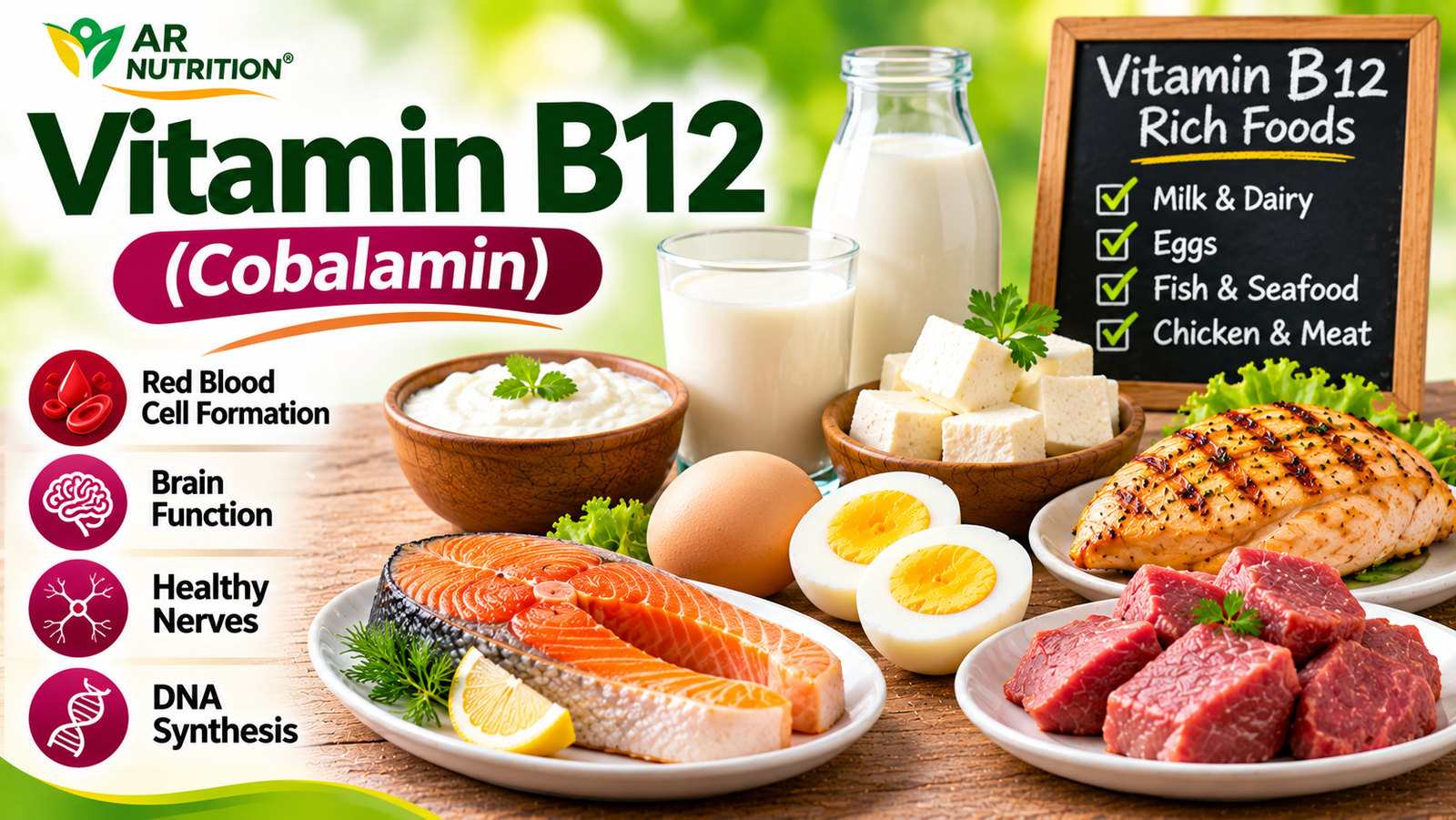
Vitamin B12, also known as cobalamin, is an essential water-soluble vitamin that supports red blood cell formation, DNA synthesis, brain function and a healthy nervous system. It plays an important role in maintaining normal nerve cells and helping the body produce healthy blood cells.
Vitamin B12 is naturally found mainly in animal-based foods such as milk, curd, eggs, fish, chicken, meat and liver. It is also available in certain fortified foods and supplements.
Vitamin B12 deficiency can cause megaloblastic anemia, fatigue, weakness, numbness, tingling and neurological problems. People following strict vegetarian or vegan diets may be at increased risk if they do not consume reliable fortified foods or supplements.
In this article, we will explore vitamin B12 benefits, Indian food sources, daily requirements, deficiency symptoms, diagnosis, treatment and prevention.
What Is Vitamin B12?
Vitamin B12 is an essential water-soluble vitamin belonging to the vitamin B complex group. Its scientific name is cobalamin.
It contains the mineral cobalt and exists in several forms, including:
Methyl cobalamin.
Adenosyl cobalamin.
Hydroxocobalamin.
Cyanocobalamin.
Vitamin B12 is required for two important enzyme reactions in the human body:
Conversion of homocysteine into methionine.
Conversion of methyl malonyl-CoA into succinyl-CoA.
These reactions support DNA synthesis, normal metabolism, red blood cell production and nervous system function.
Unlike most water-soluble vitamins, vitamin B12 can be stored in the liver. Therefore, deficiency symptoms may take several years to develop when intake or absorption becomes inadequate.
Health Benefits of Vitamin B12
1. Supports Red Blood Cell Formation
One of the most important functions of vitamin B12 is its role in healthy red blood cell production.
Vitamin B12 supports DNA synthesis in developing blood cells. When the body does not receive or absorb enough vitamin B12, red blood cell development may become abnormal.
This can cause megaloblastic anemia, a condition in which red blood cells become larger than normal and do not develop properly.
Common symptoms may include:
Tiredness.
Weakness.
Pale skin.
Dizziness.
Shortness of breath.
Rapid heartbeat.
Adequate vitamin B12 intake is essential for normal blood cell production.
2. Supports Brain Function
Vitamin B12 is important for normal brain function and neurological health.
It participates in biochemical reactions required for the maintenance of nerve cells and normal nervous system activity.
Deficiency may cause:
Memory difficulties.
Confusion.
Poor concentration.
Mood changes.
Balance problems.
Neurological symptoms.
Long-standing untreated deficiency can cause serious neurological complications.
3. Maintains Healthy Nerve Function
Vitamin B12 plays an important role in maintaining myelin, the protective covering around nerve fibers.
Myelin helps nerve signals travel efficiently throughout the body.
When vitamin B12 levels are very low, nerve damage may develop.
Possible symptoms include:
Tingling in the hands and feet.
Numbness.
Burning sensations.
Difficulty walking.
Loss of balance.
Muscle weakness.
Neurological symptoms can sometimes occur even without obvious anemia. Early diagnosis is important because some nerve damage may not completely reverse after prolonged deficiency.
4. Supports DNA Synthesis
Vitamin B12 is required for normal DNA synthesis and cell division.
It works closely with folate in reactions involved in the production of genetic material.
This is particularly important for tissues with rapidly dividing cells, including bone marrow, where red blood cells are produced.
5. Helps Maintain Normal Homocysteine Levels
Homocysteine is an amino acid produced during normal protein metabolism.
Vitamin B12 works with folate to convert homocysteine into methionine.
When vitamin B12 levels are inadequate, homocysteine levels may increase.
However, lowering homocysteine through vitamin supplementation has not consistently been shown to prevent heart attacks or other cardiovascular events.
6. Supports Energy Metabolism
Vitamin B12 participates in metabolic reactions that help the body process certain nutrients.
It contributes to the metabolism of:
Fatty acids.
Certain amino acids.
Homocysteine.
Other metabolic compounds.
Vitamin B12 does not directly provide calories or act as a stimulant. Taking extra B12 does not necessarily increase energy in people who already have adequate levels.
7. Supports Healthy Cell Development
Vitamin B12 is needed for normal DNA synthesis and cell division.
It supports the development of red blood cells and other rapidly dividing cells.
Adequate vitamin B12 intake is therefore important throughout life, particularly during periods of growth and development.
Vitamin B12-Rich Foods in India
Vitamin B12 is naturally present mainly in animal-derived foods. People who consume these foods can obtain vitamin B12 through a varied diet.
1. Milk and Dairy Products
Useful options include:
Cow milk.
Buffalo milk.
Curd.
Paneer.
Cheese.
Other dairy products.
Dairy products can contribute to daily vitamin B12 intake.
2. Eggs
Eggs contain vitamin B12, particularly in the yolk.
They can be included in:
Boiled egg meals.
Vegetable omelets.
Egg curry.
Scrambled eggs.
The amount of vitamin B12 varies with egg size and preparation.
3. Fish and Seafood
Fish and seafood are useful sources of vitamin B12.
Examples include:
Sardines.
Salmon.
Tuna.
Mackerel.
Trout.
Shellfish.
The amount varies by species and serving size.
4. Chicken and Meat
Animal-based foods that provide vitamin B12 include:
Chicken.
Mutton.
Beef.
Pork.
Other meat products.
They can contribute to overall vitamin B12 intake.
5. Liver
Liver is one of the richest natural food sources of vitamin B12.
However, liver also contains high amounts of preformed vitamin A. Pregnant women should avoid liver and liver products unless specifically advised by a healthcare professional.
Can Vegetarians Get Enough Vitamin B12?
Vitamin B12 is a particular nutritional concern for people following vegetarian and vegan diets.
Ordinary plant foods do not provide reliable amounts of active vitamin B12.
Some foods may be marketed as natural sources of vitamin B12, including:
Fermented foods.
Certain algae.
Seaweed.
Mushrooms.
However, their vitamin B12 content may be inconsistent, unavailable or present in forms that are not reliably useful to humans.
Therefore, these foods should not be relied upon as the sole source of vitamin B12.
Reliable Vitamin B12 Options for Vegetarians
Vegetarians can consider:
Milk.
Curd.
Paneer.
Cheese.
Vitamin B12-fortified breakfast cereals.
Fortified plant-based milk.
Vitamin B12 supplements when required.
Vitamin B12 for Vegans
People following a strict vegan diet generally need a reliable fortified food or supplement source of vitamin B12.
A diet containing only unfortified plant foods is unlikely to provide adequate vitamin B12 over time.
Vitamin B12 Food Sources: Selected Examples
The following values are approximate examples from the NIH Office of Dietary Supplements. Actual amounts vary according to food type, serving size and preparation.
| Food | Serving | Approximate vitamin B12 |
|---|---|---|
| Clams, cooked | 85 g | 17 mcg |
| Liver, cooked | 85 g | 70 mcg |
| Salmon, cooked | 85 g | 2.6 mcg |
| Tuna, canned | 85 g | 2.5 mcg |
| Beef, cooked | 85 g | 2.4 mcg |
| Milk | 1 cup | 1.3 mcg |
| Yoghurt | 1 cup | Varies by product |
| Egg | 1 large | 0.5 mcg |
These are reference examples, not exact values for every Indian food preparation.
Daily Requirement of Vitamin B12
Vitamin B12 requirements depend on age and life stage.
The following values are based on ICMR-NIN 2020 recommendations:
| Group | Recommended intake |
|---|---|
| Adult men | 2.2 mcg/day |
| Adult women | 2.2 mcg/day |
| Pregnant women | 2.45 mcg/day |
| Lactating women | 3.2 mcg/day |
Requirements for children and adolescents vary according to age. <Cite refs={["turn140929search24","turn140929search1"]}/>
Vitamin B12 Deficiency
Vitamin B12 deficiency occurs when the body does not receive or absorb enough vitamin B12 to meet its requirements.
It can affect both blood cell production and the nervous system.
Deficiency may develop due to inadequate dietary intake, poor absorption, certain medical conditions or long-term use of some medications.
Common Symptoms of Vitamin B12 Deficiency
Possible symptoms include:
Persistent tiredness.
Weakness.
Pale skin.
Dizziness.
Shortness of breath.
Tingling in hands and feet.
Numbness.
Difficulty walking.
Poor balance.
Memory difficulties.
Confusion.
Sore or swollen tongue.
Reduced appetite.
Mood changes.
Some people may develop neurological symptoms even when their blood count is not significantly abnormal.
Causes of Vitamin B12 Deficiency
1. Vegetarian or Vegan Diet Without Reliable B12 Sources
People who do not consume animal foods may develop deficiency if they do not regularly use fortified foods or supplements.
2. Pernicious Anemia
Pernicious anemia is an autoimmune condition in which the body cannot produce enough intrinsic factor, a protein needed for vitamin B12 absorption.
Without intrinsic factor, vitamin B12 absorption becomes severely impaired.
3. Digestive Disorders
Certain conditions can affect vitamin B12 absorption, including:
Coeliac disease.
Crohn's disease.
Certain intestinal disorders.
Conditions affecting the stomach or small intestine.
4. Stomach or Intestinal Surgery
People who have undergone certain stomach or intestinal surgeries may have difficulty absorbing vitamin B12.
5. Age-Related Changes
Some older adults produce less stomach acid, which can make it harder to release vitamin B12 from food.
6. Certain Medications
Long-term use of certain medicines may affect vitamin B12 status.
Examples include:
Metformin.
Proton pump inhibitors.
H2 receptor blockers.
People taking these medications should discuss possible monitoring with their healthcare professional. Do not stop prescribed medication without medical advice.
How Is Vitamin B12 Deficiency Diagnosed?
Symptoms alone cannot confirm vitamin B12 deficiency. A healthcare professional may recommend blood tests based on medical history, symptoms and dietary habits.
1. Serum Vitamin B12 Test
This blood test measures vitamin B12 levels in the blood.
Low levels may suggest deficiency, but laboratory reference ranges vary.
2. Complete Blood Count (CBC)
A CBC helps assess:
Hemoglobin.
Red blood cell count.
Mean corpuscular volume (MCV).
Other blood cell measurements.
Vitamin B12 deficiency may cause macrocytic or megaloblastic anemia.
However, a normal MCV does not completely rule out vitamin B12 deficiency.
3. Methylmalonic Acid (MMA)
MMA may be measured when vitamin B12 results are borderline or unclear.
Increased MMA levels can support a diagnosis of vitamin B12 deficiency, although kidney function also affects this marker.
4. Homocysteine
Homocysteine may increase when vitamin B12 is inadequate.
However, it is less specific because folate deficiency and other conditions can also increase homocysteine.
5. Additional Tests
Depending on the suspected cause, a doctor may recommend:
Folate testing.
Kidney function tests.
Tests for intrinsic factor antibodies.
Other investigations for malabsorption.
Early testing is important when neurological symptoms are present.
Treatment of Vitamin B12 Deficiency
Treatment depends on the severity of deficiency and its underlying cause.
1. Vitamin B12 Supplements
Oral vitamin B12 supplements may be prescribed for dietary deficiency and some other situations.
Common supplement forms include:
Cyanocobalamin.
Methyl cobalamin.
Hydroxocobalamin.
The appropriate formulation and dose depend on the clinical situation.
2. Vitamin B12 Injections
Injections may be recommended when:
Deficiency is severe.
Absorption is significantly impaired.
Pernicious anemia is present.
Neurological symptoms require prompt treatment.
Oral treatment is not suitable or effective.
The treatment schedule is determined by the healthcare professional.
3. Treating the Underlying Cause
If deficiency is caused by a digestive condition, medication or another medical problem, the underlying issue should also be evaluated and managed.
4. Dietary Improvement
People with inadequate dietary intake may need to include reliable vitamin B12 sources, such as dairy products, eggs, fish, meat or fortified foods.
Strict vegetarians and vegans should discuss reliable supplementation or fortified food options.
Sample Indian Diet Plan for Vitamin B12
The following is an illustrative meal plan. It is not a prescribed treatment plan and does not guarantee adequate vitamin B12 intake.
| Meal | Food options |
|---|---|
| Early morning | Water and seasonal fruit |
| Breakfast | Vegetable omelets or fortified breakfast cereal |
| Mid-morning | Milk or curd |
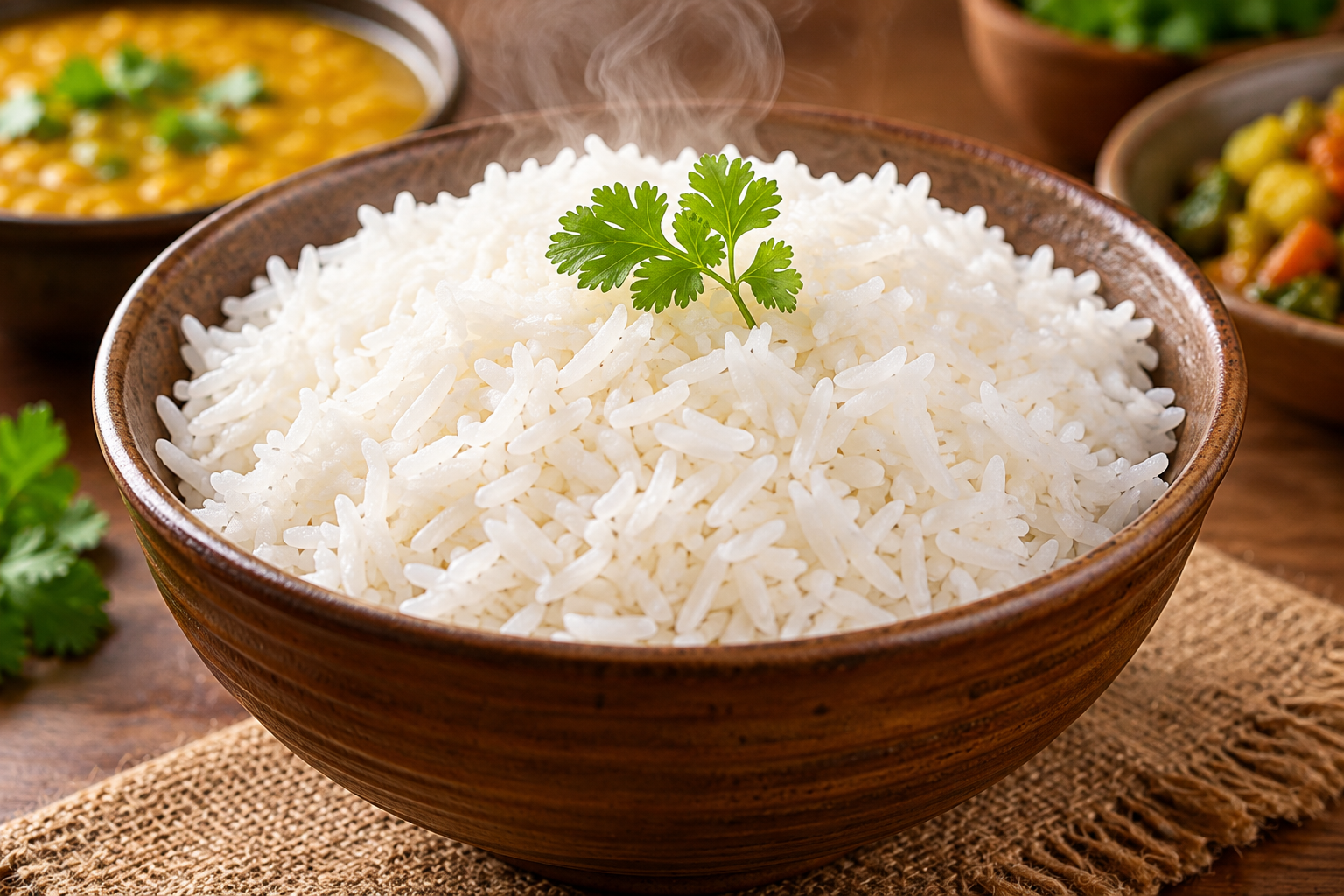
| Lunch | Rice or roti, dal, vegetables and curd |
| Evening snack | Fortified plant-based drink or dairy snack |
| Dinner | Fish or chicken with vegetables and roti; vegetarian option: paneer with vegetables |
For strict vegetarians and vegans, a reliable fortified food or supplement may be necessary.
Vitamin B12 Supplements: Uses and Precautions
Vitamin B12 supplements are available in several forms:
Cyanocobalamin.
Methyl cobalamin.
Hydroxocobalamin.
Vitamin B-complex formulations.
Multivitamin products.
Supplements may be recommended for confirmed deficiency, poor dietary intake, malabsorption or specific medical conditions.
Vitamin B12 is generally considered to have low toxicity, and no tolerable upper intake level has been established. However, this does not mean that everyone needs high-dose supplementation.
The correct treatment should be based on the cause and severity of deficiency.
Practical Tips to Prevent Vitamin B12 Deficiency
Include reliable vitamin B12 sources in your diet.
Consume milk, curd, paneer or eggs if they are part of your diet.
Include fish, chicken or other animal foods if preferred.
Choose foods specifically fortified with vitamin B12.
If you follow a vegan diet, use a reliable B12 supplement or fortified food regularly.
Do not depend on unfortified fermented foods or algae as your only B12 source.
Discuss B12 testing if you have persistent fatigue, numbness or tingling.
Ask your healthcare professional about monitoring if you take metformin or acid-reducing medicines long term.
Seek early medical attention if you develop balance problems or neurological symptoms.
Follow the prescribed treatment plan if deficiency is confirmed.
Frequently Asked Questions (FAQs)
1. What is another name for vitamin B12?
Vitamin B12 is also known as cobalamin. Common forms include methyl cobalamin, cyanocobalamin and hydroxocobalamin.
2. Which Indian foods are rich in vitamin B12?
Milk, curd, paneer, eggs, fish, chicken, meat and liver are useful sources of vitamin B12.
3. Can vegetarians develop vitamin B12 deficiency?
Yes. Vegetarians may be at risk if they do not consume enough dairy products, fortified foods or supplements.
4. Can vegans get vitamin B12 naturally from plant foods?
Ordinary unfortified plant foods are not reliable sources of active vitamin B12. Vegans should use reliable fortified foods or supplements.
5. Can vitamin B12 deficiency cause hair loss?
Hair loss is not a specific sign of vitamin B12 deficiency. It may occur alongside nutritional deficiencies, but other causes should also be considered.
6. Can vitamin B12 deficiency cause anemia?
Yes. Vitamin B12 deficiency can cause megaloblastic anemia, in which red blood cells become larger than normal.
7. Can vitamin B12 deficiency cause tingling in the hands and feet?
Yes. Deficiency can damage nerves and cause tingling, numbness, burning sensations and balance problems.
8. What is the daily requirement of vitamin B12 for adults in India?
According to ICMR-NIN 2020, the adult reference intake is 2.2 mcg per day.
9. Which test checks vitamin B12 deficiency?
A serum vitamin B12 test is commonly used. CBC, methylmalonic acid and other tests may be recommended depending on the results and symptoms.
10. Is methyl cobalamin better than cyanocobalamin?
Both are forms of vitamin B12 used in supplements. The most appropriate form depends on the clinical situation. There is no universal evidence that methyl cobalamin is superior for everyone.
11. Can vitamin B12 deficiency be reversed?
Many symptoms improve with appropriate treatment, particularly when deficiency is identified early. However, long-standing nerve damage may not fully reverse.
12. Does vitamin B12 give instant energy?
Vitamin B12 supports normal metabolism and blood cell production. Supplementation can improve fatigue caused by deficiency, but it does not act as an energy booster in people with adequate levels.
Conclusion
Vitamin B12 (cobalamin) is an essential nutrient that supports red blood cell formation, DNA synthesis, brain function and healthy nerve activity.
Animal-based foods such as milk, curd, eggs, fish, chicken and meat are important natural sources. People following vegetarian or vegan diets should pay special attention to reliable fortified foods and supplements because ordinary unfortified plant foods are not dependable sources of active vitamin B12.
Vitamin B12 deficiency can cause anemia and potentially serious neurological problems. Early diagnosis and appropriate treatment are important to prevent long-term complications.
A balanced diet, awareness of dietary risk factors and timely testing can help maintain healthy vitamin B12 levels.
Medical Disclaimer: This article is for general educational purposes and is not a substitute for medical diagnosis or treatment. Consult a qualified healthcare professional if you experience persistent fatigue, numbness, tingling, balance problems or other symptoms of possible vitamin B12 deficiency.
References
ICMR-National Institute of Nutrition. Nutrient Requirements for Indians: Recommended Dietary Allowances and Estimated Average Requirements, 2020.
National Institutes of Health, Office of Dietary Supplements. Vitamin B12: Fact Sheet for Health Professionals.
National Health Service (NHS). Vitamin B12 or Folate Deficiency Anemia.
MedlinePlus. Vitamin B12.


💬 Comments (0)
Be respectful. Website links and phone numbers are not allowed.