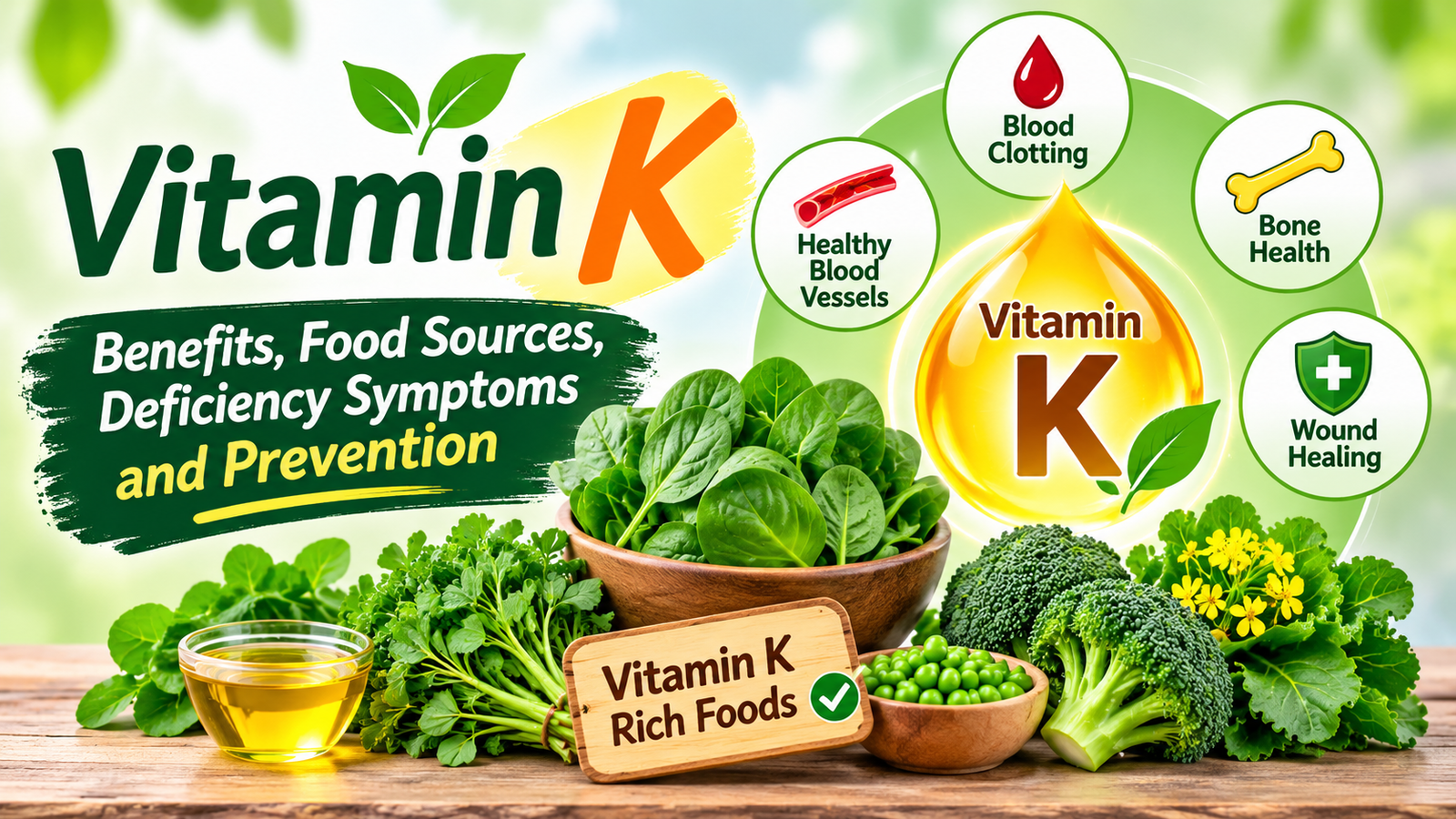
Vitamin K is an essential fat-soluble vitamin that plays an important role in blood clotting, wound healing and bone metabolism. Although it receives less attention than vitamins D, B12 and C, it is necessary for several important processes that keep the body healthy.
In India, green leafy vegetables such as spinach, fenugreek leaves, mustard greens and amaranth are familiar parts of everyday meals and can help provide vitamin K. However, certain medical conditions, poor nutrient absorption and medications can increase the risk of deficiency.
This article explains the types of vitamin K, its health benefits, Indian food sources, deficiency symptoms, recommended intake considerations and practical ways to maintain adequate vitamin K nutrition.
1. What Is Vitamin K?
Vitamin K is a group of fat-soluble compounds required by the body to produce and activate proteins involved in blood coagulation and other physiological functions.
The two main naturally occurring forms are:
Vitamin K1 (Phylloquinone): Primarily found in green leafy vegetables and certain plant oils. It is the main dietary form of vitamin K.
Vitamin K2 (Menaquinones): Found in certain fermented foods and animal-derived foods. It is also produced by some bacteria.
Vitamin K is absorbed in the small intestine along with dietary fat. Because it is fat-soluble, its absorption can be affected by conditions that interfere with fat digestion and absorption.
Vitamin K helps activate proteins that regulate blood clotting and contribute to normal bone metabolism.
2. Health Benefits of Vitamin K
A. Supports Normal Blood Clotting
One of the most established functions of vitamin K is its role in blood coagulation.
The liver requires vitamin K to activate several clotting proteins, including:
Factor II (Prothrombin)
Factor VII
Factor IX
Factor X
These proteins help the body form blood clots when blood vessels are injured.
Without adequate vitamin K, the clotting process may become impaired, increasing the risk of excessive bleeding.
B. Contributes to Bone Health
Vitamin K is required to activate osteocalcin, a protein involved in bone metabolism.
Osteocalcin helps bind calcium within bone tissue. Vitamin K-dependent proteins also participate in the regulation of bone mineralisation.
Adequate vitamin K intake is important for normal bone physiology. However, research has not conclusively established that taking extra vitamin K supplements prevents osteoporosis or fractures in everyone.
C. Supports Normal Blood Vessel Function
Vitamin K is involved in activating matrix Gla protein (MGP), a protein that helps regulate mineralisation in soft tissues, including blood vessels.
This has led to research into the possible relationship between vitamin K status and vascular health.
However, evidence is still developing. Vitamin K supplements should not be promoted as a proven treatment for arterial calcification or cardiovascular disease.
D. Supports Normal Cellular Functions
Vitamin K-dependent proteins participate in several biological processes beyond blood coagulation.
Researchers continue to investigate their roles in cellular regulation, inflammation and tissue health. However, more human clinical research is required before specific therapeutic benefits can be established.
3. Vitamin K- Rich Foods: Indian Food Sources
A balanced Indian diet can provide vitamin K, particularly when it regularly includes green leafy vegetables.
| Food group | Indian food examples | Nutritional contribution |
|---|---|---|
| Green leafy vegetables | Palak, methi, sarson, amaranth leaves | Important sources of vitamin K1 |
| Cruciferous vegetables | Broccoli, cabbage, cauliflower | Provide vitamin K and other nutrients |
| Other vegetables | Green beans, green peas | Contribute to overall vitamin K intake |
| Vegetable oils | Soybean oil, canola oil and other plant oils | Can provide vitamin K |
| Fruits | Avocado and some other fruits | Provide smaller amounts, depending on the fruit |
| Fermented foods | Certain fermented foods and cheeses | May provide vitamin K2, depending on preparation |
| Animal foods | Eggs, meat and dairy products | May provide smaller amounts of vitamin K |
The vitamin K content of foods varies with the variety, growing conditions, portion size, processing and cooking method.
Practical Indian Meal Ideas
You do not need expensive supplements or imported foods to include vitamin K-rich foods in your diet.
Some practical options include:
Palak dal with rice or roti.
Methi paratha with curd.
Sarson saag with makki roti.
Amaranth leaf sabzi with chapati.
Broccoli and vegetable stir fry.
Mixed green vegetable curry.
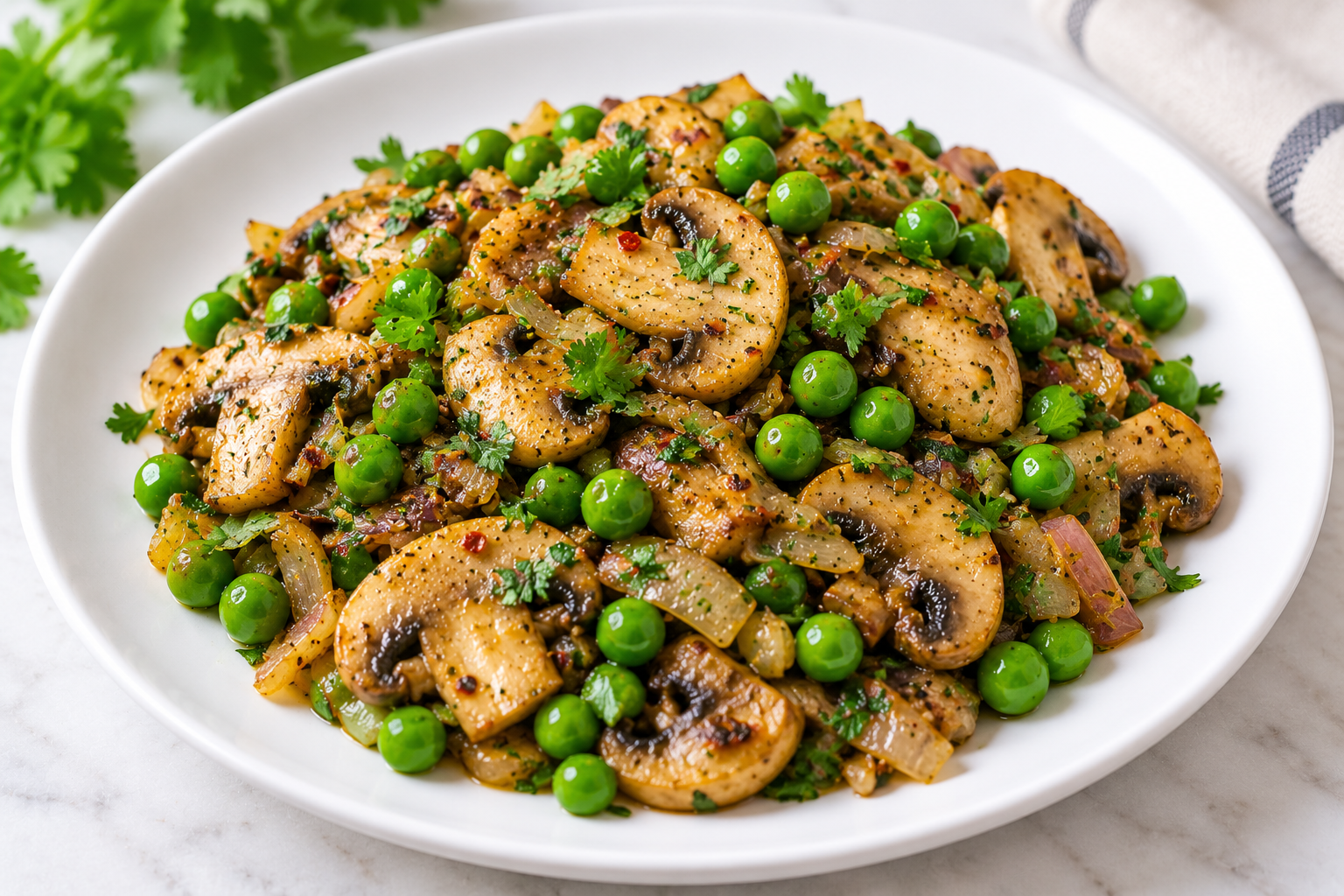
Green peas and beans sabzi.
These meals also provide other nutrients, including dietary fiber, folate, vitamin C and minerals.
4. How Much Vitamin K Do We Need?
Vitamin K requirements vary according to age, sex and life stage.
The following figures are Adequate Intake (AI) values from the US National Academies, reproduced by the NIH Office of Dietary Supplements. They should not be interpreted as official Indian RDA values.
| Age or life stage | Adequate intake of vitamin K |
|---|---|
| 0-6 months | 2 mcg/day |
| 7-12 months | 2.5 mcg/day |
| 1-3 years | 30 mcg/day |
| 4-8 years | 55 mcg/day |
| 9-13 years | 60 mcg/day |
| 14-18 years | 75 mcg/day |
| Adult men (19 years and above) | 120 mcg/day |
| Adult women (19 years and above) | 90 mcg/day |
| Pregnancy (adults) | 90 mcg/day |
| Lactation (adults) | 90 mcg/day |
What is AI?
Adequate Intake (AI) is a recommended intake level used when available evidence is insufficient to establish an Estimated Average Requirement (EAR) and Recommended Dietary Allowance (RDA).
For this reason, these values should not be described as the official Indian RDA for vitamin K.
5. Vitamin K Deficiency: Causes and Risk Factors
Vitamin K deficiency is relatively uncommon in healthy adults who consume a varied diet. However, it can develop when dietary intake is inadequate, absorption is impaired or vitamin K metabolism is affected.
A. Inadequate Dietary Intake
People with severely restricted diets, malnutrition or prolonged inadequate food intake may have a higher risk of vitamin K deficiency.
Regularly consuming a variety of vegetables is helpful in maintaining adequate intake.
B. Fat Malabsorption
Since vitamin K is fat-soluble, certain digestive conditions can interfere with its absorption.
Examples include:
Coeliac disease.
Crohn's disease.
Cystic fibrosis.
Pancreatic insufficiency.
Bile duct obstruction.
Certain chronic liver and hepatobiliary conditions.
C. Prolonged Antibiotic Use
Certain prolonged antibiotic treatments can affect intestinal bacteria that produce some forms of vitamin K.
Antibiotics may also contribute to deficiency when combined with poor dietary intake or underlying illness.
However, antibiotic use does not automatically mean that a person has vitamin K deficiency.
D. Certain Medications
Warfarin is a vitamin K antagonist. It interferes with the normal recycling of vitamin K and reduces the activation of vitamin K-dependent clotting proteins.
Other medications can also affect vitamin K status or absorption, including certain anticonvulsants and medicines that interfere with fat absorption.
E. Liver and Biliary Disorders
Liver disease and conditions affecting bile flow can interfere with vitamin K-dependent clotting protein production or vitamin absorption.
These patients may require medical assessment and individualized nutritional management.
6. Symptoms of Vitamin K Deficiency
Vitamin K deficiency primarily affects blood clotting. Symptoms may develop gradually or appear as abnormal bleeding.
| Symptom | Possible explanation |
|---|---|
| Easy bruising | Increased tendency to bleed under the skin |
| Frequent nosebleeds | Impaired blood clotting |
| Bleeding gums | Reduced ability to form stable clots |
| Prolonged bleeding from cuts | Delayed clot formation |
| Heavy menstrual bleeding | May have several causes; vitamin K deficiency is not the usual explanation |
| Blood in urine | Possible bleeding in the urinary tract |
| Blood in stools or black stools | Possible gastrointestinal bleeding |
Important: These symptoms are not specific to vitamin K deficiency. They can also occur due to platelet disorders, liver disease, other nutritional deficiencies and medication effects.
Severe vitamin K deficiency can cause internal bleeding, including gastrointestinal or intracranial bleeding.
Seek urgent medical attention: Uncontrolled bleeding, vomiting blood, black tarry stools, sudden severe headache, confusion or unusual bleeding in an infant requires urgent medical evaluation.
7. Vitamin K Deficiency in Newborns
Newborn babies have naturally low vitamin K levels for several physiological reasons:
Limited transfer of vitamin K from the mother through the placenta.
Low vitamin K stores at birth.
Low vitamin K concentration in breast milk.
Intestinal bacteria that produce vitamin K have not yet become established.
This can result in a condition called Vitamin K Deficiency Bleeding (VKDB).
Types of VKDB
| Type | Time of occurrence | Important features |
|---|---|---|
| Early VKDB | Within 24 hours after birth | Often associated with maternal medicines that interfere with vitamin K |
| Classic VKDB | Day 2 to day 7 | May involve bleeding from the umbilical area, gastrointestinal tract or other sites |
| Late VKDB | 1 week to 6 months | Can cause serious internal bleeding, including bleeding in the brain |
Late VKDB is particularly concerning because infants may appear healthy before developing sudden serious bleeding.
Prevention of VKDB
The Indian National Health Mission's newborn-care guidance recommends vitamin K prophylaxis after birth.
The Ministry of Health and Family Welfare's facility-based newborn-care guidance specifies:
Babies weighing more than 1,000 g: 1 mg vitamin K intramuscularly.
Babies weighing less than 1,000 g: 0.5 mg vitamin K intramuscularly.
The exact clinical protocol should be followed by the newborn-care team.
Parents should discuss newborn vitamin K prophylaxis with their pediatricians and should not replace the recommended injection with dietary measures or self-administered supplements.
8. Diagnosis of Vitamin K Deficiency
Vitamin K deficiency cannot be reliably diagnosed by looking at symptoms alone. A healthcare professional may recommend blood investigations based on the patient's history and clinical presentation.
| Investigation | Purpose |
|---|---|
| Prothrombin Time (PT) | Measures how long blood takes to clot |
| INR | Standardized measurement of blood clotting time |
| Activated Partial Thromboplastin Time (aPTT) | Evaluates another part of the clotting pathway |
| Liver Function Tests (LFT) | Helps assess possible liver-related causes |
| PIVKA-II | Can help identify impaired vitamin K-dependent protein activation |
Prolonged PT/INR can occur in vitamin K deficiency, but it is not specific to this condition. Liver disease and anticoagulant medications can also affect these results.
Diagnosis requires clinical interpretation rather than relying on one test alone.
9. How to Prevent Vitamin K Deficiency
For most healthy individuals, a varied diet is the best way to maintain adequate vitamin K intake.
Practical Prevention Strategies
1. Include green leafy vegetables regularly
Rotate different vegetables throughout the week:
Spinach (palak).
Fenugreek leaves (methi).
Mustard greens (sarson).
Amaranth leaves (chaulai).
Other seasonal leafy vegetables.
2. Eat a variety of vegetables
Include broccoli, cabbage, cauliflower, green peas and green beans in your meals.
3. Include appropriate dietary fat
Vitamin K is fat-soluble. Consuming leafy vegetables with a moderate amount of dietary fat can help its absorption.
For example, palak sabzi prepared with a small amount of cooking oil can be part of a balanced meal.
4. Avoid unnecessarily restrictive diets
Extremely limited food choices can increase the risk of multiple nutrient inadequacies.
5. Address underlying digestive conditions
People with chronic diarrhea, fat malabsorption, pancreatic disorders or bile-related diseases should receive appropriate medical and nutritional care.
6. Follow newborn vitamin K recommendations
Vitamin K prophylaxis at birth is an important preventive measure against VKDB.
10. Vitamin K Supplements: Who May Need Them?
Most healthy adults can obtain sufficient vitamin K through a balanced diet.
However, supplementation may be considered by a healthcare professional in selected situations, such as:
Confirmed vitamin K deficiency.
Certain fat-malabsorption conditions.
Specific liver or biliary disorders.
Patients receiving long-term nutritional support without adequate vitamin K.
Other clinically identified deficiencies or increased requirements.
Vitamin K supplements are available in different forms, including K1 and K2.
However, taking high-dose supplements without medical advice is not recommended. More vitamin K does not automatically mean better bone health or cardiovascular protection.
Important Warning for People Taking Warfarin
Vitamin K can interact significantly with warfarin, an anticoagulant medication.
People taking warfarin should:
Maintain a relatively consistent vitamin K intake from food.
Avoid suddenly increasing or decreasing green leafy vegetable consumption.
Inform their doctor before starting vitamin K supplements.
Follow their prescribed INR monitoring schedule.
This does not mean that people taking warfarin should avoid spinach, methi or other leafy vegetables. The key is consistency and appropriate medical monitoring.
Never change the warfarin dose yourself to compensate for dietary changes.
11. Frequently Asked Questions About Vitamin K
Q1. Which Indian foods are rich in vitamin K?
Green leafy vegetables such as spinach, fenugreek leaves, mustard greens and amaranth are useful sources of vitamin K1. Broccoli, cabbage and certain vegetable oils also contribute to vitamin K intake.
Q2. Does vitamin K help strengthen bones?
Vitamin K activates osteocalcin, a protein involved in bone metabolism. Adequate vitamin K is important for normal bone physiology, although the benefits of additional supplementation for preventing fractures are not conclusively established.
Q3. Can vitamin K deficiency cause excessive bleeding?
Yes. Vitamin K deficiency can impair the activation of clotting proteins and increase the risk of bruising and abnormal bleeding.
Q4. Is vitamin K deficiency common in adults?
It is relatively uncommon in otherwise healthy adults eating a varied diet. However, it can occur in people with malabsorption, certain liver conditions, severe malnutrition or medication-related risk factors.
Q5. Is vitamin K available in vegetarian foods?
Yes. Green leafy vegetables, broccoli, cabbage and vegetable oils are important vegetarian sources of vitamin K1.
Q6. Do newborn babies need vitamin K?
Newborn babies have naturally low vitamin K stores. Vitamin K prophylaxis after birth is recommended to prevent vitamin K deficiency bleeding. Parents should follow their pediatrician's advice and the applicable newborn-care protocol.
Q7. Can vitamin K be taken with vitamin D?
Vitamin K and vitamin D have different but complementary roles in the body. They can be obtained through a balanced diet. There is not enough evidence to recommend combined high-dose supplementation routinely for everyone.
Q8. Does cooking destroy vitamin K?
Vitamin K is relatively stable compared with some water-soluble vitamins, but food preparation and cooking can still influence nutrient retention. Avoid excessive cooking and include a variety of vegetables in your diet.
Conclusion
Vitamin K is an essential nutrient that supports normal blood clotting and contributes to bone metabolism. Its importance is particularly evident in newborns, where vitamin K deficiency can cause serious and potentially life-threatening bleeding.
For Indian adults, regularly including spinach, methi, mustard greens, amaranth, broccoli and other vegetables can help maintain adequate dietary vitamin K intake.
However, people with digestive disorders, liver conditions or those taking anticoagulant medicines may need individualized medical and nutritional advice.
The best approach is to maintain a varied, balanced diet, recognize potential deficiency risk factors and avoid unnecessary supplementation.
Medical Disclaimer: This article is intended for general educational purposes and does not replace professional medical advice, diagnosis or treatment. Symptoms of abnormal bleeding require medical evaluation. Pregnant women, newborns, people with chronic illnesses and individuals taking anticoagulant medicines should consult their healthcare professionals before using vitamin K supplements.
References and Scientific Resources
National Institutes of Health, Office of Dietary Supplements. Vitamin K: Fact Sheet for Health Professionals.
National Institutes of Health, Office of Dietary Supplements. Vitamin K: Fact Sheet for Consumers.
Indian Council of Medical Research (ICMR). (2020). Nutrient Requirements for Indians.
Ministry of Health and Family Welfare, Government of India. National Health Mission. Facility Based Newborn Care - Vitamin K.
Daley SF, Sina RE. Vitamin K Deficiency in Neonates and Adults. StatPearls.
Vitamin K Deficiency: Diagnosis and Management.
NHS. Vitamin K - Vitamins and Minerals.
💬 Comments (0)
Be respectful. Website links and phone numbers are not allowed.