
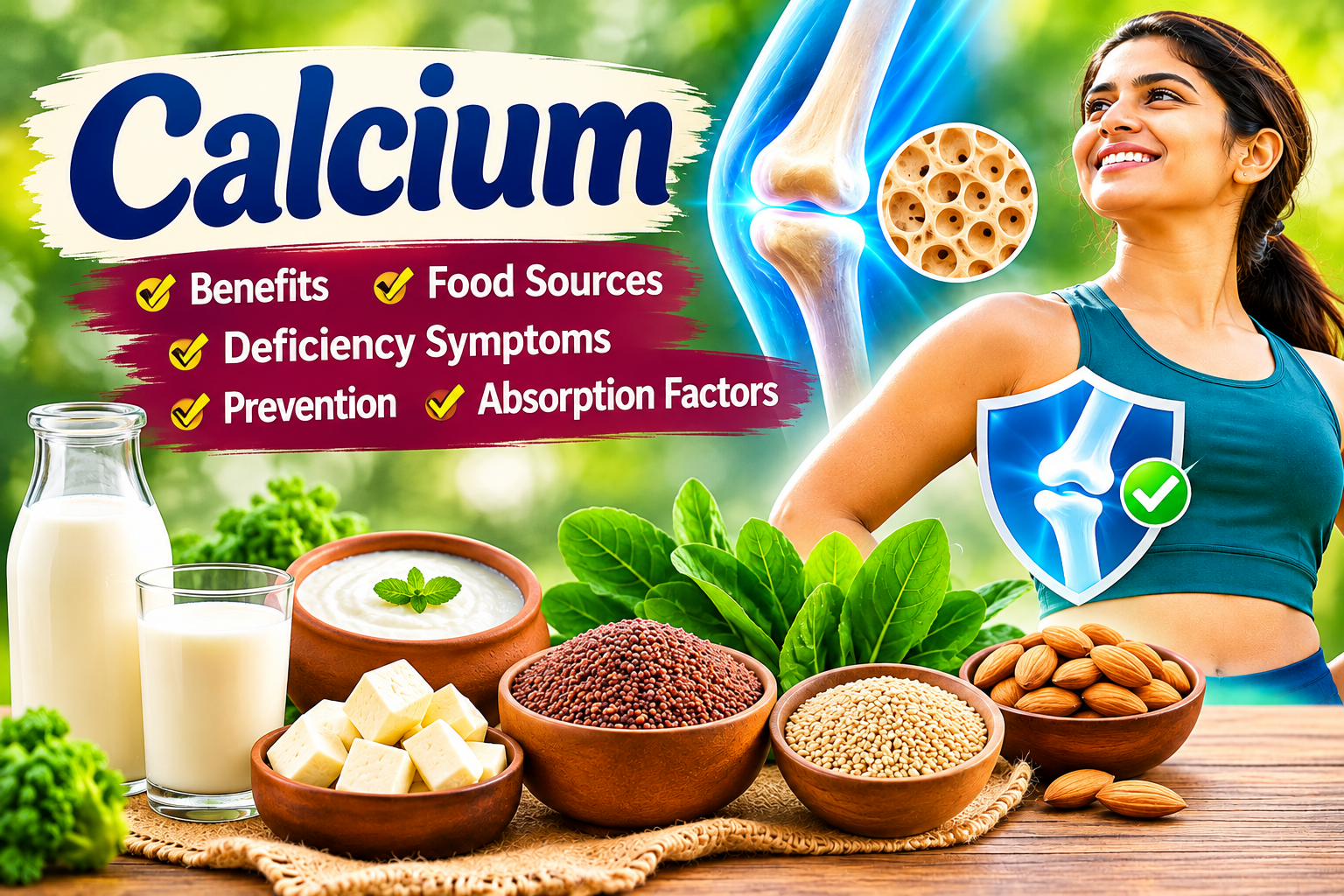
Calcium is one of the most important minerals required by the human body. It plays a major role in maintaining strong bones and teeth, supporting muscle contraction, regulating nerve transmission, helping blood clotting and maintaining normal heart function.
Although calcium is commonly associated with bone health, its functions extend far beyond the skeletal system. Almost every cell in the body requires calcium to perform essential physiological activities.
The human body contains more calcium than any other mineral. Approximately 99% of total body calcium is stored in bones and teeth, while the remaining 1% circulates in the blood and is present in soft tissues and extracellular fluids.
In India, inadequate calcium intake is a nutritional concern, particularly among people who consume insufficient dairy products, follow restrictive diets or have limited dietary diversity. Vegetarians who do not regularly consume milk, curd, calcium-fortified foods or suitable plant-based alternatives may also be at risk of inadequate calcium intake.
Understanding calcium-rich foods, daily requirements, deficiency symptoms and factors affecting calcium absorption can help individuals maintain better bone health throughout life.
This article explains the benefits of calcium, its dietary sources in India, recommended intake, deficiency symptoms, causes, absorption factors and practical prevention strategies.
1. What Is Calcium?
Calcium is an essential micromineral that the body needs in relatively large amounts. It is classified as a micromineral because daily requirements are generally measured in milligrams rather than micrograms.
Calcium performs two major functions:
1. Structural function: Approximately 99% of the body's calcium is stored in bones and teeth, providing strength, rigidity and structural support.
2. Regulatory function: The remaining calcium participates in muscle contraction, nerve signaling, blood clotting, enzyme activity and several cellular processes.
The body cannot produce calcium independently. Therefore, it must be obtained through food or, when medically indicated, supplements.
When dietary calcium intake is insufficient, the body can maintain blood calcium levels by releasing calcium from bones. If this happens over a prolonged period, bone mineral density may decrease.
2. Health Benefits of Calcium
2.1 Maintains Strong Bones and Teeth
One of the most important functions of calcium is maintaining bone and dental health.
Calcium combines with phosphate to form hydroxyapatite, a mineral complex that gives bones and teeth their strength and hardness.
Adequate calcium intake is particularly important during childhood, adolescence and early adulthood because these are important periods for bone growth and the development of peak bone mass.
During adulthood, calcium continues to support bone maintenance and normal bone remodeling.
Inadequate calcium intake over a prolonged period can contribute to reduced bone mineral density and increased risk of osteoporosis.
2.2 Supports Muscle Contraction
Calcium is essential for normal muscle contraction.
When a nerve signal reaches a muscle cell, calcium is released inside the muscle cell. It interacts with regulatory proteins, allowing muscle fibers to contract.
This process is important for:
Walking and running.
Maintaining posture.
Lifting objects.
Breathing.
Normal movement of the digestive tract.
Calcium also participates in muscle relaxation through regulated calcium movement within muscle cells.
Severe disturbances in calcium balance may cause muscle cramps, spasms and abnormal muscle contractions.
2.3 Helps Maintain Normal Nerve Function
Calcium plays an important role in communication between nerve cells.
When an electrical signal reaches the end of a nerve cell, calcium enters the nerve terminal and triggers the release of neurotransmitters.
These chemical messengers help transmit signals from one nerve cell to another or from nerves to muscles.
Adequate calcium balance is therefore important for normal nervous system functioning.
2.4 Supports Blood Clotting
Calcium is an essential component of the blood coagulation process.
It participates in several steps of the clotting cascade, helping the body form a blood clot when a blood vessel is injured.
Without adequate circulating calcium, normal blood coagulation processes cannot function properly.
2.5 Supports Normal Heart Function
Calcium contributes to the electrical activity and contraction of cardiac muscle.
It plays a role in maintaining normal heart rhythm and coordinated contraction of the heart.
However, this does not mean that taking extra calcium supplements improves heart health. Excessive supplementation without medical need should be avoided.
2.6 Supports Cellular Communication
Calcium acts as an intracellular signaling molecule.
It helps regulate several biological activities, including:
Hormone secretion.
Enzyme activation.
Cell division.
Muscle activity.
Neurotransmitter release.
Cellular responses to external signals.
Calcium is therefore essential for the normal functioning of many tissues and organs.
2.7 Supports Normal Hormonal Secretion
Calcium participates in the release of several hormones and other substances from endocrine and secretory cells.
It helps regulate cellular processes involved in hormone release and communication between different body systems.
3. Recommended Daily Calcium Requirement
Calcium requirements vary depending on age, sex, physiological condition and national dietary recommendations.
The following table provides commonly used Indian dietary reference values based on ICMR-NIN 2020 recommendations.
| Age group | Calcium requirement per day |
|---|---|
| Children 1-3 years | 500 mg |
| Children 4-6 years | 550 mg |
| Children 7-9 years | 650 mg |
| Boys 10-12 years | 850 mg |
| Girls 10-12 years | 850 mg |
| Boys 13-15 years | 1,000 mg |
| Girls 13-15 years | 1,000 mg |
| Boys 1-18 years | 1,050 mg |
| Girls 16-18 years | 1,050 mg |
| Adult men | 1,000 mg |
| Adult women | 1,000 mg |
| Pregnancy | 1,200 mg |
| Lactation | 1,200 mg |
These are reference values for dietary planning, not individual prescriptions. Requirements should be interpreted according to the applicable ICMR-NIN guidelines and clinical circumstances.
Why Are Calcium Requirements Important During Pregnancy?
Pregnancy involves significant changes in maternal mineral metabolism.
The developing baby requires calcium for the formation of bones, teeth and other tissues.
The mother's body adapts to meet these requirements through changes in calcium absorption and metabolism.
A balanced diet containing adequate calcium is important during pregnancy. Pregnant women should discuss calcium supplementation with their healthcare providers, particularly when dietary intake is insufficient.
Why Is Calcium Important During Adolescence?
Adolescence is a crucial period for bone development.
Rapid growth increases the demand for calcium and other nutrients required for skeletal development.
Poor calcium intake during these years may prevent individuals from achieving optimal peak bone mass.
4. Best Calcium-Rich Foods in India
A balanced Indian diet can provide calcium through dairy products, millets, pulses, seeds, nuts, vegetables and fortified foods.
A. Dairy Products
Dairy products are among the most convenient and bioavailable dietary sources of calcium.
| Food | Approximate calcium |
|---|---|
| Cow's milk (100 ml) | 120 mg |
| Buffalo milk (100 ml) | 190 mg |
| Plain curd (100 g) | 80-120 mg |
| Paneer (100 g) | 200-250 mg |
| Cheese (100 g) | 500-700 mg |
Values vary according to milk type, processing and product formulation.
How to include dairy in an Indian diet:
Milk with breakfast.
Plain curd with lunch.
Paneer in vegetable preparations.
Buttermilk with meals.
Unsweetened yoghurt as a snack.
B. Millets
Millets are valuable components of traditional Indian diets.
Ragi, also known as finger millet, is particularly well known for its calcium content.
| Millet | Approximate calcium per 100 g |
|---|---|
| Ragi | 344 mg |
| Foxtail millet | 31 mg |
| Pearl millet (Bajra) | 42 mg |
| Little millet | 17 mg |
Ragi can be incorporated into everyday meals through:
Ragi dosa.
Ragi roti.
Ragi porridge.
Ragi idli.
Ragi malt.
Although ragi contains considerable calcium, it also contains phytates and other compounds that may reduce mineral absorption. Its calcium content should not be confused with the amount actually absorbed by the body.
C. Green Leafy Vegetables
Certain green leafy vegetables provide calcium along with folate, vitamin K, fiber and other micronutrients.
| Vegetable | Approximate calcium per 100 g |
|---|---|
| Amaranth leaves | 200-250 mg |
| Drumstick leaves | 400-450 mg |
| Fenugreek leaves | 350-400 mg |
| Spinach | 70-100 mg |
| Mustard greens | 100-120 mg |
Values vary with the variety and whether the food is raw or cooked.
Important: Spinach contains oxalates, which bind calcium and reduce its absorption. Therefore, its calcium content does not directly reflect its contribution to calcium nutrition.
Other leafy vegetables with lower oxalate levels can be useful alternatives.
D. Nuts and Seeds
Nuts and seeds are useful sources of calcium, healthy fats, protein and other minerals.
| Food | Approximate calcium per 100 g |
|---|---|
| Sesame seeds | 900-1,000 mg |
| Chia seeds | 600-650 mg |
| Almonds | 250-270 mg |
| Flaxseeds | 250-260 mg |
| Pumpkin seeds | 40-50 mg |
Practical ways to consume them:
Sesame seed chutney.
Till Lado with limited added sugar.
Chia seed pudding.
Almonds as a snack.
Ground flaxseeds in curd or porridge.
Although sesame seeds contain high amounts of calcium, their oxalate content and serving size influence how much calcium is absorbed.
E. Pulses and Legumes
Pulses and legumes are important vegetarian sources of protein, fiber, iron and some calcium.
| Food | Approximate calcium per 100 g |
|---|---|
| Chickpeas (dry) | 100-110 mg |
| Rajma (dry) | 250-300 mg |
| Soybeans (dry) | 200-280 mg |
| Green gram (dry) | 120-130 mg |
| Lentils (dry) | 50-60 mg |
Soaking, germination and cooking help improve digestibility and may reduce certain antinutritional factors.
F. Soy Products
Soy products can contribute to calcium intake.
However, calcium content varies considerably depending on processing.
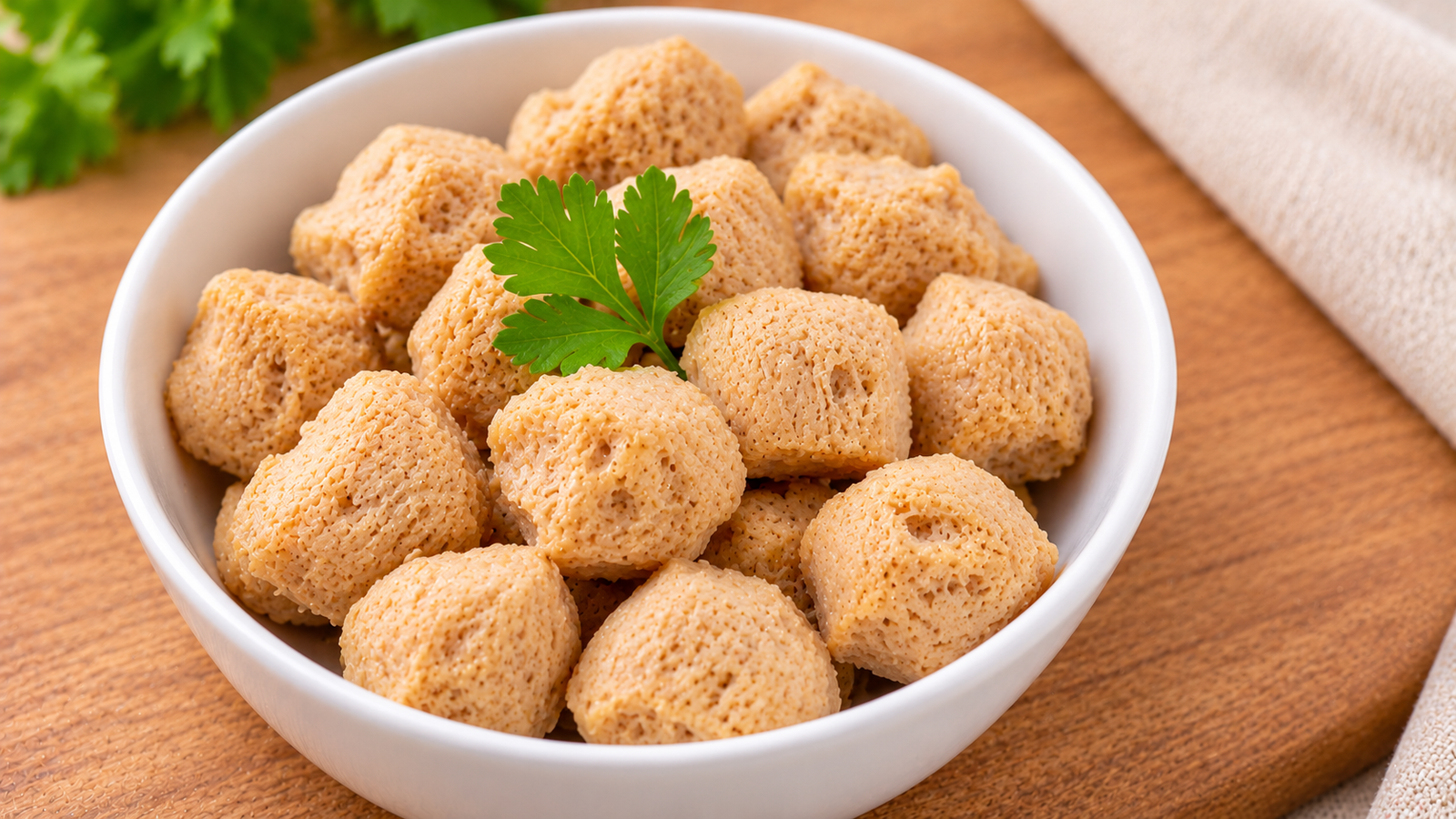
Calcium-set tofu is particularly useful because calcium salts are used during production.
When purchasing tofu, check the nutrition label to determine whether calcium salts were used.
G. Fortified Foods
Food fortification is another useful way to improve calcium intake.
Examples include:
Calcium-fortified plant-based milk.
Fortified cereals.
Fortified beverages.
Certain fortified flour products.
Always check the nutritional information because not every plant-based milk or packaged beverage contains calcium.
5. Calcium Deficiency: Causes and Risk Factors
Calcium deficiency can refer to inadequate dietary calcium intake or low calcium concentration in the blood.
These are not the same condition.
A person may have inadequate calcium intake for a prolonged period while their blood calcium remains within the normal range because the body regulates blood calcium carefully.
Common Causes of Inadequate Calcium Intake
1. Low dairy consumption
People who avoid milk, curd and other dairy products without including alternative calcium sources may consume insufficient calcium.
2. Poor dietary diversity
A diet consisting mainly of refined cereals, processed foods and limited vegetables may provide inadequate calcium.
3. Vitamin D deficiency
Vitamin D is essential for efficient intestinal calcium absorption.
Low vitamin D levels can impair calcium absorption and affect bone mineralization.
4. Certain digestive disorders
Conditions affecting intestinal absorption, including coeliac disease and some inflammatory bowel diseases, may increase the risk of calcium deficiency.
5. Increased nutritional requirements
Children, adolescents, pregnant women and lactating women require appropriate calcium intake to support growth and physiological changes.
6. Certain medications
Some medications can affect calcium balance or bone metabolism. Long-term use of certain corticosteroids, for example, may increase osteoporosis risk.
7. Kidney disorders
Chronic kidney disease can disturb calcium, phosphate and vitamin D metabolism.
6. Symptoms of Calcium Deficiency
Symptoms depend on the severity, duration and underlying cause of calcium deficiency.
6.1 Muscle Cramps
Low blood calcium can increase neuromuscular excitability.
People with significant hypocalcemia may experience muscle cramps and involuntary contractions.
6.2 Tingling and Numbness
Low blood calcium may cause tingling sensations around the mouth, fingers and toes.
This can occur because calcium is important for normal nerve and muscle function.
6.3 Muscle Spasms
Severe calcium deficiency in the blood can cause involuntary muscle contractions known as tetany.
This requires prompt medical assessment.
6.4 Weak Bones
Long-term inadequate calcium intake can contribute to reduced bone mineral density.
However, bone weakness usually develops gradually and may not produce noticeable symptoms initially.
6.5 Osteoporosis
Osteoporosis is a skeletal condition characterized by reduced bone strength and increased fracture risk.
Inadequate calcium intake is one of several contributing factors.
Other important factors include:
Ageing.
Hormonal changes.
Vitamin D deficiency.
Physical inactivity.
Smoking.
Excessive alcohol consumption.
Certain medications.
6.6 Dental Problems
Calcium is important for dental mineralization.
Poor calcium intake during growth may affect normal tooth development. However, dental decay is multifactorial and cannot be attributed to calcium deficiency alone.
6.7 Severe Hypocalcemia
Severe low blood calcium may cause:
Muscle spasms.
Seizures.
Abnormal heart rhythm.
Difficulty breathing due to muscle spasms.
Laryngospasm.
These symptoms require urgent medical attention.
Important: Calcium deficiency cannot be diagnosed from symptoms alone. A healthcare professional may recommend blood tests, vitamin D assessment or bone density testing depending on the clinical situation.
7. Factors Affecting Calcium Absorption
Calcium absorption is influenced by several dietary, physiological and lifestyle factors.
Understanding these factors is important because eating calcium-rich foods does not guarantee that all the calcium will be absorbed.
7.1 Vitamin D
Vitamin D is one of the most important factors regulating calcium absorption.
It increases the ability of the small intestine to absorb dietary calcium.
Vitamin D deficiency can reduce calcium absorption and negatively affect bone mineralization.
Indian dietary sources of vitamin D include:
Fortified milk.
Fortified foods.
Egg yolk.
Fatty fish.
Certain UV-exposed mushrooms.
Sunlight exposure can also help the skin produce vitamin D.
However, vitamin D production depends on skin pigmentation, season, time of day, clothing, air pollution and sun exposure.
7.2 Oxalates
Oxalates are naturally occurring compounds found in several plant foods.
They can bind calcium and form poorly soluble calcium oxalate, reducing calcium absorption.
Foods containing significant oxalates include:
Spinach.
Beet greens.
Amaranth leaves.
Certain nuts and seeds.
Some other leafy vegetables.
This does not mean these foods should be avoided. They contain many other beneficial nutrients.
Instead, include a variety of lower-oxalate calcium sources such as milk, curd, calcium-set tofu and suitable vegetables.
7.3 Phytates
Phytates are naturally present in whole grains, pulses, legumes, nuts and seeds.
They can bind minerals such as calcium, zinc and iron, potentially reducing their absorption.
Common Indian foods containing phytates include:
Whole wheat.
Bajra.
Ragi.
Rajma.
Chickpeas.
Soybeans.
Lentils.
Certain traditional food preparation techniques may reduce phytate content.
These include:
Soaking.
Germination.
Fermentation.
Appropriate cooking.
However, these methods do not eliminate all phytates.
7.4 Age
Age influences calcium absorption.
Infants and young children have relatively high calcium absorption efficiency because of rapid skeletal growth.
With ageing, intestinal calcium absorption may become less efficient.
Older adults should pay attention to adequate calcium and vitamin D intake.
7.5 Pregnancy
During pregnancy, the body adapts to support the calcium requirements of the developing baby.
Intestinal calcium absorption increases, partly due to hormonal changes.
Pregnant women should maintain adequate calcium intake through a balanced diet and follow their healthcare provider's advice regarding supplementation.
7.6 Excessive Sodium Intake
High sodium intake can increase urinary calcium excretion.
A diet consistently high in salt may therefore negatively influence calcium balance.
Common high-sodium foods in Indian diets include:
Pickles.
Papad.
Packaged namkeen.
Instant noodles.
Processed snacks.
Excessively salted foods.
Reducing excess salt is beneficial for overall health.
7.7 Excessive Caffeine Consumption
Very high caffeine intake may have a small negative effect on calcium balance, partly through increased urinary calcium loss.
Moderate tea and coffee consumption can generally fit into a balanced diet.
However, excessive consumption should be avoided, particularly when dietary calcium intake is already low.
7.8 Protein Intake
Protein has an important relationship with bone health.
Adequate protein supports bone structure, muscle strength and overall skeletal health.
Very low protein intake may negatively affect bone and muscle health.
Although some studies suggest that high protein intake can increase urinary calcium excretion, adequate dietary protein does not automatically cause calcium deficiency.
A balanced intake of protein and calcium is important.
7.9 Certain Digestive Conditions
Digestive disorders can reduce calcium absorption.
Examples include:
Coeliac disease.
Crohn's disease.
Certain forms of inflammatory bowel disease.
Conditions involving fat malabsorption.
Certain gastrointestinal surgeries.
People with these conditions may require individualized nutritional assessment.
7.10 Calcium Intake at One Time
The percentage of calcium absorbed decreases as the amount consumed in a single dose increases.
Calcium absorption is generally more efficient when intake is distributed across meals rather than consumed in one very large dose.
This is particularly relevant when using calcium supplements.
8. How to Improve Calcium Absorption
A balanced approach can improve calcium utilization.
1. Combine calcium-rich foods with vitamin D sources
Maintain adequate vitamin D status through appropriate sunlight exposure, dietary sources and supplementation when medically indicated.
2. Include calcium-rich foods regularly
Do not depend on one food source.
Include dairy, millets, pulses, seeds, tofu and fortified foods according to dietary preferences.
3. Use traditional food preparation techniques
Soaking, fermentation, germination and proper cooking can improve the nutritional quality and digestibility of several plant foods.
4. Maintain adequate protein intake
Include pulses, dairy, soy, nuts and other suitable protein sources.
5. Reduce excess salt
Limit highly salted packaged snacks and processed foods.
6. Stay physically active
Weight-bearing activities such as walking, stair climbing and resistance exercises help maintain bone health.
7. Avoid smoking and excessive alcohol
Both can negatively affect bone health.
8. Distribute calcium intake throughout the day
Include calcium-containing foods in breakfast, lunch and dinner rather than relying on one meal.
9. Indian Diet Plan to Meet Calcium Requirements
A vegetarian Indian diet can provide adequate calcium when properly planned.
The following is an illustrative daily meal plan.
| Meal | Food | Approximate calcium |
|---|---|---|
| Breakfast | 200 ml milk | 240 mg |
| Mid-morning | 10 g sesame seeds | 95 mg |
| Lunch | 1 cup curd (150 g) | 150 mg |
| Evening snack | 30 g almonds | 75 mg |
| Dinner | 100 g calcium set tofu | 250 mg |
| Other meals | Vegetables, pulses and cereals | 150-200 mg |
| Total | 960-1,010 mg |
This is an illustrative estimate. Actual calcium content depends on the food variety, preparation, serving size and product formulation. Tofu calcium content varies greatly depending on the coagulant used.
Sample Indian Calcium-Rich Meal Combinations
Breakfast
Ragi dosa with curd.
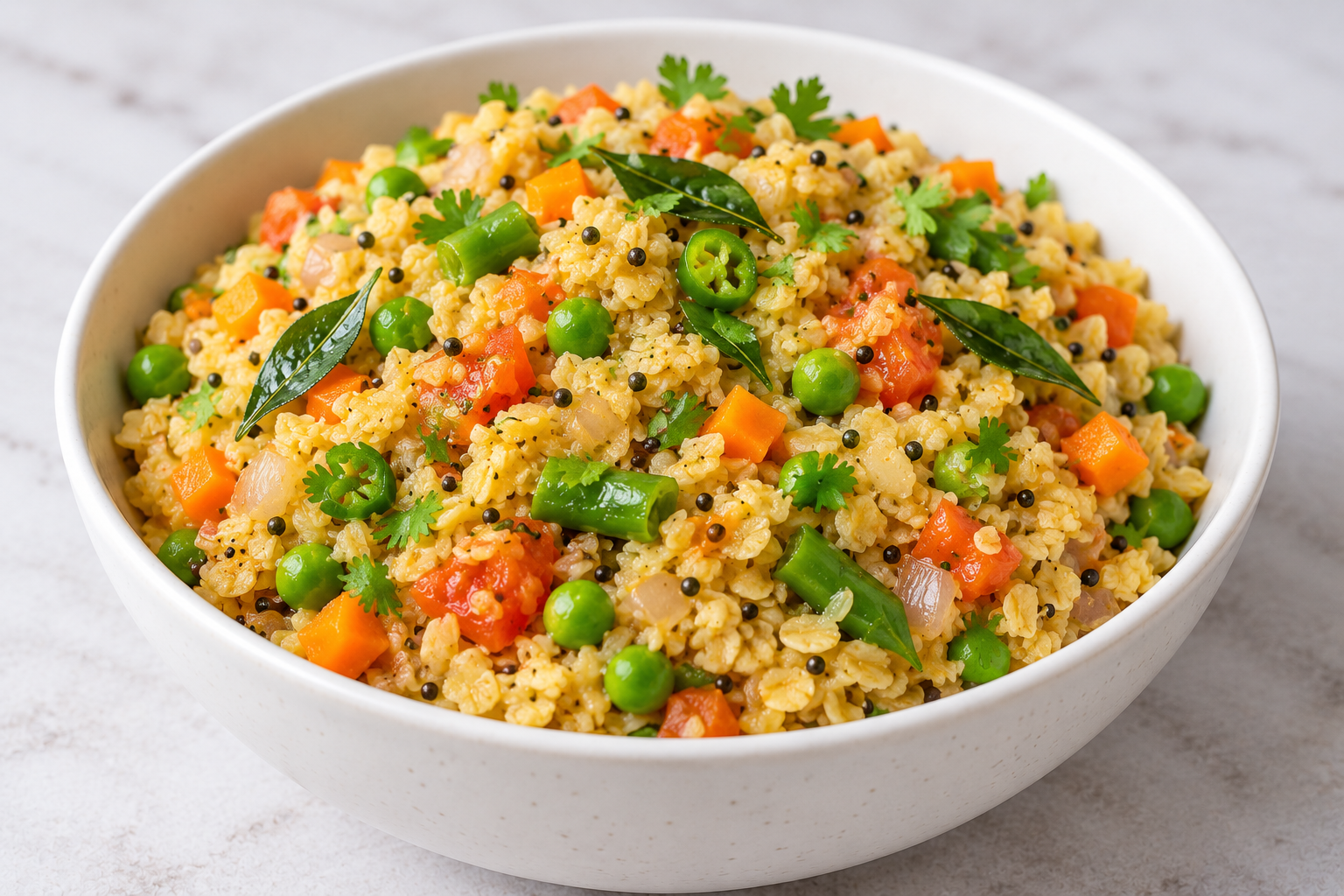
Vegetable poha with milk.
Ragi porridge.
Paneer-stuffed whole wheat roti.
Lunch
Roti or rice.
Dal.
Vegetable preparation.
Curd.
Seasonal salad.
Evening snack
Almonds.
Roasted chickpeas.
Chia seed pudding.
Fortified soy milk.
Dinner
Ragi roti.
Calcium set tofu curry.
Mixed vegetable sabzi.
Dal.
Meal planning should also consider total calorie intake, protein, iron, vitamin D and other nutritional requirements.
10. Calcium Supplements: When Are They Necessary?
Calcium supplements may be recommended when dietary intake is insufficient or when an individual has specific medical or nutritional requirements.
They should not automatically replace calcium-rich foods.
Common forms of calcium supplements include:
Calcium Carbonate
Contains approximately 40% elemental calcium.
Generally taken with meals.
Often used in calcium supplementation.
Calcium Citrate
Contains approximately 21% elemental calcium.
Can be taken with or without food.
May be preferable for people with reduced stomach acid.
Important Supplementation Considerations
The elemental calcium amount is more important than the total compound weight.
Calcium absorption is generally better when supplemental doses are divided into amounts of 500 mg elemental calcium or less.
Calcium supplements may interact with certain medicines, including levothyroxine and some antibiotics.
Excessive supplementation may increase the risk of constipation and kidney stones in susceptible individuals.
Individuals with kidney disease, a history of kidney stones or other medical conditions should consult a healthcare professional before taking calcium supplements.
11. Calcium and Vitamin D: Why Do They Work Together?
Calcium and vitamin D are closely related nutrients.
Calcium provides the mineral required for bone structure, while vitamin D helps the body absorb calcium from the digestive tract.
Vitamin D also plays a role in regulating calcium and phosphate metabolism.
If vitamin D levels are inadequate, calcium absorption may decrease.
Therefore, focusing only on calcium intake without considering vitamin D status may not be sufficient for maintaining healthy bones.
A balanced nutritional approach should include:
Calcium-rich foods.
Adequate vitamin D.
Sufficient protein.
Regular physical activity.
Healthy lifestyle habits.
12. Calcium Deficiency Prevention
Calcium deficiency can often be prevented through consistent dietary habits.
Here are practical recommendations for Indian households:
Include milk, curd or suitable fortified alternatives regularly.
Use ragi and other calcium-containing millets in meals.
Add sesame seeds to chutneys and food preparations.
Include pulses and legumes every day.
Consume a variety of green leafy vegetables.
Check calcium content on packaged food labels.
Maintain adequate vitamin D status.
Perform regular weight-bearing physical activity.
Limit excessive salt consumption.
Seek professional advice if you have digestive disorders or other conditions affecting nutrient absorption.
13. Who Is at Higher Risk of Calcium Inadequacy?
Certain population groups may be more vulnerable.
Children and adolescents: Rapid skeletal growth increases the importance of adequate calcium intake.
Women after menopause: Reduced estrogen levels can accelerate bone loss.
Older adults: Age-related changes may affect calcium absorption and bone metabolism.
Vegans: People avoiding all animal-derived foods need carefully planned calcium sources such as fortified plant milk, calcium-set tofu and suitable vegetables.
People with digestive disorders: Reduced intestinal absorption may increase nutritional risk.
Pregnant and lactating women: Increased physiological demands require appropriate dietary planning.
People with low vitamin D levels: Vitamin D deficiency may interfere with calcium absorption.
14. Common Myths About Calcium
Myth 1: Only milk provides calcium.
Fact: Milk is an excellent source, but calcium is also available from ragi, sesame seeds, pulses, tofu, selected vegetables and fortified foods.
Myth 2: Eating spinach is enough to meet calcium requirements.
Fact: Spinach contains calcium, but its high oxalate content reduces calcium absorption.
Myth 3: Calcium supplements are always necessary after 30 years.
Fact: Supplements are not automatically required. Many adults can meet their calcium needs through a balanced diet.
Myth 4: Calcium is needed only during childhood.
Fact: Calcium is essential throughout life, including adulthood and old age.
Myth 5: More calcium means stronger bones.
Fact: Excessive calcium intake does not automatically improve bone strength. Adequate intake, vitamin D, protein and exercise all matter.
Myth 6: Muscle cramps always indicate calcium deficiency.
Fact: Muscle cramps have many possible causes, including dehydration, electrolyte disturbances, muscle fatigue and certain medical conditions.
15. Frequently Asked Questions (FAQs)
1. How much calcium does an adult need daily in India?
According to commonly used ICMR-NIN 2020 dietary reference values, adults generally require approximately 1,000 mg calcium daily.
2. Which Indian food is highest in calcium?
Among commonly consumed Indian foods, sesame seeds and ragi are notable calcium sources. Certain leafy vegetables and dairy products also contribute significantly.
3. Is ragi better than milk for calcium?
Ragi contains more calcium per 100 g than milk. However, typical serving sizes, food preparation and mineral bioavailability differ. Milk also provides highly bioavailable calcium.
4. Does lemon increase calcium absorption?
Lemon contains citric acid, which can influence mineral solubility. However, lemon juice should not be considered a treatment for calcium deficiency.
5. Does tea reduce calcium absorption?
Tea is not a major direct inhibitor of calcium absorption in the way that oxalates and phytates can be. Very high caffeine intake may slightly increase urinary calcium loss.
6. Can calcium deficiency cause hair loss?
Hair loss is not a typical or specific symptom of calcium deficiency. Iron deficiency, thyroid disorders, nutritional inadequacy and other conditions are more common considerations.
7. Is paneer a good source of calcium?
Yes. Paneer provides calcium and protein, although the amount varies depending on its preparation and moisture content.
8. Can calcium deficiency be detected through a blood test?
Blood calcium testing can detect hypocalcemia or hypercalcemia, but a normal blood calcium result does not rule out inadequate dietary calcium intake or low bone mineral density.
9. Does vitamin D help calcium absorption?
Yes. Vitamin D helps the intestine absorb dietary calcium and supports normal bone mineralization.
10. Can too much calcium be harmful?
Yes. Excessive calcium intake, particularly from unnecessary supplements, may cause constipation and increase the risk of kidney stones in susceptible individuals. Very high blood calcium can cause serious health problems.
Conclusion
Calcium is an essential mineral that supports bone strength, dental health, muscle contraction, nerve transmission, blood clotting and normal heart function.
A well-planned Indian diet can provide calcium through milk, curd, paneer, ragi, sesame seeds, pulses, suitable green vegetables, calcium-set tofu and fortified foods.
However, calcium intake alone is not sufficient for optimal bone health. Vitamin D, protein, regular physical activity and healthy lifestyle habits also play important roles.
Understanding the factors affecting calcium absorption, including vitamin D status, oxalates, phytates, age and dietary habits, can help individuals make better nutritional choices.
The best approach is to obtain adequate calcium consistently from a balanced diet and use supplements only when needed.
References and Further Reading
Indian Council of Medical Research (ICMR) - National Institute of Nutrition, Nutrient Requirements for Indians: Recommended Dietary Allowances and Estimated Average Requirements, 2020.
National Institutes of Health (NIH), Office of Dietary Supplements - Calcium Fact Sheet.
NIH Office of Dietary Supplements - Vitamin D Fact Sheet.
World Health Organization (WHO) - Nutrition and Bone Health Resources.
Food Safety and Standards Authority of India (FSSAI) - Food Composition and Nutrition Resources.


💬 Comments (0)
Be respectful. Website links and phone numbers are not allowed.