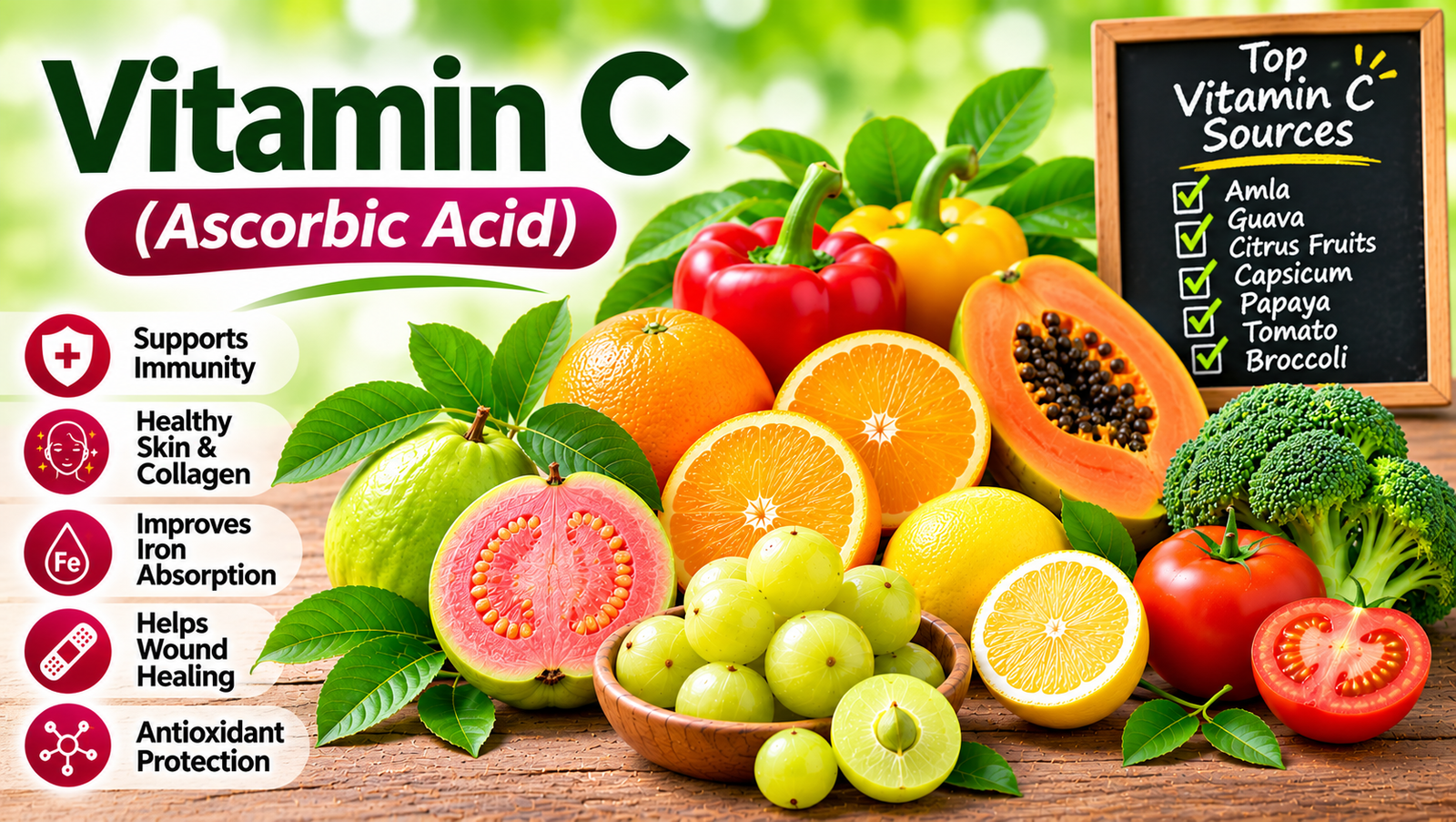
Vitamin C is naturally present in many fruits and vegetables, including amla, guava, oranges, lemons, papaya, capsicum, tomatoes and broccoli. A balanced diet containing these foods can help meet daily vitamin C requirements.
Inadequate vitamin C intake over a prolonged period can lead to deficiency and, in severe cases, scurvy. Symptoms may include bleeding gums, poor wound healing, fatigue, joint pain and easy bruising.
In this article, we will explore vitamin C benefits, Indian food sources, daily requirements, deficiency symptoms, supplements and practical dietary tips.
What Is Vitamin C?
Vitamin C is a water-soluble vitamin also known as ascorbic acid. Unlike some animals, humans cannot produce vitamin C naturally, so it must be obtained through food or supplements.
Vitamin C performs several important functions:
Supports collagen production.
Helps protect cells from oxidative damage.
Improves the absorption of non-hem iron from plant foods.
Supports normal immune system function.
Helps in wound healing.
Participates in several metabolic reactions.
Because vitamin C is water-soluble, the body does not store large amounts of it. Regular consumption of vitamin C-rich foods is important.
Health Benefits of Vitamin C
1. Supports Immune System Function
Vitamin C contributes to normal immune system function.
It supports various cellular activities involved in the body's defense against infections. It also helps protect immune cells from oxidative damage.
Vitamin C deficiency can weaken normal immune function. However, taking extra vitamin C does not guarantee protection against infections.
2. Supports Collagen Production
One of the most important functions of vitamin C is its role in collagen synthesis.
Collagen is a structural protein found in:
Skin.
Bones.
Cartilage.
Blood vessels.
Gums.
Tendons.
Ligaments.
Vitamin C helps enzymes produce and maintain healthy collagen.
Adequate vitamin C intake is therefore important for skin structure, blood vessel health, wound healing and connective tissue maintenance.
3. Helps in Wound Healing
Vitamin C supports collagen formation, which is essential for tissue repair.
It helps the body maintain healthy skin and connective tissue during the healing process.
Severe vitamin C deficiency may lead to poor wound healing, fragile blood vessels and bleeding under the skin.
Eating a balanced diet containing vitamin C can help support normal healing. However, supplements are not a substitute for medical treatment of wounds or infections.
4. Acts as an Antioxidant
Vitamin C is an important dietary antioxidant.
It helps protect cells from oxidative damage caused by unstable molecules called free radicals.
Oxidative stress is involved in several biological processes and may contribute to cellular damage.
Vitamin C also helps regenerate other antioxidants, including vitamin E, in certain biological systems.
5. Improves Iron Absorption
Vitamin C plays an important role in improving the absorption of non-hem iron, the type of iron found mainly in plant foods.
This is particularly useful for people following vegetarian diets.
Combining vitamin C-rich foods with iron-rich foods may improve iron absorption.
Useful Indian food combinations:
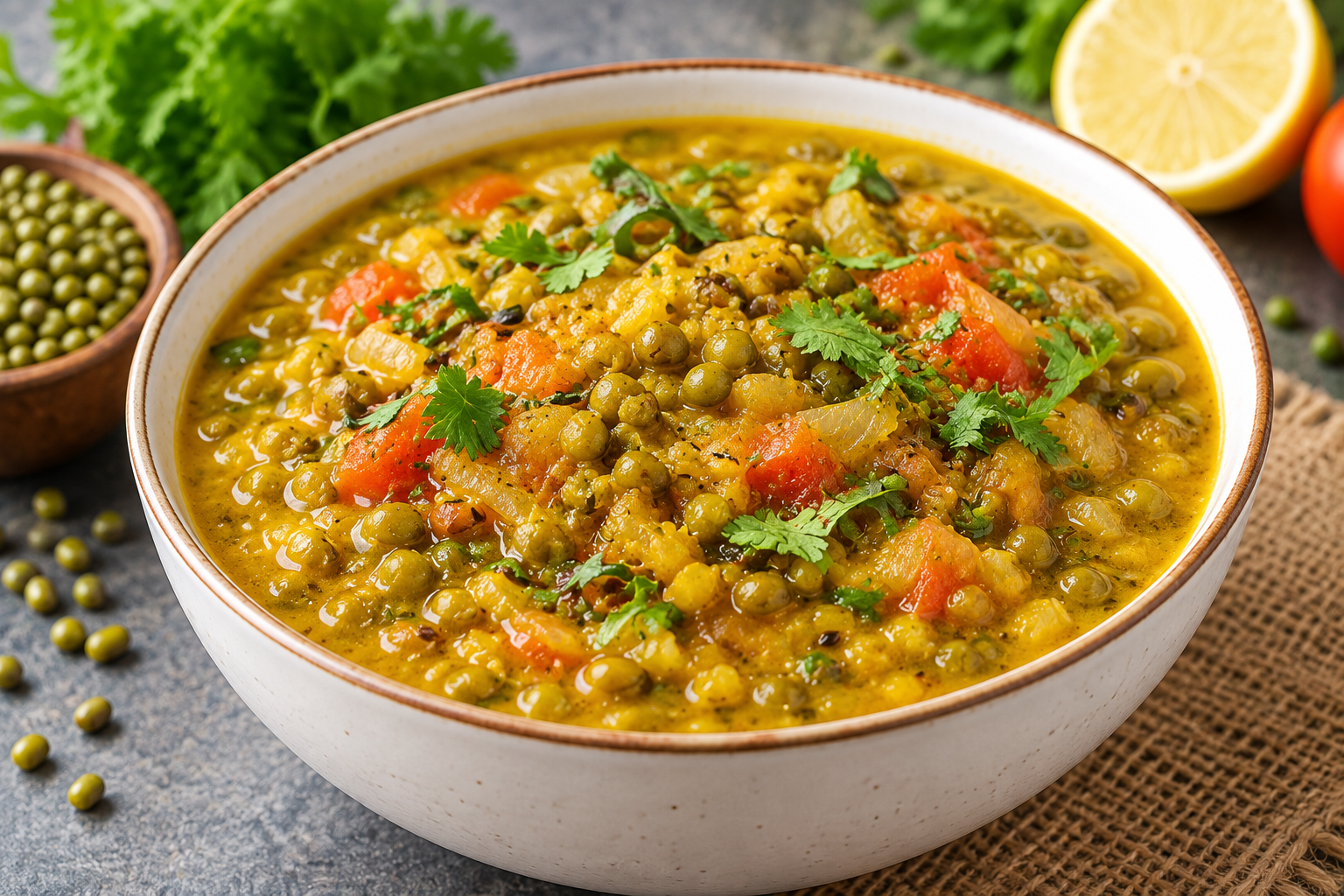
Palak dal with lemon juice.
Chana salad with tomatoes and lemon.
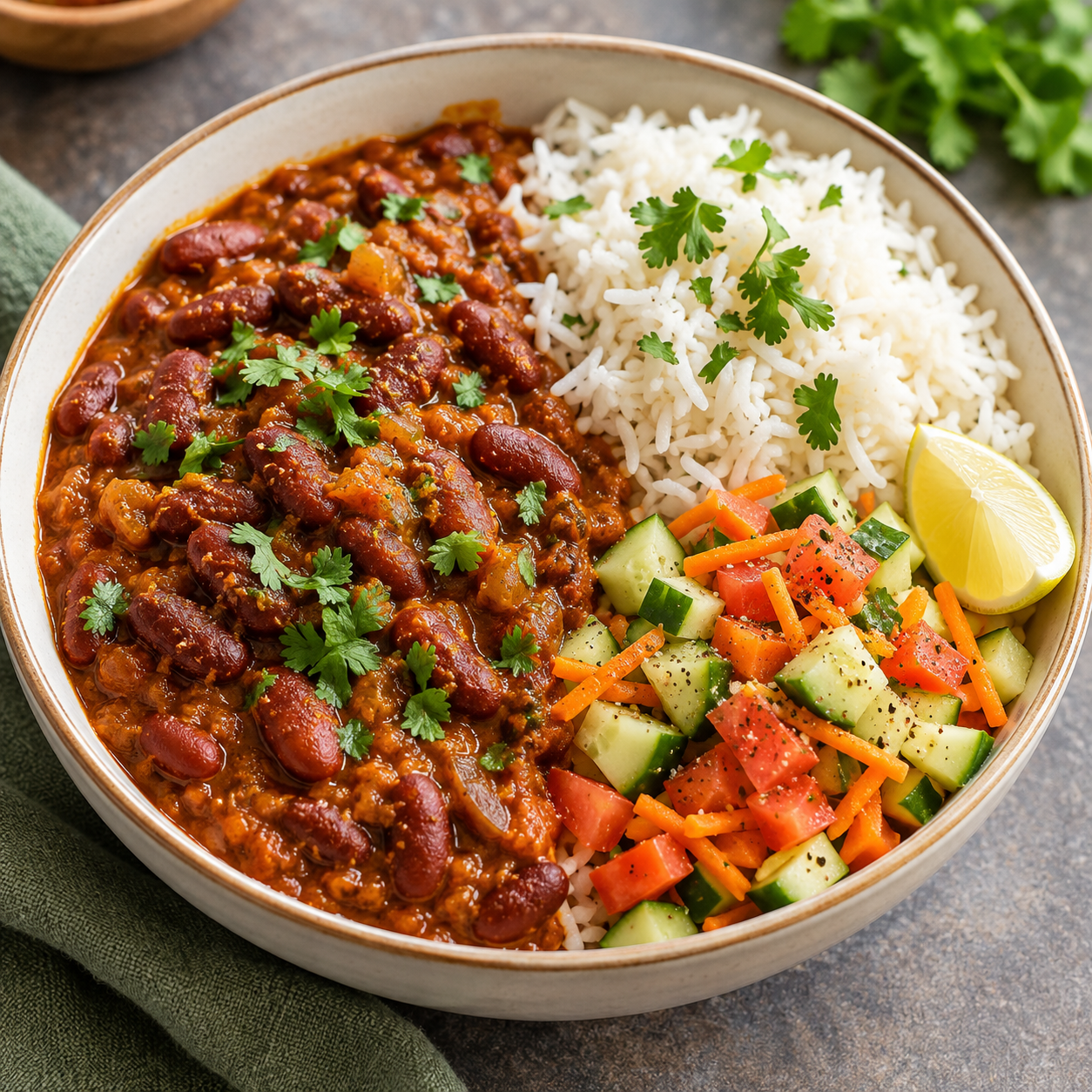
Rajma with capsicum.
Sprouts chaat with amla.
Ragi roti with guava.
Lentils with a side of fresh citrus fruit.
This is a practical dietary strategy for supporting iron nutrition.
6. Supports Healthy Skin
Vitamin C contributes to collagen formation and antioxidant protection, both of which are important for normal skin health.
It supports the structure of the skin and helps protect cells from oxidative stress.
Vitamin C deficiency can cause skin-related problems, including easy bruising and poor wound healing.
However, consuming extra vitamin C does not automatically remove wrinkles, cure acne or guarantee brighter skin.
7. Supports Healthy Gums and Teeth
Vitamin C is necessary for collagen formation in gum tissue and other connective tissues around the teeth.
Severe deficiency can cause swollen, tender and bleeding gums.
Adequate vitamin C intake helps maintain healthy gum tissue, but it does not replace regular brushing, flossing and dental care.
8. Supports Normal Blood Vessel Function
Collagen is an important component of blood vessel walls.
Vitamin C contributes to collagen production and helps maintain the structural integrity of blood vessels.
Severe deficiency can cause fragile blood vessels, easy bruising and bleeding.
9. May Help Reduce the Duration of Common Colds
Research suggests that regular vitamin C supplementation may slightly reduce the duration of common colds in some people.
However, taking vitamin C after cold symptoms begin does not consistently prevent or significantly shorten the illness.
Vitamin C should not be considered a cure for colds, flu or other infections.
Vitamin C-Rich Foods in India
India has many affordable and easily available sources of vitamin C. Including seasonal fruits and vegetables in daily meals is a practical way to obtain this nutrient.
1. Amla (Indian Gooseberry)
Amla is one of the richest natural sources of vitamin C.
It can be consumed as:
Fresh amla.
Amla chutney.
Amla salad.
Amla in vegetable preparations.
Vitamin C content can vary with variety, maturity, processing and storage.
2. Guava
Guava is an excellent source of vitamin C.
It can be eaten as a whole fruit or added to fruit salads.
Eating fresh guava is a simple way to improve daily vitamin C intake.
3. Citrus Fruits
Citrus fruits are well-known sources of vitamin C.
Examples include:
Orange.
Sweet lime (mosambi).
Lemon.
Grapefruit.
Other citrus fruits.
They can be included as whole fruits or used to add flavor to meals.
4. Papaya
Papaya provides vitamin C along with fiber, carotenoids and other nutrients.
It can be eaten fresh as a breakfast fruit or evening snack.
5. Capsicum
Capsicum, especially red and yellow varieties, provides vitamin C.
It can be included in:
Vegetable stir-fries.
Salads.
Sandwiches.
Mixed vegetable preparations.
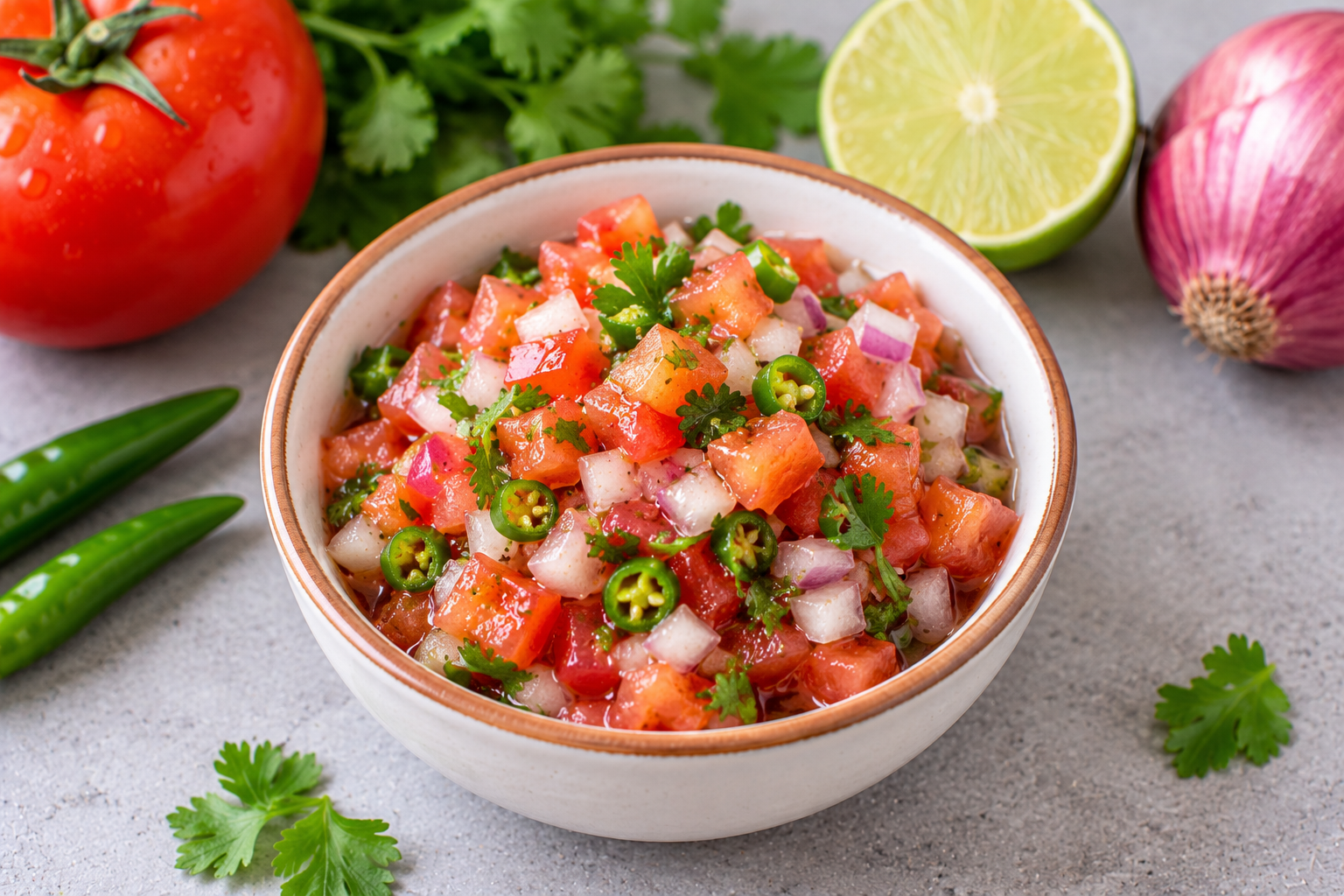
6. Tomatoes
Tomatoes provide vitamin C and other plant compounds.
They can be used in salads, soups, chutneys, curries and vegetable dishes.
7. Green Chilies
Green chilies can contribute vitamin C to the diet.
They are commonly used in Indian cooking, although the amount consumed varies.
8. Broccoli and Cauliflower
These vegetables provide vitamin C along with fiber and other nutrients.
Light cooking can help retain more vitamin C than prolonged boiling.
9. Other Useful Sources
Additional sources include:
Strawberries.
Pineapple.
Kiwi.
Mango.
Cabbage.
Amaranth leaves.
Other green leafy vegetables.
Vitamin C Food Sources: Approximate Values
The following are illustrative values per 100 g of edible food. Actual vitamin C content varies by variety, ripeness, storage and preparation.
| Food | Approximate vitamin C |
|---|---|
| Amla | 250 mg |
| Guava | 200â220 mg |
| Red capsicum | 120â130 mg |
| Green chilli | 100 mg or more |
| Papaya | 60 mg |
| Orange | 50 mg |
| Lemon | 40â50 mg |
| Broccoli | 80â90 mg |
| Tomato | 15â25 mg |
These are approximate reference values, not fixed values for every sample. For precise Indian food composition values, refer to the ICMR-NIN Indian Food Composition Tables.
Daily Requirement of Vitamin C
Vitamin C requirements depend on age, sex and life stage.
The following values are based on ICMR-NIN 2020 recommendations:
| Group | Recommended daily intake |
|---|---|
| Adult men | 80 mg |
| Adult women | 65 mg |
| Pregnant women | 80 mg |
| Lactating women | 115 mg |
Children and adolescents have different age-specific requirements.
These values represent daily dietary recommendations, not supplement doses.
Vitamin C Deficiency
Vitamin C deficiency develops when the body does not receive enough vitamin C over a prolonged period.
Severe deficiency causes a condition called scurvy.
Although severe deficiency is uncommon in people who regularly consume fruits and vegetables, inadequate dietary intake can increase the risk.
Common Symptoms of Vitamin C Deficiency
Possible symptoms include:
Fatigue.
Weakness.
Swollen or bleeding gums.
Easy bruising.
Joint pain.
Muscle discomfort.
Dry and rough skin.
Poor wound healing.
Small red or purple spots under the skin.
Corkscrew-shaped body hair.
Anemia in some cases.
Symptoms may develop gradually.
What Is Scurvy?
Scurvy is a disease caused by severe and prolonged vitamin C deficiency.
Vitamin C is necessary for collagen formation. When the body does not receive enough vitamin C, collagen production becomes abnormal.
This can cause:
Fragile blood vessels.
Bleeding gums.
Loose teeth.
Joint pain.
Skin hemorrhages.
Poor wound healing.
Severe weakness.
Untreated scurvy can become serious and requires medical treatment.
Causes of Vitamin C Deficiency
1. Poor Dietary Intake
People who rarely consume fruits and vegetables may not obtain enough vitamin C.
2. Highly Restrictive Diets
Severely restricted diets with limited food variety can increase the risk of multiple nutrient deficiencies.
3. Smoking
Smoking increases oxidative stress and is associated with lower vitamin C status. Smokers may have higher vitamin C requirements.
4. Alcohol Dependence
Excessive alcohol consumption may be associated with poor dietary intake and inadequate vitamin C status.
5. Certain Medical Conditions
Some digestive disorders and medical conditions may affect nutrient intake or absorption.
6. Increased Nutritional Needs
Certain situations may increase vitamin C requirements, including smoking and some medical conditions.
How Is Vitamin C Deficiency Diagnosed?
A healthcare professional may assess symptoms, dietary habits and medical history.
Possible investigations include:
1. Plasma Vitamin C
A blood test measuring plasma ascorbic acid may help assess recent vitamin C status.
2. Clinical Assessment
Doctors may look for signs such as:
Bleeding gums.
Easy bruising.
Skin changes.
Poor wound healing.
Joint discomfort.
3. Additional Tests
Depending on symptoms, a doctor may recommend a CBC or other investigations to assess anemia and identify possible underlying conditions.
Vitamin C deficiency should not be diagnosed from tiredness or skin symptoms alone.
Sample Indian Diet Plan for Vitamin C
The following is an illustrative meal plan using common Indian foods. It is not a prescribed diet or a guarantee of a particular vitamin C intake.
| Meal | Food options |
|---|---|
| Early morning | Fresh amla or guava |
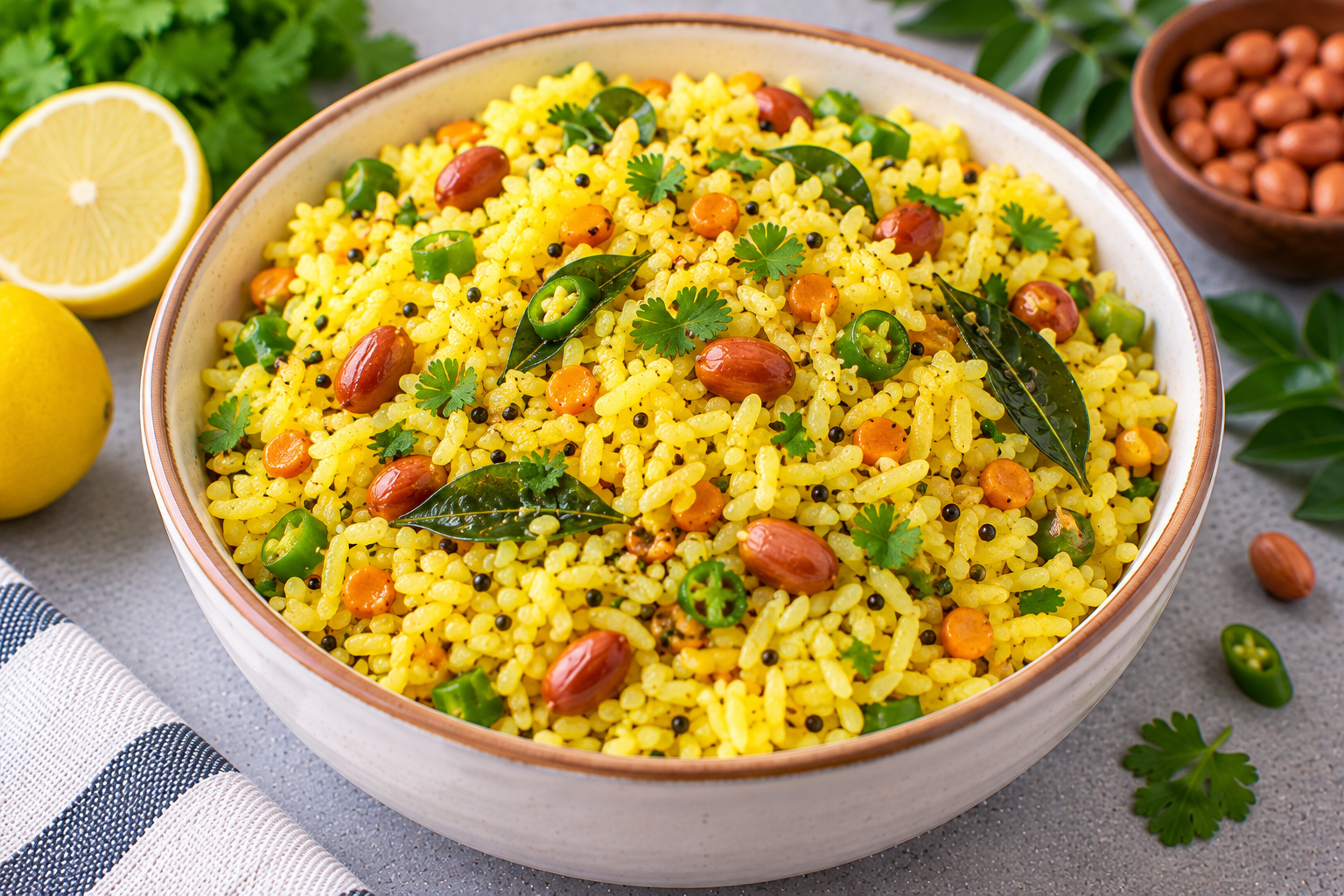
| Breakfast | Vegetable poha with capsicum and tomato |
| Mid-morning | Orange or papaya |
| Lunch | Roti, dal, vegetable curry and salad with lemon |
| Evening snack | Sprouts chaat with tomato and lemon |
| Dinner | Rice or roti with mixed vegetables and broccoli |
| Optional | Seasonal fruit |
Include fresh fruits and vegetables regularly. Adjust food choices according to individual health requirements and dietary preferences.
Vitamin C Supplements: Uses and Precautions
Vitamin C supplements are available in different forms, including:
Ascorbic acid tablets.
Chewable vitamin C tablets.
Vitamin C capsules.
Effervescent tablets.
Multivitamin formulations.
Supplements may be useful when dietary intake is inadequate or when a healthcare professional identifies a specific medical need.
However, most healthy people can meet their vitamin C requirements through a varied diet.
Can Too Much Vitamin C Be Harmful?
Yes. High-dose vitamin C supplements may cause side effects.
Possible problems include:
Diarrhea.
Nausea.
Abdominal cramps.
Digestive discomfort.
Very high supplemental intake may increase urinary oxalate in some people and may be a concern for those with a history of kidney stones or certain kidney disorders.
People with hereditary haemochromatosis should seek medical advice before taking high-dose vitamin C because it can increase iron absorption.
The US National Institutes of Health sets an adult tolerable upper intake level of 2,000 mg per day. This is a US reference, not a recommended daily target for Indian adults.
Avoid taking high-dose vitamin C supplements without medical guidance.
Does Cooking Destroy Vitamin C?
Vitamin C is sensitive to heat, oxygen and water.
Prolonged cooking, boiling and repeated reheating can reduce the vitamin C content of foods.
Tips to Preserve Vitamin C
Eat some fruits and vegetables raw when appropriate.
Wash vegetables before cutting them.
Avoid prolonged soaking.
Prefer steaming or light cooking over prolonged boiling.
Use minimal cooking water when possible.
Avoid repeated reheating.
Cut fruits shortly before eating.
Store cut fruits and vegetables appropriately.
A varied diet containing both fresh and cooked foods is a practical approach.
Practical Tips to Maintain Healthy Vitamin C Levels
Eat vitamin C-rich fruits daily.
Include amla or guava when available.
Add lemon juice to salads and meals.
Include capsicum and tomatoes in vegetable dishes.
Eat seasonal fruits such as papaya and oranges.
Combine vitamin C sources with plant-based iron foods.
Avoid prolonged boiling of vegetables.
Include a variety of colorful fruits and vegetables.
Avoid unnecessary high-dose supplementation.
Seek medical advice if you experience persistent symptoms of deficiency.
Frequently Asked Questions (FAQs)
1. What is another name for vitamin C?
Vitamin C is also known as ascorbic acid.
2. Which Indian food is richest in vitamin C?
Amla and guava are among the richest commonly available Indian fruit sources of vitamin C.
3. Does lemon contain vitamin C?
Yes. Lemon contains vitamin C and can be used in salads, dal and other meals.
4. Does vitamin C improve iron absorption?
Yes. Vitamin C improves the absorption of non-hem iron from plant foods. Combining lemon, amla or guava with dal, chickpeas or leafy vegetables can be helpful.
5. Can vitamin C prevent colds?
Regular vitamin C supplementation may slightly reduce the duration of colds in some people, but it does not reliably prevent the common cold in the general population.
6. Can vitamin C improve skin health?
Vitamin C supports collagen formation and antioxidant protection, both of which are important for normal skin health. However, supplements do not guarantee brighter skin or wrinkle removal.
7. What happens if vitamin C is deficient?
Deficiency may cause fatigue, bleeding gums, easy bruising and poor wound healing. Severe deficiency causes scurvy.
8. What is the daily requirement of vitamin C for adults in India?
According to ICMR-NIN 2020, the recommended intake is 80 mg per day for adult men and 65 mg per day for adult women.
9. Can I take vitamin C tablets every day?
Some people may need supplements, but most healthy individuals can obtain sufficient vitamin C from food. Consult a healthcare professional before using high-dose supplements.
10. Is amla better than orange for vitamin C?
Amla generally contains more vitamin C per 100 g than orange, although actual values vary with variety, maturity and storage.
11. Does cooking reduce vitamin C?
Yes. Vitamin C can be lost during prolonged heating, boiling and storage. Light cooking and eating some fresh fruits and vegetables can help preserve intake.
12. Can too much vitamin C cause kidney stones?
High supplemental doses may increase urinary oxalate in some people. Those with a history of kidney stones or kidney disease should seek medical advice before using high-dose supplements.
Conclusion
Vitamin C (ascorbic acid) is an essential water-soluble vitamin that supports collagen formation, immune function, wound healing, antioxidant protection and iron absorption.
Indian foods such as amla, guava, oranges, lemons, papaya, capsicum, tomatoes and broccoli are useful sources of vitamin C.
Regularly including fresh fruits and vegetables in your diet can help meet daily requirements and prevent deficiency. Combining vitamin C-rich foods with plant-based iron sources is also a practical way to support iron absorption.
Although supplements are available, high doses are not necessary for everyone and may cause digestive problems or other complications.
A balanced diet with a variety of seasonal fruits and vegetables is the best everyday approach to maintaining healthy vitamin C intake.
Medical Disclaimer: This article is for general educational purposes and is not a substitute for medical diagnosis or treatment. Consult a qualified healthcare professional before starting high-dose vitamin C supplements, particularly if you have kidney disease, a history of kidney stones or an iron-overload condition.
References
ICMR-National Institute of Nutrition. Nutrient Requirements for Indians: Recommended Dietary Allowances and Estimated Average Requirements, 2020.
ICMR-National Institute of Nutrition. Indian Food Composition Tables, 2017.
National Institutes of Health, Office of Dietary Supplements. Vitamin C: Fact Sheet for Health Professionals.
World Health Organization. Scurvy and Vitamin C Deficiency: Nutrition Guidance.
💬 Comments (0)
Be respectful. Website links and phone numbers are not allowed.