

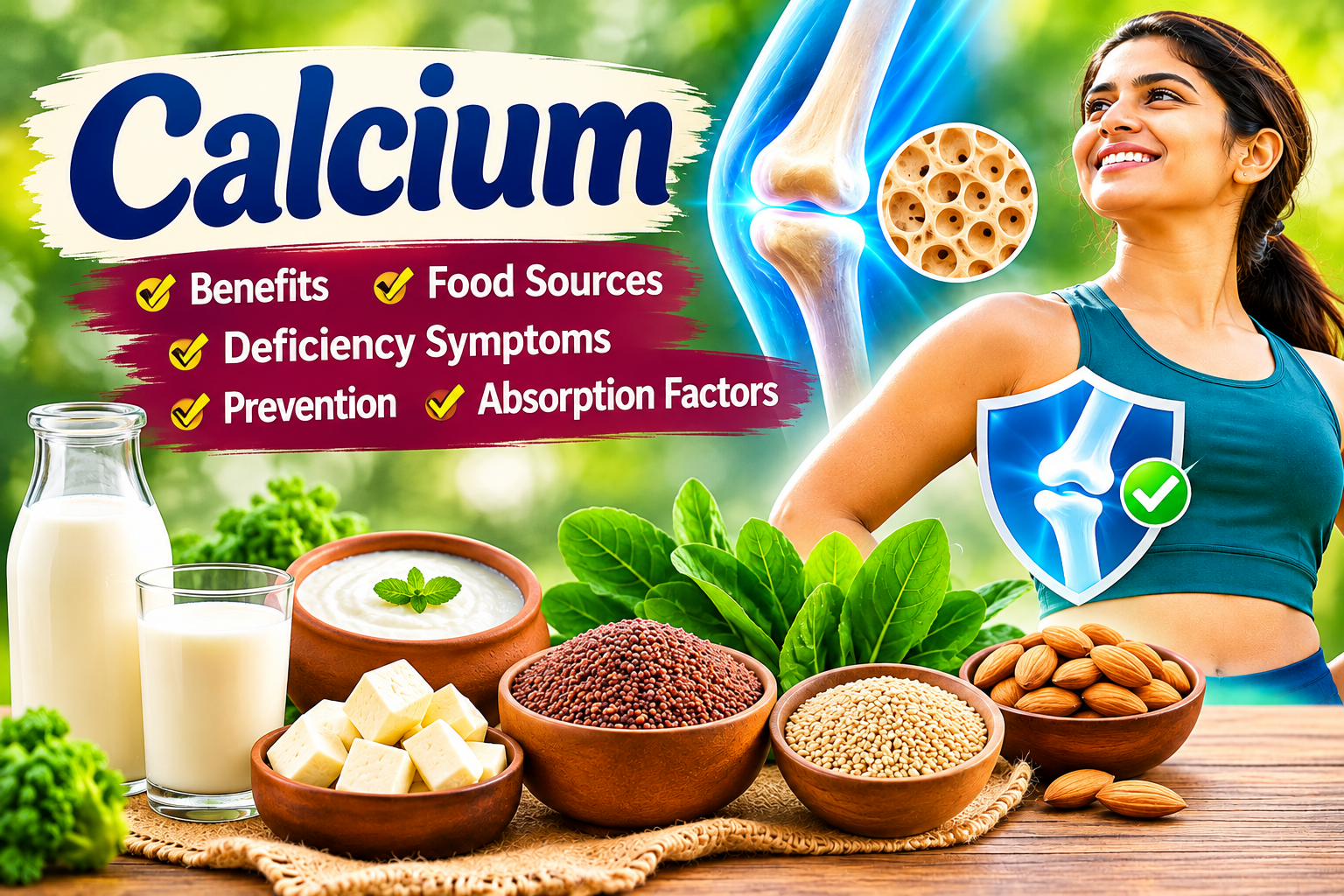
Calcium is an essential mineral that your body needs throughout life. Most people know calcium for its role in maintaining strong bones and teeth, but its functions go far beyond skeletal health. Calcium is also involved in normal muscle contraction, nerve signaling, blood clotting and several important cellular processes.
Because the body cannot produce calcium on its own, we need to obtain it from our diet. When dietary intake is inadequate, calcium supplements may sometimes be appropriate, but supplementation is not automatically necessary for everyone.
This article explains why calcium is important, how much you need, the best calcium rich foods, the relationship between calcium and vitamin D, and what to know before taking calcium supplements.
What Is Calcium?
Calcium is an essential mineral and the most abundant mineral in the human body.
Approximately 99% of the body's calcium is stored in the bones and teeth, where it contributes to their structure and strength. The remaining calcium is present in the blood, muscles and other tissues.
Calcium is important for:
- Maintaining healthy bones and teeth
- Normal muscle contraction
- Normal nerve transmission
- Blood clotting
- Cellular signaling
- Several normal enzyme and hormonal processes
The body carefully regulates the amount of calcium circulating in the blood. If calcium intake remains inadequate, the body can use calcium stored in bones to help maintain normal blood calcium levels.
Why Is Calcium Important for Bone Health?
Bones are living tissues that continuously change throughout life. Old bone is broken down and new bone is formed through a process known as bone remodeling.
Calcium is an important part of this process.
During childhood and adolescence, adequate calcium intake supports normal bone development. Building strong bones during these years helps establish a healthy skeletal foundation for adulthood.
During adulthood, adequate calcium intake contributes to maintaining bone mineral content. As we get older, maintaining bone health becomes increasingly important because age related bone loss can contribute to osteoporosis and fractures.
However, calcium alone does not determine bone health.
Other important factors include:
- Vitamin D
- Adequate protein
- Regular physical activity
- Resistance and weight-bearing exercise
- Overall dietary quality
- Hormonal health
- Age
- Genetics
- Certain medications and medical conditions
Therefore, healthy bones require a comprehensive approach rather than focusing on calcium alone.
How Much Calcium Do You Need Every Day?
Calcium requirements vary depending on age and sex.
According to the U.S. National Institutes of Health Office of Dietary Supplements, most adults between 19 and 50 years of age need approximately 1,000 mg of calcium per day.
Women between 51 and 70 years generally need 1,200 mg per day, while men in this age group generally need 1,000 mg per day. Adults aged 71 years and older generally need 1,200 mg per day.
Children and teenagers have higher requirements because their bones are developing rapidly.
Recommended Calcium Intake
1-3 years: 700 mg per day
4-8 years: 1,000 mg per day
9-18 years: 1,300 mg per day
Adults 19-50 years: 1,000 mg per day
Men 51-70 years: 1,000 mg per day
Women 51-70 years: 1,200 mg per day
Adults 71 years and older: 1,200 mg per day
Calcium recommendations can vary between countries and professional guidelines. Individual requirements may also differ depending on pregnancy, breastfeeding, medical conditions and medications.
Best Calcium Rich Foods
A balanced diet can provide calcium through a variety of foods.
Milk and Dairy Products
Milk, curd, yogurt and cheese are well-known sources of calcium.
For people who consume dairy products, including appropriate portions in the daily diet can make it easier to meet calcium requirements.
The calcium content varies between products, so checking nutrition labels can be useful.
Calcium Set Tofu
Tofu can be a useful calcium source, particularly for vegetarians and vegans.
However, calcium content depends on how the tofu is produced. Some tofu is made using calcium-containing coagulants, while other varieties may contain much less calcium.
Check the nutrition label when available.
Calcium Fortified Foods
Some plant-based beverages, cereals and other foods are fortified with calcium.
These products can be particularly useful for people who do not consume dairy products.
Always check the nutrition label because the amount of calcium can vary considerably between brands.
Green Vegetables
Certain vegetables can contribute to calcium intake.
Examples include:
- Broccoli
- Kale
- Cabbage
- Some leafy green vegetables
However, the amount of calcium absorbed from vegetables varies depending on their composition.
Fish With Edible Bones
For people who consume fish, sardines and canned salmon with edible bones can be good sources of calcium.
These foods can be included as part of an overall balanced diet.
Is Spinach a Good Source of Calcium?
Spinach contains calcium, but it is not considered one of the most bioavailable sources of dietary calcium.
Spinach contains relatively high amounts of oxalates. Oxalates can bind calcium and reduce the amount available for absorption.
This does not mean that spinach is unhealthy.
Spinach is a nutritious vegetable and provides several other important nutrients. It can absolutely be part of a healthy diet.
The important point is that relying on spinach alone to meet your calcium requirement may not be the most effective strategy.
It is better to consume calcium from a variety of foods.
Calcium and Vitamin D
Calcium and vitamin D work closely together.
Vitamin D helps the intestine absorb calcium. Adequate vitamin D is therefore important for maintaining normal calcium metabolism and supporting bone health.
However, taking large amounts of vitamin D or calcium without a reason is not necessarily beneficial.
Think about bone health as a combination of several factors:
Calcium + Vitamin D + Protein + Physical Activity + Overall Balanced Nutrition
Each component contributes something different.
Should You Take Calcium Supplements?
Not everyone needs calcium supplements.
If you regularly consume enough calcium through your diet, additional supplementation may not be necessary.
Food is generally the preferred way to obtain nutrients whenever possible.
Calcium supplements may be considered when dietary calcium intake is insufficient or when a healthcare professional identifies a specific clinical reason.
Before starting a calcium supplement, consider:
- Your usual dietary calcium intake
- Your age
- Your overall health
- Your vitamin D status when relevant
- Your medications
- Your kidney health
- Your history of kidney stones
- Your individual bone-health risk
People with kidney disease or a history of kidney stones should discuss calcium supplementation with a healthcare professional before taking supplements.
Can You Take Too Much Calcium?
Yes.
More calcium does not automatically mean stronger bones.
The NIH lists upper intake levels for calcium from all sources, including food, beverages and supplements.
For adults aged 19-50 years, the upper limit is 2,500 mg per day.
For adults aged 51 years and older, the upper limit is 2,000 mg per day.
These are upper limits, not recommended targets.
Excessive calcium supplementation may cause side effects such as:
- Constipation
- Bloating
- Gas
- Gastrointestinal discomfort
Taking unnecessary high doses of calcium supplements may also create problems for some individuals.
Therefore, avoid taking high-dose calcium supplements simply because you believe more calcium will provide stronger bones.
Calcium and Medicines
Calcium supplements can interfere with the absorption of certain medications.
For example, calcium can interact with some thyroid medicines and certain antibiotics.
If you take prescription medication regularly, speak with your doctor or pharmacist before starting calcium supplements.
They can advise you about the appropriate dose and whether calcium should be taken separately from your medication.
How Can You Increase Calcium Intake Naturally?
If your diet is low in calcium, start by making small changes to your regular meals.
For example:
Breakfast: Milk or a calcium fortified soy beverage with your normal breakfast.
Lunch: Dal, vegetables and curd or yogurt.
Snack: Yogurt or another calcium containing food.
Dinner: Paneer, calcium set tofu or another calcium-containing protein source with vegetables.
The best choices depend on your dietary preferences, nutritional needs and health goals.
Calcium for Vegetarians
A vegetarian diet can provide adequate calcium when it is properly planned.
Useful vegetarian sources include:
- Milk
- Curd
- Yogurt
- Paneer
- Cheese
- Calcium set tofu
- Calcium fortified beverages
- Fortified foods
- Selected green vegetables
Vegetarians do not necessarily need calcium supplements simply because they do not eat meat.
The key is to include sufficient calcium containing foods regularly.
Calcium for Vegans
People following a vegan diet need to pay particular attention to calcium because many traditional calcium-rich foods are dairy products.
Useful plant based options include:
- Calcium fortified soy beverages
- Calcium fortified plant beverages
- Calcium set tofu
- Fortified foods
- Suitable green vegetables
- Other calcium containing plant foods
Reading nutrition labels is particularly helpful because calcium content can vary considerably between products.
Calcium and Protein for Bone Health
Bone is not made only of minerals.
Protein provides an important structural component of bone, while calcium contributes to its mineral component.
Therefore, focusing only on calcium while ignoring overall nutrition is not an ideal strategy.
Good protein sources can include:
- Milk
- Curd
- Yogurt
- Paneer
- Tofu
- Soy products
- Dal
- Beans
- Chickpeas
- Other pulses
The appropriate protein intake depends on individual nutritional requirements.
Does Calcium Prevent Osteoporosis?
Calcium is important for maintaining normal bone health, but calcium alone cannot be considered a complete strategy for preventing osteoporosis.
Osteoporosis is a complex condition influenced by factors such as:
- Age
- Genetics
- Hormonal changes
- Physical activity
- Nutrition
- Certain medications
- Other medical conditions
Adequate calcium intake is one component of good bone health.
Regular weight bearing and resistance exercise, adequate protein, appropriate vitamin D status, avoiding smoking and maintaining a healthy lifestyle can also contribute to bone health.
People at increased risk of osteoporosis should speak with a healthcare professional about appropriate evaluation and treatment.
Who Should Pay Attention to Calcium Intake?
Calcium intake deserves particular attention during:
- Childhood and adolescence
- Pregnancy
- Breastfeeding
- Older adulthood
- Dairy free diets
- Vegan diets
- Periods of restricted food intake
- Certain gastrointestinal conditions
- Conditions affecting bone health
However, calcium requirements are individual.
Someone who regularly consumes dairy products may have very different calcium intake compared with someone who avoids dairy completely.
Can Low Calcium Intake Cause Symptoms?
It is important not to diagnose calcium deficiency based only on symptoms.
The body tightly regulates calcium levels in the blood. When dietary intake is inadequate for a prolonged period, the body can use calcium stored in the bones.
Therefore, inadequate calcium intake may not immediately produce obvious symptoms.
If you are concerned about your calcium intake, a review of your diet with a qualified dietitian or healthcare professional can help determine whether you are likely meeting your requirements.
Practical Calcium Rich Meal Pattern
You don't need to consume all your calcium in one meal.
Including calcium containing foods regularly throughout the day can make it easier to meet your needs.
A simple example could be:
Morning: Milk or calcium fortified beverage
Lunch: Dal, vegetables and curd
Evening: Yogurt or another calcium containing snack
Dinner: Paneer or calcium tofu with vegetables
This is only an example. Your actual food choices and portion sizes should be based on your individual nutritional requirements.
Key Takeaways
Calcium is an essential mineral that supports much more than bones and teeth.
The most important points to remember are:
- Calcium is important for bones and teeth.
- It also contributes to normal muscle contraction and nerve transmission.
- Most adults aged 19-50 years require approximately 1,000 mg of calcium per day according to NIH recommendations.
- Dairy products are useful calcium sources.
- Calcium-set tofu can be useful for vegetarian and vegan diets.
- Calcium-fortified foods can help increase calcium intake.
- Spinach contains calcium, but its calcium is less readily absorbed because of oxalates.
- Vitamin D helps the body absorb calcium.
- Food is generally the preferred way to meet calcium requirements.
- Calcium supplements are not necessary for everyone.
- Excessive calcium supplementation can cause side effects.
- Calcium can interact with some medications.
- Bone health depends on calcium, vitamin D, protein, physical activity and overall lifestyle.
Final Thoughts
Calcium is an important part of a healthy diet throughout life.
The goal should not be to consume as much calcium as possible. The goal is to consistently meet your individual calcium requirement through a balanced and varied diet.
If your diet is low in calcium, start by identifying calcium-rich foods that fit your normal eating pattern.
If you are considering calcium supplements because of low dietary intake, osteoporosis risk, a medical condition or another health concern, speak with a qualified healthcare professional about whether supplementation is appropriate.
Healthy bones are supported by a combination of adequate nutrition, physical activity, vitamin D adequacy and healthy lifestyle habits.
Calcium supplements may have a role for some people, but they should not replace a nutritious diet.
Medical Disclaimer: This article is intended for educational purposes and does not replace individualized medical or nutrition advice. If you have osteoporosis, kidney disease, kidney stones, a diagnosed calcium disorder, are pregnant, breastfeeding, or take regular medication, seek professional advice before starting calcium supplementation.
Source -







💬 Comments (0)
Be respectful. Website links and phone numbers are not allowed.