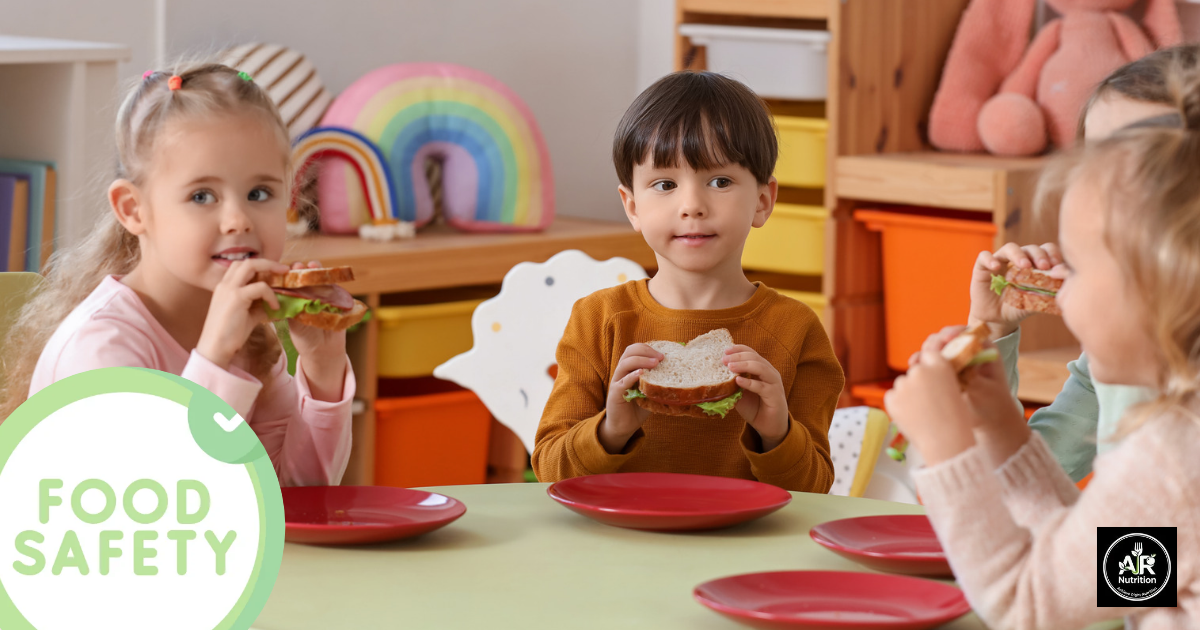
School lunch boxes are an important part of children's daily meals. Many parents prepare homemade food for their children before sending them to school. However, lunch is often eaten several hours after preparation. During this time, improper food handling and storage may increase the risk of food contamination. Eating contaminated food can cause foodborne illnesses and affect children's health. Therefore, maintaining proper hygiene, using clean lunch containers and following safe food storage practices are important. Parents play an essential role in ensuring that their children receive safe and hygienic meals at school.
Understanding Food Safety
Food safety refers to the proper handling, preparation, cooking and storage of food to prevent contamination and reduce the risk of foodborne illnesses. According to the World Health Organization (WHO), unsafe food may contain harmful bacteria, viruses, parasites or chemical substances that can cause illness.
Food contamination can occur at different stages, including food preparation, storage and transportation. Poor personal hygiene, contaminated water, unclean utensils, improper cooking and contact between raw and cooked foods are some factors that may affect food safety.
For school children, food safety is particularly important because lunch boxes are often prepared at home and consumed several hours later. During this period, improper handling and storage may increase the risk of food contamination. Therefore, parents should maintain personal hygiene, use clean lunch containers and follow appropriate food storage practices to provide children with safe meals.

Figure: Good food hygiene practices help prevent food contamination.
Common Causes of Food Contamination
Food contamination occurs when harmful microorganisms, chemicals or unwanted foreign materials enter food and make it unsafe for consumption. According to the Food Safety and Standards Authority of India (FSSAI), food safety hazards can be classified into three major categories: biological, chemical and physical hazards.
i) Biological hazards :This occurs when harmful microorganisms such as bacteria, viruses, fungi and parasites enter food. Contamination may happen through unclean hands, contaminated water, dirty utensils or improper food handling.
ii) Chemical contamination: This occurs when harmful chemical substances enter food. Examples include pesticide residues, cleaning agents and certain environmental contaminants.
iii) Physical contamination: This happens when unwanted foreign objects enter food. Examples include hair, pieces of glass, plastic, stones and metal fragments.
iv) Cross-Contamination: Cross-contamination refers to the transfer of harmful microorganisms from one food, surface or object to another. It can occur when raw foods come into contact with cooked or ready-to-eat foods. It may also happen through contaminated hands, knives, cutting boards, utensils and kitchen surfaces.
For example, using the same unwashed cutting board to cut raw food and then ready-to-eat vegetables may transfer harmful microorganisms. Similarly, handling food with unwashed hands can increase the risk of contamination.

Figure- Major categories of food safety hazards: biological, chemical, physical, cross contamination.
In school lunch boxes, poor hygiene, unclean food containers, unsafe water and improper food storage can increase the risk of contamination. Therefore, parents should take appropriate precautions while preparing, packing and storing children's meals.
Safe Practices for Preparing School Lunch Boxes-
Parents can follow several food safety practices to reduce the risk of contamination and foodborne illness when preparing school lunch boxes.
i) Maintain safe food temperatures:
Cold perishable foods should be kept cold, ideally at or below 5°C. Hot foods should be maintained at or above 60°C. Insulated lunch bags, ice packs and food thermoses can help maintain appropriate temperatures.
ii) Maintain personal hygiene:
Hands should be washed thoroughly with soap and clean water before preparing or handling food. Lunch boxes, utensils and preparation surfaces should also be cleaned properly.
iii) Cook and store food safely:
Cooked foods should be prepared thoroughly. Perishable leftovers should be refrigerated promptly rather than left at room temperature for extended periods. When packing hot food, use a suitable preheated insulated container to keep it hot. For cold perishable food, use an insulated lunch bag with ice packs.
iv) Prevent cross-contamination:
Raw ingredients should be kept separate from cooked and ready-to-eat foods. Clean knives, cutting boards and containers should be used to prevent the transfer of harmful microorganisms.
v)Wash fruits and vegetables
Fresh fruits and vegetables should be washed under clean running water before cutting, peeling or packing them.
vi) Consider food allergies:
Parents should be aware of their children's food allergies and follow school food policies. Lunch boxes should be labelled when necessary.
vii) Handle leftovers carefully:
Perishable food that has remained without appropriate temperature control should not be saved for later consumption. Parents should follow safe storage guidance when deciding whether leftovers can be reused.

Figure: Proper packing and temperature control help maintain school lunchbox food safety.
The role of parents
Parents play an important role in keeping their children's school lunch boxes safe and hygienic. From selecting food ingredients to preparing and packing meals, they need to follow proper food safety practices.
Before preparing food, parents should wash their hands properly and make sure that the kitchen, utensils and lunch containers are clean. Fruits and vegetables should also be washed with clean water before packing. They should avoid using the same unclean utensils for raw and cooked foods to prevent cross-contamination.
Proper food storage is another important responsibility. Parents should use suitable lunch containers and follow safe temperature practices to reduce the risk of food contamination.
Parents should also teach children simple habits, such as washing their hands before eating and keeping their lunch boxes clean. By following these small but important steps, parents can help children develop good food hygiene habits and enjoy safer meals at school.

Figure: Parents play an important role in preparing safe and hygienic school meals for children.
Conclusion-
Food safety is an important part of keeping children healthy. Preparing homemade lunch boxes is a good practice, but maintaining proper hygiene and storing food safely are equally important. Parents should be careful while preparing and packing food to reduce the chances of contamination. They should also encourage children to follow simple habits like washing their hands before eating and keeping their lunch boxes clean. I believe that small steps taken every day can help make school meals safer and healthier for children.
References
Food Safety and Standards Authority of India. (n.d.). Eat Right School.
World Health Organization. (2006). Five keys to safer food manual.


💬 Comments (0)
Be respectful. Website links and phone numbers are not allowed.