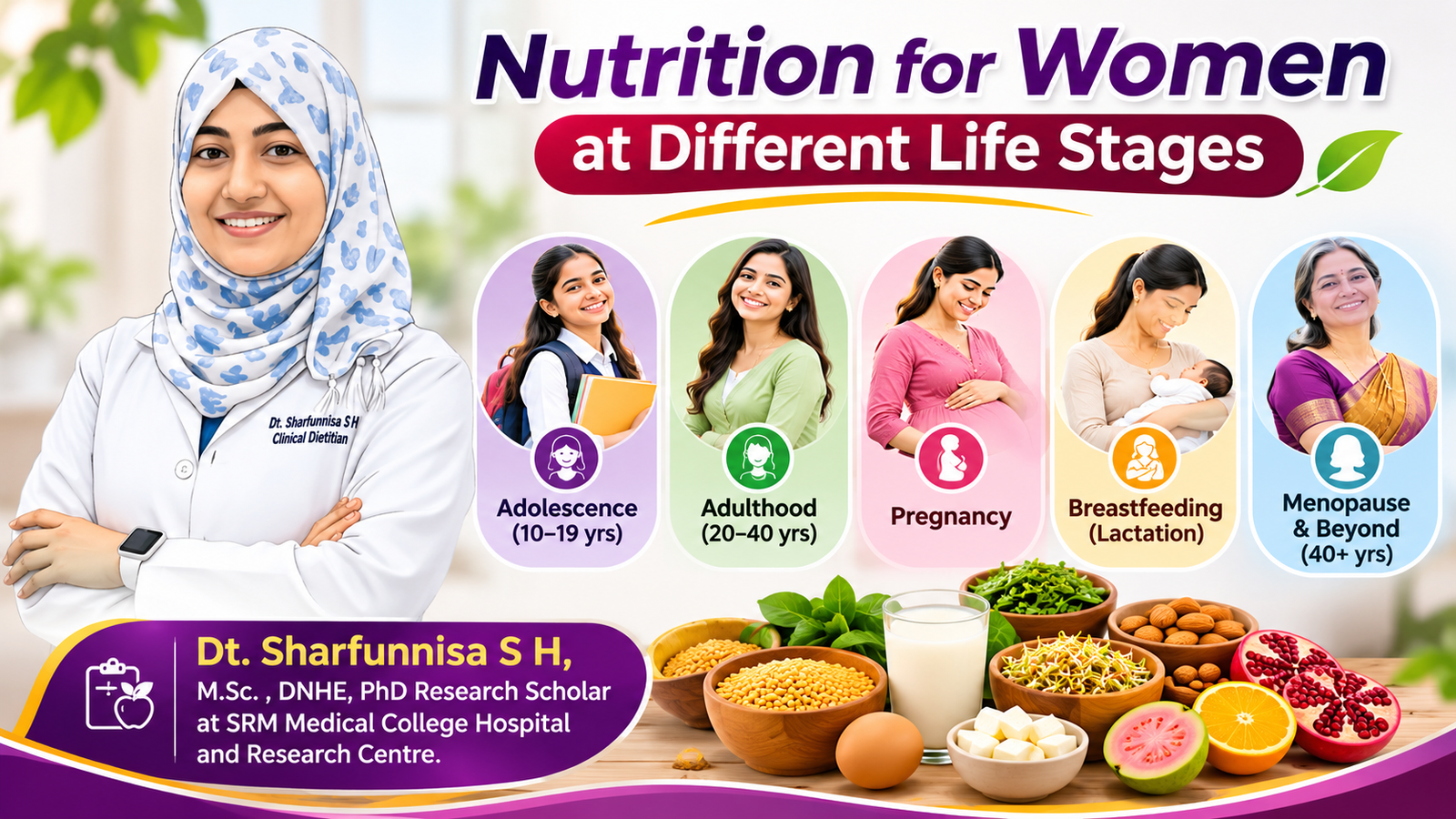
A woman's body is not nourished the same way at 14, 28, 38 or 58. Growth, menstruation, pregnancy, breastfeeding and menopause each change what the body needs, and a diet that suits one stage can leave gaps in the next.
In India, the stakes are high. The fifth National Family Health Survey (NFHS-5, 2019-21) found that more than half of women aged 15-49 were anemic [2]. Yet most nutrition advice is written for a generic adult. This guide walks through the major life stages, explains what changes physiologically, and offers practical, culturally familiar food choices based on national and international guidance [1,3-8].
Key message: There is no single "women's diet." The foundation stays constant: varied whole foods, adequate protein, fiber, healthy fats and movement. What shifts is the emphasis on specific nutrients.
Why Nutritional Needs Change Across a Woman's Life
Three forces drive these changes:
Hormones: Estrogen and progesterone influence bone building, iron losses, appetite, fat distribution and cardiovascular risk.
Reproductive events: Menstruation, pregnancy and lactation raise demands for iron, folate, calcium, iodine and energy at specific times.
Ageing: After midlife, bone loss and muscle loss speed up, and absorption of some nutrients (such as vitamin B12) can decline.
The ICMRâNational Institute of Nutrition publishes Recommended Dietary Allowances (RDAs) by life stage, and its 2024 Dietary Guidelines for Indians offer food-based advice for each [1]. Always use these, or advice from your dietitian, for exact quantities.
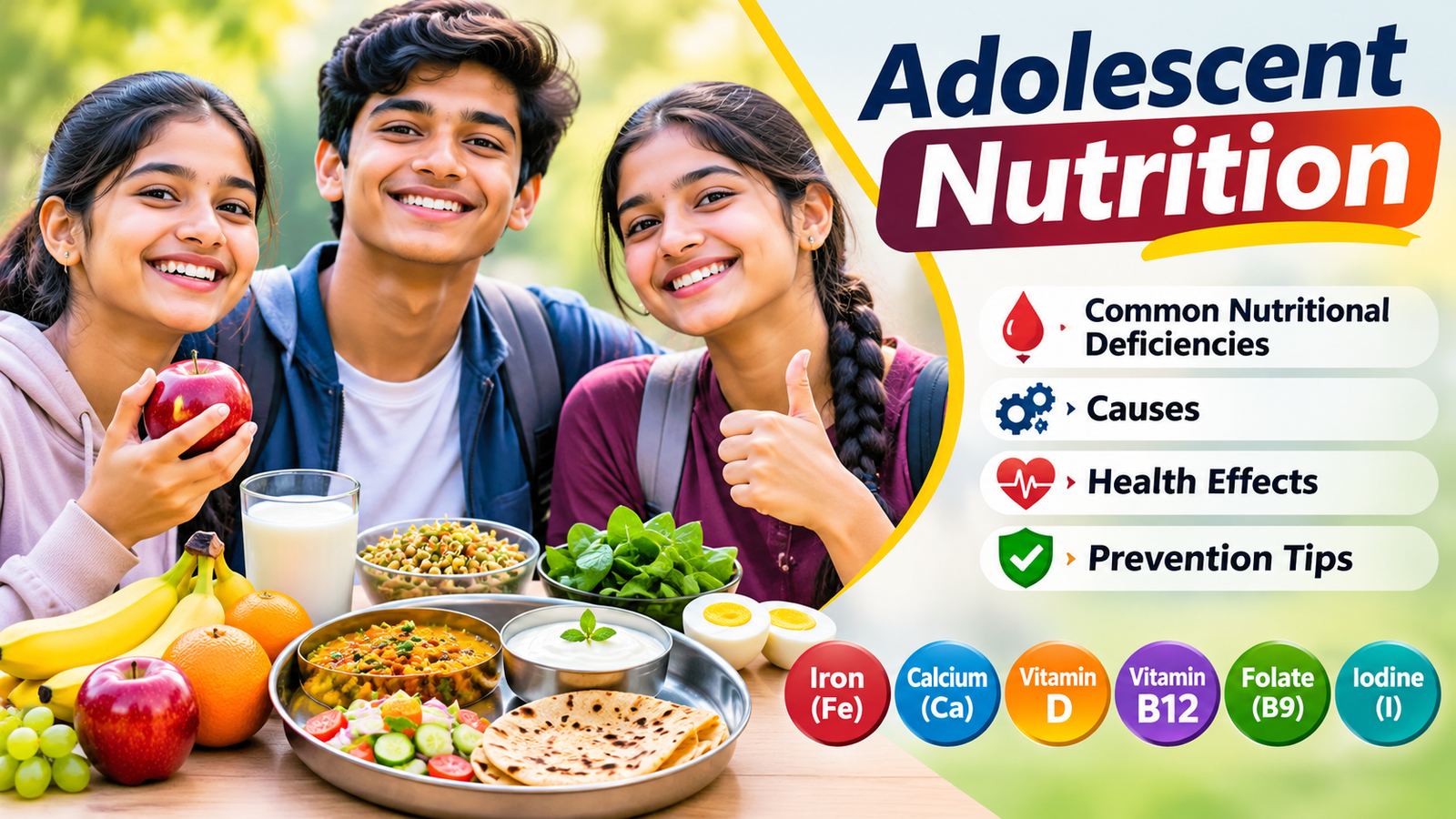
Adolescence (About 10-19 Years): Building the Foundation
What is happening: A growth spurt, the start of menstruation, and the build-up of peak bone mass, much of which is laid down by late adolescence [7].
Nutrition priorities:
Iron: Menstrual losses plus rapid growth raise requirements. NFHS-5 found about 59% of girls aged 15-19 were anemic [2].
Calcium and vitamin D: Essential for bone density that must last a lifetime [7].
Protein and energy: Adequate intake supports growth. Dieting during this stage can interfere with growth and menstrual health.
B12 and folate: Especially important for vegetarian girls.
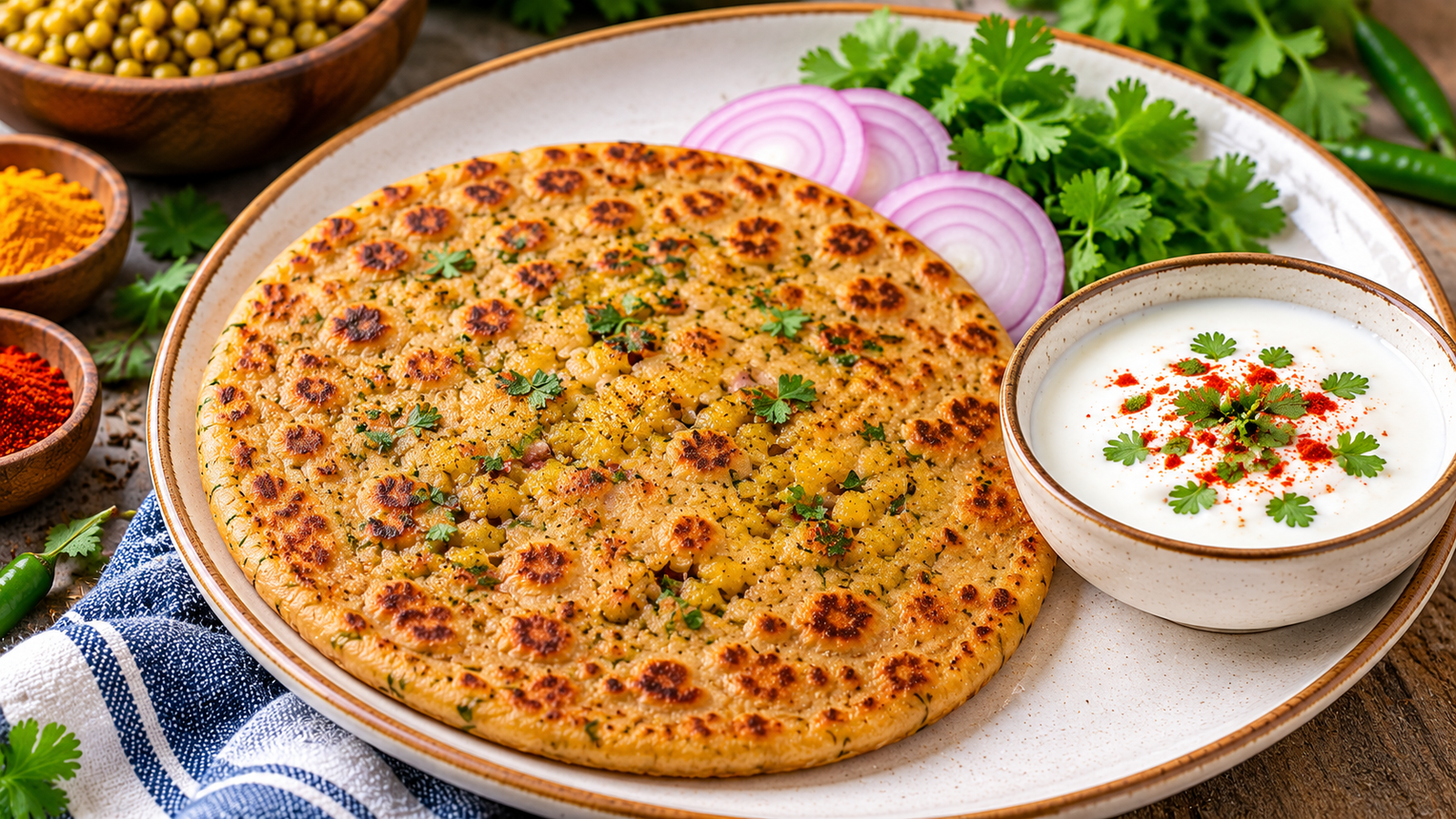
Indian food ideas: Ragi porridge or ragi dosa with chutney, vegetable-stuffed parathas with curd, dal-rice with a green sabzi, sprouts chaat, peanut-jaggery chikki in small portions, milk or curd daily, eggs or paneer, and a citrus fruit alongside iron-rich meals (vitamin C improves absorption of plant iron).
Common pitfalls: Skipping breakfast, relying on packaged snacks and sugary drinks, tea or coffee with meals (which reduces iron absorption), and social-media diet trends. Any sign of extreme restriction or preoccupation with weight deserves early professional attention.
Early and Middle Adulthood (20s- 40s): Energy, Iron and Planning Ahead
What is happening: Busy careers and households often push women's own meals aside. Menstrual blood loss continues to affect iron status. For women who may conceive, nutrition before pregnancy matters, because key developmental stages occur before many women know they are pregnant [9].
Nutrition priorities:
Iron: WHO recommends intermittent iron and folic acid supplementation for menstruating women in settings where anemia is common (generally where prevalence is 20% or more) [3]. Because supplements are not right for everyone, confirm anemia with a blood test first.
Folate: Women planning pregnancy are advised to take folic acid daily before conception and in early pregnancy [5,9].
Vitamin B12: Vegetarians and vegans have a higher risk of low B12, since reliable natural sources are mainly animal foods and fortified foods.
Vitamin D, calcium and protein: Important for maintaining bone and muscle.
Regular meals: Skipping meals followed by heavy late dinners disrupts energy and eating patterns.
Indian food ideas: Vegetable-dal khichdi, rajma or chana with rotis, palak paneer with a lemon-dressed salad, egg bhurji with whole-wheat toast, idli-sambar, curd rice with vegetables, fruit and nut snacks, and one weekly serving of oily fish if you eat fish.
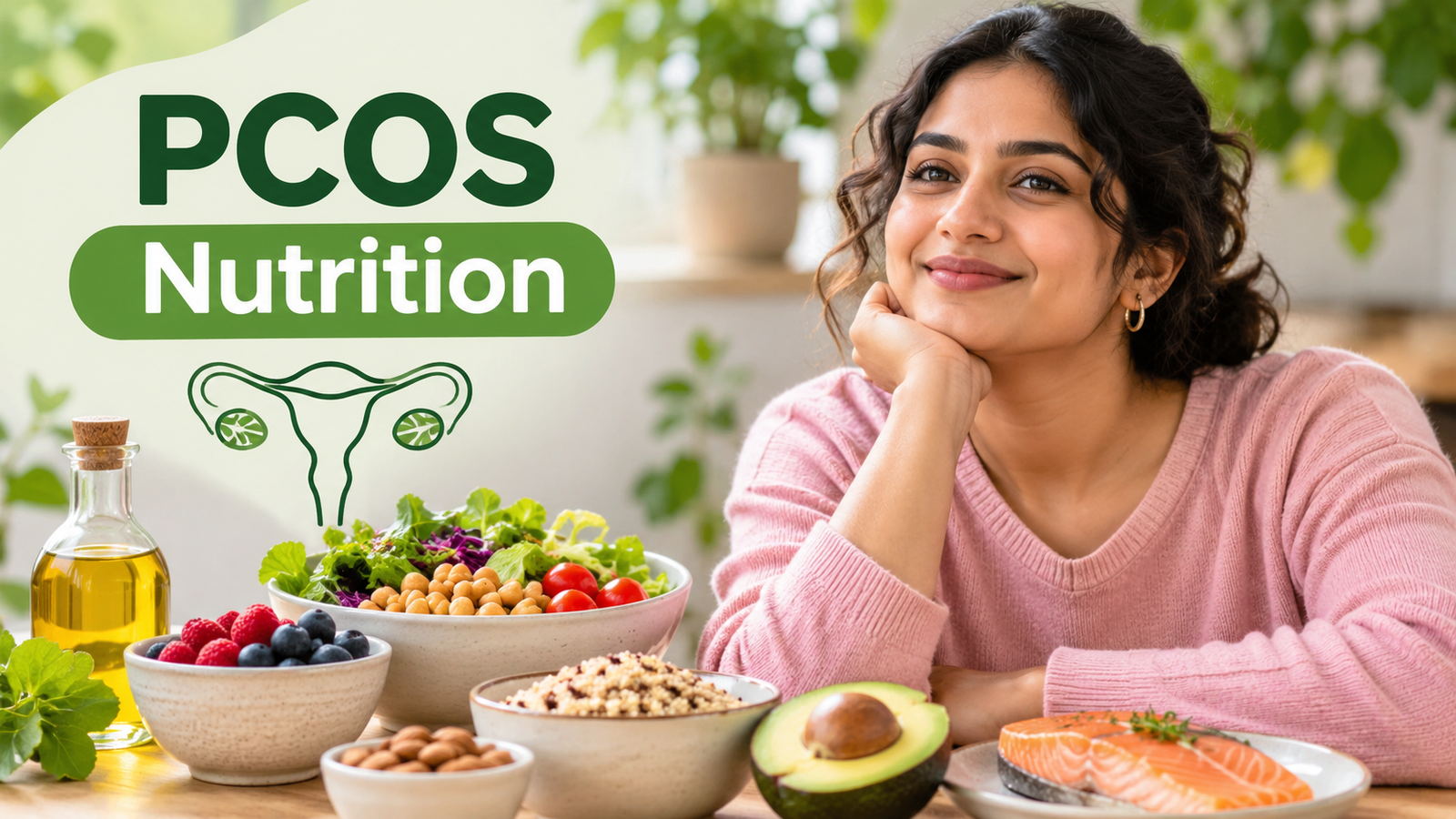
A note on PCOS: Women with PCOS (now also called PMOS) benefit from the same foundation with extra attention to glycemic quality. See our dedicated guide on PCOS and nutrition.
Pregnancy: Eating for Two Needs, Not Two Portions
What is happening: Rapid growth of the fetus, placenta and maternal tissues raises needs for several nutrients far more than it raises the need for energy.
Nutrition priorities:
Energy: Needs rise modestly, mainly in the second and third trimesters. "Eating for two" is a myth.
Folic acid: Recommended as early as possible in pregnancy to help prevent neural tube defects [5].
Iron: WHO recommends daily iron and folic acid supplements in pregnancy to reduce anaemia and low birth weight [4]. Dose and duration are set by the treating doctor.
Protein, calcium and iodine: Needed for fetal growth, bone development and brain development. Calcium supplementation is advised in populations with low dietary intake [5].
Healthy weight gain: Recommended ranges depend on pre-pregnancy BMI and are individualized by your clinician [8].
Foods and habits to limit or avoid:
Alcohol (no safe level has been established) [5].
High caffeine intake; guidance commonly suggests keeping it below about 200 mg per day, roughly two small cups of coffee [10].
Raw or undercooked eggs, meat and fish, unpasteurized milk and soft cheeses, and unwashed produce (food-borne infections can harm pregnancy).
Large, high-mercury fish.
Indian food ideas: Dal with leafy greens, ragi or jowar rotis, vegetable-stuffed rotis with curd, sprouted pulses, paneer, well-cooked eggs and fish, seasonal fruit, buttermilk, soaked nuts, and small, frequent meals if nausea is a problem. For nausea, dry snacks such as roasted chana, plain khakhra or toast can help.
Traditional beliefs: Many families advise against foods such as papaya or pineapple. Unripe or semi-ripe papaya contains latex and is commonly avoided in pregnancy, but ripe fruit eaten as part of a normal diet is not shown to cause harm. Ask your doctor about any food you are unsure about, rather than cutting out nutritious foods without evidence.
Breastfeeding (Lactation): Replenishing While Nourishing
What is happening: Milk production uses energy and nutrients, and many women are also recovering from pregnancy and birth.
Nutrition priorities:
Energy and protein: Needs are higher than in pregnancy for many women, and ICMR-NIN gives specific RDAs for lactating women [1].
Fluids: Drink to thirst; water, buttermilk, soups and coconut water all count.
Calcium, iron, B12, iodine and omega-3 fats: Continue to matter.
Breastfeeding itself: WHO recommends exclusive breastfeeding for the first six months, with continued breastfeeding alongside complementary foods thereafter [6].
Practical points:
Traditional postnatal foods such as methi, ajwain, garlic, gond or dry-fruit laddus, and soups are acceptable if you enjoy them and tolerate them well. Strong evidence that they increase milk supply is limited, so mothers should not feel pressured by them.
Crash dieting in the early months can leave you depleted. Gradual, gentle weight change is safer.
Limit alcohol and keep caffeine moderate; discuss supplements and medicines with your doctor.
Perimenopause and Menopause (Late 40s-50s): Protecting Bones, Heart and Muscle
What is happening: Estrogen declines, periods become irregular and then stop. Hot flushes, sleep disturbance, mood changes and weight redistribution toward the abdomen are common. Bone loss accelerates in the years around menopause, and cardiovascular risk rises [11,12].
Nutrition priorities:
Calcium and vitamin D: International guidance suggests roughly 1,000â1,200 mg of calcium daily from food and supplements combined for midlife and older women, and adequate vitamin D. Food comes first [12].
Protein and resistance exercise: Help preserve muscle and bone.
Heart-healthy eating: A Mediterranean-style pattern lowered cardiovascular events in a large randomized trial of older adults at high risk [14]. The same principles (vegetables, legumes, nuts, olive or other unsaturated oils, fish, less ultra-processed food) fit easily into Indian cooking.
Fiber and portion awareness: Metabolism and fat distribution shift, so steady meals with fiber and protein can help manage appetite and weight.
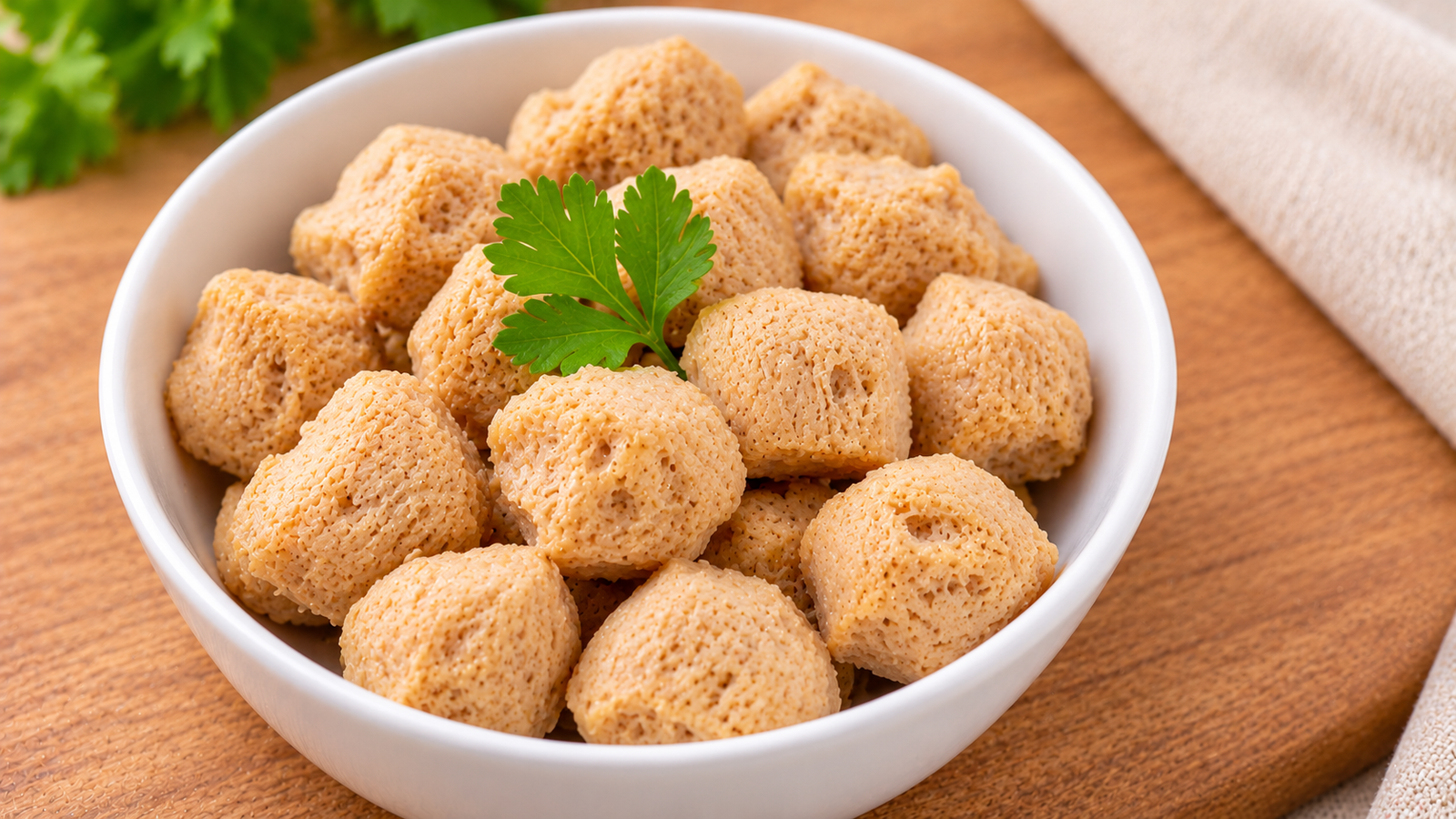
Symptoms and food: No food reliably cures hot flushes. Some women notice that spicy food, alcohol, caffeine or large late meals trigger flushes, so a simple symptom diary can help. Soy foods such as tofu and soya chunks are healthy to include, although evidence that they relieve symptoms is inconsistent. Menopausal hormone therapy and other treatments are medical decisions to discuss with a doctor [11].
Indian food ideas: Ragi and curd daily, dal and sprouts, tofu or paneer bhurji, leafy greens, til (sesame) chutney, flaxseed or walnuts, fish if eaten, a handful of nuts, and fruit in place of sweets.
Post-Menopause and Older Age (60+): Protecting Strength and Independence
What is happening: Appetite often falls, muscle mass declines (sarcopenia), bones weaken and B12 absorption can decrease.
Nutrition priorities:
Protein: Expert consensus suggests that healthy older adults may need about 1.0-1.2 g of protein per kg body weight daily, spread across meals [13]. Women with kidney disease need individual advice.
Calcium, vitamin D and B12: Blood tests guide supplementation [12].
Fiber and fluids: Important for digestion and to avoid constipation and dehydration.
Strength and balance exercise: Supports muscle, bones and fall prevention alongside diet [12].
Energy-dense, nutrient-dense meals: Important when appetite is small.
Indian food ideas: Moong dal khichdi with ghee in small amounts, egg or paneer with vegetables, curd or buttermilk, soft ragi porridge with nuts, dal soups, mashed vegetables and fortified foods if recommended.
Key Nutrients Across the Life Stages
| Nutrient | Adolescence | Adult / reproductive years | Pregnancy | Lactation | Menopause and older age |
|---|---|---|---|---|---|
| Iron | High priority | Priority if periods are heavy | Highest priority | Continue; check status | Needs fall after menopause; test before supplementing |
| Folate / folic acid | Important | Before conception | Essential | Continue | Maintain through diet |
| Calcium | Peak bone building | Maintain | Increased need | Maintain | High priority |
| Vitamin D | Bone health | Bone and muscle | Check status | Check status | High priority |
| Vitamin B12 | Vegetarians at risk | Vegetarians at risk | Important | Important | Absorption may fall |
| Protein | Growth | Maintain | Increased | Increased | Higher per kg |
| Omega-3 fats | Include | Include | Brain development | Include | Heart health |
Supplements should correct a confirmed deficiency or meet a specific recommendation, not replace a varied diet.
Common Myths About Women's Nutrition
| Myth | What the evidence says |
|---|---|
| "Pregnant women should eat for two." | Needs rise modestly, mostly later in pregnancy; nutrient quality matters more than quantity [8]. |
| "Skipping meals helps weight control." | It often leads to overeating later, lower nutrient intake and fatigue. |
| "Menopause weight gain is inevitable." | Metabolism shifts, but diet, strength training and sleep can influence weight and body composition. |
| "Calcium supplements alone protect bones." | Bone health also depends on vitamin D, protein, resistance exercise and not smoking [12]. |
| "Vegetarian diets cannot be adequate for women." | They can be, with attention to iron, B12, protein and, where relevant, omega-3. |
| "Postnatal foods guarantee more milk." | Evidence is limited; feeding frequently and adequate rest and nutrition matter most. |
Frequently Asked Questions
1. What is the most common nutritional deficiency in Indian women?
Iron deficiency and anemia are widespread, along with low intake of vitamin B12, vitamin D and calcium in many groups [2].
2. How can I improve iron absorption from vegetarian meals?
Pair iron-rich foods (greens, pulses, millets) with vitamin C sources such as lemon, amla or guava, and keep tea and coffee away from meal times.
3. Do I need supplements during pregnancy?
Folic acid and iron are routinely recommended; others depend on your diet, blood tests and your doctor's advice [4,5].
4. How much extra food do I need while breastfeeding?
Most women need more energy and protein than in pregnancy. Follow hunger cues and your dietitian's guidance [1].
5. Can diet reduce menopause hot flushes?
No diet reliably prevents them. Identifying personal triggers and maintaining a healthy lifestyle may help, and medical treatments exist [11].
6. Which foods support bone health after 40?
Calcium sources (ragi, dairy, sesame, tofu, leafy greens), vitamin D sources, protein, plus weight-bearing exercise [12].
7. Is a vegetarian diet safe through pregnancy?
Yes, if planned well. B12, iron, protein and omega-3 need particular attention.
8. Should I take calcium and vitamin D without testing?
It is safer to check your diet and vitamin D status first, because excessive supplements can cause problems.
9. How much protein do older women need?
About 1.0-1.2 g per kg body weight daily for most healthy older adults, adjusted for health conditions [13].
10. When should I see a dietitian?
If you are planning pregnancy, are pregnant or breastfeeding, have anemia, diabetes or thyroid disease, struggle with eating, or are going through menopause with troubling symptoms.
Conclusion: Nourishing Every Stage
Women's nutritional needs flow with life: growing strong in adolescence, protecting iron and energy through busy adult years, supporting two bodies in pregnancy and lactation, and preserving bone, muscle and heart health after menopause.
The core stays simple: varied whole foods, enough protein, fiber-rich carbohydrates, healthy fats, regular movement and good sleep, with targeted attention to the nutrients that matter most at each stage.
Good nutrition is not about perfection or restriction. It is about meeting your body where it is today.
Medical disclaimer: This article is for educational purposes only and does not replace professional medical advice, diagnosis or treatment. Nutritional needs vary with age, health conditions, medicines and pregnancy status. Please consult a qualified doctor and registered dietitian for individualized guidance, especially before starting supplements or making major dietary changes.
References
ICMRâNational Institute of Nutrition. Dietary Guidelines for Indians - 2024. Hyderabad: ICMR-NIN; 2024. https://www.nin.res.in
International Institute for Population Sciences (IIPS) and ICF. National Family Health Survey (NFHS-5), 2019-21: India. Mumbai: IIPS; 2021. http://rchiips.org/nfhs
World Health Organization. Guideline: Intermittent iron and folic acid supplementation in menstruating women. Geneva: WHO; 2011.
World Health Organization. Guideline: Daily iron and folic acid supplementation in pregnant women. Geneva: WHO; 2012.
World Health Organization. WHO recommendations on antenatal care for a positive pregnancy experience. Geneva: WHO; 2016.
World Health Organization. Guideline: Counselling of women to improve breastfeeding practices. Geneva: WHO; 2018.
Golden NH, Abrams SA; Committee on Nutrition. Optimizing bone health in children and adolescents. Pediatrics. 2014;134(4):e1229-e1243. doi:10.1542/peds.2014-2173
Institute of Medicine and National Research Council. Weight Gain During Pregnancy: Reexamining the Guidelines. Washington, DC: National Academies Press; 2009. doi:10.17226/12584
Stephenson J, Heslehurst N, Hall J, et al. Before the beginning: nutrition and lifestyle in the preconception period and its importance for future health. Lancet. 2018;391(10132):1830-1841. doi:10.1016/S0140-6736(18)30311-8
American College of Obstetricians and Gynecologists. Committee Opinion No. 462: Moderate caffeine consumption during pregnancy. Obstet Gynecol. 2010;116(2 Pt 1):467â468.
The 2022 Hormone Therapy Position Statement of The North American Menopause Society Advisory Panel. Menopause. 2022;29(7):767-794. doi:10.1097/GME.0000000000002028
Cosman F, Lewiecki EM, Eastell R, et al. Clinician's guide to prevention and treatment of osteoporosis. Osteoporos Int. 2022;33(10):2049-2102. doi:10.1007/s00198-021-06324-8
Bauer J, Biolo G, Cederholm T, et al. Evidence-based recommendations for optimal dietary protein intake in older people: a position paper from the PROT-AGE Study Group. J Am Med Dir Assoc. 2013;14(8):542-559. doi:10.1016/j.jamda.2013.05.021
Estruch R, Ros E, Salas-Salvadó J, et al. Primary prevention of cardiovascular disease with a Mediterranean diet supplemented with extra-virgin olive oil or nuts. N Engl J Med. 2018;378(25):e34. doi:10.1056/NEJMoa1800389

💬 Comments (0)
Be respectful. Website links and phone numbers are not allowed.