
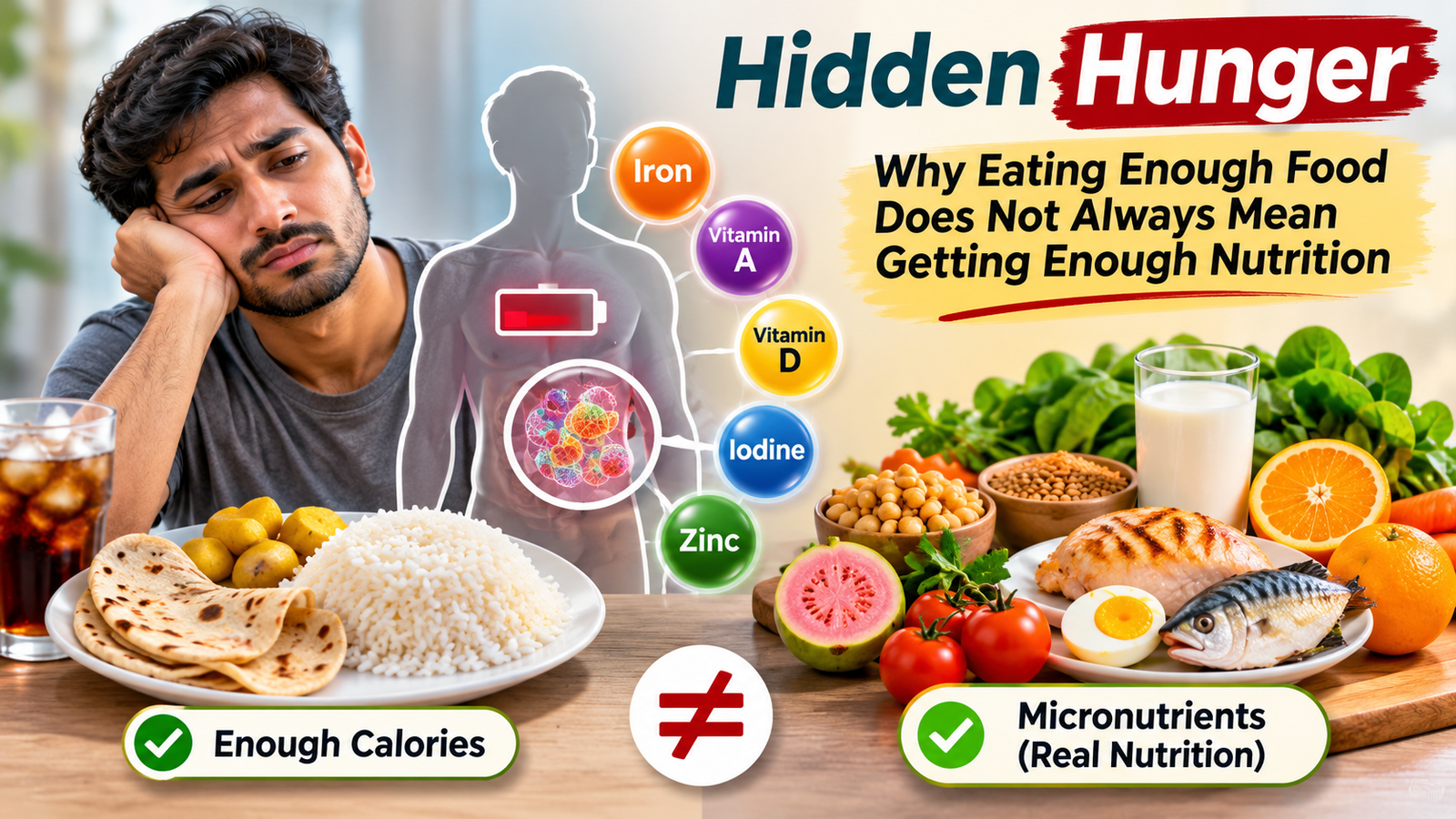
When we think about hunger, we usually imagine someone who does not have enough food to eat. However, hunger is not always visible. Some people consume enough food every day but still fail to obtain the essential vitamins and minerals their bodies need. This condition is known as hidden hunger, a form of malnutrition caused by inadequate intake, absorption, or utilization of essential micronutrients.
Hidden hunger is an important public health concern because a person may appear physically healthy while experiencing nutritional deficiencies that gradually affect their health, growth, immunity, and overall quality of life. Understanding this issue is essential, particularly in developing countries such as Pakistan, where nutritional challenges include both undernutrition and micronutrient deficiencies.
What Is Hidden Hunger?
Hidden hunger occurs when the body does not receive adequate amounts of essential micronutrients, including vitamins and minerals, despite sufficient energy intake.
Unlike visible hunger, which may result in weight loss and physical weakness, micronutrient deficiencies can remain unnoticed for a long time. A person may consume rice, roti, potatoes, sugary drinks, and other calorie-rich foods regularly but still have an inadequate intake of iron, zinc, vitamin A, vitamin D, folate, or other essential nutrients.
According to the World Health Organization (WHO), micronutrients are required in small amounts but play important roles in normal growth, development, immunity, and body functions.
Common Micronutrient Deficiencies and Their Effects
Several micronutrients are essential for maintaining good health. Their inadequate intake can result in different health problems.
1. Iron Deficiency
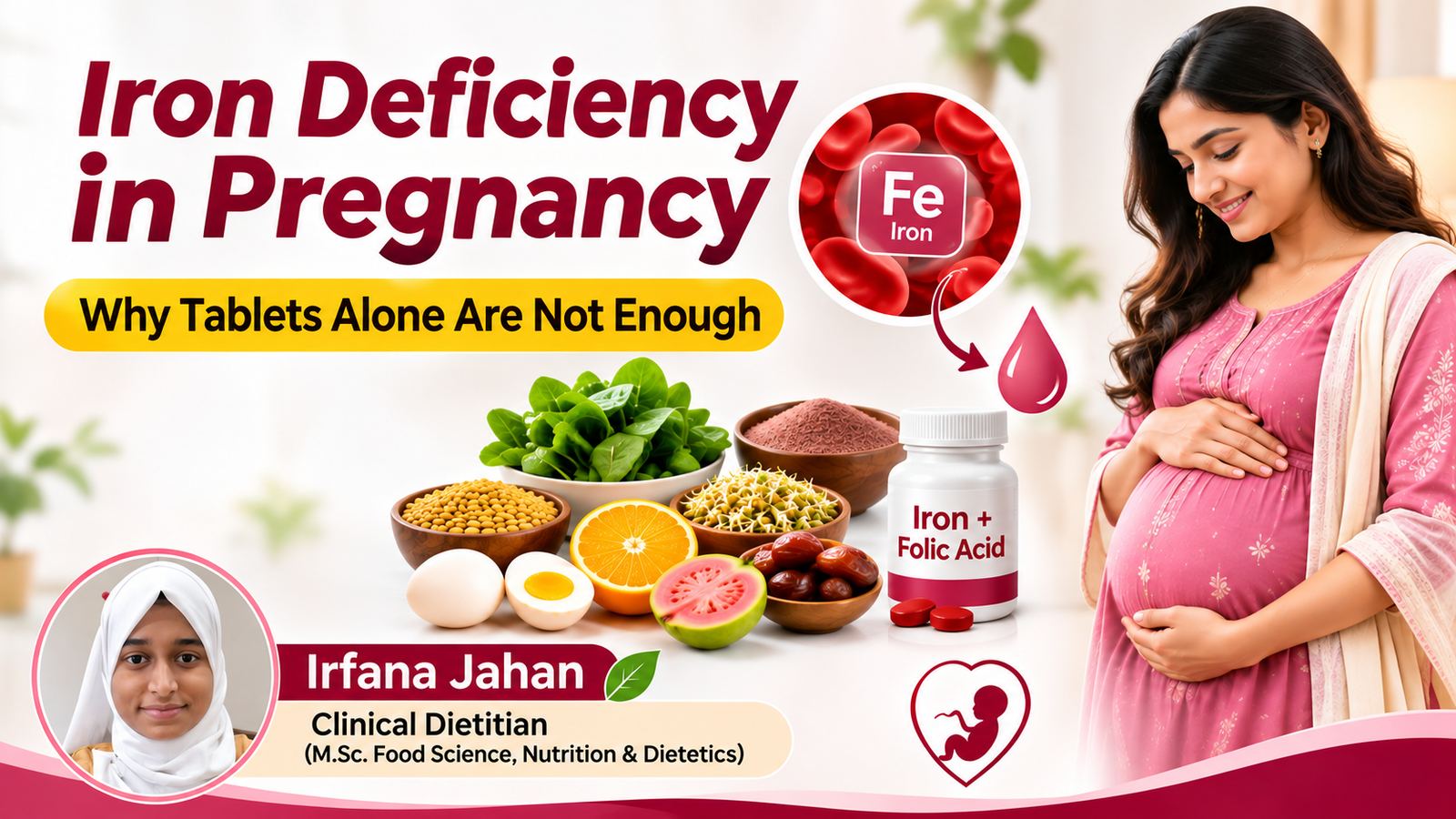
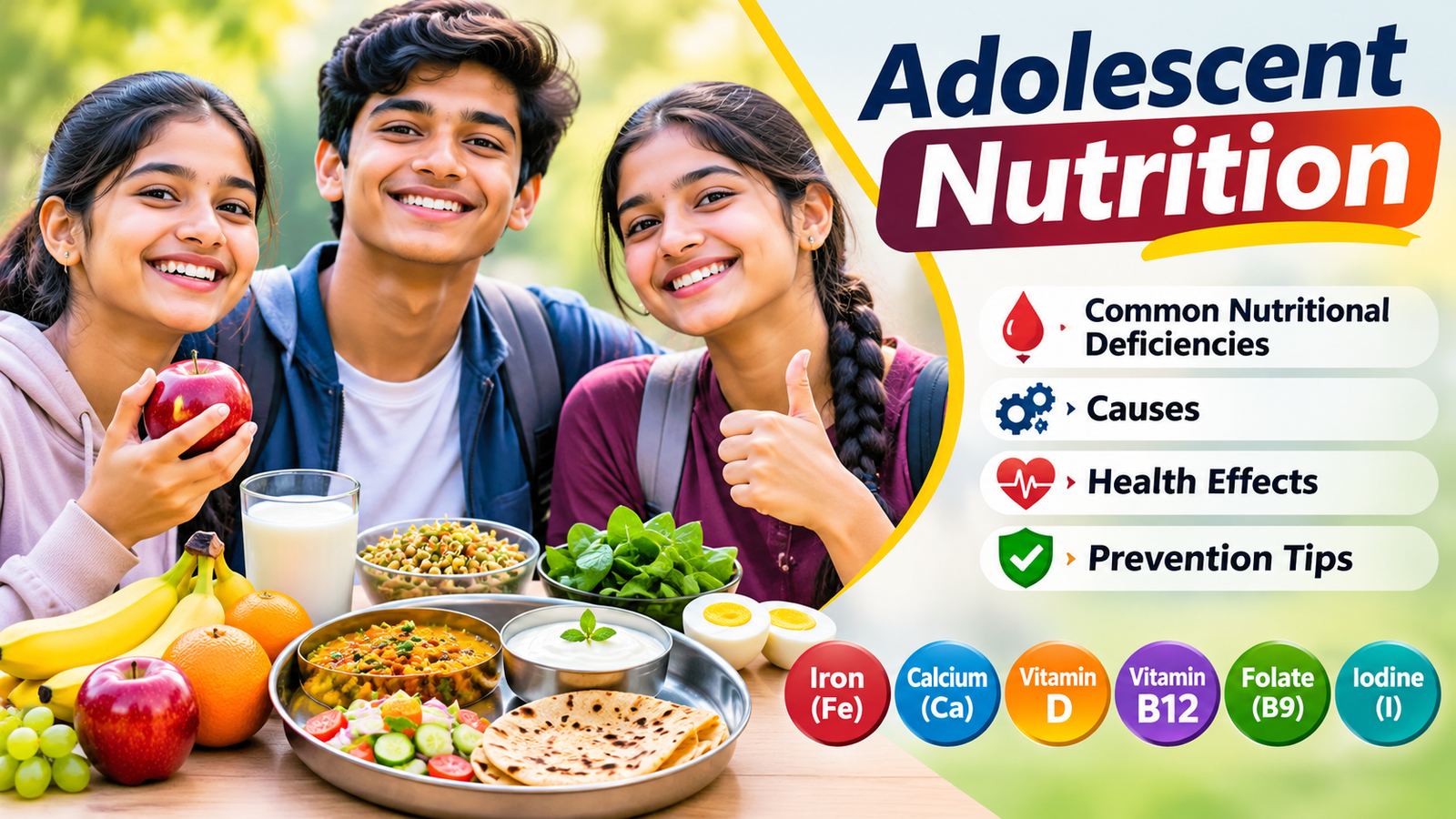
Iron is essential for hemoglobin production, which helps transport oxygen throughout the body. Iron deficiency can lead to iron-deficiency anemia, commonly associated with fatigue, weakness, dizziness, and reduced physical capacity.
Women of reproductive age, pregnant women, and young children are among the groups that require particular attention.
2. Vitamin A Deficiency
Vitamin A supports normal vision, immune function, and cell growth. Inadequate intake can affect eye health and increase vulnerability to infections. Severe deficiency may lead to night blindness and, in advanced cases, permanent vision impairment.
3. Vitamin D Deficiency
Vitamin D plays an important role in calcium absorption and bone health. Inadequate vitamin D can contribute to poor bone mineralization and increase the risk of bone-related disorders.
4. Iodine Deficiency
Iodine is necessary for the production of thyroid hormones, which regulate metabolism, growth, and development. Severe iodine deficiency during pregnancy and early childhood can negatively affect brain development.
5. Zinc Deficiency
Zinc supports immune function, wound healing, growth, and normal cellular processes. Inadequate zinc intake can affect growth and immune responses, particularly in children.
Why Is Hidden Hunger a Concern in Pakistan?
Pakistan faces multiple nutritional challenges, including inadequate dietary diversity, food insecurity, poverty, and limited nutrition awareness.
Many households depend heavily on a few staple foods, particularly wheat and rice. Although these foods provide energy, relying on a limited variety of foods may not fulfil all micronutrient requirements.
Limited access to animal-source foods, fruits, vegetables, and other nutrient-rich foods can further increase nutritional risks.
According to the Pakistan Dietary Guidelines for Better Nutrition (2019), micronutrient deficiencies remain an important concern among different population groups. The guidelines also highlight the nutritional vulnerability of women and young children.
Women and children deserve particular attention because their nutritional requirements may increase during pregnancy, breastfeeding, and periods of rapid growth.
How Can We Prevent Hidden Hunger?
Preventing hidden hunger requires improving both food quality and dietary diversity. Healthy eating does not necessarily mean purchasing expensive imported foods or supplements. Locally available foods can provide several essential nutrients.
Some practical approaches include:
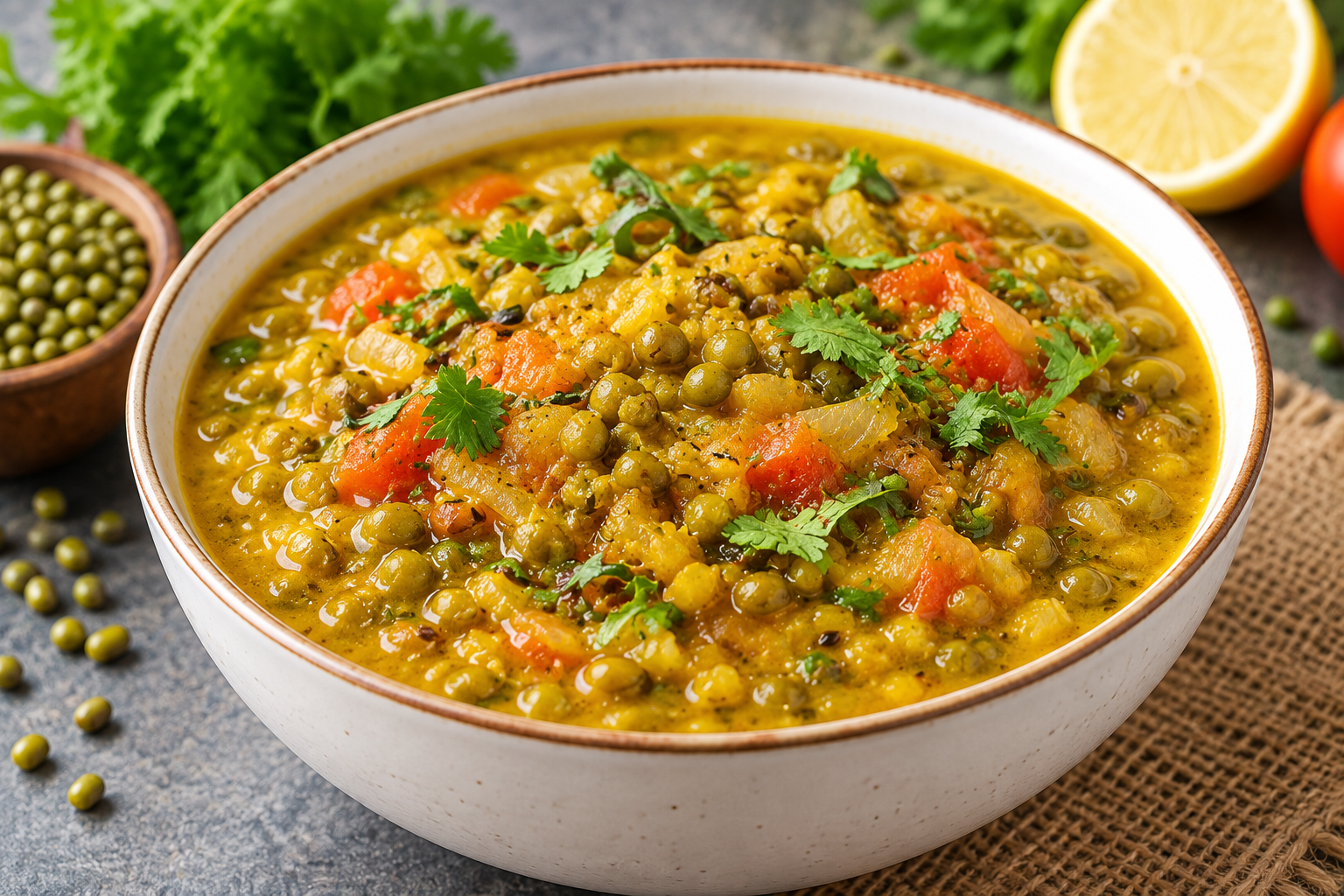
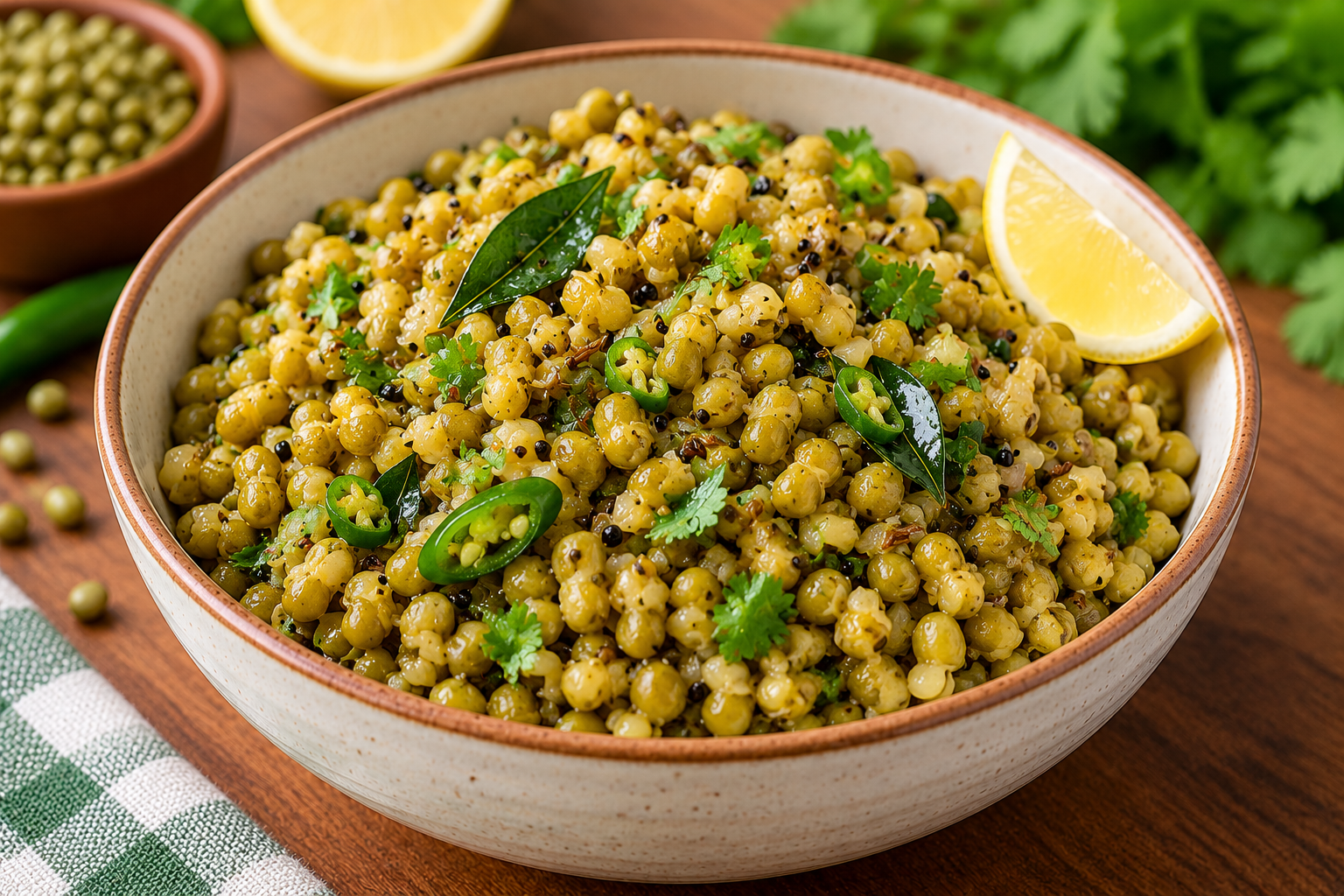
Include pulses: Lentils, chickpeas, and beans provide protein, iron, and other important nutrients.
Eat seasonal fruits: Guava, oranges, and other fruits provide vitamins and beneficial plant compounds.
Add green leafy vegetables: Spinach and other leafy vegetables contribute folate, carotenoids, and minerals.
Include protein-rich foods: Eggs, milk, yogurt, fish, and chicken can improve dietary quality.
Choose iodized salt: Properly iodized salt helps prevent iodine deficiency, but overall salt intake should remain limited.
Use fortified foods: Fortified wheat flour and other appropriately fortified foods can help improve micronutrient intake.
Improve dietary variety: Consuming different foods from different food groups helps provide a broader range of nutrients.
Vitamin C-rich foods, such as guava and citrus fruits, can also improve the absorption of non-hem iron from plant-based foods when consumed as part of the same meal.
The Role of Nutrition Professionals
Nutrition professionals have an important responsibility in preventing hidden hunger through nutrition education, dietary assessment, and evidence-based counselling.
They can help individuals understand their nutritional requirements, identify dietary gaps, and make realistic food choices according to their financial circumstances and cultural preferences.
However, symptoms alone cannot confirm a specific micronutrient deficiency. Appropriate clinical assessment and laboratory investigations may be required when a deficiency is suspected. Supplements should be recommended according to individual needs and professional guidance rather than used unnecessarily.
Public health initiatives, food fortification programmes, maternal and child nutrition services, and community awareness campaigns are also important strategies for addressing micronutrient deficiencies.
Conclusion
Hidden hunger reminds us that eating enough food does not always mean receiving enough nutrition. The quality, diversity, and nutritional composition of our daily diet are essential for maintaining good health.
Addressing this issue requires awareness, affordable access to diverse foods, appropriate food fortification, and evidence-based nutrition education.
As nutrition professionals and health educators, we must encourage people to look beyond calories and focus on the nutrients their bodies actually need. After all, good nutrition is not only about filling the stomach; it is about nourishing the body.
References
World Health Organization. (2025). Healthy Diet.
https://www.who.int/news-room/fact-sheets/detail/healthy-dietWorld Health Organization. Malnutrition.
https://www.who.int/news-room/fact-sheets/detail/malnutritionGovernment of Pakistan. (2019). Pakistan Dietary Guidelines for Better Nutrition.
Food and Agriculture Organization (FAO). Preventing Micronutrient Malnutrition: A Guide to Food-Based Approaches.
https://www.fao.org/4/X5244E/X5244e02.htm



💬 Comments (0)
Be respectful. Website links and phone numbers are not allowed.