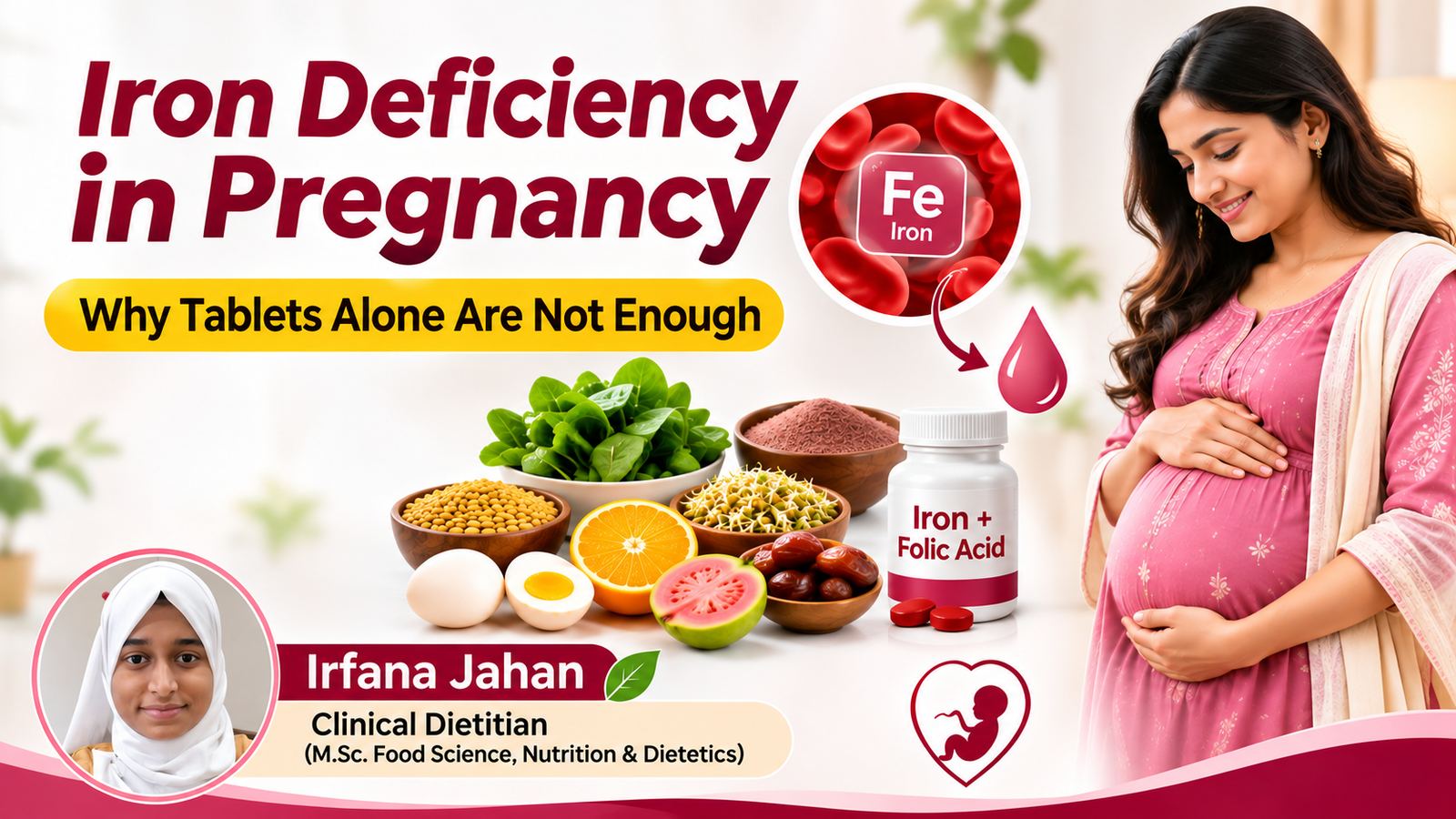
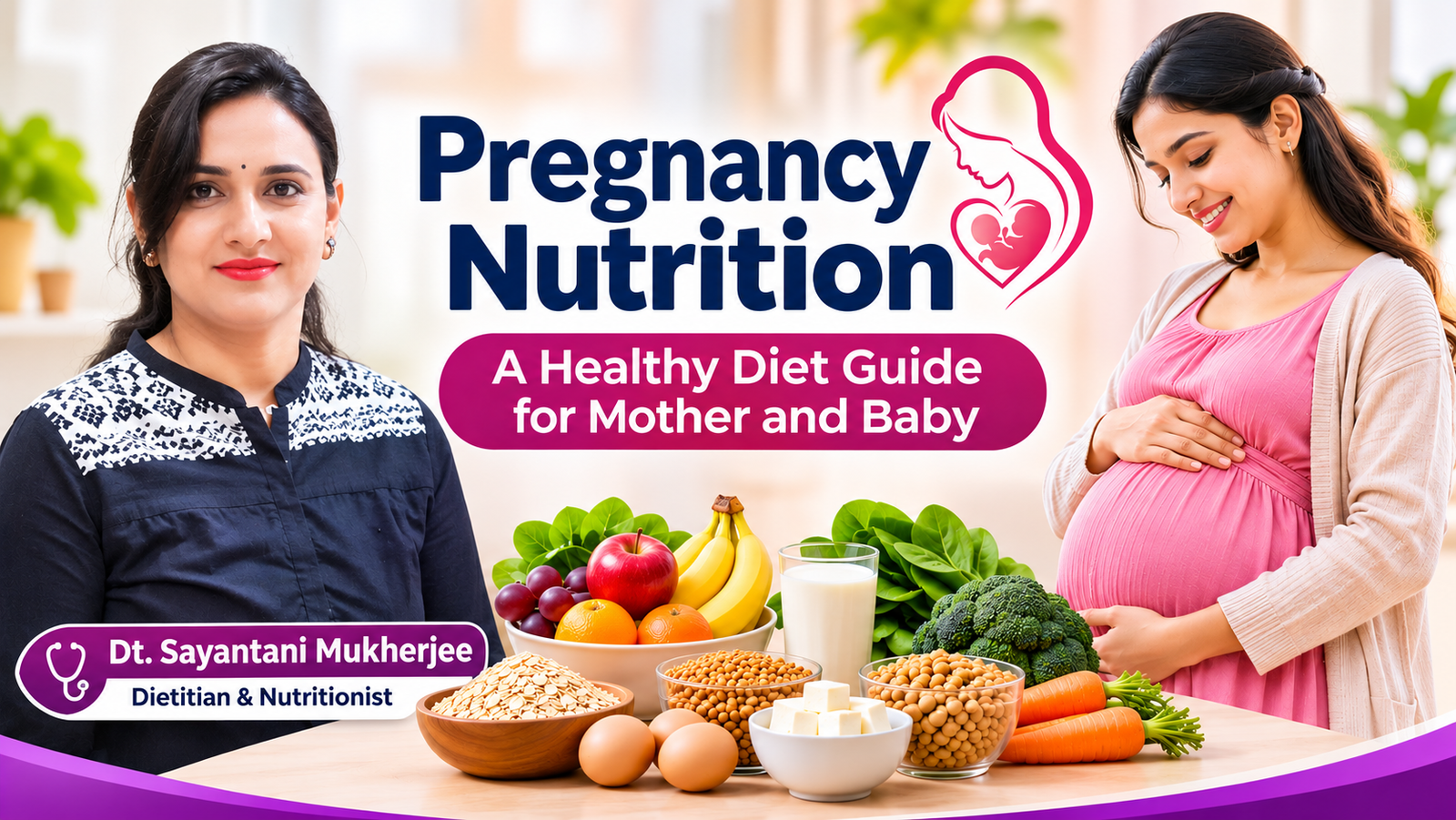
Feeling tired, breathless on the stairs, or dizzy during pregnancy? Many women are told, "It's normal, pregnancy is tiring." But sometimes it is more than normal tiredness. It can be iron deficiency.
In India, more than half of pregnant women are anemic, and iron deficiency is the most common cause. Most of them are already taking iron and folic acid tablets. So why does anemia persist? The answer often lies on the plate and in the way tablets are taken.
Why Iron Matters More in Pregnancy
During pregnancy, your blood volume increases and your baby and placenta need iron to grow. The need rises sharply, especially from the second trimester. When iron is low, the body cannot make enough hemoglobin, the protein that carries oxygen.
Untreated anemia can mean extreme fatigue, a higher risk of preterm delivery and low birth weight, and slower recovery after delivery. It can also affect the baby's iron stores in the first months of life.
Two Kinds of Iron in Food
Hem iron comes from animal foods such as liver, chicken, fish and eggs. It is absorbed easily.
Non-hem iron comes from plant foods such as ragi, bajra, horse gram, lentils, dates, sesame and green leafy vegetables like drumstick leaves and amaranth. It is absorbed less well, but absorption can be improved a lot.
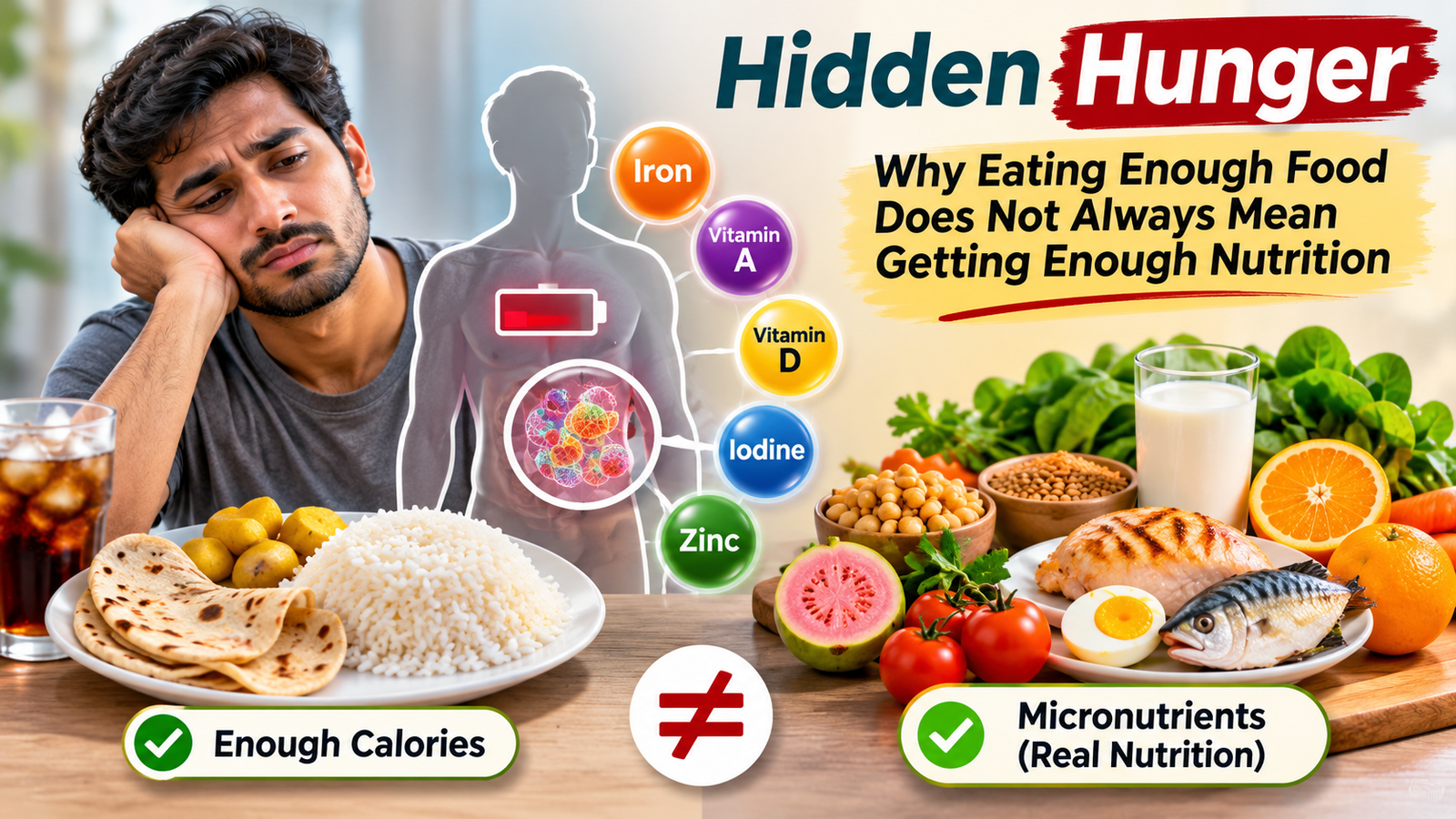
Most Indian diets, especially vegetarian ones, depend on non-hem iron. This is why how you eat matters as much as what you eat.
Small Habits That Boost Iron Absorption
Pair iron foods with vitamin C. Squeeze lemon on dal or greens, or have a guava, orange or amla after the meal.
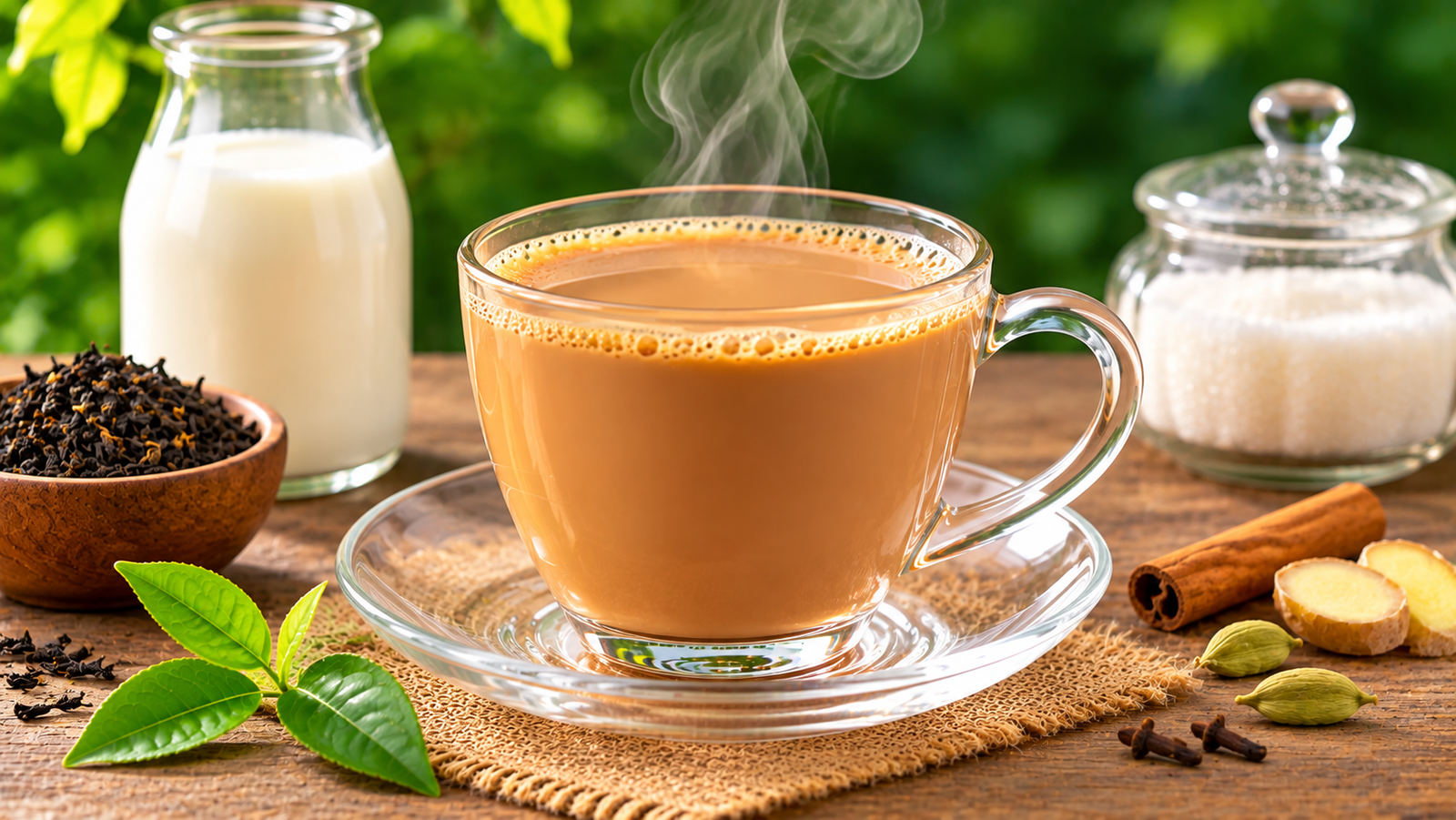
Keep tea and coffee away from meals. Tannins in tea and coffee block iron. Have them at least one to two hours apart from meals and tablets.
Separate calcium and iron. Milk and calcium tablets compete with iron. Space them out.
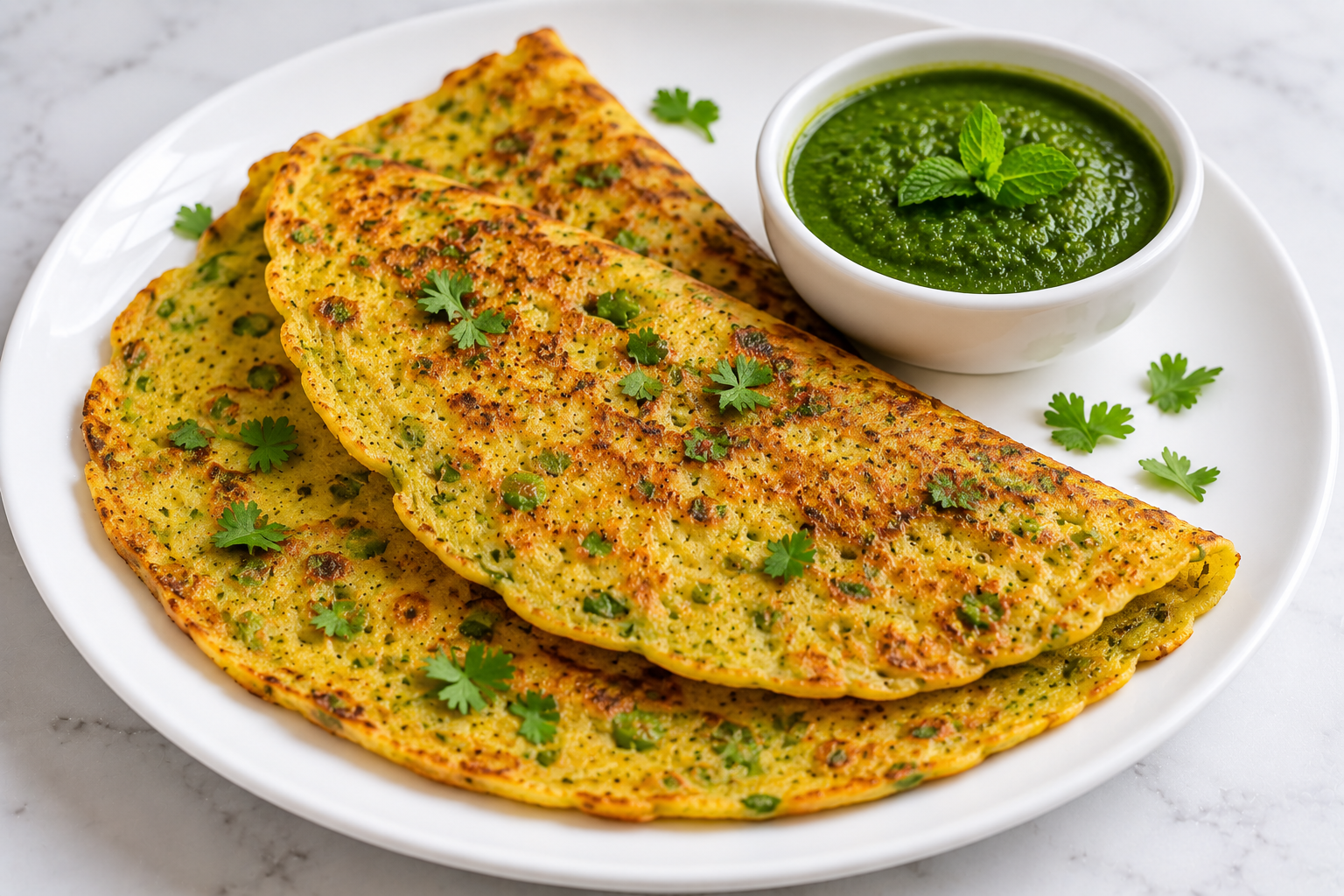
Soak, sprout and ferment. Soaking grains and pulses, sprouting them, and fermenting batter (idli and dosa) reduces phytates that bind iron.
Cook in an iron kadai. Acidic foods cooked in iron cookware can pick up a small amount of iron.
Myths to Clear Up
"Jaggery and dates will cure anemia."
They contain some iron and are fine in moderation, but they are not enough alone. Sweets also need care, especially if a woman is at risk of gestational diabetes.
"Iron tablets are harmful for the baby."
Iron and folic acid tablets prescribed by your doctor are safe and important. Stopping them because of nausea or constipation is a common reason anemia continues.
"Spinach is the best iron source."
Spinach contains oxalates that reduce iron absorption. Greens still matter, but they should not be your only plan.
Managing Side Effects of Iron Tablets
Nausea, constipation and a metallic taste are common. Taking the tablet with a vitamin C food, or at bedtime if your doctor agrees, can help. Include fiber from vegetables, fruit and whole grains, and drink enough water.
Never skip or stop tablets without speaking to your doctor.
A Sample Iron-Smart Day
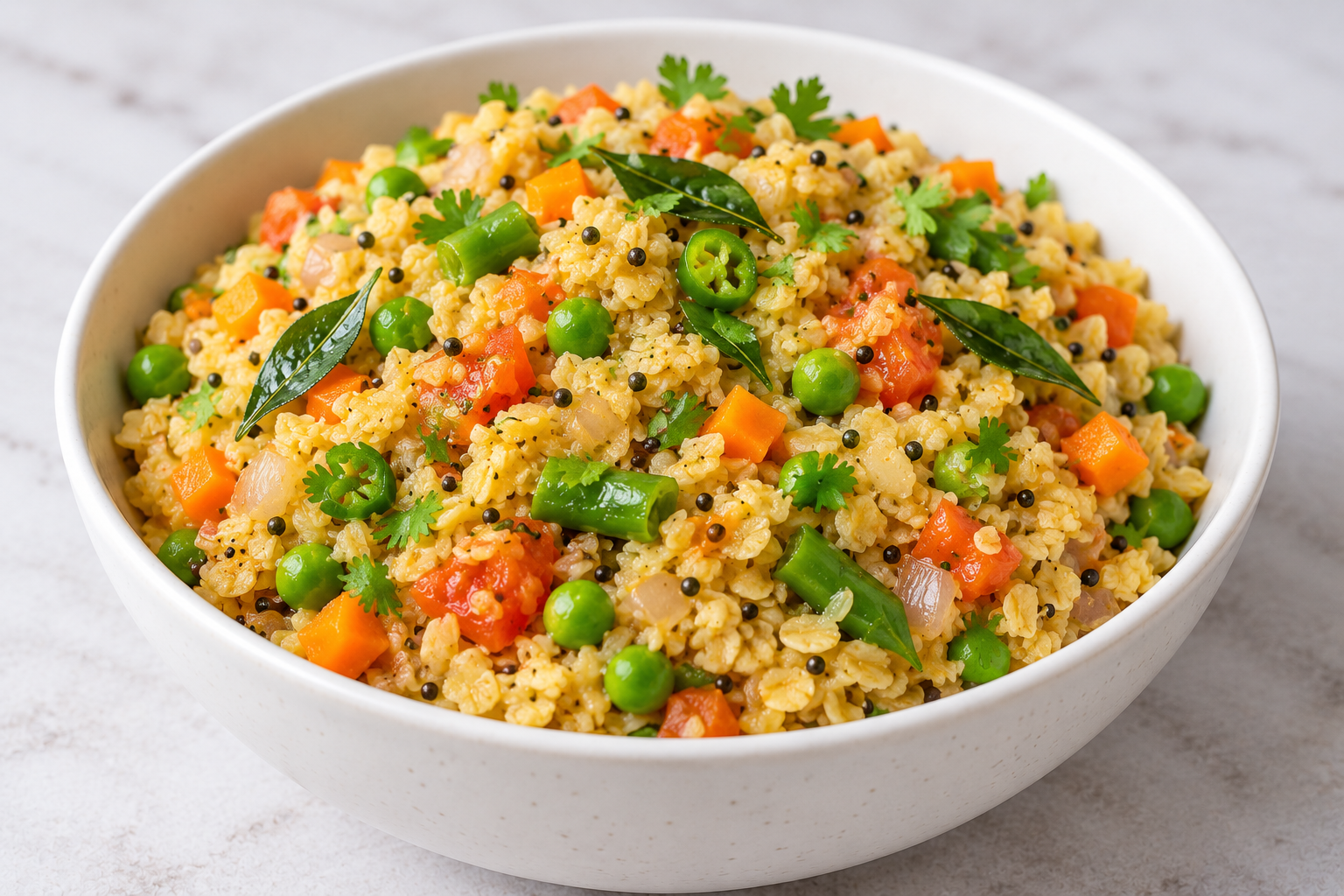
Morning: Ragi porridge or ragi dosa with a fruit rich in vitamin C.
Lunch: Rice or millet, dal, a leafy vegetable stir-fry with lemon, curd or salad.
Evening: Sprouted green gram salad or roasted peanuts with a few dates.
Dinner: Chapati or millet roti with vegetables and egg or fish or paneer as per your preference.
Non-vegetarians can add eggs, fish or chicken, and liver only if their doctor approves.
When to See Your Doctor
Talk to your doctor if you have persistent fatigue, breathlessness, a racing heartbeat, pale skin or dizziness.
A simple hemoglobin test can confirm anemia. Treatment and tablet dose should always be decided by your doctor.
The Takeaway
Iron deficiency in pregnancy is common, but it is also very manageable.
Take your tablets as advised, eat smartly, and avoid the habits that block absorption.
A healthy mother means a healthier start for her baby.

💬 Comments (0)
Be respectful. Website links and phone numbers are not allowed.