
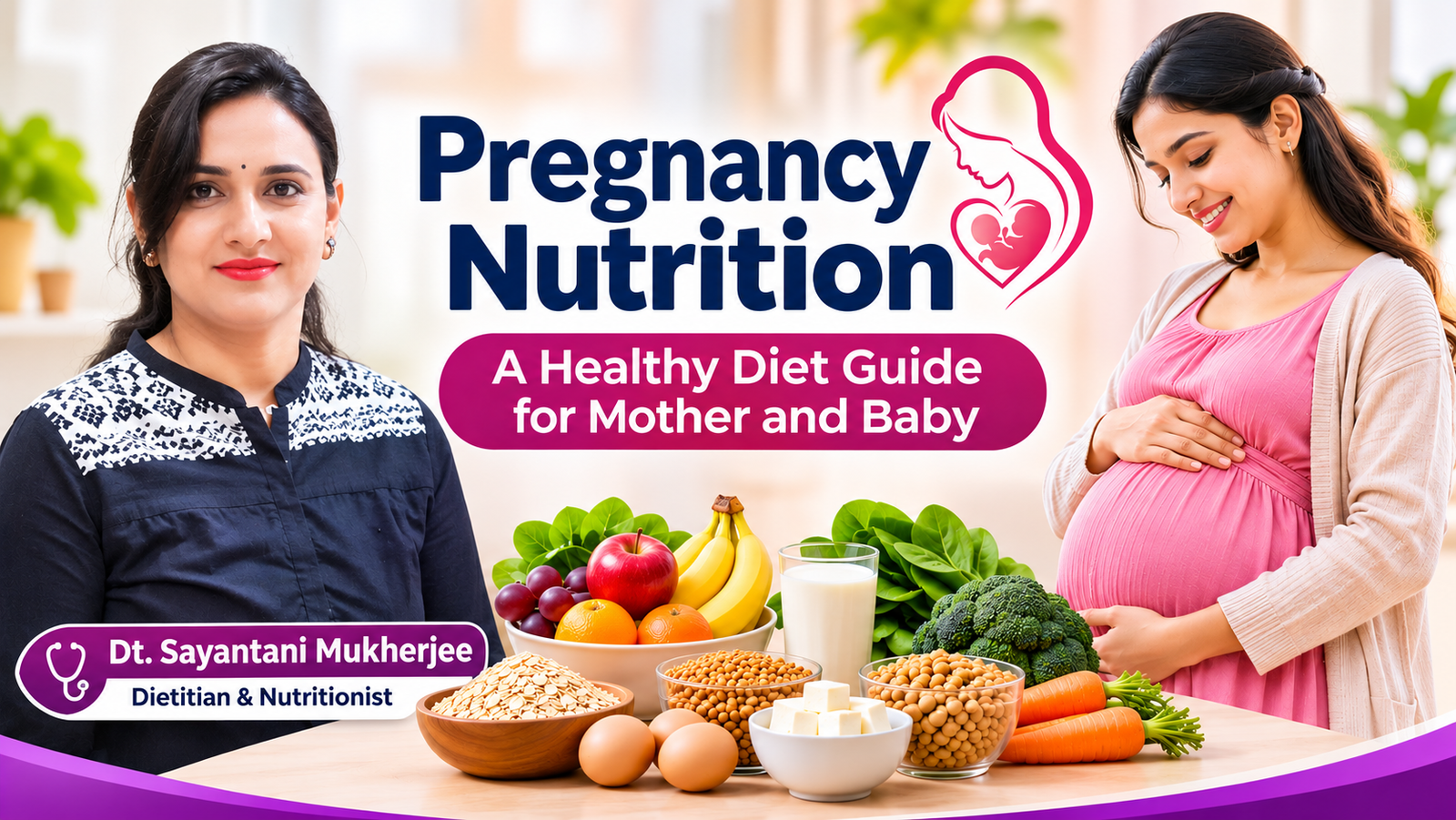
"If you are expecting, you must eat for two!" This is a common piece of advice that many pregnant women hear from elders and family members. However, pregnancy does not mean eating twice as much food. It means eating wisely to meet the increased nutritional needs of both the mother and her developing baby.
A well-balanced diet is important at every stage of life, but it becomes particularly important during pregnancy. The mother's nutritional intake supports fetal growth and development while helping maintain her own health.
Pregnancy is a period of significant physiological changes. Nutritional requirements for certain nutrients increase to support the development of the placenta, maternal tissues and the growing baby. Therefore, pregnant women should focus on a varied, balanced and nutrient-rich diet rather than simply increasing food quantities.
1. Nutritional Requirements During Pregnancy
During pregnancy, a woman's nutritional requirements change according to the stage of pregnancy, her pre-pregnancy nutritional status and individual health needs.
Some important nutrients required during pregnancy include:
Protein: Supports the growth and development of fetal tissues and maternal tissues.
Iron: Helps in the production of hemoglobin and supports the increased blood volume during pregnancy.
Folic acid: Essential for cell division and the development of the baby's neural tube.
Calcium: Supports the development of fetal bones and teeth and maintains maternal bone health.
Vitamin C: Supports collagen formation and improves the absorption of non-hem iron.
Vitamin A: Supports fetal growth, immune function and normal development. Excessive vitamin A from supplements or liver products should be avoided.
Zinc: Supports cell growth, immune function and tissue development.
Inadequate nutritional intake during pregnancy may increase the risk of maternal nutritional deficiencies, low birth weight and adverse pregnancy outcomes.
Appropriate gestational weight gain depends on the mother's pre-pregnancy BMI, health status and whether she is carrying one baby or multiple babies. It should be monitored individually with guidance from a healthcare professional.
2. Foods to Include During Pregnancy
A balanced pregnancy diet should include a variety of foods from different food groups.
| Food group | Suggested food choices |
|---|---|
| Milk and dairy products | Pasteurized milk, curd, yoghurt |
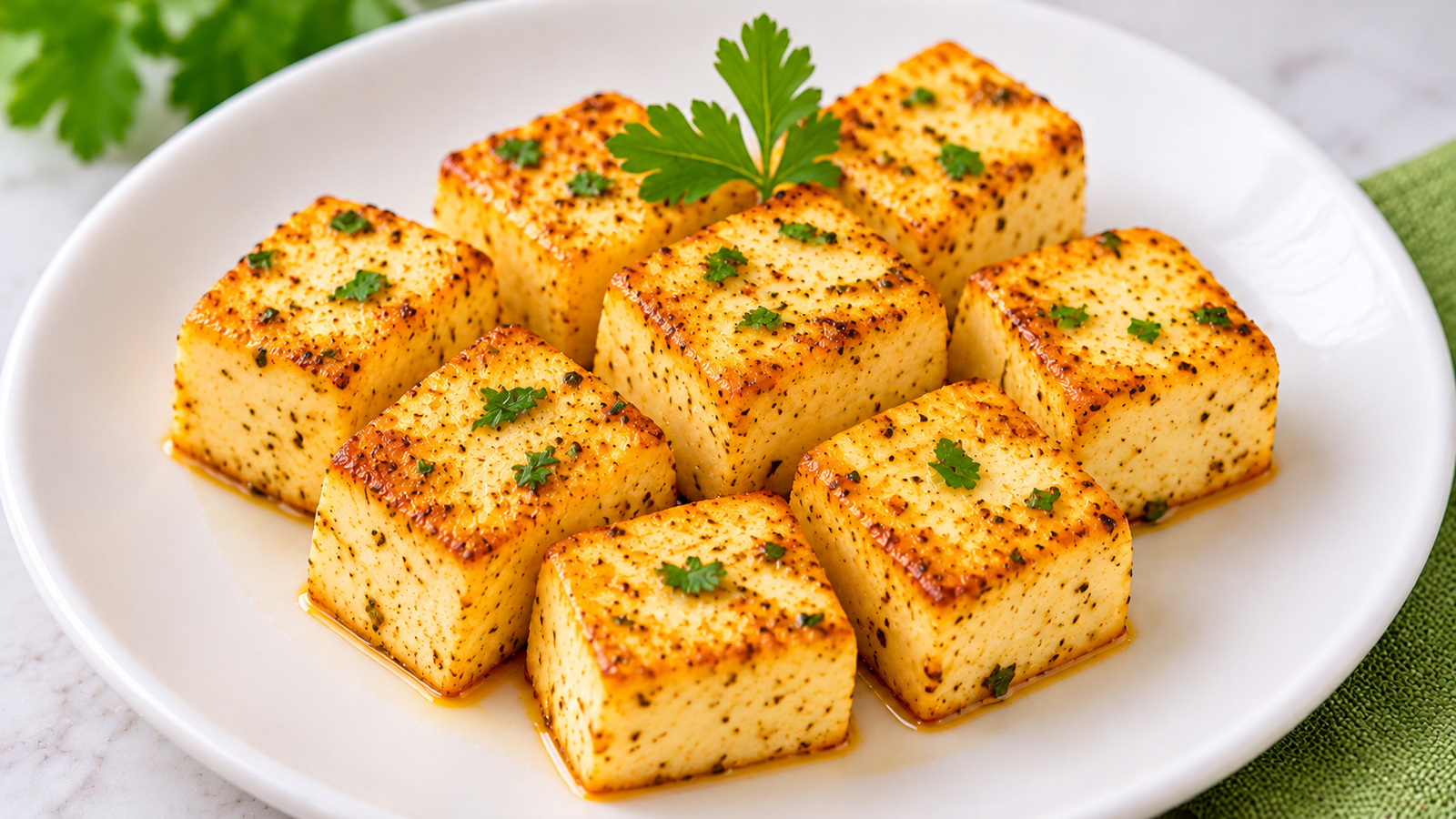
| Protein-rich foods | Paneer, pulses, soya, eggs, fish and lean chicken |
| Vegetables | Dark green leafy vegetables, yellow, red and orange vegetables |
| Fruits | Fresh seasonal fruits |
| Whole grains and cereals | Rice, poha, suji, wheat, oats and other whole grains |
| Pulses and legumes | Lentils, chickpeas, beans and peas |
| Healthy fats | Nuts, seeds and suitable vegetable oils |
| Fluids | Safe drinking water and other suitable fluids |
The quantity of each food group should be adjusted according to individual energy and nutrient requirements.
3. Common Nutritional Problems During Pregnancy
Pregnancy may be accompanied by several nutritional and digestive challenges. Understanding these conditions can help women manage their daily food intake more comfortably.
Anemia
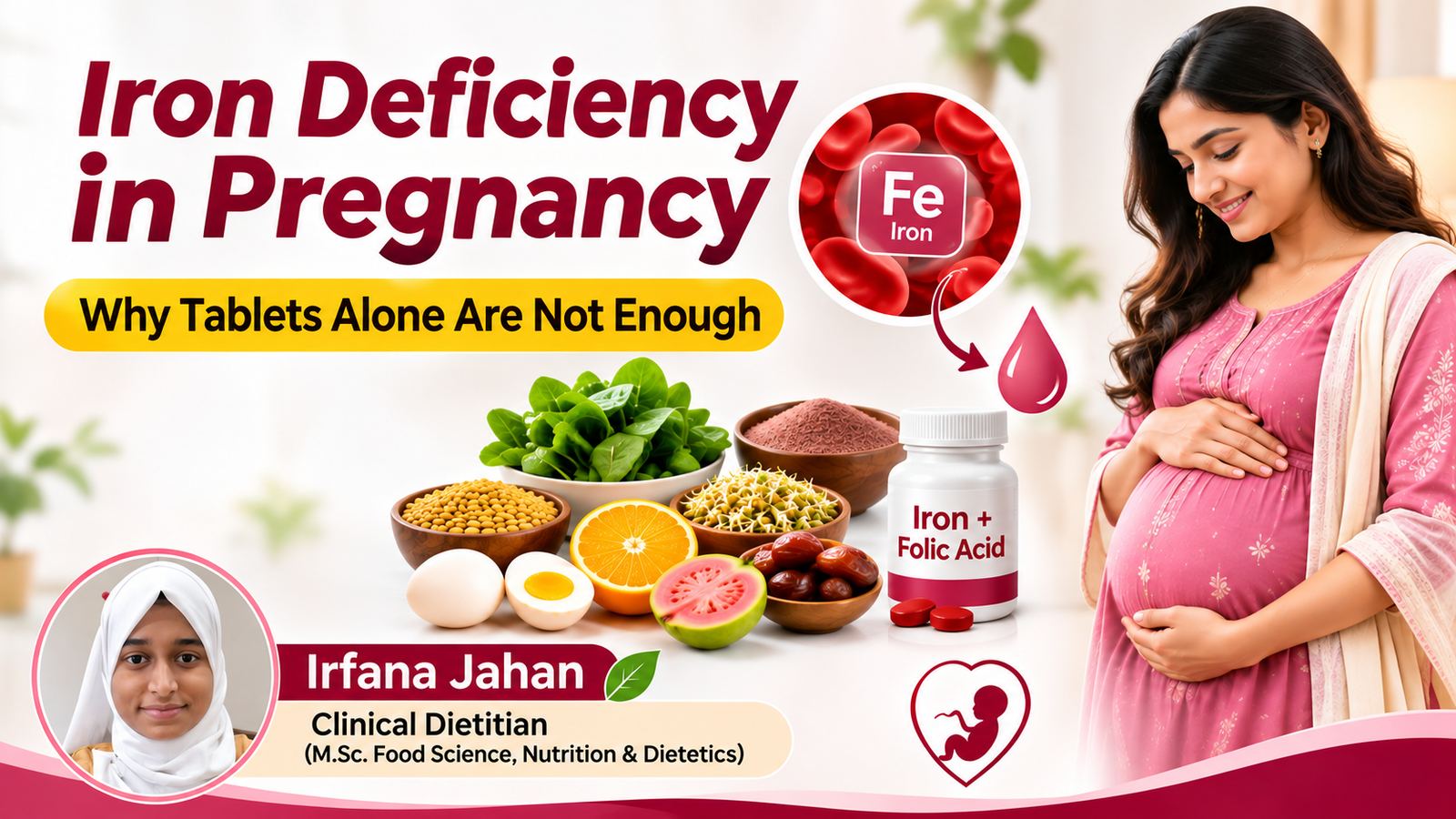
Iron deficiency anemia is common during pregnancy. Iron-rich foods such as green leafy vegetables, lentils, beans, eggs and appropriately cooked meat can help improve iron intake. Iron supplementation should be taken according to medical advice.
Constipation
Hormonal changes during pregnancy can slow intestinal movement and contribute to constipation. Fiber-rich foods such as whole grains, vegetables, fruits and dried fruits, along with adequate fluids, can help.
Oedema (Swelling)
Mild swelling of the feet and ankles can occur during pregnancy because of changes in circulation and pressure from the growing uterus. Sudden or severe swelling, particularly with headache or visual disturbances, requires urgent medical assessment.
Hypertension and Preeclampsia
High blood pressure during pregnancy requires medical monitoring and appropriate treatment. Preeclampsia is a serious pregnancy complication and cannot be managed through dietary changes or supplements alone. A balanced diet and appropriate medical care are important.
Gestational Diabetes Mellitus
Gestational diabetes develops when blood glucose levels become elevated during pregnancy. Individualized meal planning, appropriate physical activity and medical monitoring are important components of management.
4. Common Dietary Discomforts During Pregnancy
Some women experience digestive discomfort and changes in appetite during pregnancy.
Nausea and morning sickness: Small, frequent meals and avoiding an empty stomach may help.
Vomiting: Frequent vomiting or difficulty retaining fluids requires medical assessment.
Heartburn: Eating smaller meals, avoiding trigger foods and remaining upright after meals may provide relief.
Leg cramps: These may be associated with several factors. Persistent cramps should be discussed with a healthcare professional rather than assuming a single mineral deficiency.
5. Dietary Guidelines During Pregnancy
Following healthy eating practices can help meet nutritional requirements and improve comfort during pregnancy.
Eat small, frequent meals if nausea, vomiting or heartburn affects your appetite.
Include a wide variety of foods from different food groups.
Eat in moderation and adjust portions according to individual nutritional needs.
Avoid fasting or skipping meals unless specifically advised by your healthcare professional.
Include good-quality protein sources such as milk, eggs, pulses, fish, lean chicken and soya.
Include iron-rich foods such as green leafy vegetables, lentils, beans and appropriately cooked animal foods.
Combine plant-based iron sources with vitamin C-rich foods to improve iron absorption.
Include seasonal fruits and a variety of vegetables every day.
Include whole grains and fiber-rich foods to support digestive health.
Consume suitable amounts of nuts and seeds, such as almonds, walnuts, sesame seeds, flaxseeds and chia seeds.
Include green leafy vegetables and a variety of seasonal vegetables in regular meals.
Maintain adequate fluid intake, primarily through safe drinking water.
Limit excessive tea and coffee consumption, particularly around iron-rich meals.
Avoid excessive fried, fatty and heavily seasoned foods if they worsen nausea or heartburn.
Choose freshly prepared, hygienic and safely stored foods.
Avoid unpasteurized dairy products, raw or undercooked eggs, meat and seafood, and high-mercury fish.
Have dinner at a comfortable time and avoid lying down immediately after meals.
Do not follow restrictive diets or take supplements and herbal products without professional advice.
6. Important Nutrients and Their Food Sources During Pregnancy
| Nutrient | Important food sources |
|---|---|
| Protein | Pulses, milk, milk products, eggs, fish and lean chicken |
| Vitamin A | Spinach, fenugreek, amaranth, carrots, pumpkin, papaya and mango |
| Vitamin E | Flaxseeds, walnuts, sunflower seeds and suitable vegetable oils |
| Folic acid | Leafy green vegetables, beans, lentils, chickpeas, peas and citrus fruits |
| Iron | Green leafy vegetables, lentils, beans, sprouts, eggs and properly cooked meat |
| Zinc | Nuts, seeds, whole grains, dairy products and eggs |
| Calcium | Milk, curd, paneer, ragi, sesame seeds and suitable leafy vegetables |
| Vitamin C | Citrus fruits, guava, amla, tomatoes and capsicum |
| Omega-3 fatty acids | Low-mercury oily fish, walnuts, flaxseeds and chia seeds |
Important: Food sources are essential, but some nutrients, particularly folic acid and iron, may require supplementation during pregnancy. Supplementation should follow the advice of the treating healthcare professional.
Conclusion
Pregnancy is a crucial period when good nutrition plays an important role in supporting both maternal health and fetal development. Eating for two does not mean doubling food intake; it means making better nutritional choices and meeting the increased requirements of pregnancy.
A balanced diet containing adequate protein, iron, folic acid, calcium, vitamins, minerals, fiber and healthy fats can support a healthy pregnancy. Regular antenatal check-ups, appropriate supplementation, safe food practices and individualized nutritional guidance are equally important.
Ultimately, pregnancy nutrition is not about eating more but about eating better to support the health and well-being of both mother and baby.



💬 Comments (0)
Be respectful. Website links and phone numbers are not allowed.