
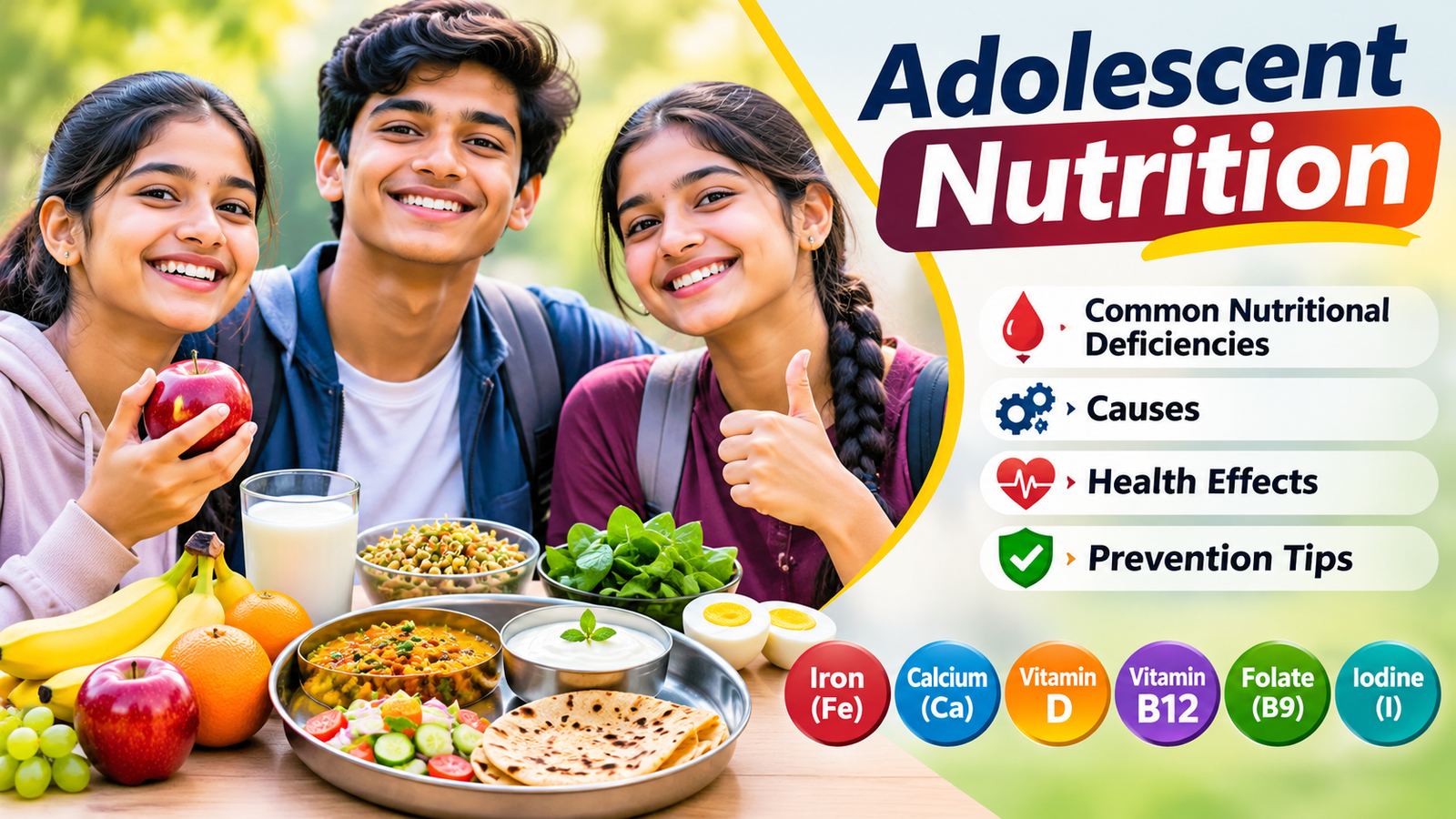
Nutrition is not limited to therapeutic diets or nutritional interventions provided in hospitals. It is an essential part of everyday life, involving the balanced intake of carbohydrates, proteins, fats, vitamins, minerals, antioxidants, dietary fiber and other nutrients required for the proper functioning of the human body. What we consume every day contributes to our growth, development, energy levels and overall well-being.
Nutrition becomes particularly important during adolescence, a phase characterized by significant physical, hormonal and psychological changes. As the body grows and develops, its energy and nutritional requirements change. Adolescents therefore need a varied and balanced diet that provides adequate nutrients in appropriate quantities to support their development.
However, adolescence is also a period of evolving food preferences and eating habits. Much like a journey with several unexpected stops, teenagers experience changing cravings and preferences. Some may gravitate towards sweet foods, while others prefer spicy, salty or crunchy options. Different flavors, textures and food combinations become part of their everyday choices.
In today's generation, eating from street-food stalls and consuming fast food and other highly processed snacks have also become common among adolescents. Exploring different cuisines and flavors can be an enjoyable part of growing up. However, when these foods frequently replace balanced and nutritious meals, they may contribute to poor dietary quality and inadequate nutrient intake.
This raises an important question: Are adolescents receiving the nutrition their growing bodies actually require? To understand this, we need to look beyond food preferences and explore the nutritional deficiencies commonly experienced during adolescence, their underlying causes, their effects on health and the preventive measures that can help address them.
It is important to understand that adolescent nutrition should not be viewed through a gender-specific lens. Discussions surrounding nutritional deficiencies often concentrate heavily on menstruation and iron deficiency, particularly in adolescent girls. Although these are important health concerns, adolescent nutrition extends far beyond them. It encompasses the nutritional needs, physical development and overall well-being of every growing individual.
Understanding Nutritional Deficiencies and Their Effects
Nutritional deficiencies occur when the body does not receive or adequately absorb the nutrients it requires to function properly. They may develop due to insufficient dietary intake, poor dietary variety, increased nutritional requirements or certain medical conditions that interfere with nutrient absorption.
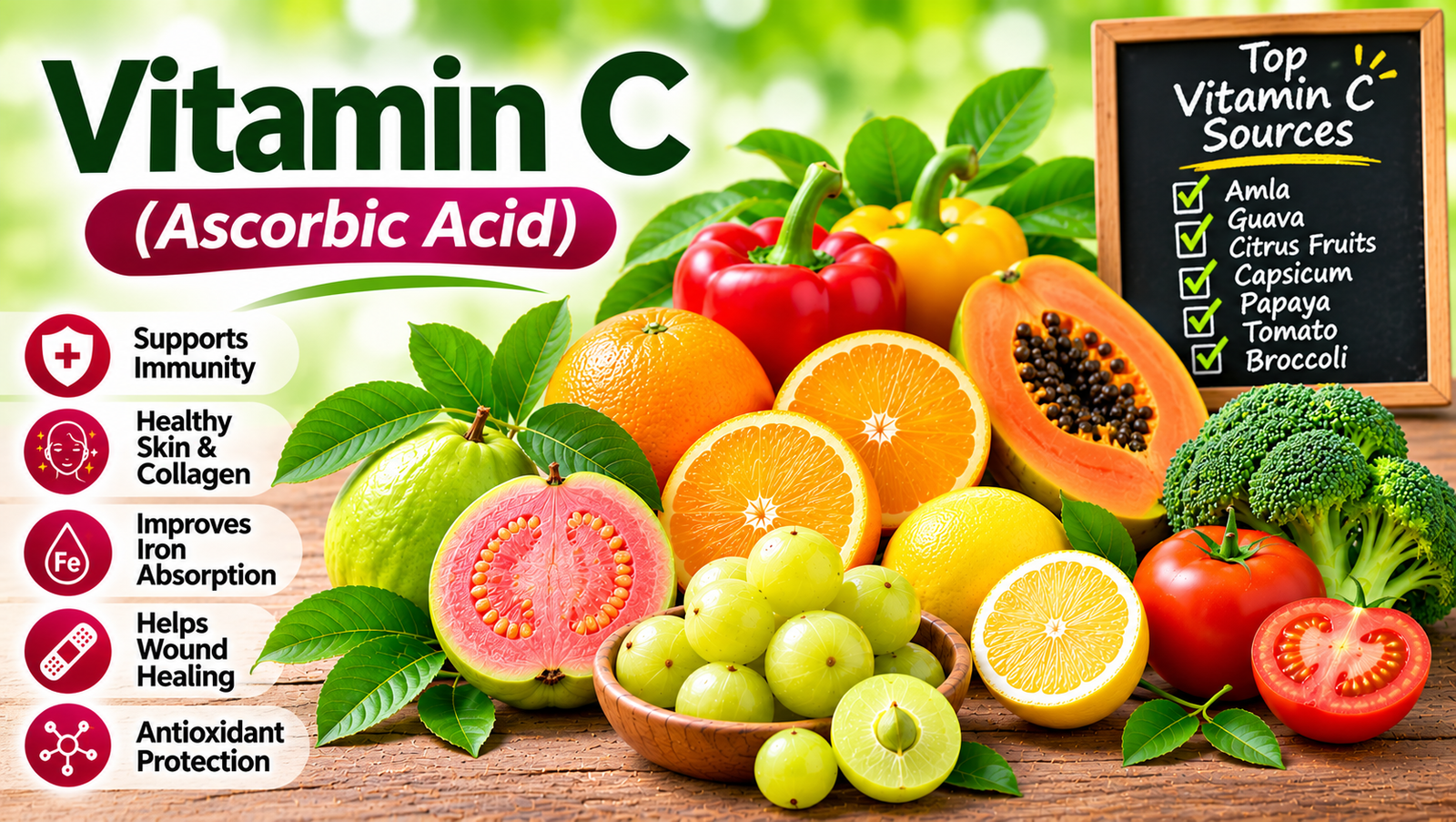
Some important nutrients deserve particular attention during adolescence.
Iron is essential for the production of hemoglobin, the protein in red blood cells responsible for carrying oxygen throughout the body. Iron deficiency can lead to anemia, which may contribute to fatigue, weakness and difficulties with concentration. Adolescents who menstruate may have increased iron requirements because of blood loss
.
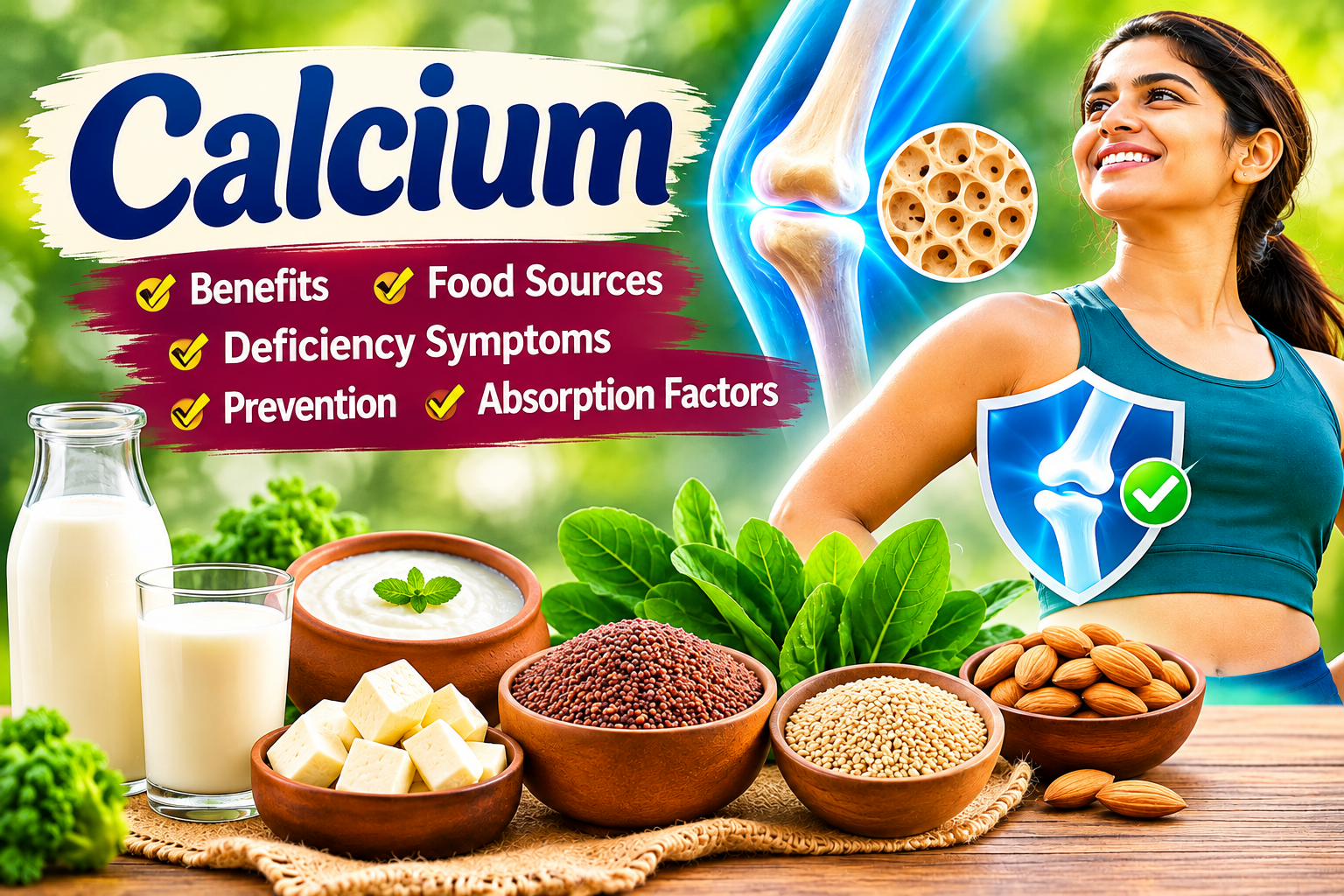
Calcium and vitamin D are important for bone development and maintenance. During adolescence, the body undergoes significant skeletal growth, making adequate intake of these nutrients particularly important. Insufficient intake over time can compromise bone health.
Iodine is required for the production of thyroid hormones, which regulate growth and metabolism. Inadequate iodine intake can interfere with normal thyroid function.
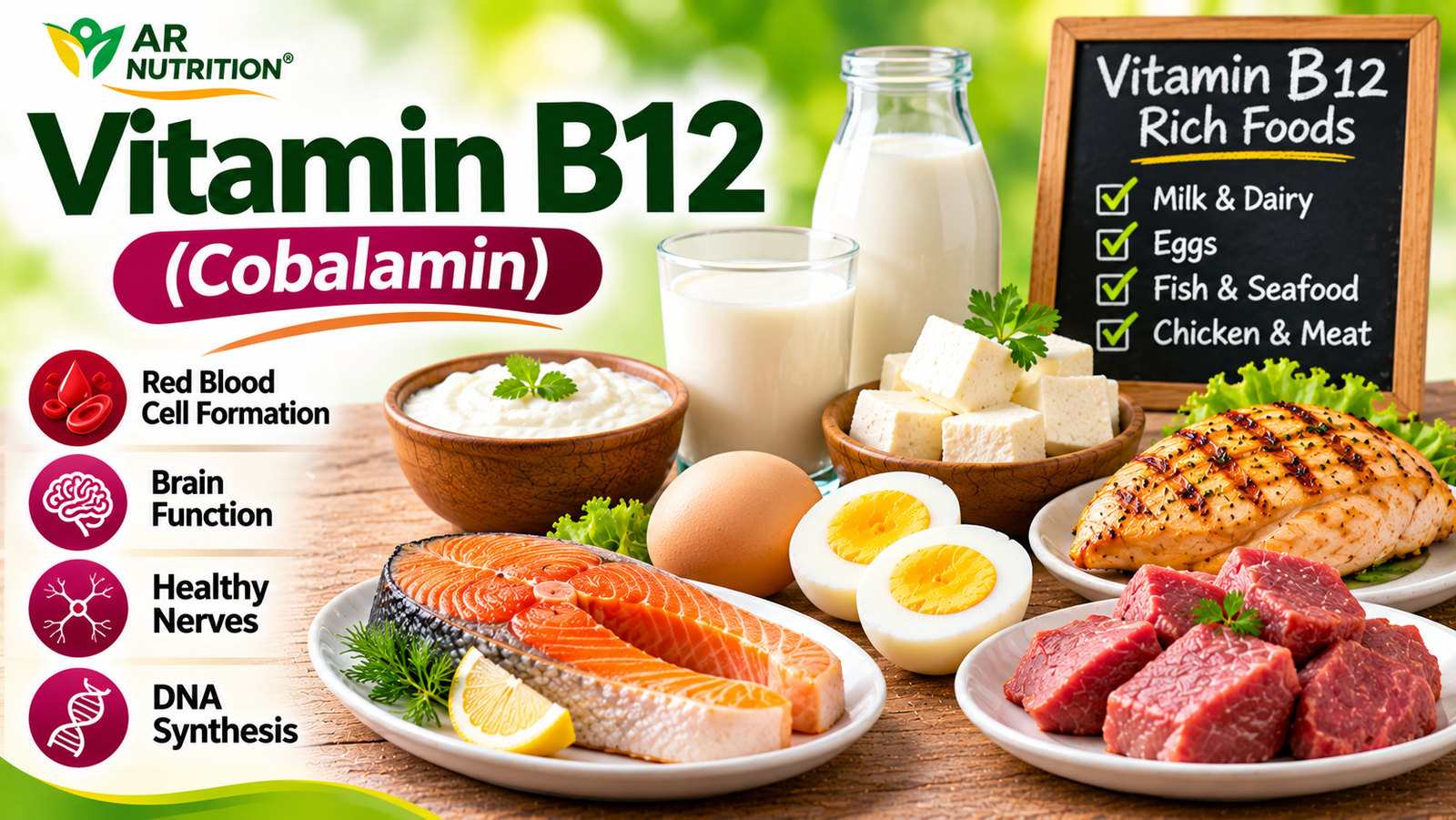
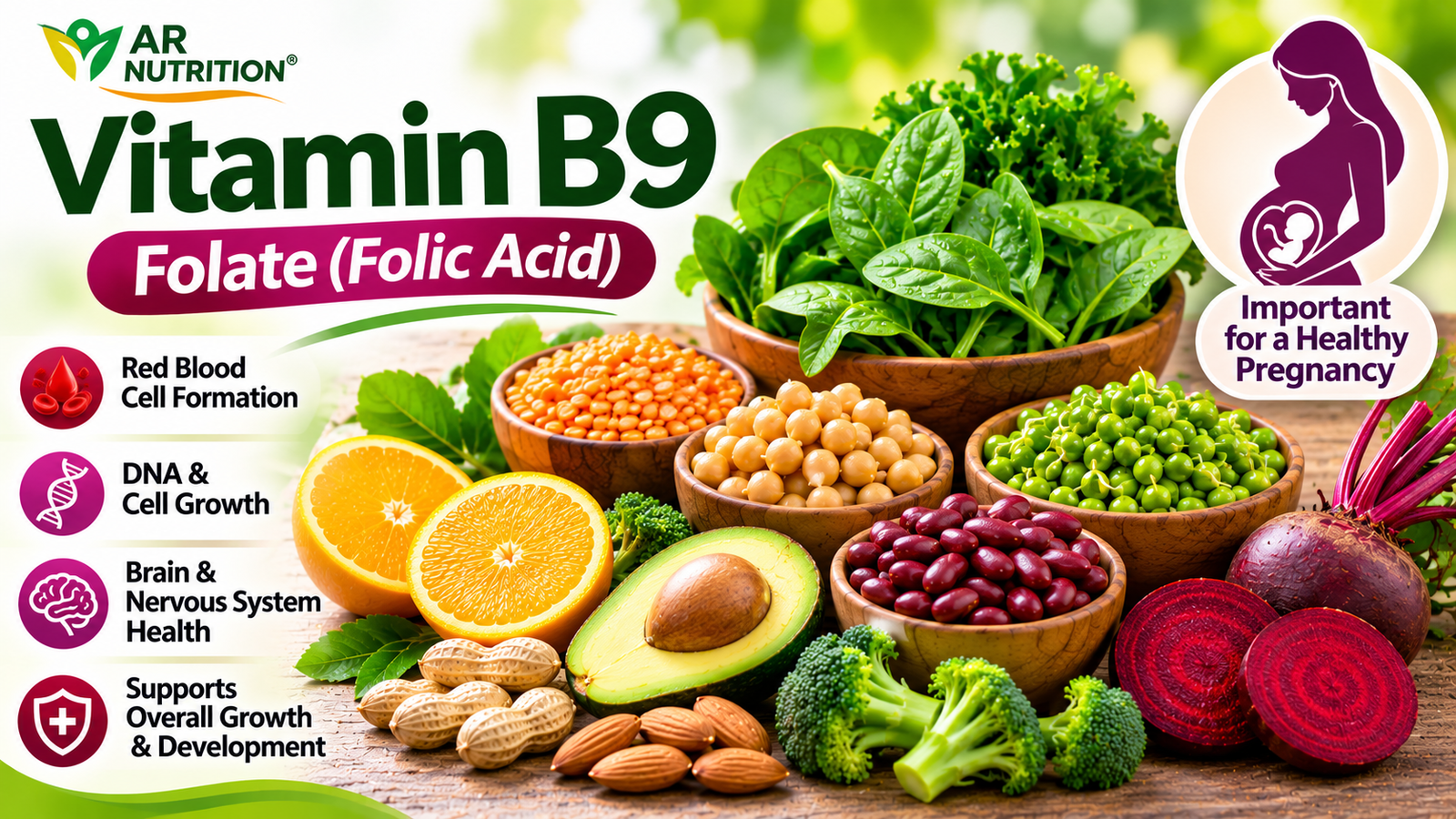
Vitamin B12 and folate are also important because they contribute to normal red blood cell formation and other essential bodily functions. Inadequate intake can contribute to certain types of anemia.
These examples highlight why a balanced diet is essential. Nutritional deficiencies do not always produce immediate or easily recognizable symptoms, and their effects can vary depending on the nutrient involved and the severity of the deficiency.
Nutrition is not simply about identifying deficiencies or finding ways to correct them. It is equally important to understand how everyday dietary habits influence an adolescent's overall lifestyle. For instance, when comparing two adolescents with considerably different dietary patterns, differences may emerge in their energy levels, physical activity, concentration, academic performance and ability to carry out everyday activities. An adequate and balanced diet supports the body and brain during this crucial developmental phase, whereas consistently poor dietary habits may affect overall health and functioning.
One of the important aspects of adolescent nutrition is understanding the common dietary misconceptions that influence everyday food choices. Many individuals tend to associate certain foods with good health without considering their nutritional composition or the importance of moderation.
For instance, in Indian households, ghee is traditionally considered a symbol of nourishment and good health. While ghee can be included in a balanced diet, excessive consumption should not automatically be considered beneficial. Ghee contains a considerable proportion of saturated fat, and consuming excessive amounts of saturated fat over time can raise LDL cholesterol levels and increase cardiovascular risk. It is therefore important to understand the difference between including dietary fats as part of a balanced diet and consuming excessive amounts without considering overall nutritional requirements.
Another common misconception is that all body fat is unhealthy. Body fat serves important physiological functions, including energy storage, insulation and hormone related processes. However, excessive accumulation of visceral fat, which is stored around the abdominal organs, is associated with an increased risk of metabolic disorders. Understanding these distinctions helps adolescents develop a healthier relationship with food and appreciate the importance of nutritional balance rather than following misconceptions or restrictive eating practices.
Factors Contributing to Nutritional Deficiencies
It is important to understand that not every adolescent experiencing fatigue, hair fall or reduced physical activity is necessarily suffering from a nutritional deficiency. Although inadequate nutrient intake can contribute to these concerns, irregular routines, inadequate sleep, stress and other underlying health conditions may also play a role. Therefore, identifying the actual cause is essential before assuming a deficiency or turning towards supplements.
One of the common contributing factors is irregular eating behavior. Skipping meals, frequently replacing proper meals with snacks and following inconsistent eating schedules can make it difficult to meet daily nutritional requirements. Similarly, a lack of dietary diversity can result in inadequate nutrient intake. Consuming the same limited variety of foods every day may leave certain nutritional requirements unmet. For instance, rice is not inherently unhealthy, but depending exclusively on a limited range of foods without incorporating other food groups can affect dietary balance.
Another growing concern is the excessive consumption of packaged snacks, fast food and sugar-sweetened beverages. Carbonated soft drinks have become a frequent accompaniment to meals among many teenagers. However, regularly replacing water or nutritious beverages with sugary drinks can increase added sugar consumption without providing significant nutritional benefits.
Lack of awareness about nutritional requirements is another contributing factor. We live in an age where information is readily available at the click of a button. However, the easy availability of information does not necessarily guarantee its accuracy. Social media platforms, particularly Instagram, expose adolescents to countless videos discussing diets, nutritional supplements, protein powders and health-related trends. Unfortunately, misinformation can spread just as easily as scientifically supported information.
Many adolescents may begin consuming supplements after watching short videos or following recommendations from social media influencers without understanding their actual nutritional requirements. Such decisions can be inappropriate and, in certain circumstances, harmful. Nutritional supplements should not be treated as universal solutions or substitutes for a balanced diet and proper medical assessment.
Additionally, certain medical conditions can interfere with nutrient absorption, even when dietary intake appears adequate. Inadequate consumption of fruits, vegetables, whole grains and protein-rich foods can further contribute to nutritional gaps. These factors highlight why adolescent nutrition requires not only dietary awareness but also reliable health education and informed decision-making.
Prevention Through Awareness and Education
It is often said that prevention is better than cure, and this principle holds particular importance when it comes to adolescent nutrition. Educating teenagers about healthy eating habits at an early age can help them make informed food choices and develop a better understanding of their nutritional requirements.
Educating teenagers about taking responsibility for their everyday food choices has become increasingly important. Understanding a balanced diet does not mean giving up one's favorite foods. It is about learning to maintain balance, make mindful choices and enjoy favorite foods in quantities that support overall well-being.
Nutritional education should not simply involve asking adolescents to abandon their favorite foods or follow rigid dietary restrictions. Instead, it should focus on helping them discover balanced meals that suit their individual tastes and preferences. Modifying everyday food choices, introducing healthier alternatives and encouraging dietary variety can make nutritious eating more practical, enjoyable and sustainable.
Learning to question health claims on social media is another important aspect of nutritional awareness. Not everything we see online is accurate, but it would also be incorrect to assume that everything shared is misinformation. When teenagers come across information that seems relevant to their lifestyle or health, they should take the time to explore it further. This may involve consulting a qualified healthcare professional or referring to reliable sources rather than relying on a single video or social media post.
Developing sustainable eating habits is equally important. It is common for people to feel motivated on a random Monday or Tuesday and decide to transform their eating habits and lifestyle within a week. However, sudden and unrealistic changes are rarely sustainable. Instead of following temporary diet trends, teenagers should focus on gradual, balanced habits that they can maintain over time.
Finally, encouraging parents and schools to make nutritional education more accessible is essential. Education should not be limited to textbooks and examinations. Schools also have a responsibility to provide practical knowledge that prepares students for everyday life. Understanding nutrition is one such form of education that can help adolescents make informed decisions, develop healthier habits and carry that awareness into adulthood.
Conclusion
Adolescent nutrition is not merely about preventing deficiencies; it is about establishing a foundation for lifelong health. The food choices teenagers make today can influence their physical development, cognitive functioning and overall well-being.
Rather than promoting restrictive diets or creating unnecessary fear around certain foods, nutritional education should encourage awareness, moderation and dietary diversity. By making accurate nutritional information accessible and teaching adolescents to question misleading health claims, families and educational institutions can contribute towards a healthier generation.
Ultimately, the goal should not be to make teenagers afraid of what they eat, but to help them understand what their bodies need and why making informed food choices matters.





💬 Comments (0)
Be respectful. Website links and phone numbers are not allowed.