
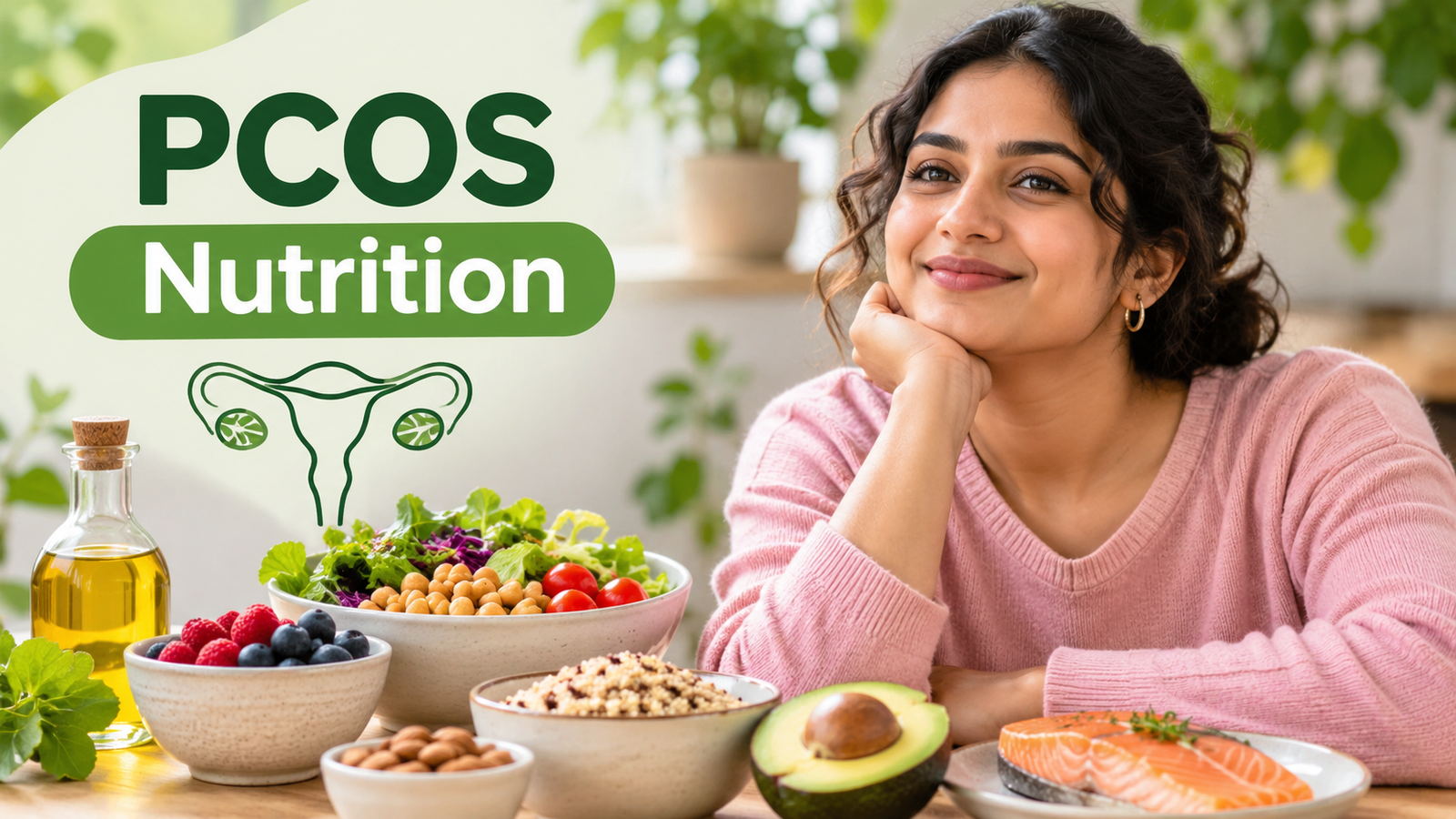
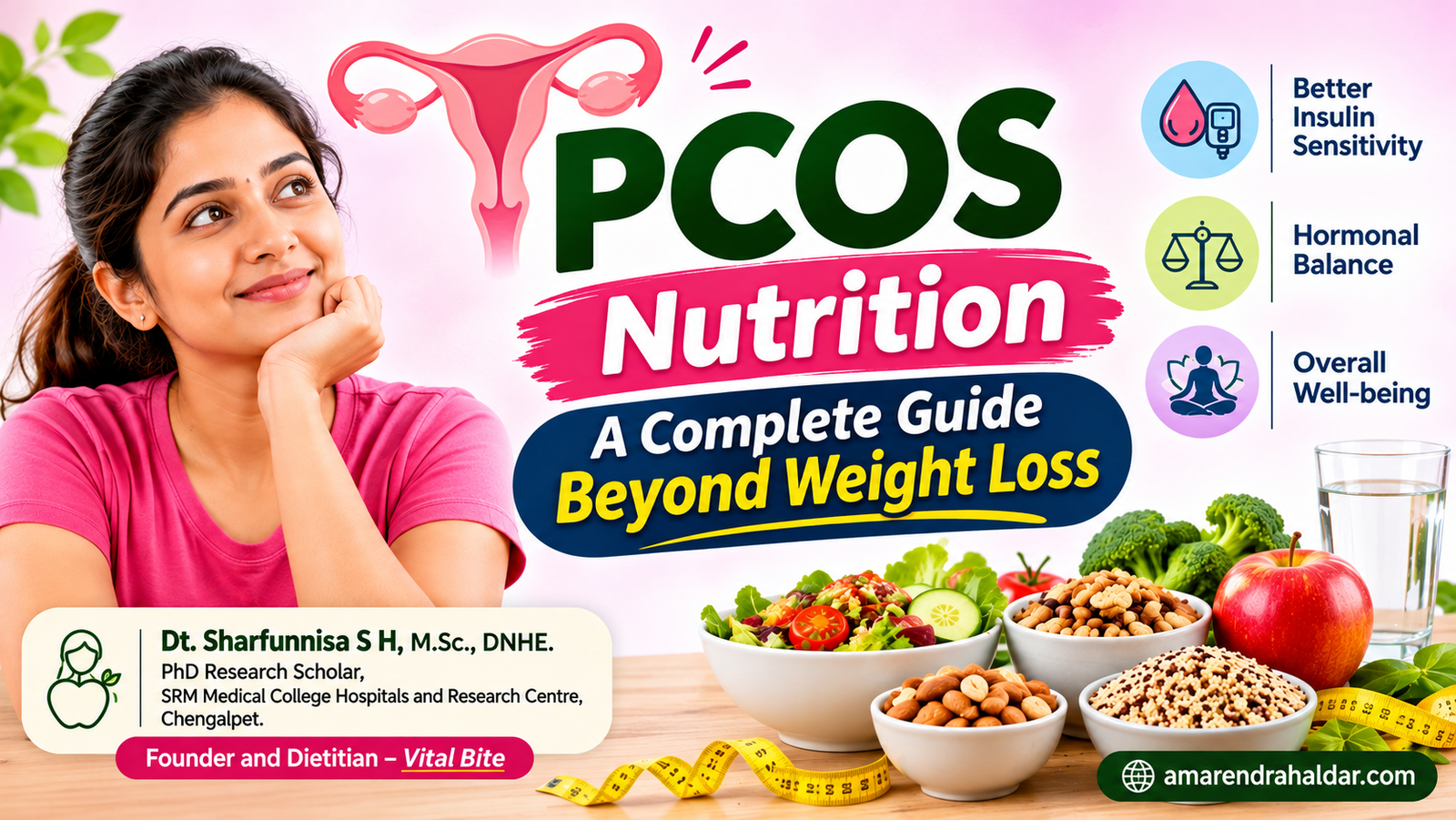
Polycystic ovary syndrome (PCOS) is a common hormonal disorder of the reproductive years in which higher-than-normal androgen levels disrupt the body’s hormonal balance (World Health Organization [WHO], 2026). The result can include irregular or absent periods, abnormal ovulation, excess facial or body hair, acne, and difficulty conceiving (WHO, 2026). On ultrasound, the ovaries may contain many small follicles, but cysts are not required for a diagnosis (Cleveland Clinic, 2023; WHO, 2026).
PCOS affects an estimated 10-13% of women of reproductive age worldwide, and up to 70% of affected women may not know they have it (WHO, 2026). It is the most common cause of anovulation and a leading cause of infertility (WHO, 2026). It is often detected only when a woman struggles to conceive (Cleveland Clinic, 2023; WHO, 2026).
The exact cause is unknown, but genetics play a role, and a family history of PCOS or type 2 diabetes raises risk (Cleveland Clinic, 2023; WHO, 2026). Insulin resistance and chronic low-grade inflammation are also linked to the condition (Cleveland Clinic, 2023). Diagnosis requires at least two of three features, once other causes are excluded: signs of high androgens (clinical or by blood test), irregular or absent periods, and polycystic ovaries on ultrasound (Cleveland Clinic, 2023; WHO, 2026).
PCOS is also a chronic metabolic condition with no cure, and it carries a higher long-term risk of insulin resistance, type 2 diabetes, and obesity (WHO, 2026). This metabolic dimension is why diet and lifestyle are central to its management (WHO, 2026).
PCOS Is Now PMOS: What the New Name Tells Us
Very recently, polycystic ovary syndrome (PCOS) was officially renamed polyendocrine metabolic ovarian syndrome (PMOS), following a global consensus process published in The Lancet on May 12, 2026 (Teede et al., 2026; Hemenway, 2026). The change was made because the old name centered on the ovaries. That focus pushed many people to approach the condition mainly as a fertility problem, when it affects far more than the ovaries. The American Society for Reproductive Medicine (ASRM) noted that reducing the condition to a misunderstanding about “cysts” and ovaries contributed to missed diagnoses and inadequate treatment (ASRM, 2026, as cited in Hemenway, 2026).
The new name reflects the full picture. “Ovarian” stays in the name because the ovaries are still affected, but “polyendocrine” and “metabolic” now show that the endocrine system and metabolism are involved too (Hemenway, 2026). The metabolic side is the part this article will focus on, and it is where nutrition comes in. Insulin resistance, for example, affects about 85% of people with PMOS, including about 75% of lean women (Teede et al., 2026, as cited in Hemenway, 2026). It also raises the risk of impaired glucose tolerance, type 2 diabetes, dyslipidemia, hypertension, and cardiovascular disease (Hemenway, 2026).
Because the metabolic side is so central, managing PMOS effectively cannot stop at the ovaries. Alongside other lifestyle changes, what a person eats is one of the most important tools in their care, and the international guideline already supports individualized treatment that includes lifestyle intervention (Teede et al., 2023, as cited in Hemenway, 2026).
The Metabolic Side of PMOS
PMOS affects far more than the ovaries. It is also a metabolic condition, meaning it disrupts how the body handles sugar, fat, and energy. About 43% of adult women with PMOS, and nearly one in three teenagers with it, have metabolic syndrome, a cluster of problems that includes insulin resistance, excess weight, abnormal blood fats, and high androgens (Chen & Pang, 2021). Each problem is explained below.
Insulin resistance.
Insulin is the hormone that moves sugar from the blood into the body's cells for energy. In insulin resistance, the cells respond poorly to it, so the body makes more insulin to compensate. Insulin resistance affects roughly 50% to 80% of women with PMOS (Chen & Pang, 2021).
Weight gain makes insulin sensitivity worse, and fat stored in places it doesn't belong, such as muscle, can damage the cell's energy-producing machinery (mitochondria) and deepen the resistance (Szczuko et al., 2021). Insulin also acts together with luteinizing hormone (LH) to push the ovaries to make more androgens. At the same time, it lowers the liver's production of sex hormone binding globulin (SHBG), a protein that holds testosterone in an inactive form. The result is more testosterone circulating in its active, unbound form (Szczuko et al., 2021). Ethnicity may also matter, one study found Mexican American women with PMOS had significantly higher insulin resistance than white American women (Szczuko et al., 2021).
Excess weight, especially around the belly
Belly fat is common in PMOS, though how common it is varies by region and ethnic background (Chen & Pang, 2021). Fat tissue is active. It releases chemical signals that can worsen insulin resistance and even interfere with how the ovaries' egg sacs develop (Chen & Pang, 2021). Fat cells release hormones such as leptin and resistin, along with inflammatory molecules such as TNF-alpha. Leptin can also disturb the brain signals that control the ovaries, which may lead to extra androgen production (Szczuko et al., 2021).
High androgens (hyperandrogenism)
Androgens are often called "male hormones," and women with PMOS have higher levels than normal. The extra insulin from insulin resistance pushes the ovaries to make more androgens. High androgens, in turn, encourage fat to build up around the belly and worsen insulin resistance (Chen & Pang, 2021). This creates a cycle in which each problem feeds the others. In fat tissue, an enzyme called AKR1C3 may help drive this cycle by activating androgens inside fat cells, which promotes more fat storage and more insulin (Szczuko et al., 2021). Long-term androgen exposure also increases oxidative stress in the insulin-producing cells of the pancreas (Szczuko et al., 2021).
Unhealthy blood fats (dyslipidemia)
About 70% of women with PMOS have abnormal blood fats. This usually means higher bad cholesterol (LDL) and triglycerides and lower good cholesterol (HDL) (Chen & Pang, 2021). This is not only a problem for women with excess weight. Women of normal weight with PMOS appear to have even higher rates of high triglycerides and low HDL (Chen & Pang, 2021).
Fatty liver.
Non-alcoholic fatty liver disease, where fat builds up in the liver in people who drink little or no alcohol, is common in women with PMOS. Insulin resistance, high androgens, and abnormal blood fats are all thought to contribute, and the exact cause is still being worked out (Chen & Pang, 2021).
Heart and blood vessel disease.
Over time, the problems above can raise the risk of high blood pressure, narrowed arteries, and coronary heart disease. Tests show early signs of blood vessel changes in women with PMOS. However, it is still unclear whether this leads to more actual heart disease later in life, because larger, longer studies are needed (Chen & Pang, 2021). One suspected mechanism is oxidative stress: overactive NADPH oxidase, an enzyme that produces reactive oxygen molecules, has been linked to damage to the blood vessel lining, hardening of the arteries, and high blood pressure, all of which are seen in women with PMOS (Szczuko et al., 2021).
The gut and its chemicals
Researchers have found that women with PMOS tend to have an imbalance in their gut bacteria. These bacteria break down food into chemicals called metabolites, which affect how the body uses energy (Chen & Pang, 2021). Among the best studied are short-chain fatty acids (SCFAs), such as acetate and butyrate, which are made when gut bacteria ferment fiber. SCFAs influence blood sugar and appetite through gut hormones including GLP-1 and PYY (Szczuko et al., 2021). Beneficial bacteria such as Bifidobacterial have been linked to better insulin secretion and glucose tolerance and to less inflammation (Szczuko et al., 2021). Much of this evidence comes from animal studies, so it points to a likely link rather than proof in women with PMOS.
Chronic inflammation and oxidative stress
Many of the problems above are tied together by low-grade, long-lasting inflammation. Excess fat tissue releases inflammatory signals, and high androgens add to the effect (Szczuko et al., 2021). Eating saturated fat raises reactive oxygen molecules and TNF-alpha in women with PMOS, even when they are not overweight. A diet rich in simple sugars can also add to oxidative stress, partly through changes in gut bacteria (Szczuko et al., 2021). This inflammation is thought to be a key driver of both insulin resistance and high androgens. It may also help explain why women with PMOS have a higher risk of endometrial and ovarian cancer (Szczuko et al., 2021).
Nutrition for PCOS
No single diet has been proven best. Johns Hopkins Medicine (2026) states there is no evidence favoring one dietary pattern over another for managing the condition, and Di Lorenzo et al. (2023) reach the same conclusion, noting that the right strategy depends on each patient's health state and preferences. Dietitians most often recommend the Mediterranean and DASH patterns because they include a wide range of foods and are easier to maintain long term than a temporary fix (Johns Hopkins Medicine, 2026). Brown University Health (2023) also points to good evidence for whole, plant-based eating of this kind.
The Mediterranean Diet
Di Lorenzo et al. (2023) describe the Mediterranean diet as a gold standard in preventive medicine because of its anti-inflammatory and antioxidant properties, and as one of the best non-drug strategies for PCOS given the links between PCOS, obesity, low-grade inflammation and insulin resistance. Findings they report include:
Women with PCOS in one study ate less fiber, monounsaturated fat and omega-3 fat, and more simple carbohydrates and saturated fat, than matched controls; closer Mediterranean adherence was linked to lower disease severity (Barrea et al., 2019, as cited in Di Lorenzo et al., 2023).
In a 12-week trial of 72 overweight women, a Mediterranean diet combined with lower carbohydrate intake improved menstrual cycle restoration, body measurements, hormone levels, insulin resistance and blood lipids compared with a low-fat diet (Mei et al., 2022, as cited in Di Lorenzo et al., 2023).
Low Glycemic Index (GI) Eating
Szczuko et al. (2021) report that, compared with high-GI diets, low-GI diets lowered insulin resistance (HOMA-IR), fasting insulin, LDL and total cholesterol, triglycerides, waist circumference and total testosterone. A meta-analysis they cite found low-GI eating to be an effective, acceptable and safe way to relieve insulin resistance, and they recommend that professional dietary advice be offered to all women with PCOS. They also note that the share of energy from fat, protein and carbohydrate made little difference on its own; reducing total calories, particularly alongside a low-GI approach, was the more important factor.
The Ketogenic Diet
Some short-term studies are encouraging. In a 12-week study, Paoli et al. (as cited in Szczuko et al., 2021) reported lower body weight, BMI, glucose, insulin, triglycerides and LDL, a lower LH/FSH ratio and lower testosterone. Di Lorenzo et al. (2023) describe similar results from a small group of 14 women and from other trials. However, both reviews urge caution:
Studies are small and short, and PCOS requires long-term management (Di Lorenzo et al., 2023).
Long-term adherence is a limiting factor because of the heavy restrictions needed to maintain ketosis (Di Lorenzo et al., 2023).
Animal experiments suggest prolonged ketogenic eating may affect metabolic status and promote fatty liver and glucose intolerance (Di Lorenzo et al., 2023).
Johns Hopkins Medicine (2026) goes further, advising against eliminating carbohydrates and instead choosing fiber-rich carbohydrates, since cutting whole food groups is hard to sustain and can cause nutrient deficiencies.
Intermittent Fasting and Meal Timing
Johns Hopkins Medicine (2026) cautions that intermittent fasting may not be ideal for PCOS: some people overeat during eating windows, and in others fasting may raise cortisol and cause blood sugar dips that feel destabilizing. The same source suggests that smaller, more frequent meals with a protein source may help keep blood sugar steady, and that eating more calories earlier in the day may reduce insulin resistance, although more research is needed in PCOS specifically.
Foods to Emphasize
The sources agree closely on what to add (Brown University Health, 2023; Johns Hopkins Medicine, 2026):
Whole grains: oatmeal, brown rice, quinoa, barley, farro
Non-starchy vegetables: broccoli, green beans, eggplant, peppers, cauliflower, mushrooms
Leafy greens: spinach, kale, collards
Legumes: black beans, kidney beans, chickpeas, lentils, often in place of meat a couple of times per week
Fish and shellfish, including fatty fish such as salmon
Nuts, seeds, olive oil and avocado
Whole fruit, especially berries, whose fiber slows sugar absorption
Water and low- or no-sugar drinks, such as unsweetened tea or coffee
Fiber matters beyond blood sugar. Fermentable fiber supports gut bacteria that produce short-chain fatty acids, which influence glucose control and appetite hormones (Szczuko et al., 2021). Di Lorenzo et al. (2023) add that women with PCOS tend to have less diverse gut microbiomes and that probiotics, prebiotics and symbiotic have improved some metabolic and hormonal markers, though more research is needed on doses and duration.
Foods to Limit
Brown University Health (2023) and Johns Hopkins Medicine (2026) list similar foods to cut back on:
Foods made with white or refined flour (white bread, pasta, pizza crust, crackers)
Sugary drinks (soda, juice, sweet tea, energy drinks)
Processed snacks and sweets (cookies, cakes, candy)
Sugary or instant cereals and granola
Fried foods
White rice
Red and processed meats (hamburger, sausage, hot dogs, luncheon meat)
Saturated fats such as butter and margarine, and alcohol (Johns Hopkins Medicine, 2026)
The rationale is partly inflammation. Szczuko et al. (2021) report that saturated fat intake increases inflammatory markers such as TNF-α in women with PCOS, and that diets high in simple sugars and saturated fat increase oxidative stress. Johns Hopkins Medicine (2026) adds that individual foods are seldom the sole cause of PCOS, and no single food cures it; it is the overall pattern that counts.
Practical Starting Points
Brown University Health (2023) recommends starting slowly and making changes a little at a time. Their suggestions include:
Swap juice and soda for fruit-infused water.
Choose fruit with peanut butter, or a handful of nuts, instead of chips or crackers.
Switch from white to 100% whole grain bread, rice or pasta.
Fill half your plate with non-starchy vegetables.
Use beans as your protein a couple of times a week.
Because a registered dietitian can tailor changes to a person's food choices and culture, Brown University Health (2023) and Johns Hopkins Medicine (2026) both recommend dietitian support; Szczuko et al. (2021) likewise stress individualized dietary consultation.
Weight, Calories and Physical Activity
Weight management is important when insulin resistance is present (Johns Hopkins Medicine, 2026). However, Szczuko et al. (2021) note that strict calorie restriction has not produced the expected long-term results, which supports sustainable, balanced eating over crash dieting. Di Lorenzo et al. (2023) add that women with PCOS face extra difficulty losing and maintaining weight because of insulin resistance, androgen excess and impaired appetite regulation, and that even normal-weight women with PCOS can have more visceral fat. They also report a higher prevalence of eating disorders in PCOS and recommend routine screening at diagnosis.
Exercise complements diet. Brown University Health (2023) suggests starting with 10–15 minutes of walking, light yoga, biking or swimming. Szczuko et al. (2021) report that vigorous-intensity exercise may have the greatest impact on fitness, insulin resistance and body composition, with at least 120 minutes of aerobic activity per week as a minimum. Sleep matters too: sleep disorders are common in PCOS and sleep loss is linked to insulin resistance (Szczuko et al., 2021), and Johns Hopkins Medicine (2026) lists sleep and stress management alongside diet.
Supplements and Herbs
Szczuko et al. (2021) report that many women with PCOS have diets low in fiber, omega-3, calcium, magnesium, zinc and vitamins such as folic acid, C, B12 and D. Supplements studied include:
Inositol: reported as comparable to metformin for improving metabolic profile, with fewer side effects; it may also help restore ovulation (Szczuko et al., 2021). Di Lorenzo et al. (2023) describe benefits of inositol, particularly combined with alpha-lipoic acid.
Vitamin D: may improve glucose metabolism, especially in women who are deficient (Szczuko et al., 2021; Di Lorenzo et al., 2023).
Omega-3 fatty acids, zinc, selenium, coenzyme Q10 and thiamine: suggested for specific deficiencies or inflammatory and vascular markers (Szczuko et al., 2021).
Berberine: reported to improve insulin sensitivity and ovulation, with mild, transient side effects such as constipation and nausea (Szczuko et al., 2021).
Szczuko et al. (2021) also describe herbs such as cinnamon, green tea, spearmint and turmeric as possible aids. They warn that licorice can cause high blood pressure and low potassium. Overall, Di Lorenzo et al. (2023) conclude that more research is needed on the efficacy and interactions of these therapies, and Szczuko et al. (2021) emphasize that supplementation is individual and requires professional consultation. Supplements and herbs should not replace a balanced diet or prescribed medication.
Conclusion
PCOS is more than a reproductive health condition; it is also a metabolic disorder that affects how the body regulates blood sugar, stores fat and responds to insulin. Although no single diet can cure PCOS or has been established as the best approach for everyone, evidence suggests that sustainable dietary patterns, particularly Mediterranean-style and low-glycemic-index eating, can help improve insulin sensitivity, reduce inflammation and support hormonal and metabolic health. Choosing fiber-rich foods, whole grains, lean proteins, healthy fats and vegetables while limiting refined carbohydrates, added sugars and saturated fats can make a meaningful difference. However, nutrition is only one part of management. Regular physical activity, adequate sleep, stress management and individualized medical care are equally important. Ultimately, managing PCOS is not about restrictive dieting or achieving a particular body size; it is about making consistent, realistic lifestyle choices that support long-term metabolic health, hormonal balance and overall well-being.
References
Brown University Health Blog Team. (2023, April 11). Eating well for polycystic ovarian syndrome (PCOS). https://www.brownhealth.org/be-well/eating-well-polycystic-ovarian-syndrome-pcos
Chen, W., & Pang, Y. (2021). Metabolic syndrome and PCOS: Pathogenesis and the role of metabolites. Metabolites, 11(12), 869. https://doi.org/10.3390/metabo11120869
Cleveland Clinic. (2023, February 15). Polyendocrine metabolic ovarian syndrome (PMOS). https://my.clevelandclinic.org/health/diseases/8316-polycystic-ovary-syndrome-pcos
Di Lorenzo, M., Cacciapuoti, N., Lonardo, M. S., Nasti, G., Gautiero, C., Belfiore, A., Guida, B., & Chiurazzi, M. (2023). Pathophysiology and nutritional approaches in polycystic ovary syndrome (PCOS): A comprehensive review. Current Nutrition Reports, 12(3), 527–544. https://doi.org/10.1007/s13668-023-00479-8
Johns Hopkins Medicine. (2026, May 28). PMOS diet. https://www.hopkinsmedicine.org/health/expert-qa/pcos-diet
Szczuko, M., Kikut, J., Szczuko, U., Szydłowska, I., Nawrocka-Rutkowska, J., Ziętek, M., Verbanac, D., & Saso, L. (2021). Nutrition strategy and life style in polycystic ovary syndrome—Narrative review. Nutrients, 13(7), 2452. https://doi.org/10.3390/nu13072452
World Health Organization. (2026, January 22). Polycystic ovary syndrome. https://www.who.int/news-room/fact-sheets/detail/polycystic-ovary-syndrome
💬 Comments (0)
Be respectful. Website links and phone numbers are not allowed.