
Vitamin A is an essential fat-soluble vitamin that plays an important role in maintaining healthy vision, supporting the immune system, promoting normal growth and development, and maintaining the health of the skin and body tissues. It is particularly important during childhood, pregnancy and breastfeeding because these stages involve increased nutritional demands.
In India, vitamin A is obtained through a variety of commonly available foods, including carrots, spinach, amaranth leaves, pumpkin, papaya, mango, milk, curd, eggs and certain animal-based foods. However, inadequate dietary diversity, poor nutritional intake, recurrent infections and malabsorption can increase the risk of vitamin A deficiency, particularly among vulnerable populations.
Vitamin A deficiency is an important public health concern because severe deficiency can affect eyesight and may lead to permanent blindness if left untreated.
Understanding the functions, dietary sources, daily requirements and deficiency symptoms of vitamin A can help individuals make informed food choices and improve their overall nutritional status.
1. What Is Vitamin A?
Vitamin A is a fat soluble micronutrient required for several important physiological functions. Unlike water-soluble vitamins, fat-soluble vitamins can be stored in the body, primarily in the liver, for future use.
Vitamin A occurs in two major dietary forms:
A. Preformed Vitamin A (Retinol)
Preformed vitamin A is found mainly in animal-based foods. It is already in a form that the body can use.
Common dietary sources include:
Milk and dairy products
Egg yolk
Fish
Liver and other organ meats
Butter and cheese
B. Provitamin A Carotenoids
Provitamin A carotenoids are plant pigments that the body can convert into vitamin A. Beta carotene is one of the best known examples.
These compounds are commonly found in yellow, orange, red and dark green vegetables and fruits.
Examples include:
Carrots
Pumpkin
Sweet potatoes
Spinach
Amaranth leaves
Papaya
Mango
For individuals following vegetarian diets, carotenoid-rich vegetables and fruits are particularly useful sources of vitamin A activity.
2. Important Functions and Health Benefits of Vitamin A
Vitamin A contributes to several essential functions in the human body.
2.1 Supports Healthy Vision
One of the best-known functions of vitamin A is maintaining normal eyesight.
Vitamin A is required for the production of rhodopsin, a light-sensitive pigment present in the retina. Rhodopsin helps the eyes adjust to low-light conditions.
Adequate vitamin A intake supports:
Normal vision in dim light
Healthy retinal function
Maintenance of the cornea
Normal functioning of the eye surface
Insufficient vitamin A can initially cause difficulty seeing in low light, a condition commonly known as night blindness.
2.2 Supports the Immune System
Vitamin A plays an important role in maintaining the body's natural defence mechanisms.
It supports the normal functioning of immune cells and helps maintain the integrity of epithelial tissues, including the lining of the respiratory and digestive tracts.
Adequate vitamin A nutrition is particularly important for children because deficiency can increase susceptibility to certain infections and worsen their consequences.
2.3 Maintains Healthy Skin
Vitamin A contributes to normal skin cell growth and differentiation.
It supports the maintenance of epithelial tissues and helps keep the skin and mucous membranes healthy.
Severe deficiency may cause dry, rough skin and changes in epithelial tissues.
However, consuming additional vitamin A beyond nutritional requirements does not automatically improve skin quality.
2.4 Supports Growth and Development
Vitamin A is essential for normal cellular growth, tissue development and differentiation.
It contributes to the development and maintenance of several organs and tissues.
During childhood, adequate vitamin A intake supports normal growth and development. It is also important during pregnancy because normal embryonic development depends on appropriate vitamin A availability.
2.5 Supports Reproductive Health
Vitamin A participates in normal reproductive processes in both males and females.
It contributes to cell differentiation and normal development during pregnancy.
However, excessive intake of preformed vitamin A, particularly from high dose supplements, can be harmful during pregnancy. Supplementation should therefore be undertaken only under appropriate medical guidance.
2.6 Maintains Healthy Body Tissues
Vitamin A helps maintain the normal structure and function of epithelial tissues.
These tissues form protective coverings and linings throughout the body, including the skin, respiratory tract, digestive tract and eyes.
Adequate intake helps maintain these protective barriers.
3. Vitamin A Rich Foods Commonly Available in India
India has a wide variety of affordable, locally available foods that can contribute to vitamin A intake.
Including seasonal vegetables, fruits and appropriate animal-based foods in everyday meals can help improve dietary diversity.
A. Green Leafy Vegetables
Green leafy vegetables are valuable sources of provitamin A carotenoids.
Examples include:
Spinach (Palak)
Amaranth leaves (Chaulai)
Drumstick leaves (Moringa)
Fenugreek leaves (Methi)
Mustard greens (Sarson)
Bathua leaves
These vegetables can be included in dal, sabzi, paratha, soups and other traditional Indian preparations.
B. Yellow and Orange Vegetables
Yellow and orange vegetables contain carotenoids, including beta carotene.
Some useful choices are:
Carrot (Gajar)
Pumpkin (Kaddu)
Sweet potato (Shakarkandi)
Yellow and orange varieties of squash
Carrot can be eaten raw, added to salads or prepared as sabzi. Pumpkin can be included in dal, curry and vegetable preparations.
C. Vitamin A Rich Fruits
Several commonly available Indian fruits contribute provitamin A carotenoids.
Examples include:
Mango (Aam)
Papaya (Papita)
Muskmelon (Kharbuja)
Apricot (Khubani)
Seasonal fruit consumption is a practical way to improve dietary variety and micronutrient intake.
D. Animal-Based Food Sources
People who consume animal-based foods can obtain preformed vitamin A from:
Egg yolk
Milk
Curd
Cheese
Fish
Liver
Liver contains particularly high concentrations of preformed vitamin A. Frequent or excessive consumption should be avoided, especially during pregnancy.
E. Dairy Products
Milk, curd, paneer and other dairy products can contribute to vitamin A intake, depending on their fat content and whether they are fortified.
For people following vegetarian diets, including suitable dairy products alongside colourful vegetables can help improve overall vitamin A intake.
4. Recommended Daily Requirement of Vitamin A in India
The vitamin A requirement varies according to age, sex and physiological condition.
The ICMR-NIN recommendations for Indians (2020) provide the following daily recommended dietary allowances:
| Population group | Vitamin A requirement |
|---|---|
| Infants (0-6 months) | 350 µg/day |
| Infants (6-12 months) | 350 µg/day |
| Children (1-3 years) | 390 µg/day |
| Children (4-6 years) | 510 µg/day |
| Children (7-9 years) | 630 µg/day |
| Boys (10-12 years) | 770 µg/day |
| Girls (10-12 years) | 790 µg/day |
| Boys (13-15 years) | 930 µg/day |
| Girls (13-15 years) | 890 µg/day |
| Boys (16-18 years) | 1,000 µg/day |
| Girls (16-18 years) | 860 µg/day |
| Adult men | 1,000 µg/day |
| Adult women | 840 µg/day |
| Pregnant women | 900 µg/day |
| Lactating women | 950 µg/day |
AI means Adequate Intake. Values are based on ICMR-NIN's 2020 recommendations. Individual nutritional needs may vary.
Vitamin A requirements are expressed in micrograms (µg) of retinol equivalents in the Indian recommendations.
Pregnant and lactating women should pay particular attention to dietary adequacy. A balanced diet containing appropriate sources of vitamin A is important during these stages.
5. What Is Vitamin A Deficiency?
Vitamin A deficiency occurs when the body does not receive or absorb enough vitamin A to meet its physiological requirements.
It may develop due to inadequate dietary intake, poor absorption of fat-soluble vitamins, certain gastrointestinal disorders or increased nutritional demands.
Children, particularly those with inadequate diets and recurrent infections, are vulnerable to deficiency.
Vitamin A deficiency can affect the eyes, skin, immune function and overall health.
6. Common Symptoms of Vitamin A Deficiency
The signs and symptoms may develop gradually. Early symptoms can be difficult to identify without proper assessment.
6.1 Night Blindness
Night blindness, medically known as nyctalopia, is one of the earliest and most recognised clinical signs of vitamin A deficiency.
People affected may experience difficulty seeing in dim light or adjusting their vision when moving from bright surroundings to darker environments.
6.2 Dry Eyes (Xerophthalmia)
Severe vitamin A deficiency can affect the surface of the eyes.
Possible manifestations include:
Dryness of the conjunctiva
Loss of normal eye surface moisture
Bitot's spots
Corneal dryness
Xerophthalmia is a clinical spectrum of eye changes associated with vitamin A deficiency.
6.3 Bitot's Spots
Bitot's spots are foamy, whitish patches that can appear on the conjunctiva, the thin membrane covering the white part of the eye.
They are an important clinical sign associated with vitamin A deficiency and require medical evaluation.
6.4 Corneal Damage
In severe and prolonged deficiency, the cornea may become dry, damaged and soft. This condition can progress to corneal ulceration and permanent blindness.
It requires urgent medical attention.
6.5 Increased Susceptibility to Infections
Vitamin A deficiency can affect immune function and the integrity of protective tissues.
Children with deficiency may experience more severe consequences from infections, including measles and diarrhoeal diseases.
6.6 Dry and Rough Skin
Inadequate vitamin A may affect epithelial cell differentiation and contribute to dry, rough skin.
However, dry skin alone does not confirm vitamin A deficiency because several other nutritional and non-nutritional conditions can cause similar symptoms.
7. Causes and Risk Factors of Vitamin A Deficiency in India
Vitamin A deficiency can occur due to multiple nutritional, medical and socioeconomic factors.
A. Inadequate Dietary Diversity
A diet that lacks green leafy vegetables, yellow-orange vegetables, fruits and suitable animal-based foods may provide insufficient vitamin A.
Dependence on a limited range of staple foods without adequate vegetables and fruits can increase nutritional risk.
B. Childhood Malnutrition
Children with inadequate overall nutritional intake may be at increased risk of vitamin A deficiency.
Poor dietary quality and inadequate complementary feeding can contribute to micronutrient deficiencies.
C. Recurrent Infections
Repeated infections, particularly diarrhoeal diseases, can negatively affect nutritional status.
Poor appetite, impaired nutrient absorption and increased physiological demands during illness can contribute to nutritional deficiencies.
D. Fat Malabsorption
Vitamin A is fat soluble. Therefore, conditions that interfere with fat digestion or absorption may reduce vitamin A absorption.
Certain liver, pancreatic and intestinal disorders can increase the risk.
E. Poor Maternal Nutrition
Maternal nutritional status is important for infant nutrition.
Inadequate dietary intake during pregnancy and lactation may affect maternal vitamin A status and the availability of nutrients for the developing infant.
8. Vitamin A Deficiency Prevention Through an Indian Diet
Dietary diversity is one of the most practical approaches to preventing vitamin A deficiency.
A balanced Indian diet can include a combination of locally available vegetables, fruits and suitable animal-based foods.
Some practical suggestions include:
Include green leafy vegetables such as spinach, amaranth and drumstick leaves regularly.
Add carrots, pumpkin and sweet potatoes to meals.
Consume seasonal fruits such as mango and papaya.
Include milk, curd and other suitable dairy products.
Include eggs, fish or other appropriate animal-based foods if part of the dietary pattern.
Provide age-appropriate complementary foods to infants after six months while continuing breastfeeding.
Maintain good food hygiene and seek appropriate treatment for infections.
Why Is Dietary Fat Important for Vitamin A Absorption?
Vitamin A is a fat soluble vitamin, meaning its absorption depends partly on normal fat digestion and absorption.
Including a reasonable amount of dietary fat in meals containing carotenoid rich vegetables can support carotenoid absorption.
For example, spinach sabzi prepared with a modest quantity of oil or carrot cooked as part of a balanced vegetable preparation can be useful dietary choices.
This does not mean that large quantities of oil or ghee are necessary. A balanced amount is sufficient as part of an overall healthy diet.
9. Vitamin A Supplementation Programme in India
The Government of India implements a vitamin A supplementation programme to help prevent deficiency among young children.
According to the National Health Mission, the programme provides prophylactic vitamin A supplementation to children from nine months to five years of age.
The schedule includes:
First dose: 1,00,000 IU at nine months.
Subsequent doses: 2,00,000 IU at one year intervals specified by the programme, with a total of nine doses by five years of age.
The supplementation programme is an important public health intervention, particularly in populations where vitamin A deficiency is a concern.
Parents and caregivers should follow the schedule advised by healthcare workers and maintain the child's immunisation and health records.
Important: These are programme doses for children, not routine adult supplementation recommendations. High-dose vitamin A should never be self-administered.
10. Can Too Much Vitamin A Be Harmful?
Yes. Although vitamin A is essential for health, excessive intake can cause toxicity.
Because vitamin A is fat-soluble and stored in the body, excessive intake of preformed vitamin A over time can accumulate and produce harmful effects.
Possible symptoms of vitamin A toxicity include:
Nausea and vomiting
Headache
Dizziness
Blurred vision
Dry skin
Liver abnormalities
Bone-related complications with prolonged excessive intake
Vitamin A and Pregnancy
Excessive intake of preformed vitamin A during pregnancy can harm fetal development and increase the risk of birth defects.
Pregnant women should avoid self-prescribing high-dose vitamin A supplements and should seek professional advice before using supplements containing retinol.
Eating a varied diet containing ordinary portions of carotenoid-rich vegetables and fruits is generally a safer way to obtain provitamin A.
11. Practical Indian Meal Ideas to Improve Vitamin A Intake
The following meal ideas can help incorporate vitamin A sources into everyday Indian eating patterns.
| Meal | Food suggestions |
|---|---|
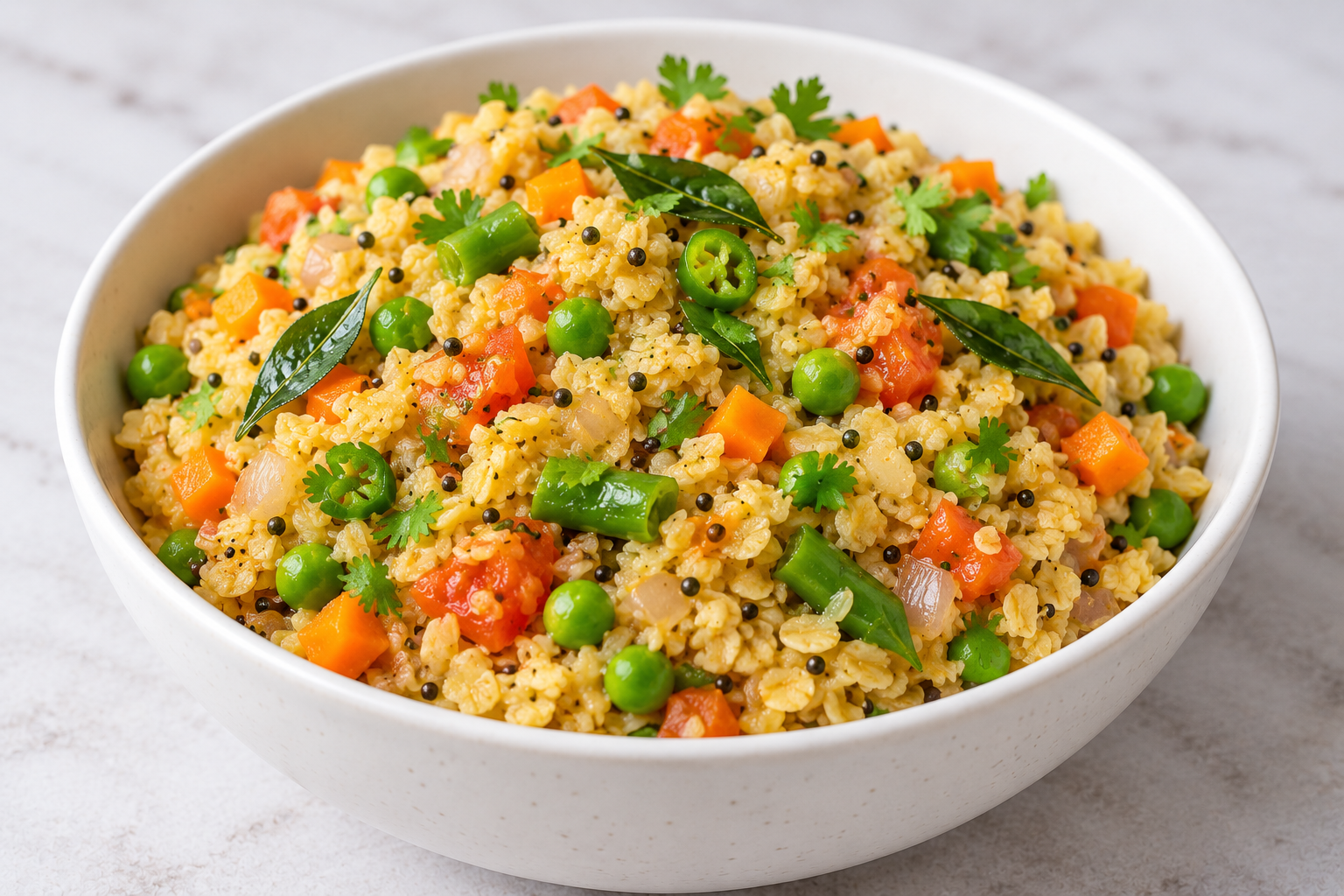
| Breakfast | Vegetable poha with carrots and spinach |
| Mid-morning | Papaya or seasonal mango |
| Lunch | Rice or roti with dal, spinach sabzi and curd |
| Evening snack | Carrot and cucumber salad |
| Dinner | Roti with pumpkin sabzi and dal |
| Optional non-vegetarian choices | Egg or fish as part of a balanced meal |
These are general food suggestions rather than a therapeutic diet. Food portions should be adjusted according to age, energy requirements, health conditions and individual preferences.
12. When Should You Consult a Healthcare Professional?
If you or your child experiences difficulty seeing in dim light, persistent eye dryness or visible white patches on the eye, seek medical evaluation.
Do not attempt to diagnose vitamin A deficiency based only on symptoms.
A healthcare professional may assess dietary history, medical history, eye findings and relevant laboratory investigations when indicated.
Children with suspected deficiency require prompt assessment because severe deficiency can cause permanent eye damage.
Individuals with gastrointestinal or liver disorders may also require specialised nutritional assessment.
Conclusion
Vitamin A is an essential micronutrient that supports healthy vision, immune function, growth, reproduction and the maintenance of body tissues. Its importance is especially significant during childhood, pregnancy and breastfeeding.
In the Indian context, a diverse diet containing green leafy vegetables, carrots, pumpkin, sweet potatoes, papaya, mango, dairy products and suitable animal-based foods can help maintain adequate vitamin A intake.
Preventing deficiency requires more than consuming a single food. It involves dietary diversity, appropriate infant and young child feeding practices, infection prevention and access to public health supplementation programmes.
At the same time, excessive vitamin A supplementation can be harmful, particularly during pregnancy. Therefore, supplements should be used responsibly under professional guidance.
A balanced, locally available and nutritionally adequate diet remains an important foundation for maintaining good health.
Frequently Asked Questions (FAQs)
1. What are the best natural sources of vitamin A in India?
Carrots, spinach, amaranth leaves, pumpkin, sweet potatoes, papaya, mango, milk, egg yolk and fish are useful sources of vitamin A or its precursors.
2. What are the early symptoms of vitamin A deficiency?
Night blindness is a recognized early clinical symptom. Other signs may include dry eyes and changes in the conjunctiva.
3. Which fruit is rich in vitamin A?
Papaya, mango and muskmelon provide provitamin A carotenoids. Their vitamin A contribution varies with variety and ripeness.
4. Is carrot good for vitamin A?
Yes. Carrots contain beta-carotene, which the body can convert into vitamin A. Including carrots in a varied diet can help support vitamin A intake.
5. Can vegetarians get enough vitamin A?
Yes. Vegetarians can obtain provitamin A from green leafy vegetables, carrots, pumpkin, sweet potatoes and fruits such as papaya and mango. Dairy products can also contribute preformed vitamin A.
6. Does vitamin A improve eyesight?
Vitamin A is essential for normal vision, particularly in low-light conditions. Correcting a deficiency can help prevent deficiency-related visual problems. However, taking extra vitamin A does not improve eyesight beyond normal nutritional requirements.
7. Is vitamin A supplementation necessary for everyone?
No. Supplementation depends on age, nutritional status, medical needs and public health recommendations. High-dose supplementation should not be taken without professional guidance.
8. Why is vitamin A important for children?
Vitamin A supports normal vision, immune function, growth and tissue development. Adequate intake is particularly important during early childhood.
References and Further Reading
Indian Council of Medical Research - National Institute of Nutrition (ICMR-NIN). Nutrient Requirements for Indians: Recommended Dietary Allowances and Estimated Average Requirements, 2020.
National Health Mission, Ministry of Health and Family Welfare, Government of India. Vitamin A Supplementation Programme.
World Health Organization (WHO). Vitamin A Supplementation in Infants and Children 6-59 Months of Age.
National Institutes of Health, Office of Dietary Supplements. Vitamin A and Carotenoids: Fact Sheet for Health Professionals.
ICMR-NIN. Indian Food Composition Tables, 2017.
Medical Disclaimer: This article is intended for general nutrition education and awareness. It is not a substitute for individual medical diagnosis, treatment or dietary advice. Consult a qualified healthcare professional for suspected vitamin A deficiency or questions about supplementation.



💬 Comments (0)
Be respectful. Website links and phone numbers are not allowed.